On This Page
Description
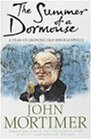
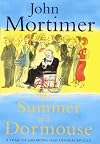
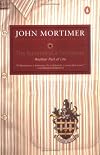
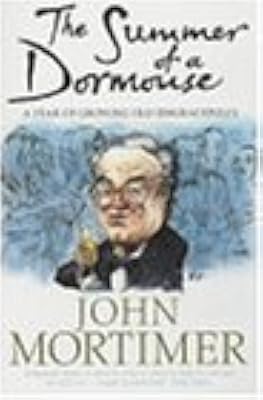
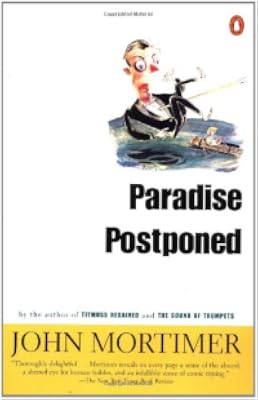
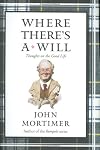
One day John Mortimer is checking a reference in his Complete Shakespeare when the page falls open in the middle of Henry VI, Part II and his eye catches hold of two lines: This evil here shall be my substitute; For that John Mortimer which now is dead...Tags
Recommendations













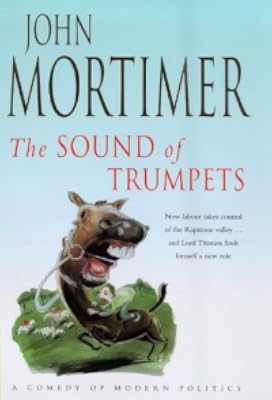

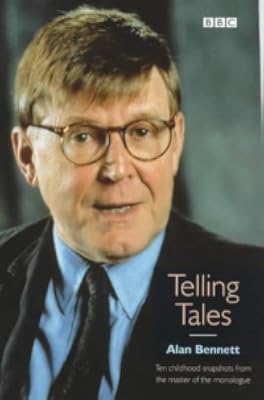
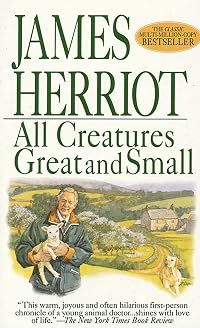
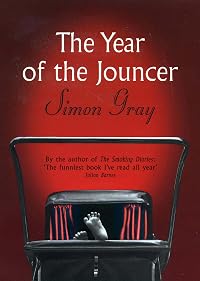


Member Recommendations



Member Reviews
Who could resist the reading recommendation of a friend, or of reading a book with the opening lines of - "The time will come in your life, it will almost certainly come, when the voice of God will thunder at you from a cloud, 'From this day forth thou shall not be able to put on thine own socks’.”!? Oh dear Lord, I heard. John Mortimer – when in his 70s – goes on to add that he “fortunately is living with family” so he can call out for help. As I do when confronted with the same challenge of driving a wavering white foot towards a floppy opening. Sometimes SWMBO sharply informs me to “at least try and do it yourself” so with forehead beaded, cramped toes, huffing and puffing, heart dangerously audible, I put on my boat show more shoes. I remember a dodge we employed at the navy boot-camp - when no clean socks were left, or all were too holey for parade - of coating our ankles with boot polish, but I fear that my dearly beloved “Keep Calm and Carry On” would not permit this.
Nor is the author excused from such wifely strictures, from his own wife Penelope (his second … both called Penelope) but she was a real care-giver and he admits he needed both her concern and discipline. He was well aware of himself, remarking that he sometimes “looked” at himself and wondered “whatever will I do next”? Well, the answer was pretty much everything he enjoyed … plays, charitable works, political agitation, travel, films and many, many books. And at 62 a new daughter to “counteract my tendency to pomposity”. One day she told him she no longer loved him, “That is sad” said her father. “Sad, yes, but very interesting” was the child’s reply, with all the feminine wisdom of three years!
Opening this part (Three) of his biography with a quote from Byron ”When one subtracts from life infancy (being a vegetable), sleeping, eating and swilling, buttoning and unbuttoning – how much remains of existence? The summer of a dormouse.” Mortimer adopted this not only as his title but, when he was Knighted in 1996, as the animal on his coat of arms, and words on the banner … suitability put into Latin of course. He does not mention if he also chose to become Lord Dormouse.
John’s father’s last words to him – and he admits he knows not if they were long-rehearsed or of spontaneous wit – were ”I am always cross when I am dying.” I do wish I could remember to say that! You get the impression from the wonderful witty writing in the book – from, of course, the creator of Rumpole of the Bailey - that he too would have been very cross when his time came in 2009, perhaps he chose one line from one of his favorite poets, the Scots makar, Friar William Dunbar “timor mortis conturbat me”?
A downright charming book. show less
Nor is the author excused from such wifely strictures, from his own wife Penelope (his second … both called Penelope) but she was a real care-giver and he admits he needed both her concern and discipline. He was well aware of himself, remarking that he sometimes “looked” at himself and wondered “whatever will I do next”? Well, the answer was pretty much everything he enjoyed … plays, charitable works, political agitation, travel, films and many, many books. And at 62 a new daughter to “counteract my tendency to pomposity”. One day she told him she no longer loved him, “That is sad” said her father. “Sad, yes, but very interesting” was the child’s reply, with all the feminine wisdom of three years!
Opening this part (Three) of his biography with a quote from Byron ”When one subtracts from life infancy (being a vegetable), sleeping, eating and swilling, buttoning and unbuttoning – how much remains of existence? The summer of a dormouse.” Mortimer adopted this not only as his title but, when he was Knighted in 1996, as the animal on his coat of arms, and words on the banner … suitability put into Latin of course. He does not mention if he also chose to become Lord Dormouse.
John’s father’s last words to him – and he admits he knows not if they were long-rehearsed or of spontaneous wit – were ”I am always cross when I am dying.” I do wish I could remember to say that! You get the impression from the wonderful witty writing in the book – from, of course, the creator of Rumpole of the Bailey - that he too would have been very cross when his time came in 2009, perhaps he chose one line from one of his favorite poets, the Scots makar, Friar William Dunbar “timor mortis conturbat me”?
A downright charming book. show less
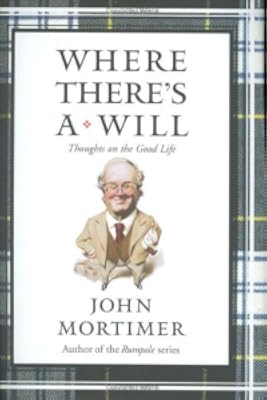
Another of the amusing "aging memoirs" which tickle me of late, this by the creator of the Rumpole series of books and tv about his years as a playright. He quotes Lord Byron "when one subtracts from life infancy (which is vegetation), sleep, eating and swilling, buttoning and unbuttoning -- how much remains of downright existence? The summer of a dormouse."
This is the story of the year when John Mortimer found he could no longer put his socks on. Well written and very funny, full of anecdote and down-to-earth comment from someone with an observant but kind eye, and a sharp intellect.
Another of the amusing "aging memoirs" which tickle me of late, this by the creator of the Rumpole series of books and tv about his years as a playright. He quotes Lord Byron "when one subtracts from life infancy (which is vegetation), sleep, eating and swilling, buttoning and unbuttoning -- how much remains of downright existence? The summer of a dormouse."
Very entertaining.
"I was sixty-two when Rosie [his daughter] was born and I mean to enjoy her company as long as possible. She shows disturbing signs of having the character of a novelist. When she was very young ... she suddenly said, 'I don't love you, Dad.' 'That's very sad,' I told her. 'Yes,' Rosie admitted. 'It's sad but it is interesting.'"
"I was sixty-two when Rosie [his daughter] was born and I mean to enjoy her company as long as possible. She shows disturbing signs of having the character of a novelist. When she was very young ... she suddenly said, 'I don't love you, Dad.' 'That's very sad,' I told her. 'Yes,' Rosie admitted. 'It's sad but it is interesting.'"
This autobiography is SO funny! So sad that this great mind has gone to his reward. He did not write this in a chronological pattern, but recorded his thoughts of the moment from his life and the difficulty of growing old. I hope to collect all of his books.
Ratings
Members
- Recently Added By
Published Reviews
According to PG Wodehouse, who had thought deeply about the thing, there are 'two ways of writing'. One, he went on, is 'making a sort of musical comedy without music and ignoring real life altogether; the other is going right deep down into life and not caring a damn'.
Sir John Mortimer, an English playwright and novelist who has given his admiring public more literary music and comedy than show more they have any right to expect from one man, has now, apparently, reached the age when 'going right deep down into life' is being forced upon him by the remorseless onset of old age, by the indignity of wheelchairs and wayward socks. show less
Sir John Mortimer, an English playwright and novelist who has given his admiring public more literary music and comedy than show more they have any right to expect from one man, has now, apparently, reached the age when 'going right deep down into life' is being forced upon him by the remorseless onset of old age, by the indignity of wheelchairs and wayward socks. show less
added by John_Vaughan
Lists

Best Biographies, Autobiographies and Memoirs
465 works; 160 members

Best Nonfiction Books about Aging
17 works; 2 members
Author Information

146+ Works 15,677 Members
Series

Common Knowledge
- Original publication date
- 2000
- People/Characters
- John Mortimer; Franco Zeffirelli
- Epigraph
- When one subtracts from life infancy (which is vegetation), sleep, eating and swilling, buttoning and unbuttoning - how much remains of downright existence? The summer of a dormouse.
Byron, Journals - Dedication
- For Penny
- First words
- The time will come in your life, it will almost certainly come, when the voice of God will thunder at you from a cloud, 'From this day forth thou shall not be able to put on thine own socks.'
- Quotations
- After this encounter with various religious beliefs, I remember that C. M. Bowra wrote, 'A people gets the gods it deserves. The grinning, gloating ogress of the Aztecs mirrored a race brutalized by incessant war.' So the Gre... (show all)ek gods are as louche, and often as charming, as their worshippers. The God of Israel is extremely nationalistic and frequently cross. The Scotch God is prim and meticulous and the American God, at any rate on the Networks, lacks a sense of irony, wishes to be taken literally, and prefers large financial contributions to burnt offerings. When I was at School I was introduced, in the Chapel, to the Church of England God, a well-intentioned old gent who doesn't care too much for religion. (p.77)
Timor mortis, like arthritis and failing eyesight, sets in around seventy and becomes acute after seventy-five. There are, however, if not cures, at least painkillers, placebos and periods of remission.
Love, the openi... (show all)ng of a bottle of champagne or the act of writing sentences to fill a long sheet of ruled paper can banish timor at least temporarily. (p.188) - Last words
- (Click to show. Warning: May contain spoilers.)Everything is perfectly all right.
- Blurbers
- McCrum, Robert; Bainbridge, Beryl; Weldon, Fay
Classifications
- Genre
- Biography & Memoir
- DDC/MDS
- 828.91409 — Literature & rhetoric English & Old English literatures English miscellaneous writings English miscellaneous writings 1900- English miscellaneous writings 1900-1999 English miscellaneous writings 1945-1999 Individual authors
- LCC
- PR6025 .O7552 .Z475 — Language and Literature English English Literature 1900-1960
- BISAC
Statistics
- Members
- 211
- Popularity
- 154,763
- Reviews
- 6
- Rating
- (3.78)
- Languages
- English
- Media
- Paper, Audiobook
- ISBNs
- 10
- ASINs
- 2