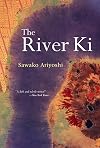
The River Ki
by Sawako Ariyoshi
On This Page
Description
The River Ki dominates the lives of the people who live in its fertile valley and imparts a vital strength to three women - mother, daughter and granddaughter - around whom this novel is built. It provides them with the courage to cope with the unprecedented changes that occurred in Japan around the late 19th, early 20th centuries. The River Ki, short and swift and broad like most Japanese rivers, flows into the sea not far south of Osaka. On its journey seaward, it passes through show more countryside that has long been at the heart of the Japanese tradition. And it flows too show lessTags
Recommendations









Member Reviews
The strength of this book is as a family saga that broadly focuses on three generations of women. It paints the life of a family living through the tumultuous Meiji era. Although its prose flows quite smoothly, it doesn't have a discernible plot and the narrative distance from its characters is substantial. Therefore, those who like a more intimate connection with their characters might be disappointed.
(Side note: This is the era of my grandparents who were also farmers. I saw some cultural similarities between aspects of the book and my family's life like persimmons and grafting fruit trees.)
(Side note: This is the era of my grandparents who were also farmers. I saw some cultural similarities between aspects of the book and my family's life like persimmons and grafting fruit trees.)
The River Ki is a family saga taking place across three generations and a hundred years spanning from mid 19th to mid 20th century. Focusing primarily upon three strong women from each generation and the ties between their husbands take less prominent roles but several of the men in the story are well fleshed out. The River of the story, strong and steady, a nourisher but also a potential destroyer in times of floods, is a metaphor for life. I enjoyed the novel which portrays a Westernizing Japan and the conflicts this presents to tradition and the acceptance or rejection of modernity. While the story is at times intimate, it also unfolds at a higher level as if you are witnessing the landscape from several thousand feet up. Great leaps show more of time occur and main characters die and you learn about it several years later with a small passing reference. This is unusual with so many modern novels so wrapped up in a single protagonist's pysche. This overarching style was a bit jarring at first but also refreshing. show less
An effective, moving and beautiful intergenerational family novel set in Japan. it's one of those books you pick up in a used bookstore and just marvel at.
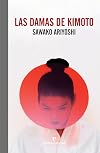
Toyono, Hana, Fumio y Hanako. Cuatro generaciones de mujeres y una única constante en sus vidas: el fluir de las aguas de un río que las ha visto nacer, crecer y convertirse en esposas, madres, abuelas… y a las más jóvenes también en mujeres trabajadoras.
En su viaje hacia el océano, el Ki —corto, vertiginoso y ancho como la mayoría de los ríos nipones— atraviesa un paisaje de montañas y pueblos, presas y arrozales donde imperan las leyes y costumbres del Japón más tradicional. Entre finales del siglo XIX y mediados del XX, casi sesenta años de historia quedan fijados en las delicadas páginas de esta bellísima saga familiar: el fin de la era Meiji, la guerra sino-japonesa, la Segunda Guerra Mundial y su devastadora show more estela… Grandes acontecimientos que van dejando huella en la vida cotidiana de estas cuatro mujeres, divididas entre la tradición y la modernidad, cuyas historias y decisiones conforman un retrato elegante y certero de la situación de la mujer en Japón.
Una novela sobre la sabiduría, el amor, el legado, las tragedias y la emancipación, los modelos que queremos perpetuar y los que es necesario abolir. show less
En su viaje hacia el océano, el Ki —corto, vertiginoso y ancho como la mayoría de los ríos nipones— atraviesa un paisaje de montañas y pueblos, presas y arrozales donde imperan las leyes y costumbres del Japón más tradicional. Entre finales del siglo XIX y mediados del XX, casi sesenta años de historia quedan fijados en las delicadas páginas de esta bellísima saga familiar: el fin de la era Meiji, la guerra sino-japonesa, la Segunda Guerra Mundial y su devastadora show more estela… Grandes acontecimientos que van dejando huella en la vida cotidiana de estas cuatro mujeres, divididas entre la tradición y la modernidad, cuyas historias y decisiones conforman un retrato elegante y certero de la situación de la mujer en Japón.
Una novela sobre la sabiduría, el amor, el legado, las tragedias y la emancipación, los modelos que queremos perpetuar y los que es necesario abolir. show less
Oct 20, 2022Spanish
Ratings
Members
- Recently Added By
Lists

Books Read in 2019
4,052 works; 110 members
Author Information

83+ Works 822 Members
Ariyoshi Sawako is a novelist concerned with social issues, the position of women among them, although some of her earlier works were less topical. Her recent novels have been bestsellers in Japan. (Bowker Author Biography)
Common Knowledge
- Canonical title*
- Кинокава
- Original publication date
- 1964
*Some information comes from Common Knowledge in other languages. Click "Edit" for more information.
Classifications
- Genres
- Fiction and Literature, General Fiction
- DDC/MDS
- 895.635 — Literature & rhetoric Literatures of other languages Literatures of East and Southeast Asia Japanese Japanese fiction 1945–2000
- LCC
- PL845 .R5 .K513 — Language and Literature Languages and literatures of Eastern Asia, Africa, Oceania Languages of Eastern Asia, Africa, Oceania Japanese language and literature Japanese literature Individual authors and works
- BISAC
Statistics
- Members
- 214
- Popularity
- 153,046
- Reviews
- 4
- Rating
- (4.11)
- Languages
- 5 — English, French, Japanese, Russian, Spanish
- Media
- Paper, Ebook
- ISBNs
- 10
- ASINs
- 6