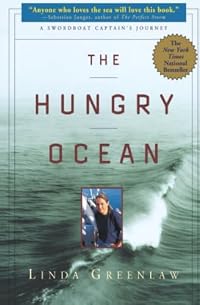
The Hungry Ocean: A Swordboat Captain's Journey
by Linda Greenlaw
On This Page
Description
In his number-one bestseller, The Perfect Storm, Sebastian Junger describes Linda Greenlaw as "one of the best sea captains, period, on the East Coast." Now Greenlaw tells her own riveting story of a thirty-day swordfishing voyage aboard one of the best-outfitted boats on the East Coast, complete with danger, humor, and characters so colorful they seem to have been ripped from the pages of Moby Dick. The excitement starts immediately, even before Greenlaw and her five-man crew leave the dock show more - and it doesn't stop until the last page. Under way, she must cope with nasty weather, equipment failure, and treachery aboard ship, not to mention the routinely backbreaking work of operating a fishing boat.Displaying a true fisherman's gift for storytelling and a true writer's flair for both drama and reflection, Greenlaw offers an exciting real-life adventure tale filled with the beauty and power of the sea. show lessTags
Recommendations

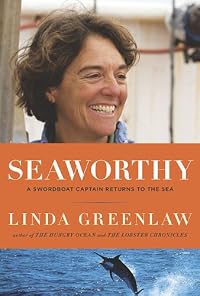
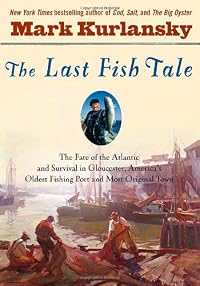
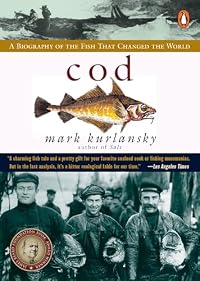
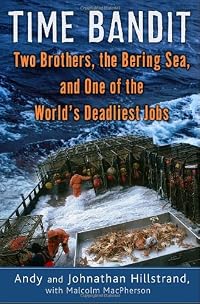



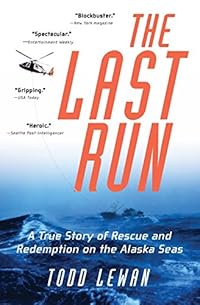
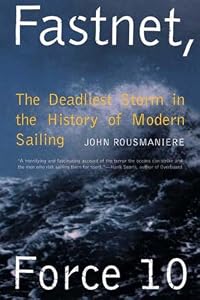
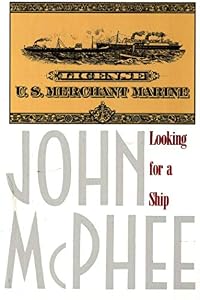

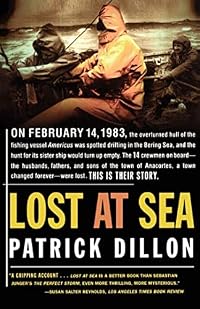
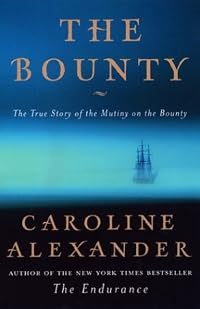
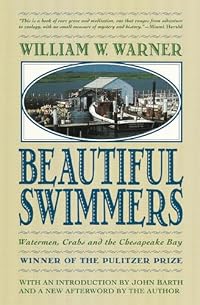
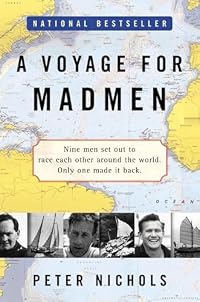
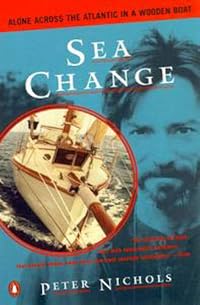
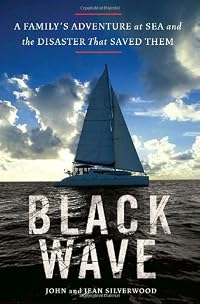
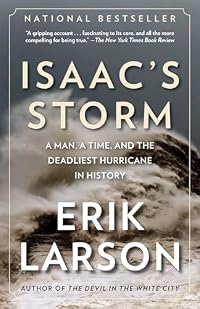
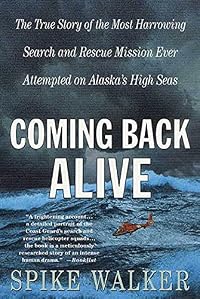

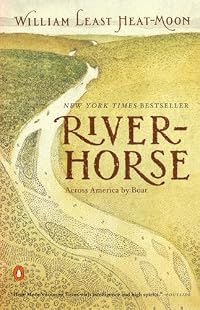
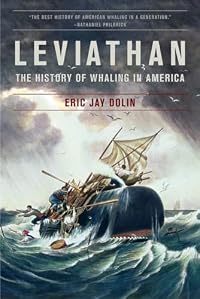
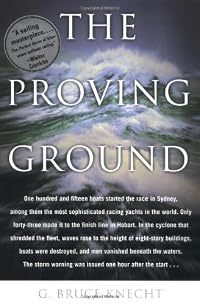
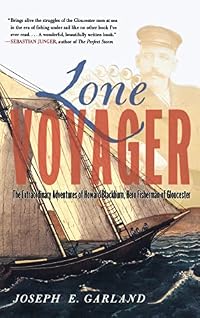
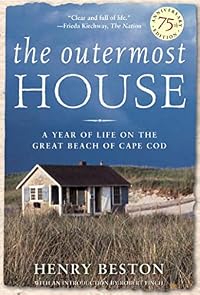


Member Recommendations
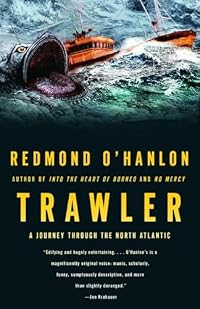
ten_floors_up Suggested as a contrast, rather than as a companion piece. "Trawler" describes a commercial fishing voyage seen from a writer's perspective below deck. The trip in question takes place on the other side of the Atlantic, and describes quite different fishing methods and quarry.
Member Reviews
In this memoir, fishing boat captain Linda Greenlaw writes about a typical 30-day fishing trip from her boat’s base in Gloucester, Massachusetts, to the Grand Banks off of Newfoundland. Linda and her five-man crew deal with the weather, competition from other fishing boats who all want to find the best piece of water to fish, and interpersonal conflict among the crew. Greenlaw intersperses stories from her past experience into the text. Greenlaw provided just enough detail without overexplaining for readers like me without any knowledge or experience of sailing and fishing.
If you’ve read Sebastian Junger’s The Perfect Storm, you’ve met Linda Greenlaw before. Linda’s boat, the Hannah Boden, was fishing several hundred miles show more east of the Andrea Gail when she went down in that terrible storm. Greenlaw was the last person to have radio contact with the Andrea Gail’s captain, and the two boats were owned by the same man.
Greenlaw shares that she got into commercial fishing to pay her way through college, and she didn’t start with the intention of making a career of fishing. She found she enjoyed it. Her college education (English major) wasn’t wasted since she has developed a second career as an author. One of the most appealing aspects of this book is reading about a woman close to my own age whose life experience is so different from mine. This is the first of several memoirs, and I’m interested enough in Greenlaw’s story to keep reading. show less
If you’ve read Sebastian Junger’s The Perfect Storm, you’ve met Linda Greenlaw before. Linda’s boat, the Hannah Boden, was fishing several hundred miles show more east of the Andrea Gail when she went down in that terrible storm. Greenlaw was the last person to have radio contact with the Andrea Gail’s captain, and the two boats were owned by the same man.
Greenlaw shares that she got into commercial fishing to pay her way through college, and she didn’t start with the intention of making a career of fishing. She found she enjoyed it. Her college education (English major) wasn’t wasted since she has developed a second career as an author. One of the most appealing aspects of this book is reading about a woman close to my own age whose life experience is so different from mine. This is the first of several memoirs, and I’m interested enough in Greenlaw’s story to keep reading. show less
I wish I liked the Linda Greenlaw portrayed here more than ended up liking her. The book is fair, but I don't fault her for that. At the time she wrote this, she was simply not a writer. And for someone who hasn't written much, this book is clear, practical, straightforward, unromantic (except for certain awkward moments, where such romanticism seemed forced). I admire her attitude and her toughness as a person, but I simply did not like this book, despite being a fiend for all literature nautical in nature. First, I simply could not get over the fact that her response to a seething, ugly racist on her crew was silence. Not just once, but several times. He verbally attacked a black man who was also on the crew--and who, it appears by show more the end of the book, is the most able crewman aboard. He calls him a nigger and a "porch monkey" and Linda has very little to say about this. She takes great care to let us know this young racist is a good kid and a good crewman. He'll settle down once we're fishing, she tells the reader. Huh? Just as I reluctantly buy into this, he makes a noose right in front of her and muses about lynching his fellow crewman. Again, there is no response. I was aghast. She's the captain. She has no problem later in the book ripping another crewman a new one because he mentioned over radio the fact that the boat had had a fantastic day of fishing (she didn't want other captain's to overhear the transmission and then try to encroach on her berth). In fact, she rips him, acidly, for a full day. However, she has nothing to say to Carl, who calls a fellow crewman a porch monkey, a nigger, and who mentions in her presence that he'd like to "lynch" him? Because she spends so much time talking about crew morale, about how important their states of collective mind are, I don't see any compelling reason why she handled this the way she did. And I found it very hard to get back on track after reading those scenes. No, a commercial boat is not going to be the f-ing Rainbow Coalition. Linda's silence in the fact of this crap was bad enough, but when she tried then to tell the reader that this young man was one of the best crewmen she'd ever worked with, I was done here.
Of course, I finished the book (I always do) and found some interesting parts to distract me from this. But then we get to the part where a swordfish is stabbed, tied to the stern, and lit on fire, just to "change our luck." (Disturbingly, the very few negative reviews of this book I've read on Goodreads have only mentioned reviewers' disgust with the swordfish scene, not a peep about the creepy way Greenlaw ignored the vile attacks on her best crewman).
Again, I fully realize that the sea is not romantic, not to a commercial fisherman. It's the most difficult, dangerous job for a reason, and there is no luxury aboard of being able to examine your philosophies when you're in the midst of it. However, there was plenty of time for reflection by the time Greenlaw wrote this. To her credit, she included the ugliness of Carl's treatment of Peter, but she did not address it. It seemed to be included only to add color.
Gah. I hate that I don't like this book, because two authors I admire immensely--Sebastian Junger and Douglas Whynott--both praised this account. Sigh. This has been the summer of Hating Books Everyone Else Loves. show less
Of course, I finished the book (I always do) and found some interesting parts to distract me from this. But then we get to the part where a swordfish is stabbed, tied to the stern, and lit on fire, just to "change our luck." (Disturbingly, the very few negative reviews of this book I've read on Goodreads have only mentioned reviewers' disgust with the swordfish scene, not a peep about the creepy way Greenlaw ignored the vile attacks on her best crewman).
Again, I fully realize that the sea is not romantic, not to a commercial fisherman. It's the most difficult, dangerous job for a reason, and there is no luxury aboard of being able to examine your philosophies when you're in the midst of it. However, there was plenty of time for reflection by the time Greenlaw wrote this. To her credit, she included the ugliness of Carl's treatment of Peter, but she did not address it. It seemed to be included only to add color.
Gah. I hate that I don't like this book, because two authors I admire immensely--Sebastian Junger and Douglas Whynott--both praised this account. Sigh. This has been the summer of Hating Books Everyone Else Loves. show less
Covering the trajectory of one full fishing trip, and intermixed with memorable (often disastrous) moments from other trips, Greenlaw's work is both honest and fascinating. From concerns about crewing a swordfish boat to the day-to-day actions and reactions of a captain of the same, the work maneuvers around a world that most readers will find entirely unfamiliar, and it does so with both humor and humanity in mind. By balancing between this fishing world and the social world of a nearly month-long trip built for swordfish and six very different individuals on a relatively small boat, Greenlaw moves the narrative at a fast pace.
Whether you're interested in fishing or not, this really is a marvelous look into a world that, for most of show more us, is simply foreign and all but unimaginable. Greenlaw makes it wonderfully real in this quick-moving memoir. If you love the ocean or, very simply, love a good story, let alone the science of fishing, you might very well find this worth your time.
Recommended. show less
Whether you're interested in fishing or not, this really is a marvelous look into a world that, for most of show more us, is simply foreign and all but unimaginable. Greenlaw makes it wonderfully real in this quick-moving memoir. If you love the ocean or, very simply, love a good story, let alone the science of fishing, you might very well find this worth your time.
Recommended. show less
Greenlaw is a fisherman — not fisherwoman, as she carefully explains. “ ‘I hate the term, and can never understand why people think I would be offended to be called a fisherman . . . . Fisherwoman isn’t even a word. A fisherman is defined as “one whose employment is to catch fish”. . . . People, women in particular, are generally disappointed when they learn that I have not suffered unduly from being the only woman in what they perceive to be a man’s world. I might be thick-skinned — or just too damn busy to worry about what others might think of me.’ ”
And busy is an understatement. Sebastian Junger made Linda famous in The Perfect Storm — a wonderful book — when he described her simply as the best show more swordfisherman, period. This book resulted after friends persuaded her to write of her own experiences — the Andrea Gail, lost in the huge storm described in Junger’s book, was the Hannah Boden’s sister ship. Greenlaw writes in fascinating detail of what a trip is like as captain of the Hannah Boden. It’s mind-numbing fatigue, once they reach the fishing grounds, with the crew lucky to catch a couple hours of sleep at night during the fishing. The lines are huge, miles and miles of hooks with chemical light sticks that are attached because they seem to attract fish, with thousands of hooks that have to be baited individually by hand.
The pay can be good — if the catch is great. But there’s no guarantee. Each member of the crew works on shares after expenses. No benefits, no union, but lots of hazard. show less
And busy is an understatement. Sebastian Junger made Linda famous in The Perfect Storm — a wonderful book — when he described her simply as the best show more swordfisherman, period. This book resulted after friends persuaded her to write of her own experiences — the Andrea Gail, lost in the huge storm described in Junger’s book, was the Hannah Boden’s sister ship. Greenlaw writes in fascinating detail of what a trip is like as captain of the Hannah Boden. It’s mind-numbing fatigue, once they reach the fishing grounds, with the crew lucky to catch a couple hours of sleep at night during the fishing. The lines are huge, miles and miles of hooks with chemical light sticks that are attached because they seem to attract fish, with thousands of hooks that have to be baited individually by hand.
The pay can be good — if the catch is great. But there’s no guarantee. Each member of the crew works on shares after expenses. No benefits, no union, but lots of hazard. show less
This fascinating, adventuresome book details one trip aboard the swordfishing boat Hannah Boden captained by Greenlaw with a crew of four. The book starts out at the beginning of the trip, and follows every step through to the end. From the moment they load the boat with some $40,000 of supplies, the crew is racing against the clock to catch enough swordfish to make the trip profitable. If they don't get a good catch, there's no paychecks. First they have to find the fish. Then there's battling awful weather, swarms of sharks that eat up the bait, illness, breaking equipment, fights among the crew, and competition from other swordboats. The work can be painstaking, backbreaking and dirty, and the reader is spared no details. The show more appendix even includes an itemized list of expenses and profits made on this particular trip, and a map of the boat's course. Besides just telling the story of what it's like the work in the fishing industry, Greenlaw also shares some superstitions, legendary tales and funny stories about fishing and her own thoughts and philosophical musings on life. She is a successful woman captain in an occupation dominated by men, and you can see why. She always wanted to captain a boat, and poured her whole heart into it. She is stubborn, humorous, and smart. And a good writer.
reviewed on Dog Ear Diary show less
reviewed on Dog Ear Diary show less
I am sure this has a lower rating than it deserves as most want to read more about the Andrea Gail. The book did a great job of talking about life on a swordfishing boat on a great trip. I was hooked from the get go ...
"The Hungry Ocean" written by Swordfish Captain Linda Greenlaw, details one of her 30 day swordfishing expeditions. Greenlaw describes the preparations she makes before leaving on the trip; the personalities of the men accompanying her on the trip; how she decides where they are going to do the actual fishing; the fishing itself and the equipment used; how she decides when the fishing trip is over; and finally, shows a receipt detailing the money spent on the trip and how much money each fisherman made. Interspersed with the details of this particular trip are chapters called "Mug-Up" with anecdotes of past fishing trips.
"The Hungry Ocean" is a fascinating read. Greenlaw doesn't dwell on the fact that she is a female working in a job show more dominated by men. She provides detailed explanations of what needs to be done on board to prepare for the fishing, although she sometimes lost me in describing some of the details. I wish pictures had been included of some of the equipment she used. Greenlaw also describes how she deals with the inevitable problems that come up when a number of sleep deprived people are working together in a cramped space for a long period of time.
One of the best parts of the book are the small details Greenlaw includes: how they cook and prepare food on a moving boat, eating off Pyrex pie plates to keep the food from falling off; the practical jokes they play on new fishermen to break the boredom; and the various superstitions fishermen have. For the most part, Greenlaw comes across as likable, but I couldn't help but feel sorry for the fish as she describes their struggle once captured. Still, I don't begrudge the fishermen; it's a tough and dangerous way to make a living.
"The Hungry Ocean" is a very compelling read. show less
"The Hungry Ocean" is a fascinating read. Greenlaw doesn't dwell on the fact that she is a female working in a job show more dominated by men. She provides detailed explanations of what needs to be done on board to prepare for the fishing, although she sometimes lost me in describing some of the details. I wish pictures had been included of some of the equipment she used. Greenlaw also describes how she deals with the inevitable problems that come up when a number of sleep deprived people are working together in a cramped space for a long period of time.
One of the best parts of the book are the small details Greenlaw includes: how they cook and prepare food on a moving boat, eating off Pyrex pie plates to keep the food from falling off; the practical jokes they play on new fishermen to break the boredom; and the various superstitions fishermen have. For the most part, Greenlaw comes across as likable, but I couldn't help but feel sorry for the fish as she describes their struggle once captured. Still, I don't begrudge the fishermen; it's a tough and dangerous way to make a living.
"The Hungry Ocean" is a very compelling read. show less
Members
- Recently Added By
Lists

Must-Read Maine
146 works; 90 members

Carole's List
445 works; 13 members
Author Information

12+ Works 3,255 Members
Linda Greenlaw studied English and government at Colby College. During the summer after her freshman year, she became a cook and deckhand on the fishing boat Walter Leeman. She continued working on the boat during free time and vacations, and after graduating from college in 1983. She became a swordfish captain in 1986. She was featured in the show more book and film The Perfect Storm. She has written several books including the nonfiction works The Hungry Ocean, The Lobster Chronicles, All Fishermen Are Liars, and Seaworthy: A Swordfish Boat Captain Returns to the Sea as well as a cookbook entitled Recipes from a Very Small Island and two mystery novels entitled Slipknot and Fisherman's Bend. She won the U.S. Maritime Literature Award in 2003 and the New England Book Award for nonfiction in 2004. (Bowker Author Biography) show less
Awards and Honors
Awards
Distinctions
Series
Belongs to Publisher Series
Work Relationships
Common Knowledge
- Canonical title
- The Hungry Ocean: A Swordboat Captain's Journey
- Original title
- The hungry ocean
- Original publication date
- 1999
- People/Characters
- Linda Greenlaw
- Important places
- Atlantic Ocean; North Atlantic Ocean; Grand Banks, Newfoundland, Canada
- Epigraph
- When I have seen the hungry ocean gain
Advantage on the kingdom of the shore,
And the firm soil win of the watery main,
Increasing store with loss, and loss with store.
– SHAKESPEARE, SONNET 64 - Dedication
- This book is dedicated to the men least likely to abandon a sinking ship:
Robert H. Brown
W. Alden Leeman
James S. Greenlaw - First words
- It was very early in the morning, very late in the month of August.
- Last words
- (Click to show. Warning: May contain spoilers.)This is the first symptom of sea fever: a passion for bluer waters and bigger fish.
- Blurbers
- Junger, Sebastian; Whynott, Douglas
- Original language
- English
Classifications
- Genres
- Hunting and Fishing, Sports and Leisure, Biography & Memoir, General Nonfiction, Nonfiction
- DDC/MDS
- 639.2778 — Applied Science & Technology Agriculture Hunting, fishing, conservation, related technologies Commercial fishing, whaling, sealing
- LCC
- SH691 .S8 .G689 — Agriculture Aquaculture. Fisheries. Angling Aquaculture. Fisheries. Angling Angling
- BISAC
Statistics
- Members
- 1,210
- Popularity
- 20,391
- Reviews
- 27
- Rating
- (3.69)
- Languages
- English, German
- Media
- Paper, Audiobook, Ebook
- ISBNs
- 26
- ASINs
- 11