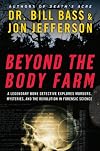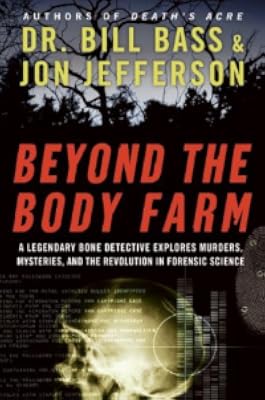
Beyond the Body Farm: A Legendary Bone Detective Explores Murders, Mysteries, and the Revolution in Forensic Science
by Bill Bass, William M. Bass, Jon Jefferson (Author)
On This Page
Description
A forensic anthropologist tracks the field's increasing sophistication as reflected by cases throughout his career, describing such newer technologies as DNA processing and electron microscopy, and examining past cases in which new developments proved pivotal.Tags
Recommendations



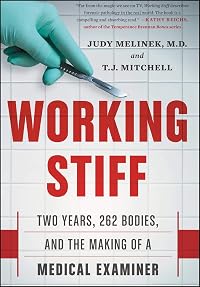
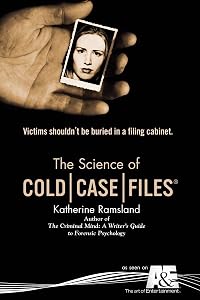
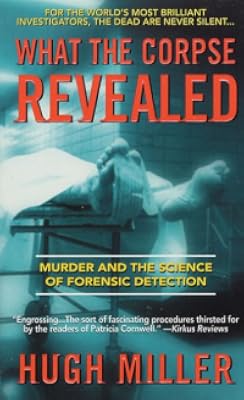
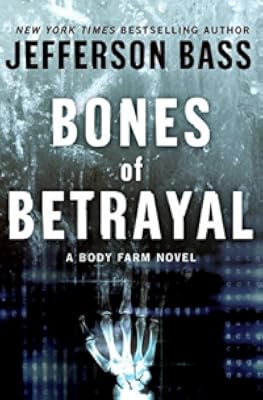



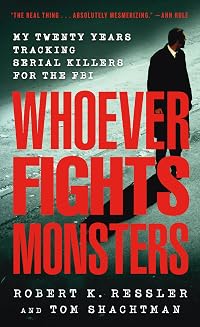
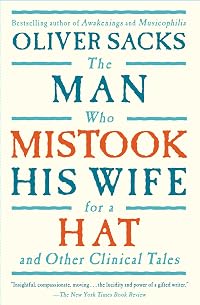
Member Recommendations

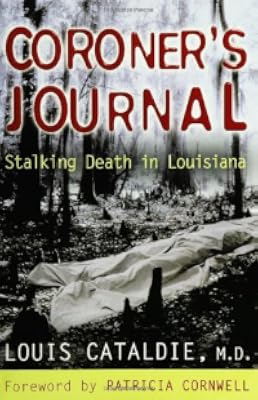
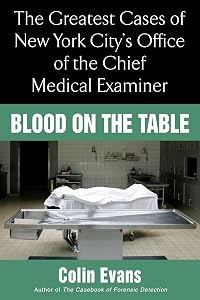
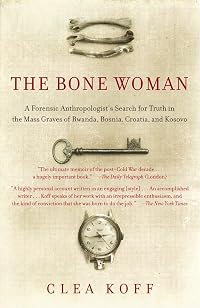
Bookmarque Because Ubelaker's direct style is similar and his casebook is very interesting.
20

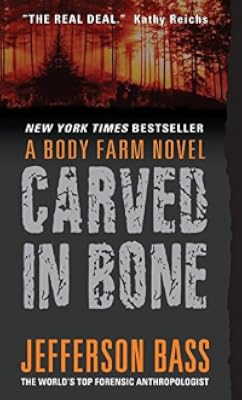
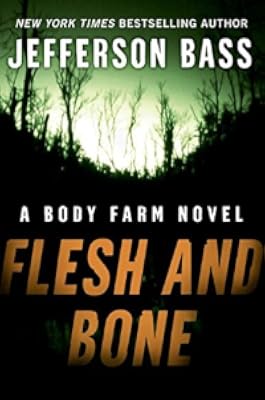
SomeGuyInVirginia AWD tangential to forensic anthropology. Of special interest is the chapter in BBF on exhuming the body of the Big Bopper and details of his embalming and burial vault, and discussion of likely types of decomposition.
Member Reviews
A decent casebook with a non-sensational bent to it. Seems that most people in this line of work automatically showcase their most TV-moment-worthy cases and their solitary brilliance in bringing a case to conclusion. Instead, Bass focuses on teamwork and emerging technology that made previously dead end cases resolvable. The tone is nicely self-depracatory while not letting us forget his unifying presence. Dr. Bass is more modest and has a dry sense of humor as well. An enjoyable read.
This ebook gets 5 stars for being non-stop engaging. I love this type of grisly read provided that (1) it is non-fiction, (2) the cruelty and suffering are long past, and (3) the book is full of forensic science, clues, and mysteries. And this one hit the spot.
I really liked the author. He's very upbeat and has a passion for his work and for the families he's helping. He's an expert on bones. But he is humble, admitting he knows little of chemistry or DNA, though he doesn't need to as he works in a team. In nearly all his online photos, he is smiling. I see that he is still alive and is 95 years old.
Recommended!
I really liked the author. He's very upbeat and has a passion for his work and for the families he's helping. He's an expert on bones. But he is humble, admitting he knows little of chemistry or DNA, though he doesn't need to as he works in a team. In nearly all his online photos, he is smiling. I see that he is still alive and is 95 years old.
Recommended!
Legendary forensic anthropologist and “Body Farm” founder Dr. William Bass describes several of the cases that he’s worked on in his decades-long career. The cases highlight different aspects of forensic anthropology and the methods available to criminal investigators for identifying unknown corpses and determining cause of death. Bass is wearing his educator hat as he writes, and lay readers will come away with a basic understanding of forensic anthropology, its history, and related fields such as forensic dentistry and forensic entomology. Although Dr. Bass retired more than 30 years ago, he has continued to consult with criminal investigators. One interesting thing that this book illustrates is just how influential Dr. Bass has show more been in this field. Many of the professionals whose groundbreaking discoveries continue to advance the practice of forensic anthropology studied under Dr. Bass or under one of his former students. show less
Recensione su World of Interests
Non so bene come recensire questo libro.
Non è un romanzo, bensì una raccolta di casi a cui Bill Bass ha partecipato come antropologo forense. L’autore (e il co-autore) ci racconta sia di successi che di fallimenti nella sua lunga carriera attraverso alcuni casi ben scelti. Inoltre, accenna anche al suo lavoro presso la “Fabbrica dei Corpi”, dove gli scienziati possono osservare i vari stadi della decomposizione di cadaveri in vari ambienti e con delle varianti che vanno dalla temperatura all’arrivo degli insetti.
Insomma, non è esattamente un libro per tutti. E non è esattamente allegro.
Io personalmente non ne sapevo niente: a parte il fatto che studio Storia, ma è la prima volta che cedo alla show more curiosità di saperne di più rispetto a questi argomenti.
Bill Bass scrive egregiamente, quasi in modo leggero anche se scientificamente corretto, e attraverso questo libro credo di aver imparato molte cose rispetto al corpo umano e anche rispetto all’argomento saliente: la decomposizione dei corpi, nonché come l’antropologia aiuta ad identificare le vittime.
Non so bene cosa dirvi: non ci sono personaggi se non Bass e le vittime che ha aiutato a identificare, non c’è una storia se non quella della carriera di Bass. Ma una cosa la voglio dire: credo che questo e altri libri sull’argomento siano fondamentali per quegli autori che desiderano parlare di certi argomenti, ed evitare di fare errori come in CSI (di cui anche Bass parla, per via delle discrepanze tra la realtà dei fatti e la finzione).
Vorrei anche dire che, in effetti, mi sono affezionata ad alcuni casi che Bass riprende nel corso del libro a causa della distanza fra gli anni e tra le tecnologie disponibili.
Insomma, credo che leggendo l’appendice e facendo attenzione a quello che dice Bass, che ha lavorato in questo ambito anche dopo la pensione, si possano imparare molte cose. Non sui serial killer o comunque sugli uccisori, ma sulle vittime e le prove che i loro corpi e le loro ossa sussurrano a persone come l’autore.
Se non siete schizzinosi e se non vi fa senso la cosa, voglio davvero consigliarvi questo libro e sapere cosa ne pensate. Quando l’ho preso in prestito in biblioteca non pensavo che mi avrebbe fatto interessare alla materia così tanto, ma è stato il contrario.
Insomma, leggetelo e ditemi cosa ne pensate show less
Non so bene come recensire questo libro.
Non è un romanzo, bensì una raccolta di casi a cui Bill Bass ha partecipato come antropologo forense. L’autore (e il co-autore) ci racconta sia di successi che di fallimenti nella sua lunga carriera attraverso alcuni casi ben scelti. Inoltre, accenna anche al suo lavoro presso la “Fabbrica dei Corpi”, dove gli scienziati possono osservare i vari stadi della decomposizione di cadaveri in vari ambienti e con delle varianti che vanno dalla temperatura all’arrivo degli insetti.
Insomma, non è esattamente un libro per tutti. E non è esattamente allegro.
Io personalmente non ne sapevo niente: a parte il fatto che studio Storia, ma è la prima volta che cedo alla show more curiosità di saperne di più rispetto a questi argomenti.
Bill Bass scrive egregiamente, quasi in modo leggero anche se scientificamente corretto, e attraverso questo libro credo di aver imparato molte cose rispetto al corpo umano e anche rispetto all’argomento saliente: la decomposizione dei corpi, nonché come l’antropologia aiuta ad identificare le vittime.
Non so bene cosa dirvi: non ci sono personaggi se non Bass e le vittime che ha aiutato a identificare, non c’è una storia se non quella della carriera di Bass. Ma una cosa la voglio dire: credo che questo e altri libri sull’argomento siano fondamentali per quegli autori che desiderano parlare di certi argomenti, ed evitare di fare errori come in CSI (di cui anche Bass parla, per via delle discrepanze tra la realtà dei fatti e la finzione).
Vorrei anche dire che, in effetti, mi sono affezionata ad alcuni casi che Bass riprende nel corso del libro a causa della distanza fra gli anni e tra le tecnologie disponibili.
Insomma, credo che leggendo l’appendice e facendo attenzione a quello che dice Bass, che ha lavorato in questo ambito anche dopo la pensione, si possano imparare molte cose. Non sui serial killer o comunque sugli uccisori, ma sulle vittime e le prove che i loro corpi e le loro ossa sussurrano a persone come l’autore.
Se non siete schizzinosi e se non vi fa senso la cosa, voglio davvero consigliarvi questo libro e sapere cosa ne pensate. Quando l’ho preso in prestito in biblioteca non pensavo che mi avrebbe fatto interessare alla materia così tanto, ma è stato il contrario.
Insomma, leggetelo e ditemi cosa ne pensate show less
Patricia Cornwell wrote a book called The Body Farm, this book is about the REAL body farm where forensic research is done. Dr. Bass has spent many years researching bones and the effects of the elements on dead bodies. His expertise has helped convict murderers, identified loved ones and solved mysteries.
He recounts not only what goes on at the Farm but also many of the cases he has been on. He gives credit where credit is due, citing work done by other scientists and his students. His specialty is bones, he has also worked with teeth and his students have studied bugs, tool marks on bones and many things to help solve the cases that come their way.
This book did not delve deeply into his personal life, he does make brief mention, such show more as, “I didn't go on this case because my wife at the time was battling cancer ….” and “I have to give credit to my third wife …. because she made me do ….”. I think his other book Death’s Acre is more of a memoir than this, he refers to it and now it is on my To Be Read list.
Dr. Bass writes in a very informal manner, he explains things so the layperson can understand. It could be he learned this from his years testifying and having to make juries understand. He doesn’t go beyond his knowledge or experience, he admits when he doesn’t understand some aspect of forensic science. The result is an informative enjoyable book that I recommend. show less
He recounts not only what goes on at the Farm but also many of the cases he has been on. He gives credit where credit is due, citing work done by other scientists and his students. His specialty is bones, he has also worked with teeth and his students have studied bugs, tool marks on bones and many things to help solve the cases that come their way.
This book did not delve deeply into his personal life, he does make brief mention, such show more as, “I didn't go on this case because my wife at the time was battling cancer ….” and “I have to give credit to my third wife …. because she made me do ….”. I think his other book Death’s Acre is more of a memoir than this, he refers to it and now it is on my To Be Read list.
Dr. Bass writes in a very informal manner, he explains things so the layperson can understand. It could be he learned this from his years testifying and having to make juries understand. He doesn’t go beyond his knowledge or experience, he admits when he doesn’t understand some aspect of forensic science. The result is an informative enjoyable book that I recommend. show less
Patricia Cornwell wrote a book called The Body Farm, this book is about the REAL body farm where forensic research is done. Dr. Bass has spent many years researching bones and the effects of the elements on dead bodies. His expertise has helped convict murderers, identified loved ones and solved mysteries.
He recounts not only what goes on at the Farm but also many of the cases he has been on. He gives credit where credit is due, citing work done by other scientists and his students. His specialty is bones, he has also worked with teeth and his students have studied bugs, tool marks on bones and many things to help solve the cases that come their way.
This book did not delve deeply into his personal life, he does make brief mention, such show more as, “I didn’t go on this case because my wife at the time was battling cancer ….” and “I have to give credit to my third wife …. because she made me do ….”. I think his other book Death’s Acre is more of a memoir than this, he refers to it and now it is on my To Be Read list.
Dr. Bass writes in a very informal manner, he explains things so the layperson can understand. It could be he learned this from his years testifying and having to make juries understand. He doesn’t go beyond his knowledge or experience, he admits when he doesn’t understand some aspect of forensic science. The result is an informative enjoyable book that I recommend. show less
He recounts not only what goes on at the Farm but also many of the cases he has been on. He gives credit where credit is due, citing work done by other scientists and his students. His specialty is bones, he has also worked with teeth and his students have studied bugs, tool marks on bones and many things to help solve the cases that come their way.
This book did not delve deeply into his personal life, he does make brief mention, such show more as, “I didn’t go on this case because my wife at the time was battling cancer ….” and “I have to give credit to my third wife …. because she made me do ….”. I think his other book Death’s Acre is more of a memoir than this, he refers to it and now it is on my To Be Read list.
Dr. Bass writes in a very informal manner, he explains things so the layperson can understand. It could be he learned this from his years testifying and having to make juries understand. He doesn’t go beyond his knowledge or experience, he admits when he doesn’t understand some aspect of forensic science. The result is an informative enjoyable book that I recommend. show less
In this age of CSI, everybody loves forensics when it's used in puzzling, unorthodox investigations. Beyond the Body Farm is more of the same. It was written by Bill Bass, a leader in forensics and the creator of the famous Body Farm at the University of Tennessee. He writes about a dozen of his most interesting cases, the myriad tools and unusual approaches he has had to take over the years.
He writes for an audience that has maybe a passing understanding of forensics (again, probably from CSI) and all of his stories are fascinating. Bass can go off on tangents sometimes, and he gets a little bit repetitive in some of his explanations, but still a really interesting book.
He writes for an audience that has maybe a passing understanding of forensics (again, probably from CSI) and all of his stories are fascinating. Bass can go off on tangents sometimes, and he gets a little bit repetitive in some of his explanations, but still a really interesting book.
Members
- Recently Added By
Author Information
14 Works 4,555 Members
10 Works 2,237 Members

Some Editions
Common Knowledge
- Original title
- Beyond the Body Farm
- Original publication date
- 2007
- Important places
- University of Tennessee, Tennessee, USA; The Body Farm
- Dedication
- In memory of Dr. Wilton Krogman and Dr. Charlie Snow, pioneering forensic anthropologists and inspiring teachers
- First words
- One April morning fifty-one years ago, Charlie Snow, my anthropology professor at the University of Kentucky, walked into the bone lab as I was hunched over a tray of bones, and asked if I would like to come along on a human ... (show all)identification case. (Introduction)
- Last words
- (Click to show. Warning: May contain spoilers.)No matter how sophisticated the science gets, the people will always, always be crucial.
(Click to show. Warning: May contain spoilers.)That revolution, I'm proud to say, has been nudged along, and will continue to be nudged along well after I'm gone, by the research and the scientists emerging from a small, smelly, but forensically fertile patch of East Tennessee woods known as the Body Farm. (Afterword)
Classifications
- Genres
- Nonfiction, General Nonfiction
- DDC/MDS
- 614.17 — Applied science & technology Medicine & health Epidemics, Poisons, Alternative Medicine Forensic medicine Forensic anthropology
- LCC
- GN69.8 .B35 — Geography, Anthropology and Recreation Anthropology Anthropology Physical anthropology. Somatology Human variation
- BISAC
Statistics
- Members
- 610
- Popularity
- 47,844
- Reviews
- 17
- Rating
- (3.80)
- Languages
- English, Italian
- Media
- Paper, Audiobook, Ebook
- ISBNs
- 15
- ASINs
- 7