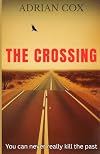
The Crossing
by Adrian Cox
On This Page
Description
Perth, 1977. Mary Patterson stands at the side of the road with her thumb out and a suitcase at her feet. She's leaving everything behind. A kind stranger offers her a ride across the Nullarbor. Adelaide is two thousand kilometres away. Far enough to start over. Far enough to be free. But freedom is a long, straight road with nowhere to hide. As the empty highway stretches endlessly before them, Mary begins to see things. Or remember things. The line between past and present blurs. And the show more man driving starts to look like someone else. Someone Mary has been running from her entire life. show lessTags
Member Reviews
I really loved this book until the end. I couldn't put it down, reading about psychotic and delusional Mary and getting inside her head, full of confused thoughts. Trapped in a world where only the wind and the birds could offer her peace and freedom. Was she delusional or evil? Were the people in her life helping or victimizing her? Was she a murderess? So it was a real page turner. But the ending felt totally unrealistic to me, contrived, rushed and quite a letdown; I expected better because up until the final twist, I devoured this book! Had I known how the author was going to wrap it up, I wouldn't have bothered reading it. Minus two full two stars for what was otherwise a five star read.
Lots of triggers for abuse and mental illness.
Lots of triggers for abuse and mental illness.
 This review was written for LibraryThing Early Reviewers.
The Crossing is a novella set along the Great Eastern Road that cuts across the Nullarbor Plain from Perth to Adelaide. It’s 1977, and Mary is travelling with David, who has just taken a new job with the Space Agency. But Mary is carrying the effects of a past trauma. Her memory comes and goes, and at times her perception of reality becomes distorted. She fears that the thing she is trying to escape from may somehow still be with her in the car. When David picks up a hitchhiker along the road, events begin to escalate.
I really enjoyed this book and the way the perspective alternates between Mary and David. Gradually, their backstory is revealed as the journey progresses. The writing is tight and controlled, and the narrative unfolds show more at a steady pace that keeps the reader engaged.
I do have two small criticisms. The first relates to a lost opportunity. The setting — the vast emptiness of the Nullarbor — is present in the story, but it sometimes feels more like an aside. The landscape’s remoteness and alienness might have been used more fully to heighten the tension and perhaps deepen the sense of uncertainty in Mary’s mind.
The second concerns a few plot details. At times the detective, Morrison, appears to know things about Mary and David’s journey that he could not reasonably know, and he seems remarkably quick to piece together events with relatively little information available to him.
That said, this is a very enjoyable and well-written novella.
I received this book as an Early Reviewers copy through LibraryThing in exchange for an independent review. show less
I really enjoyed this book and the way the perspective alternates between Mary and David. Gradually, their backstory is revealed as the journey progresses. The writing is tight and controlled, and the narrative unfolds show more at a steady pace that keeps the reader engaged.
I do have two small criticisms. The first relates to a lost opportunity. The setting — the vast emptiness of the Nullarbor — is present in the story, but it sometimes feels more like an aside. The landscape’s remoteness and alienness might have been used more fully to heighten the tension and perhaps deepen the sense of uncertainty in Mary’s mind.
The second concerns a few plot details. At times the detective, Morrison, appears to know things about Mary and David’s journey that he could not reasonably know, and he seems remarkably quick to piece together events with relatively little information available to him.
That said, this is a very enjoyable and well-written novella.
I received this book as an Early Reviewers copy through LibraryThing in exchange for an independent review. show less
This review was written for LibraryThing Early Reviewers.The Crossing is a novella set along the Great Eastern Road that cuts across the Nullarbor Plain from Perth to Adelaide. It’s 1977, and Mary is travelling with David, who has just taken a new job with the Space Agency. But Mary is carrying the effects of a past trauma. Her memory comes and goes, and at times her perception of reality becomes distorted. She fears that the thing she is trying to escape from may somehow still be with her in the car. When David picks up a hitchhiker along the road, events begin to escalate.
I really enjoyed this book and the way the perspective alternates between Mary and David. Gradually, their backstory is revealed as the journey progresses. The writing is tight and controlled, and the narrative unfolds show more at a steady pace that keeps the reader engaged.
I do have two small criticisms. The first relates to a lost opportunity. The setting — the vast emptiness of the Nullarbor — is present in the story, but it sometimes feels more like an aside. The landscape’s remoteness and alienness might have been used more fully to heighten the tension and perhaps deepen the sense of uncertainty in Mary’s mind.
The second concerns a few plot details. At times the detective, Morrison, appears to know things about Mary and David’s journey that he could not reasonably know, and he seems remarkably quick to piece together events with relatively little information available to him.
That said, this is a very enjoyable and well-written novella. show less
I really enjoyed this book and the way the perspective alternates between Mary and David. Gradually, their backstory is revealed as the journey progresses. The writing is tight and controlled, and the narrative unfolds show more at a steady pace that keeps the reader engaged.
I do have two small criticisms. The first relates to a lost opportunity. The setting — the vast emptiness of the Nullarbor — is present in the story, but it sometimes feels more like an aside. The landscape’s remoteness and alienness might have been used more fully to heighten the tension and perhaps deepen the sense of uncertainty in Mary’s mind.
The second concerns a few plot details. At times the detective, Morrison, appears to know things about Mary and David’s journey that he could not reasonably know, and he seems remarkably quick to piece together events with relatively little information available to him.
That said, this is a very enjoyable and well-written novella. show less
Het gegeven leek me leuk. Liftend de Nullabor over. En dan denk je iemand te kennen. Ik wilde het graag lezen, ook recenseren.
Dan begin je te lezen en zie je dat de hoofdstukken elke keer weer van perspectief wisselen. Haar verhaal, zijn verhaal. Ook dat heb ik eerder gelezen, kan best leuk zijn.
Dan blijkt mijn digitaal boek beschadigd. Een hoofdstuk zo goed als onleesbaar. Een stukje verderop nog een keer. Ik lees verder en heb niet het idee dat ik iets gemist heb. Slecht teken.
Ik durf niet te zeggen wat de intentie van de schrijver is. Moet het spannend zijn? Moet ik geraakt worden door het psychologisch spel, omdat ik nooit precies lees hoe het werkelijk gaat, de waarheid tussen de regels door moet lezen? Ik weet het echt niet.
Het show more lijkt me geen slecht boek, maar tegelijkertijd overtuigt het geen moment. Moord hier, doodslag daar, goed gesprek, korte lijntjes tussen justitie en zorg. Het lijkt mij veel te veel op een gedachtespinsel, toegegeven: een originele gedachte, dat meteen is uitgewerkt, maar waar geen redacteur aan te pas is gekomen. En dan een matig plot om het ineens af te sluiten.
Ik blijf zitten met vragen. Waarom speelt dit verhaal zich af van 1977 tot 1979, de tijd komt nergens in het verhaal terug? Waarom krijg ik een recensie-exemplaar dat kapot is? Hoe kan iemand in een zorginstelling worden vastgehouden zonder daadwerkelijke rechtsvervolging? Waarom heeft geen redacteur kritische vragen gesteld aan de schrijver? Waarom is dit een boekje van 141 bladzijden (in mijn E-boek zelfs minder), terwijl het verhaal veel meer potentie had en een volledige roman had kunnen worden? Waarom valt de tweede dode, die twist is toch volledig onlogisch? Wat was de functie van de eerste dode? Wat wil de schrijver dat ik geloof over de mogelijke verhouding tussen David en Mary?
Leuk experiment, nog geen boek.
Citaat: “'The body had been there for at least twenty-four hours in the heat. The face was swollen, discoloured. But worse was the trauma, the skull clearly fractured, one arm twisted at an impossible angle, the dark green jacket torn and stained with blood and seawater spray.'” (46/102) show less
Dan begin je te lezen en zie je dat de hoofdstukken elke keer weer van perspectief wisselen. Haar verhaal, zijn verhaal. Ook dat heb ik eerder gelezen, kan best leuk zijn.
Dan blijkt mijn digitaal boek beschadigd. Een hoofdstuk zo goed als onleesbaar. Een stukje verderop nog een keer. Ik lees verder en heb niet het idee dat ik iets gemist heb. Slecht teken.
Ik durf niet te zeggen wat de intentie van de schrijver is. Moet het spannend zijn? Moet ik geraakt worden door het psychologisch spel, omdat ik nooit precies lees hoe het werkelijk gaat, de waarheid tussen de regels door moet lezen? Ik weet het echt niet.
Het show more lijkt me geen slecht boek, maar tegelijkertijd overtuigt het geen moment. Moord hier, doodslag daar, goed gesprek, korte lijntjes tussen justitie en zorg. Het lijkt mij veel te veel op een gedachtespinsel, toegegeven: een originele gedachte, dat meteen is uitgewerkt, maar waar geen redacteur aan te pas is gekomen. En dan een matig plot om het ineens af te sluiten.
Ik blijf zitten met vragen. Waarom speelt dit verhaal zich af van 1977 tot 1979, de tijd komt nergens in het verhaal terug? Waarom krijg ik een recensie-exemplaar dat kapot is? Hoe kan iemand in een zorginstelling worden vastgehouden zonder daadwerkelijke rechtsvervolging? Waarom heeft geen redacteur kritische vragen gesteld aan de schrijver? Waarom is dit een boekje van 141 bladzijden (in mijn E-boek zelfs minder), terwijl het verhaal veel meer potentie had en een volledige roman had kunnen worden? Waarom valt de tweede dode, die twist is toch volledig onlogisch? Wat was de functie van de eerste dode? Wat wil de schrijver dat ik geloof over de mogelijke verhouding tussen David en Mary?
Leuk experiment, nog geen boek.
Citaat: “'The body had been there for at least twenty-four hours in the heat. The face was swollen, discoloured. But worse was the trauma, the skull clearly fractured, one arm twisted at an impossible angle, the dark green jacket torn and stained with blood and seawater spray.'” (46/102) show less
This review was written for LibraryThing Early Reviewers. Mar 14, 2026Dutch
Members
- Recently Added By
Author Information
4 Works 14 Members
Classifications
Statistics
- Members
- 7
- Popularity
- 2,735,255
- Reviews
- 4
- Rating
- (2.83)
- Languages
- English
- ISBNs
- 1