
A short story about a US-Iranian man on his morning commute to work. Lost in the sounds and smells of the twenty minute journey he reflects on how he met his wife and the relationship he has with their daughter and the fear he has that, like him, she’ll move away and never return to her home. It’s an enjoyable little piece of character introspection that needs to be read twice to get the most value from the writing.
The additional material that the author has bundled into the published form of the story seems excessive for a take that lasts ten pages. There is a suggested playlist provided as an experimental extension to the story. There are fourteen songs—for a ten page story. There are authors noted and discussion points, which made me feel like this was a publication to stimulate a discussion in a classroom. The author should trust his readers to understand what it's about rather than explaining it all at the end. We may come away with different meanings but the value remains the same.
These additions were unusual and conveyed to me that the author had invested a lot in his story. This is great to see, and Ali writes well. HIs description of a train passing through a Boston subway station was absolutely spot on, for example. I would encourage him to turn his hand to something longer form, which would suit his desire to do something different and stimulate a broader sensory experience for the reader (perhaps with the playlist at the beginning rather than the end, if show more he feels the work benefits from the music). show less
The additional material that the author has bundled into the published form of the story seems excessive for a take that lasts ten pages. There is a suggested playlist provided as an experimental extension to the story. There are fourteen songs—for a ten page story. There are authors noted and discussion points, which made me feel like this was a publication to stimulate a discussion in a classroom. The author should trust his readers to understand what it's about rather than explaining it all at the end. We may come away with different meanings but the value remains the same.
These additions were unusual and conveyed to me that the author had invested a lot in his story. This is great to see, and Ali writes well. HIs description of a train passing through a Boston subway station was absolutely spot on, for example. I would encourage him to turn his hand to something longer form, which would suit his desire to do something different and stimulate a broader sensory experience for the reader (perhaps with the playlist at the beginning rather than the end, if show more he feels the work benefits from the music). show less
 This review was written for LibraryThing Early Reviewers.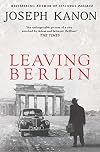
I suspect I may not read any more work by this author. I began with Los Alamos, a compelling novel I enjoyed immensely, and I also found much to admire in The Good German and The Prodigal Spy. But with this latest book, I’m starting to feel the pattern too clearly. Take a man who once lived in Berlin, remove him during the war, return him to the city in its aftermath, entangle him in East–West espionage, put him back in the same room with a former lover, and scatter in a handful of recognisable historical figures. That, at least, is how Leaving Berlin felt to me.
I also found it difficult to get into. The prose is dense, chapters very long, and the characters remain opaque and emotionally distant, offering little to hold onto or invest in. That isn’t to say it’s a bad novel — far from it. It is intelligent and carefully constructed. But it never quite compelled me forward. I didn’t find myself eager to pick it up, and when I did, it was often for no more than half a chapter at a time.
3.5 stars.
I also found it difficult to get into. The prose is dense, chapters very long, and the characters remain opaque and emotionally distant, offering little to hold onto or invest in. That isn’t to say it’s a bad novel — far from it. It is intelligent and carefully constructed. But it never quite compelled me forward. I didn’t find myself eager to pick it up, and when I did, it was often for no more than half a chapter at a time.
3.5 stars.
LIKe is a short novella in which we meet Andrii on the brink of his first registration on a social media site. From the moment he enters, he is mesmerised by the relentless flow of the feed. Yet he is not simply a passive consumer. Andrii stands slightly apart, observing and analysing, studying how the most effective and influential posters construct their presence before daring to compose his own opening statement.
I enjoyed the way the story elevates apparently mundane acts into moments of enormous personal significance. Small gestures —the way his fingers caress the screen, tentatively liking his first post, admiring a perfectly crafted phrase from an influencer— all are placed under the microscope and expanded until they carry real psychological weight. What might seem trivial from the outside becomes, for Andrii, charged with consequence and meaning.
On the downside, everything is charged and heavy with meaning. Minutiae have magnitude and the effect is intense and oppressive. When I was in the flow, I was gripped, but if I stepped out, I was unsure about reentering Andrii’s life as the narrative moved to the inevitable, the only possible, conclusion
LIKE is a clever premise, thoughtfully and convincingly executed.
This is an independent review of an ARC received via Library Thing.
I enjoyed the way the story elevates apparently mundane acts into moments of enormous personal significance. Small gestures —the way his fingers caress the screen, tentatively liking his first post, admiring a perfectly crafted phrase from an influencer— all are placed under the microscope and expanded until they carry real psychological weight. What might seem trivial from the outside becomes, for Andrii, charged with consequence and meaning.
On the downside, everything is charged and heavy with meaning. Minutiae have magnitude and the effect is intense and oppressive. When I was in the flow, I was gripped, but if I stepped out, I was unsure about reentering Andrii’s life as the narrative moved to the inevitable, the only possible, conclusion
LIKE is a clever premise, thoughtfully and convincingly executed.
This is an independent review of an ARC received via Library Thing.
This review was written for LibraryThing Early Reviewers.
The Crossing is a novella set along the Great Eastern Road that cuts across the Nullarbor Plain from Perth to Adelaide. It’s 1977, and Mary is travelling with David, who has just taken a new job with the Space Agency. But Mary is carrying the effects of a past trauma. Her memory comes and goes, and at times her perception of reality becomes distorted. She fears that the thing she is trying to escape from may somehow still be with her in the car. When David picks up a hitchhiker along the road, events begin to escalate.
I really enjoyed this book and the way the perspective alternates between Mary and David. Gradually, their backstory is revealed as the journey progresses. The writing is tight and controlled, and the narrative unfolds at a steady pace that keeps the reader engaged.
I do have two small criticisms. The first relates to a lost opportunity. The setting — the vast emptiness of the Nullarbor — is present in the story, but it sometimes feels more like an aside. The landscape’s remoteness and alienness might have been used more fully to heighten the tension and perhaps deepen the sense of uncertainty in Mary’s mind.
The second concerns a few plot details. At times the detective, Morrison, appears to know things about Mary and David’s journey that he could not reasonably know, and he seems remarkably quick to piece together events with relatively little information available to him.
That said, this is a very enjoyable and well-written novella.
I received show more this book as an Early Reviewers copy through LibraryThing in exchange for an independent review. show less
I really enjoyed this book and the way the perspective alternates between Mary and David. Gradually, their backstory is revealed as the journey progresses. The writing is tight and controlled, and the narrative unfolds at a steady pace that keeps the reader engaged.
I do have two small criticisms. The first relates to a lost opportunity. The setting — the vast emptiness of the Nullarbor — is present in the story, but it sometimes feels more like an aside. The landscape’s remoteness and alienness might have been used more fully to heighten the tension and perhaps deepen the sense of uncertainty in Mary’s mind.
The second concerns a few plot details. At times the detective, Morrison, appears to know things about Mary and David’s journey that he could not reasonably know, and he seems remarkably quick to piece together events with relatively little information available to him.
That said, this is a very enjoyable and well-written novella.
I received show more this book as an Early Reviewers copy through LibraryThing in exchange for an independent review. show less
This review was written for LibraryThing Early Reviewers.Exile by Denise Mina
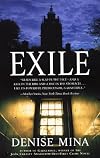
I can see why this book might not be for everyone. There’s a fair amount of Glasgow vernacular, more whisky is consumed than on a raucous Hogmanay—by one woman—and the atmosphere is unremittingly dark, grimy and threatening. There is no place to hide, no light relief, and no real hope for any of the characters.
But I loved it.
In Exile we rejoin Maureen and Leslie who, fresh from dealing with a nasty, murdering rapist in their own way, become involved in the search for Ann, a woman who had taken refuge in the Glasgow Place of Safety, a shelter for battered women. Ann has disappeared and everyone assumes her husband Jimmy is behind it. But when Ann turns up dead in the Thames, Maureen heads to London to look for answers.
This is exquisite writing, with well-drawn, brilliantly observed characters. It’s exactly the sort of book I love. Exile is the second book in Mina’s Garnethill trilogy. While the Alex Morrow books always left me eager to start the next instalment the moment I finished one, I feel the need to take Garnethill slowly. These novels are bruising. They require decompression at the end and time to appreciate what Mina has done.
I think that some people struggle with the fact that Maureen keeps on making really bad decisions which put herself at risk, missing the point that she is a completely broken person. She drinks to blank it out and when she drinks she chooses to do exactly the wrong thing. A lot of the time she doesn’t really care. It’s all so show more bleak that she simply wants to feel alive, to have the thrill and sensation of following the catastrophic path.
The details are breathtaking. Every scene is redolent with texture: the sights, the smells and the sounds of deprivation. Mina doesn’t need long descriptions. She can sketch a picture in three or four words and convey it perfectly. There are no unimportant characters. Everyone has a role that matters, and there’s clear movement along a longer narrative arc.
You can already sense that more trouble lies ahead for Maureen, as the shadows of her father and her mad, alcoholic mother loom behind the grimy net curtains that separate the reader from the next book: Resolution. show less
But I loved it.
In Exile we rejoin Maureen and Leslie who, fresh from dealing with a nasty, murdering rapist in their own way, become involved in the search for Ann, a woman who had taken refuge in the Glasgow Place of Safety, a shelter for battered women. Ann has disappeared and everyone assumes her husband Jimmy is behind it. But when Ann turns up dead in the Thames, Maureen heads to London to look for answers.
This is exquisite writing, with well-drawn, brilliantly observed characters. It’s exactly the sort of book I love. Exile is the second book in Mina’s Garnethill trilogy. While the Alex Morrow books always left me eager to start the next instalment the moment I finished one, I feel the need to take Garnethill slowly. These novels are bruising. They require decompression at the end and time to appreciate what Mina has done.
I think that some people struggle with the fact that Maureen keeps on making really bad decisions which put herself at risk, missing the point that she is a completely broken person. She drinks to blank it out and when she drinks she chooses to do exactly the wrong thing. A lot of the time she doesn’t really care. It’s all so show more bleak that she simply wants to feel alive, to have the thrill and sensation of following the catastrophic path.
The details are breathtaking. Every scene is redolent with texture: the sights, the smells and the sounds of deprivation. Mina doesn’t need long descriptions. She can sketch a picture in three or four words and convey it perfectly. There are no unimportant characters. Everyone has a role that matters, and there’s clear movement along a longer narrative arc.
You can already sense that more trouble lies ahead for Maureen, as the shadows of her father and her mad, alcoholic mother loom behind the grimy net curtains that separate the reader from the next book: Resolution. show less
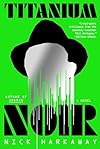
I don’t know what I really think of this book. Titanium Noir is a fusion of science fiction and crime, written in the style of Raymond Chandler. Instead of Philip Marlowe hustling and wise-cracking his way around the streets of Los Angeles, we have Cal Sounder in an unknown city of the near future, consulting for the police department in a case that focuses on the murder of a Titan; a giant human who has received treatment to extend life and introduce new vigour and with repeated treatments might expect to live for ever. But with each treatment they diverge further from human norms. There are only 8000 such people in the world and to become one requires either great wealth or great power.
Titanium Noir is a fairly short novel but I made heavy weather of it initially. There’s nobody to like here. Everyone feels dishonest and grubby and the world—or as much of it as we can see—is dangerous, grimy and joyless. Sounder and the Titans favour seedy bars, like Victor’s, which have the feel of a Berlin club from the Weimar Republic—hotbeds of vice and violence, where anything goes. Cal is a character who you can’t like and that means it’s hard to get a grip on who he is and what motivates him. We know that he has connections, at some point he has been involved with Stefan, the creator of the Titan treatment and the gatekeeper to the world it opens up. That gives him access which enables him to investigate the murder, but it’s not immediately obvious why and nor show more is it clear why the police can’t just do it themselves--though that's a question which is resolved late Rin the book.
I am all for books which cross or blur genres and applaud the author for attempting this one. The snappy dialogue and deadpan delivery are very Chandleresque and done well. It works for this dystopian future setting too. But I needed some light. Even Philip Marlowe usually got some time with the girl and experienced a bit of glamour, but Cal’s life is just grim. Dark, grimy and soulless, and that made this a bit of a slog. It is one of those books that you have to say are really well-written and clever but unfortunately not enjoyable. show less
Titanium Noir is a fairly short novel but I made heavy weather of it initially. There’s nobody to like here. Everyone feels dishonest and grubby and the world—or as much of it as we can see—is dangerous, grimy and joyless. Sounder and the Titans favour seedy bars, like Victor’s, which have the feel of a Berlin club from the Weimar Republic—hotbeds of vice and violence, where anything goes. Cal is a character who you can’t like and that means it’s hard to get a grip on who he is and what motivates him. We know that he has connections, at some point he has been involved with Stefan, the creator of the Titan treatment and the gatekeeper to the world it opens up. That gives him access which enables him to investigate the murder, but it’s not immediately obvious why and nor show more is it clear why the police can’t just do it themselves--though that's a question which is resolved late Rin the book.
I am all for books which cross or blur genres and applaud the author for attempting this one. The snappy dialogue and deadpan delivery are very Chandleresque and done well. It works for this dystopian future setting too. But I needed some light. Even Philip Marlowe usually got some time with the girl and experienced a bit of glamour, but Cal’s life is just grim. Dark, grimy and soulless, and that made this a bit of a slog. It is one of those books that you have to say are really well-written and clever but unfortunately not enjoyable. show less
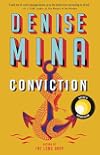
Denise Mina is best known for her gritty crime novels set in Glasgow. Her characters are hard-nosed, soaked in whisky, foul-mouthed, and take no prisoners. What Mina doesn’t do is silly.
And yet, here she has.
Conviction is a madcap book, packed with an improbable plot, outlandish characters, and any notion of realism cheerfully tossed aside. The protagonist is hiding her true identity to avoid being killed by hitmen hired by an unhinged billionaire. She teams up with an anorexic rock star who, improbably, turns out to be the husband of the woman her own husband has run off to Portugal with, taking her daughters. Together, they begin investigating a murder she first hears about on a true crime podcast, only to realise she knew one of the victims.
It’s all completely bonkers—before we even get to the Russian hitman on the train or the use of paprika crisps to engineer a miraculous escape.
And it’s enormous fun.
Mina’s writing still has its trademark precision: tight, sharp, and confident, shot through with humour, imagination, and telling detail. It may be a departure from her usual tone, but it’s an incredibly enjoyable one.
And yet, here she has.
Conviction is a madcap book, packed with an improbable plot, outlandish characters, and any notion of realism cheerfully tossed aside. The protagonist is hiding her true identity to avoid being killed by hitmen hired by an unhinged billionaire. She teams up with an anorexic rock star who, improbably, turns out to be the husband of the woman her own husband has run off to Portugal with, taking her daughters. Together, they begin investigating a murder she first hears about on a true crime podcast, only to realise she knew one of the victims.
It’s all completely bonkers—before we even get to the Russian hitman on the train or the use of paprika crisps to engineer a miraculous escape.
And it’s enormous fun.
Mina’s writing still has its trademark precision: tight, sharp, and confident, shot through with humour, imagination, and telling detail. It may be a departure from her usual tone, but it’s an incredibly enjoyable one.
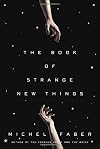
Peter and his wife Bea are evangelical Christians, so committed to their faith that Peter accepts a mission—in every sense—to travel to a distant world, Oasis, where the supremely strange, sentient inhabitants appear ready to be brought to God.
The Book of Strange New Things is an intriguing blend of religious exploration and first contact, anchored by the relationship between a married couple separated by unimaginable distance. At its core, it’s as much about faith and disconnection as it is about aliens.
I enjoyed the novel overall, but the first half felt overextended. Long stretches were devoted to the couple’s exchanged messages and Peter’s early impressions of Oasis. While these sections laid necessary groundwork, they lingered to the point of testing the reader’s patience, and at times I found myself tempted to skim. Compounding this is the challenge of Peter himself: he is not an especially likeable or accessible protagonist. Priggish, impractical and selfish. To Faber’s credit, however, he leans into this, shaping a reflective and deliberately distant narrative voice that suits the novel’s themes.
Somewhere in the middle, though, the book pivots. It’s difficult to pinpoint exactly where, but the story tightens its grip. I found myself pulled in, reading the second half far more quickly. Peter remains remote, yet my curiosity about his fate deepened. There is something quietly unsettling about the Oasans, and I began to anticipate a range of show more possible, uncomfortable outcomes for him.
At the same time, Bea’s messages take on greater urgency and emotional weight, as Earth appears to be unravelling while Peter becomes increasingly absorbed by the austere simplicity of Oasan life. That growing dissonance between collapse and calm, distance and devotion is where the novel finds its real power. show less
The Book of Strange New Things is an intriguing blend of religious exploration and first contact, anchored by the relationship between a married couple separated by unimaginable distance. At its core, it’s as much about faith and disconnection as it is about aliens.
I enjoyed the novel overall, but the first half felt overextended. Long stretches were devoted to the couple’s exchanged messages and Peter’s early impressions of Oasis. While these sections laid necessary groundwork, they lingered to the point of testing the reader’s patience, and at times I found myself tempted to skim. Compounding this is the challenge of Peter himself: he is not an especially likeable or accessible protagonist. Priggish, impractical and selfish. To Faber’s credit, however, he leans into this, shaping a reflective and deliberately distant narrative voice that suits the novel’s themes.
Somewhere in the middle, though, the book pivots. It’s difficult to pinpoint exactly where, but the story tightens its grip. I found myself pulled in, reading the second half far more quickly. Peter remains remote, yet my curiosity about his fate deepened. There is something quietly unsettling about the Oasans, and I began to anticipate a range of show more possible, uncomfortable outcomes for him.
At the same time, Bea’s messages take on greater urgency and emotional weight, as Earth appears to be unravelling while Peter becomes increasingly absorbed by the austere simplicity of Oasan life. That growing dissonance between collapse and calm, distance and devotion is where the novel finds its real power. show less
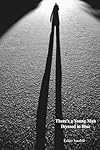
There’s a Young Man Dressed in Blue is a tale of two men: one a high-flying lawyer in Milan whose life revolves around mergers and takeovers, the other living alone on the Adriatic coast, where strange things are beginning to happen.
The novel is constructed in a deliberately challenging way. The author experiments with formatting and the perspective. The narrative shifts between first, second, and third person, and for a long time it is not clear how — or even if — the two strands will connect. For the first ten chapters or so I found myself a little adrift, unsure where the author was taking me. However, the (translated) language is rich and atmospheric, and it gradually casts a spell. The coastal chapters in particular are short and compelling, often tempting me to hurry past the lawyer’s more conventional (often quite dull) storyline in order to return to the far more intriguing events unfolding by the sea.
This is one of those novels that resists easy categorisation. It sits broadly within literary fiction, but draws in elements of the legal thriller and edges towards something more speculative. At times it is bewildering but it is also frequently captivating.. Some readers suggest it rewards a second reading to fully grasp the ending. I have no intention of doing so, if the thing isn’t understandable first time around, well then the story hasn’t worked. I did have the advantage of knowing the book’s reputation so I did keep my eyes open show more throughout—watching for hidden links between the two worlds.
The translation includes explanatory footnotes for certain Italian terms. I found these largely unnecessary: in most cases the meaning was clear from context, and where it was not, a quick check would suffice. If the intention was to preserve the Italian flavour, I would have preferred the text to stand without explanation.
Overall, I quite enjoyed There’s a Young Man Dressed in Blue. It is not always easy to read and could be frustrating, but it is often intriguing, and thought-provoking. The author has perhaps sacrificed readability for the sake of experimentation. The Milan section is repetitive and over-written. It's a deliberate contrast to the intrigue and vagueness in the Adriatic chapters. And when the mystery seemed to be resolved and was explained (way too early in the novel), it was a significant letdown. The final twist was not strong enough to make up for that, and that's why, for me, this was a 3-star rather than a 4-star read.
I received this book as an ARC through the LibraryThing Early Reviewers programme for March 2026. My review is independent and reflects my own views. show less
The novel is constructed in a deliberately challenging way. The author experiments with formatting and the perspective. The narrative shifts between first, second, and third person, and for a long time it is not clear how — or even if — the two strands will connect. For the first ten chapters or so I found myself a little adrift, unsure where the author was taking me. However, the (translated) language is rich and atmospheric, and it gradually casts a spell. The coastal chapters in particular are short and compelling, often tempting me to hurry past the lawyer’s more conventional (often quite dull) storyline in order to return to the far more intriguing events unfolding by the sea.
This is one of those novels that resists easy categorisation. It sits broadly within literary fiction, but draws in elements of the legal thriller and edges towards something more speculative. At times it is bewildering but it is also frequently captivating.. Some readers suggest it rewards a second reading to fully grasp the ending. I have no intention of doing so, if the thing isn’t understandable first time around, well then the story hasn’t worked. I did have the advantage of knowing the book’s reputation so I did keep my eyes open show more throughout—watching for hidden links between the two worlds.
The translation includes explanatory footnotes for certain Italian terms. I found these largely unnecessary: in most cases the meaning was clear from context, and where it was not, a quick check would suffice. If the intention was to preserve the Italian flavour, I would have preferred the text to stand without explanation.
Overall, I quite enjoyed There’s a Young Man Dressed in Blue. It is not always easy to read and could be frustrating, but it is often intriguing, and thought-provoking. The author has perhaps sacrificed readability for the sake of experimentation. The Milan section is repetitive and over-written. It's a deliberate contrast to the intrigue and vagueness in the Adriatic chapters. And when the mystery seemed to be resolved and was explained (way too early in the novel), it was a significant letdown. The final twist was not strong enough to make up for that, and that's why, for me, this was a 3-star rather than a 4-star read.
I received this book as an ARC through the LibraryThing Early Reviewers programme for March 2026. My review is independent and reflects my own views. show less

A Night of Strange Dreams is a collection of folklore-inspired short stories that takes familiar creatures from mythology—werewolves, trolls, banshees, unicorns—and places them in recognisable, often modern settings: a call centre, an Irish lough, a contemporary home. In many cases, the traditional roles are inverted, with the so-called “monsters” presented as victims of human cruelty. Humanity’s inability to coexist with them pushes these beings to the margins, where they are feared, exploited, or destroyed.
The collection maintains a steady sense of unease throughout. Russell avoids shock and spectacle, instead drawing horror from the situations themselves. One of the more effective examples involves Norwegian villagers who routinely weaken and torture a troll to keep themselves safe—an idea that is both unsettling and morally complex. The strength of the book lies in these concepts, particularly when the supernatural is treated as something practical or exploitable rather than mysterious. This is more than a simple retelling of folklore, although the opening story (featuring a werewolf and Gold Rush prospectors shooting the breeze around a camp fire) does lean closer to familiar territory before the collection finds its footing.
However, the brevity of many of the stories works against them. Several feel as though they only scratch the surface of ideas that could have had greater impact if given more space. Characters, in particular, can come across as show more vehicles for the concept rather than fully realised individuals, which limits emotional engagement. The Ride Home is a good example: an intriguing premise involving inherited powers, but populated by characters who feel too thinly drawn to fully invest in.
The consistent tone is both a strength and a drawback. The bleak, subdued atmosphere gives the collection a clear identity, but it also causes the stories to blur together over time. This is not a book to read straight through; it benefits from being dipped into gradually. At times, the tonal consistency even creates the impression of a shared world or recurring cast, despite the stories being largely unconnected.
Overall, this is a thoughtful and quietly effective collection with a strong conceptual core. While it doesn’t always achieve the emotional depth its ideas deserve, it remains an engaging and coherent take on darker folklore.
This is my independent review of a Library Thing Early Reviewers ARC. With thanks to the author. show less
The collection maintains a steady sense of unease throughout. Russell avoids shock and spectacle, instead drawing horror from the situations themselves. One of the more effective examples involves Norwegian villagers who routinely weaken and torture a troll to keep themselves safe—an idea that is both unsettling and morally complex. The strength of the book lies in these concepts, particularly when the supernatural is treated as something practical or exploitable rather than mysterious. This is more than a simple retelling of folklore, although the opening story (featuring a werewolf and Gold Rush prospectors shooting the breeze around a camp fire) does lean closer to familiar territory before the collection finds its footing.
However, the brevity of many of the stories works against them. Several feel as though they only scratch the surface of ideas that could have had greater impact if given more space. Characters, in particular, can come across as show more vehicles for the concept rather than fully realised individuals, which limits emotional engagement. The Ride Home is a good example: an intriguing premise involving inherited powers, but populated by characters who feel too thinly drawn to fully invest in.
The consistent tone is both a strength and a drawback. The bleak, subdued atmosphere gives the collection a clear identity, but it also causes the stories to blur together over time. This is not a book to read straight through; it benefits from being dipped into gradually. At times, the tonal consistency even creates the impression of a shared world or recurring cast, despite the stories being largely unconnected.
Overall, this is a thoughtful and quietly effective collection with a strong conceptual core. While it doesn’t always achieve the emotional depth its ideas deserve, it remains an engaging and coherent take on darker folklore.
This is my independent review of a Library Thing Early Reviewers ARC. With thanks to the author. show less
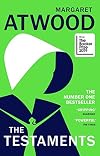
I haven’t read anything by Margaret Atwood for quite a long time, and I was actually a little nervous about starting this one. Undoubtedly she is one of the greats, and there are high expectations whenever I pick up her work. In that respect, The Testaments does not disappoint. Atwood remains thought-provoking, clever, horrifying and, at times, sharply witty.
And yet—was this book a good idea? And could it have been motivated by the success of the TV adaptation of the first volume?
The Handmaid’s Tale ended exactly where it needed to. Its power lay partly in what it withheld: the uncertainty, the lack of resolution, the sense that Gilead might endure or collapse beyond the reader’s reach. The Testaments, by contrast, charts the fall of that world from three perspectives, offering answers where once there were only questions. In doing so, it takes something away. The reader is no longer left to imagine how such a society might stand or fall. The Testaments closes down that imaginative space. In a way that Atwood almost never does, she provides a definitive account with no ambiguity. And The Testaments lacked tension or any strong sense of menace. The events it described were terrible and shocking but delivered quite coldly and without passion.
The final chapter which provided a historian's account of the fall of Gilead and the roles of Nicole, Agnes and Aunt Lydia really disappointed me. Since when did Margaret Atwood need to explain anything?
I find myself in an odd show more position. This is a good novel—intelligent, gripping, and unmistakably Atwood. And yet I can’t quite escape the feeling that it is a book we didn’t need. show less
And yet—was this book a good idea? And could it have been motivated by the success of the TV adaptation of the first volume?
The Handmaid’s Tale ended exactly where it needed to. Its power lay partly in what it withheld: the uncertainty, the lack of resolution, the sense that Gilead might endure or collapse beyond the reader’s reach. The Testaments, by contrast, charts the fall of that world from three perspectives, offering answers where once there were only questions. In doing so, it takes something away. The reader is no longer left to imagine how such a society might stand or fall. The Testaments closes down that imaginative space. In a way that Atwood almost never does, she provides a definitive account with no ambiguity. And The Testaments lacked tension or any strong sense of menace. The events it described were terrible and shocking but delivered quite coldly and without passion.
The final chapter which provided a historian's account of the fall of Gilead and the roles of Nicole, Agnes and Aunt Lydia really disappointed me. Since when did Margaret Atwood need to explain anything?
I find myself in an odd show more position. This is a good novel—intelligent, gripping, and unmistakably Atwood. And yet I can’t quite escape the feeling that it is a book we didn’t need. show less
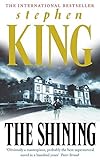
A third or fourth read of The Shining, which remains my favourite of Stephen King’s novels and the basis of my favourite adaptation of his work. Kubrick's movie is an incredible piece of work, but does not fully do justice to the novel. Written early in his career, it avoids the flabbiness and lack of restraint that mark some of his later books, instead building tension with patience and control.
The Overlook in winter is the perfect setting for this tale of ghosts and evil stirring in the mountains. The horror is expertly layered, beginning with Danny’s profound sense of unease, the fractures in Jack and Wendy’s marriage, and the misgivings of Hallorann. The supernatural intrudes gently at first, then with increasing force, building steadily to the novel’s fiery conclusion.
Even on a reread, The Shining remains disturbing and quietly, persistently creepy.
The Overlook in winter is the perfect setting for this tale of ghosts and evil stirring in the mountains. The horror is expertly layered, beginning with Danny’s profound sense of unease, the fractures in Jack and Wendy’s marriage, and the misgivings of Hallorann. The supernatural intrudes gently at first, then with increasing force, building steadily to the novel’s fiery conclusion.
Even on a reread, The Shining remains disturbing and quietly, persistently creepy.
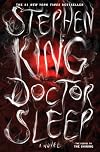
I’d read this book before but decided to read it again after finishing The Shining last week. I thought it would be interesting to read them together. That close contrast was so revealing. Whilst The Shining is a superb piece of skilful horror writing, Doctor Sleep is King at his worst. Flabby, self-indulgent and in need of a hard edit.
What I like about The Shining is the tightness of it. Tension and fear are built up in layers, each new episode ratcheting up the stakes and the improbability, until by the end of the novel when the full evil of the Overlook is unleashed, the reader is spellbound. Later period King, freed of the constraint of having to persuade a publisher that he’s worth it, rambles for page after page about background stuff and forgets about the story. You could skip big chunks of Doctor Sleep and miss absolutely nothing.
In The Shining, the Overlook hotel itself is the seat of evil and the ghostly denizens are merely tools of that evil, trying to ensnare Danny to boost its power. Doctor Sleep introduces a new evil in the form of the True Knot. This was a good concept, but poorly delivered. They were too folksy and two-dimensional to evince any real emotion. It was impossible for me to accept that a gang of child-killers could drive around in a mass convoy of RVs without ever attracting attention or suspicion. The delivery of this important element of the story was a misfire. Flabby King at work again.
The novel struggles to justify its own show more existence.Was it a second chapter of the Overlook story, or was it a completion of Danny’s arc? If the former, it was poorly done. If the latter, I struggle to understand the need. It is arguable whether Danny was the main character in The Shining. An important character yes, but no more prominent than Jack or Wendy. As he was five years old and lacking insight I could see no need to complete his story. And the alcoholic self-indulgent wallowing… so boring and unnecessary. show less
What I like about The Shining is the tightness of it. Tension and fear are built up in layers, each new episode ratcheting up the stakes and the improbability, until by the end of the novel when the full evil of the Overlook is unleashed, the reader is spellbound. Later period King, freed of the constraint of having to persuade a publisher that he’s worth it, rambles for page after page about background stuff and forgets about the story. You could skip big chunks of Doctor Sleep and miss absolutely nothing.
In The Shining, the Overlook hotel itself is the seat of evil and the ghostly denizens are merely tools of that evil, trying to ensnare Danny to boost its power. Doctor Sleep introduces a new evil in the form of the True Knot. This was a good concept, but poorly delivered. They were too folksy and two-dimensional to evince any real emotion. It was impossible for me to accept that a gang of child-killers could drive around in a mass convoy of RVs without ever attracting attention or suspicion. The delivery of this important element of the story was a misfire. Flabby King at work again.
The novel struggles to justify its own show more existence.Was it a second chapter of the Overlook story, or was it a completion of Danny’s arc? If the former, it was poorly done. If the latter, I struggle to understand the need. It is arguable whether Danny was the main character in The Shining. An important character yes, but no more prominent than Jack or Wendy. As he was five years old and lacking insight I could see no need to complete his story. And the alcoholic self-indulgent wallowing… so boring and unnecessary. show less
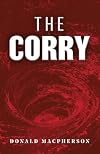
The Corry is a thriller about Jane, an ex-military thirty-something who stumbles into a job with a company offering a no-questions-asked courier and freight service; one that improbably serves both the British government and elements of the underworld.
There are some interesting ideas here, and the premise, while outlandish, has the potential to be entertaining. Jane is presented as a capable and confident protagonist, and it’s always welcome to see a female lead who is defined by her competence rather than stereotypes.
However, I found it difficult to fully engage with the story. Jane’s character development feels rushed: she lacks depth beyond a heroic backstory and moves very quickly from being unemployed and desperate enough to accept a job with almost no information, to immediately taking control of situations with a high level of expertise. For example, early scenes see her arriving at an unfamiliar, high-risk environment and reacting with extreme confidence and technical knowledge that hasn’t yet been established. And the next thing we know she turns out to have been a special forces officer (in which case why is she doing this job?). The high octane revelations make it harder to suspend disbelief and invest in her journey.
What’s good about The Corry is the pace and the sense of high-stakes adventure, but the story is too rushed. These ideas would be more effective in a longer form that establishes Jane and Jim as characters and enables them to build a show more genuine rapport with established competence in their abilities. The book would also benefit from further editing. There are noticeable typos and formatting issues, and some of the dialogue feels stiff, which affects the overall flow of the narrative. A more polished pass could help bring the story’s stronger ideas to the fore.
While this didn’t work for me, others who enjoy fast-paced, high-concept thrillers may find something to enjoy here. I read this as part of a LibraryThing Early Reviewer giveaway, and this review reflects my honest impressions based on the portion I completed. show less
There are some interesting ideas here, and the premise, while outlandish, has the potential to be entertaining. Jane is presented as a capable and confident protagonist, and it’s always welcome to see a female lead who is defined by her competence rather than stereotypes.
However, I found it difficult to fully engage with the story. Jane’s character development feels rushed: she lacks depth beyond a heroic backstory and moves very quickly from being unemployed and desperate enough to accept a job with almost no information, to immediately taking control of situations with a high level of expertise. For example, early scenes see her arriving at an unfamiliar, high-risk environment and reacting with extreme confidence and technical knowledge that hasn’t yet been established. And the next thing we know she turns out to have been a special forces officer (in which case why is she doing this job?). The high octane revelations make it harder to suspend disbelief and invest in her journey.
What’s good about The Corry is the pace and the sense of high-stakes adventure, but the story is too rushed. These ideas would be more effective in a longer form that establishes Jane and Jim as characters and enables them to build a show more genuine rapport with established competence in their abilities. The book would also benefit from further editing. There are noticeable typos and formatting issues, and some of the dialogue feels stiff, which affects the overall flow of the narrative. A more polished pass could help bring the story’s stronger ideas to the fore.
While this didn’t work for me, others who enjoy fast-paced, high-concept thrillers may find something to enjoy here. I read this as part of a LibraryThing Early Reviewer giveaway, and this review reflects my honest impressions based on the portion I completed. show less
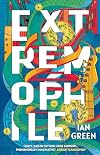
I came to Extremophile expecting something dense and idea-driven - biopunk body hackers in a post climate apocalypse world— and on that level it certainly delivered. This is a novel packed with striking concepts and grotesque speculative imagination. The high pace at which mad ideas are introduced, things which are alien to us but apparently normal for this world 40 years hence, made me think of Charles Stross’s Accelerando. Like that book, it rattles along at a high conceptual pitch and isn’t afraid to throw the reader in at the deep end. It seemed to me that Green did this better than Stross.
The novel takes a long time to come to the boil. A hundred pages in, it felt as though we are in the extended opening act, following Charlie, Parker and Zoot as they move through a vividly realised but often unfocused world. Plenty happens—often extreme and violent, frequently inventive—but it rarely feels as though it is building towards anything in particular. The result is a sense of drift: episodes accumulate, but without a strong narrative spine to give them weight or direction. And what a tiring, depressing world these people live in. Where is the down-time, the pleasure and the love? Without those things I don’t understand why any of the protagonists want to go on living. And how is society holding together in any coherent sense with all that is going on?
That lack of narrative structure is compounded by issues of internal logic. Not in the sense of scientific show more plausibility—this is clearly not a novel aiming for hard realism as it’s all absolutely bonkers—but in the more basic matter of time and consequence. Events that should take days, weeks or longer appear to unfold almost instantaneously, without explanation or even acknowledgement. This kind of compression threw me more than the outlandish ideas themselves, because it suggests a lack of narrative control from the author.
Stylistically, the absence of quotation marks adds another layer of irritation. It felt like an unnecessary complication in a book that was already demanding a great deal from the reader. Dialogue, which might otherwise provide moments of clarity and rhythm, instead required additional effort to identify and understand. As if the plot wasn’t hard enough to follow…
None of this is to say the novel lacks merit and on balance I liked it (though didn’t enjoy it). There are great ideas here and readers with a taste for extreme, concept-heavy science fiction may find plenty to engage with. But for all its inventiveness, it never quite develops the momentum or coherence needed to turn those ideas into something compelling. Instead, it often feels like a series of provocative fragments rather than a fully integrated whole. I had to have a break after every chapter and force myself back into it, rather than feeling excited and wanting to keep going. 3.5/5 show less
The novel takes a long time to come to the boil. A hundred pages in, it felt as though we are in the extended opening act, following Charlie, Parker and Zoot as they move through a vividly realised but often unfocused world. Plenty happens—often extreme and violent, frequently inventive—but it rarely feels as though it is building towards anything in particular. The result is a sense of drift: episodes accumulate, but without a strong narrative spine to give them weight or direction. And what a tiring, depressing world these people live in. Where is the down-time, the pleasure and the love? Without those things I don’t understand why any of the protagonists want to go on living. And how is society holding together in any coherent sense with all that is going on?
That lack of narrative structure is compounded by issues of internal logic. Not in the sense of scientific show more plausibility—this is clearly not a novel aiming for hard realism as it’s all absolutely bonkers—but in the more basic matter of time and consequence. Events that should take days, weeks or longer appear to unfold almost instantaneously, without explanation or even acknowledgement. This kind of compression threw me more than the outlandish ideas themselves, because it suggests a lack of narrative control from the author.
Stylistically, the absence of quotation marks adds another layer of irritation. It felt like an unnecessary complication in a book that was already demanding a great deal from the reader. Dialogue, which might otherwise provide moments of clarity and rhythm, instead required additional effort to identify and understand. As if the plot wasn’t hard enough to follow…
None of this is to say the novel lacks merit and on balance I liked it (though didn’t enjoy it). There are great ideas here and readers with a taste for extreme, concept-heavy science fiction may find plenty to engage with. But for all its inventiveness, it never quite develops the momentum or coherence needed to turn those ideas into something compelling. Instead, it often feels like a series of provocative fragments rather than a fully integrated whole. I had to have a break after every chapter and force myself back into it, rather than feeling excited and wanting to keep going. 3.5/5 show less
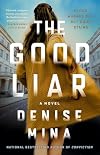
Something different from Denise Mina. In the Good Liar we leave behind the grittiness of Glasgow and characters for whom swearing and drinking are like breathing, and enter the world of the privileged set.
Forensic blood spatter expert Claudia has recently been widowed. Still angry, hurt and confused by what might be her husband’s suicide, she becomes involved in the analysis of the murder of an earl and his wife, who are linked through boarding school to the set her husband moved in.
Fast forward a year and Claudia is about to torpedo the conviction of the killer and every case that she ever worked on.
I enjoyed this procedural thriller. It was a different style to Mina’s usual work but was a compelling plot, engagingly and skilfully written. It took a while to warm to Claudia and I found the other characters, Philip, Charles and co to be thoroughly obnoxious, which meant it was tricky to fully embrace the world in which they all moved. However, the nature of the plot and the way it was laid out ensured that the pages kept turning.
I enjoyed this procedural thriller. It was a different style to Mina’s usual work but was a compelling plot, engagingly and skilfully written. It took a while to warm to Claudia and I found the other characters, Philip, Charles and co to be thoroughly obnoxious, which meant it was tricky to fully embrace the world in which they all moved. However, the nature of the plot and the way it was laid out ensured that the pages kept turning.
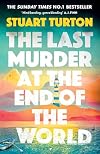
A fascinating concept. Humanity has been reduced to an island population of just 122, guarded by an omniscient security system following the destruction of almost all life on Earth by a mysterious and deadly fog. One of the three elders, the only survivors from before the disaster is murdered and unless their killer can be found, the fog will roll in and destroy everything. I guess this pus the book into future dystopian territory, but the islanders are happy folk, who love their elders, accept the constraints on their life and ask no questions as they serve their community.
On the whole this book was well-written, skilfully plotted and engaging. The characters all had very distinct voices and personalities and were mostly richly drawn and rounded, though I felt Emory and her capacity to observe and interpret in a Holmesian style was a bit hackneyed. I found the beginning a little confusing, but that was fine. The underlying concept is difficult and complex and without extensive lectures, such as the lesson delivered by Niema to the children (which would be very dull), the reader needs to pull things together for themself. In places there were lapses in logic or flow of the plot which stalled the momentum for a little while, but these were minor issues.
There was something about the book that didn't quite click for me. I thought the ending was strong but the last quarter leading in to it felt overly explaining and somehow not worthy of a good plot. It's hard to put my show more finger on it, but I think it comes down to the character of Emory, whose role is critical, but who felt hollow.
The Last Murder is a clever work of high-stake mystery in an imaginative setting, which doesn't entirely satisfy, hence 3.5 stars. show less
On the whole this book was well-written, skilfully plotted and engaging. The characters all had very distinct voices and personalities and were mostly richly drawn and rounded, though I felt Emory and her capacity to observe and interpret in a Holmesian style was a bit hackneyed. I found the beginning a little confusing, but that was fine. The underlying concept is difficult and complex and without extensive lectures, such as the lesson delivered by Niema to the children (which would be very dull), the reader needs to pull things together for themself. In places there were lapses in logic or flow of the plot which stalled the momentum for a little while, but these were minor issues.
There was something about the book that didn't quite click for me. I thought the ending was strong but the last quarter leading in to it felt overly explaining and somehow not worthy of a good plot. It's hard to put my show more finger on it, but I think it comes down to the character of Emory, whose role is critical, but who felt hollow.
The Last Murder is a clever work of high-stake mystery in an imaginative setting, which doesn't entirely satisfy, hence 3.5 stars. show less
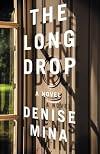
The Long Drop is Denise Mina’s fictionalised account of the final months of serial killer Peter Manuel and his trial in late-1950s Scotland. Manuel murdered at least seven people and was among the last men to be hanged in the country.
As you’d expect from Mina, Glasgow looms large, and the city here feels anything but nostalgic. This is a hard, unforgiving place: sawdust-strewn bars, spittoons in the corners, and drinkers as ready to fight as they are to order another round of half and half. And they drink relentlessly — then drive.
At the centre is a long, uneasy pub crawl between Manuel and William Watt, whose wife and child are among the victims. Watt, once a prime suspect himself, is trying to piece together the truth while the police show little interest in looking beyond him. Manuel, meanwhile, has already revealed enough to a lawyer to make his guilt all but certain.
The prose is spare and brutal. Mina shifts between the trial and the earlier encounters between Watt and Manuel; the structure can occasionally be disorienting, but it adds to the sense of unease. Similarly the text sometimes drifts away from the action in the court room into authorial testimony without any explanation. For example, while Watt is testifying against Manuel in court, Mina drops in comments about him not following the pre-agreed course that the advocate was expecting, and then being triumphant at delivering the agreed sentence precisely. In the midst of this, she states explicitly how show more common it is to see in court transcripts that witnesses ask lawyers if now is the time to say what they agreed. Interesting as this was, it pulled me out of the story and the mingling of Mina and Watts voices was unsettling. These gripes aside, the novel is gripping. I found it difficult to put down and easy to devour in a handful of sittings.
It’s an unremittingly bleak read, populated by deeply unlikeable characters, yet Mina’s control and her blending of fact (presumably court transcripts) with imagined scenes make it compelling throughout. show less
As you’d expect from Mina, Glasgow looms large, and the city here feels anything but nostalgic. This is a hard, unforgiving place: sawdust-strewn bars, spittoons in the corners, and drinkers as ready to fight as they are to order another round of half and half. And they drink relentlessly — then drive.
At the centre is a long, uneasy pub crawl between Manuel and William Watt, whose wife and child are among the victims. Watt, once a prime suspect himself, is trying to piece together the truth while the police show little interest in looking beyond him. Manuel, meanwhile, has already revealed enough to a lawyer to make his guilt all but certain.
The prose is spare and brutal. Mina shifts between the trial and the earlier encounters between Watt and Manuel; the structure can occasionally be disorienting, but it adds to the sense of unease. Similarly the text sometimes drifts away from the action in the court room into authorial testimony without any explanation. For example, while Watt is testifying against Manuel in court, Mina drops in comments about him not following the pre-agreed course that the advocate was expecting, and then being triumphant at delivering the agreed sentence precisely. In the midst of this, she states explicitly how show more common it is to see in court transcripts that witnesses ask lawyers if now is the time to say what they agreed. Interesting as this was, it pulled me out of the story and the mingling of Mina and Watts voices was unsettling. These gripes aside, the novel is gripping. I found it difficult to put down and easy to devour in a handful of sittings.
It’s an unremittingly bleak read, populated by deeply unlikeable characters, yet Mina’s control and her blending of fact (presumably court transcripts) with imagined scenes make it compelling throughout. show less

This was an unexpected treat.
A series of characters converge on a quiet stretch of beach. Three boys on bikes, a pair of East European men out fishing, four youngsters hanging out together, a woman hiding away from a disaster that’s derailed her life, a man who is planning to drown himself, a photographer and a couple whose lives are adapting to approaching retirement. And once there, they just are there, all immersed in their own thoughts and stories, barely aware of each other.
West Shore is a quiet, atmospheric novel that leans heavily on mood rather than plot. It explores memory, isolation, and the subtle influence of place, using a restrained, understated style that leaves most things unsaid. The setting is a character in its own right and dominates the mood. The lack of narrative progress barely matters. You want to know what Timmy is really up to, why Maisie and her friends will never do this again and what Stasys needs to tell Bartosz, but it’s not imperative. You’re content to let it happen when the author is good and ready. Because this is good.
The writing is controlled and evocative, but the slow pace and emotional distance will definitely frustrate readers looking for stronger narrative momentum or clearer resolution.Personally I loved the ambiguity and introspection and devoured it in a few sessions.
The ending is a bit too tidy after the build up, but I liked it; a pleasant glow.
Thank you to the author for the ARC via Library Thing Early Reviewers.
A series of characters converge on a quiet stretch of beach. Three boys on bikes, a pair of East European men out fishing, four youngsters hanging out together, a woman hiding away from a disaster that’s derailed her life, a man who is planning to drown himself, a photographer and a couple whose lives are adapting to approaching retirement. And once there, they just are there, all immersed in their own thoughts and stories, barely aware of each other.
West Shore is a quiet, atmospheric novel that leans heavily on mood rather than plot. It explores memory, isolation, and the subtle influence of place, using a restrained, understated style that leaves most things unsaid. The setting is a character in its own right and dominates the mood. The lack of narrative progress barely matters. You want to know what Timmy is really up to, why Maisie and her friends will never do this again and what Stasys needs to tell Bartosz, but it’s not imperative. You’re content to let it happen when the author is good and ready. Because this is good.
The writing is controlled and evocative, but the slow pace and emotional distance will definitely frustrate readers looking for stronger narrative momentum or clearer resolution.Personally I loved the ambiguity and introspection and devoured it in a few sessions.
The ending is a bit too tidy after the build up, but I liked it; a pleasant glow.
Thank you to the author for the ARC via Library Thing Early Reviewers.
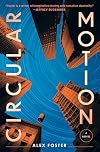
Alex Foster’s Circular Motion begins with a brilliant premise that promises quiet devastation of the world—a creeping increase in the speed at which the Earth spins, which if unchecked will destroy everything. The cause is the new pod system that allows global travel and the single company that controls it, wants to hide the truth about contracting day length. This is fertile ground for a novel about institutional inertia and the human decisions that enable and promote it. At its best, the book delivers flashes of brilliance and imagination. But those moments are intermittent, and the novel struggles to sustain their impact. The excitement is drowned by mundanity.
A large part of the problem lies with its central perspective. Tanner, who occupies much of the narrative space, is an oddly weightless presence. He provides a view of the unfolding crisis, yet he rarely sharpens or complicates what we see. He just gets on with his own trivial life, or if he does react to events that demand a stronger moral or intellectual engagement, he does so rather limply. The result is a curious flattening effect: scenes that should build tension instead lose momentum as they pass through him. Some key scenes are entirely flat and their significance is lost. Winnie is more distinct, but she too feels constrained by the novel’s design. Her actions and decisions sometimes appear as representatives of a protest movement rather than as the natural actions of a young girl. Both figures show more function less as drivers of the story than as conduits for it, and that limits the emotional and dramatic range of the narrative. With such dull central characters, an exciting and intriguing concept is nullified. By the time the planet is spinning so fast that a day lasts 3 hours, the narrative focuses on Tanner’s relationship break-up.
The figures at the heart of the problem, people like Bickle and Grant make cameo appearances and almost always seen through the lens of Tanner. Where they enter the story, the novel hints at a story of compromise, self-justification, and competing pressures. These characters remain frustratingly distant and sketchy. This distance also affects the book’s allegorical dimension. The parallels to climate change — the slow accumulation of warning signs, the role of vested interests, the fatal consequences of delaying action are clear enough, too obvious in fact and rather ineffectual.
Circular Motion doesn’t fail entirely. Foster writes with restraint and has a great and engaging central concept to drive it. Often pace was lost. There are long sections with no dialogue at all. Huge paragraphs of explanatory or descriptive text didn’t move the story forward. There were elements introduced for no apparent reason, which again stole momentum, such as the typo that resulted in Winnie’s family having to live with Wwlliams as their surname. The whole Tanner-Miguel relationship was largely irrelevant.
As it stands, Circular Motion is an intriguing but uneven work. Readable but rather disappointing. show less
A large part of the problem lies with its central perspective. Tanner, who occupies much of the narrative space, is an oddly weightless presence. He provides a view of the unfolding crisis, yet he rarely sharpens or complicates what we see. He just gets on with his own trivial life, or if he does react to events that demand a stronger moral or intellectual engagement, he does so rather limply. The result is a curious flattening effect: scenes that should build tension instead lose momentum as they pass through him. Some key scenes are entirely flat and their significance is lost. Winnie is more distinct, but she too feels constrained by the novel’s design. Her actions and decisions sometimes appear as representatives of a protest movement rather than as the natural actions of a young girl. Both figures show more function less as drivers of the story than as conduits for it, and that limits the emotional and dramatic range of the narrative. With such dull central characters, an exciting and intriguing concept is nullified. By the time the planet is spinning so fast that a day lasts 3 hours, the narrative focuses on Tanner’s relationship break-up.
The figures at the heart of the problem, people like Bickle and Grant make cameo appearances and almost always seen through the lens of Tanner. Where they enter the story, the novel hints at a story of compromise, self-justification, and competing pressures. These characters remain frustratingly distant and sketchy. This distance also affects the book’s allegorical dimension. The parallels to climate change — the slow accumulation of warning signs, the role of vested interests, the fatal consequences of delaying action are clear enough, too obvious in fact and rather ineffectual.
Circular Motion doesn’t fail entirely. Foster writes with restraint and has a great and engaging central concept to drive it. Often pace was lost. There are long sections with no dialogue at all. Huge paragraphs of explanatory or descriptive text didn’t move the story forward. There were elements introduced for no apparent reason, which again stole momentum, such as the typo that resulted in Winnie’s family having to live with Wwlliams as their surname. The whole Tanner-Miguel relationship was largely irrelevant.
As it stands, Circular Motion is an intriguing but uneven work. Readable but rather disappointing. show less
This novella has an interesting premise, but I found the execution frustrating. The narrative frequently loses momentum due to repeated internal digressions, including conversations with a deceased partner and diary fragments, which often restate rather than develop key ideas. Abrupt shifts of point of view confused me.
At this length, the story would benefit from tighter focus. In 174 pages there is little scope for tangential issues. As it stands, the balance between introspection and forward movement isn’t right, and the central investigation—particularly the involvement of FBI profilers—seemed disproportionate to the scale of the crime.
I received a copy of this through Library Thing’s Early Reviewers. My review is my independent opinion.
At this length, the story would benefit from tighter focus. In 174 pages there is little scope for tangential issues. As it stands, the balance between introspection and forward movement isn’t right, and the central investigation—particularly the involvement of FBI profilers—seemed disproportionate to the scale of the crime.
I received a copy of this through Library Thing’s Early Reviewers. My review is my independent opinion.
Set in the mid 1980s this coming of age book is an excellent book and, for me, very nostalgic. Scott and Jodie, a pair of teenagers who don’r really fit in with their peers, are terrified that the world will end in nuclear war. Their friendship grows as they make plans for what they will do when the apocalypse comes.
The characters are deep and well-developed, the prose measured and skilfully written. There are themes and tones here that are reminiscent of David Mitchell’s Black Swan Green, but the nuclear themes and the shadows in Scott and Jodie’s pasts give The Glass Field a darker edge.
My independent review is of a giveaway from Library Thing’s Early Reviewers.
The characters are deep and well-developed, the prose measured and skilfully written. There are themes and tones here that are reminiscent of David Mitchell’s Black Swan Green, but the nuclear themes and the shadows in Scott and Jodie’s pasts give The Glass Field a darker edge.
My independent review is of a giveaway from Library Thing’s Early Reviewers.
DNF after 50 pages.
This was an interesting concept which had potential. Fifteen people wake up next to a crashed spaceship on an alien world, all in bodies which are not their own. Great start. But the execution was very poor. The writing style was not to my taste, the dialogue wooden, gratuitous sex, unnecessary conflict and a lack of imagination. These people were on a new world, but all I knew for sure was that there were tree dwelling starfish and the grass was like matting.
I didn't have the energy to continue.
This was an interesting concept which had potential. Fifteen people wake up next to a crashed spaceship on an alien world, all in bodies which are not their own. Great start. But the execution was very poor. The writing style was not to my taste, the dialogue wooden, gratuitous sex, unnecessary conflict and a lack of imagination. These people were on a new world, but all I knew for sure was that there were tree dwelling starfish and the grass was like matting.
I didn't have the energy to continue.
Charlie Stross’s The Jennifer Morgue is the second entry in the The Laundry Files, a series which went on for far too long and somehow managed to jump the shark despite already being about computational demonology, Lovecraftian horrors and undead civil servants. On first reading I loved this book. Returning to it years later, I am rather less convinced.
The premise remains excellent. Bob Howard, weary IT specialist turned occult field agent crippled by the rules and regulations of the civil service, is dispatched to the Caribbean on a mission for the Laundry, hopelessly underprepared and only partially briefed, in order to prevent the end of human civilisation. The novel openly riffs on Ian Fleming’s Bond books, with Bob cast as the antithesis of Bond: anxious, bureaucratic, physically unimpressive, equipped with the worst car in the world. and constantly aware that he is out of his depth against a villain more deadly than anything imagined by Fleming.
The first time I read the novel, the Bond pastiche carried me along completely. On a second reading, though, it feels less clever and less substantial than I remembered. Much of the humour depends on callbacks to the first book, while long stretches of exposition bury the reader under layers of occult-technological gobbledegook which are amusing in small doses but exhausting in large ones. Stross is clearly having tremendous fun with the jargon, but the book tends to mistake density for wit.
What still works extremely well show more is the emotional core. The real strength of the early Laundry novels is the relationship between Bob and Mo, which gives the absurdity some grounding humanity. Here that relationship is placed under strain by Bob’s involvement with Ramona, a seductive agent tied to the creatures beneath the sea and carrying more than a hint of Bond-girl parody. The tension between Bob’s love for Mo and his enforced and possibly lethal relationship with Ramona gives the novel stakes beyond its genre homage.
I did still enjoy the book. Stross writes action well, some of the jokes still land, and the central conceit of bureaucratic Lovecraftian espionage remains inspired. But rereading The Jennifer Morgue after the novelty has faded exposes some weaknesses that I either missed or ignored the first time around. It is a clever book more than a deep one, and perhaps one whose greatest strength lies in the freshness of its initial impact. Whereas before I devoured it in chunks, this time the read was more laboured. show less
The premise remains excellent. Bob Howard, weary IT specialist turned occult field agent crippled by the rules and regulations of the civil service, is dispatched to the Caribbean on a mission for the Laundry, hopelessly underprepared and only partially briefed, in order to prevent the end of human civilisation. The novel openly riffs on Ian Fleming’s Bond books, with Bob cast as the antithesis of Bond: anxious, bureaucratic, physically unimpressive, equipped with the worst car in the world. and constantly aware that he is out of his depth against a villain more deadly than anything imagined by Fleming.
The first time I read the novel, the Bond pastiche carried me along completely. On a second reading, though, it feels less clever and less substantial than I remembered. Much of the humour depends on callbacks to the first book, while long stretches of exposition bury the reader under layers of occult-technological gobbledegook which are amusing in small doses but exhausting in large ones. Stross is clearly having tremendous fun with the jargon, but the book tends to mistake density for wit.
What still works extremely well show more is the emotional core. The real strength of the early Laundry novels is the relationship between Bob and Mo, which gives the absurdity some grounding humanity. Here that relationship is placed under strain by Bob’s involvement with Ramona, a seductive agent tied to the creatures beneath the sea and carrying more than a hint of Bond-girl parody. The tension between Bob’s love for Mo and his enforced and possibly lethal relationship with Ramona gives the novel stakes beyond its genre homage.
I did still enjoy the book. Stross writes action well, some of the jokes still land, and the central conceit of bureaucratic Lovecraftian espionage remains inspired. But rereading The Jennifer Morgue after the novelty has faded exposes some weaknesses that I either missed or ignored the first time around. It is a clever book more than a deep one, and perhaps one whose greatest strength lies in the freshness of its initial impact. Whereas before I devoured it in chunks, this time the read was more laboured. show less
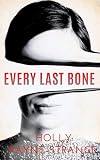
I came close to abandoning this book when I was about 15% of the way through it. Initially, I found nobody and nothing to like in the narrative. The lead character, Clem, is a horrible woman, and not simply because of her deplorable actions — scamming vulnerable people to fund her lifestyle — but because of her pathological need to be liked. That bothered me more than anything else. I’ve spent more than enough time in the orbit of toxic narcissists, and the prospect of seeing the world through the eyes of such a person had little appeal for me.
I also had the strong impression that I was going to spend the entire novel watching a car skid slowly towards a wall, and that the inevitable crash would do little to make me feel any more sympathetic towards Clem.
I stuck with it, though, and found that it improved considerably once the narration switched from Clem to Victoria. However, I still struggled with the improbability of the plot. I never fully believed Victoria would behave the way she did. If Clem were my sister, I’d simply stay out of her reach rather than submit myself to the whole process.
There is nothing wrong with the writing itself. Payne-Strange writes well, and the characters are clearly drawn and convincingly developed. I just didn’t enjoy spending time with them, and ultimately I couldn’t get past that.
There are also some jarring elements. This is a US author writing about events in England, and at times she doesn’t quite get the details right. At show more one point Clem has just scammed someone out of more than a hundred thousand dollars, yet only a few pages later she is apparently skint again. Victoria’s university experience also shows little understanding of how a PhD is actually funded and completed in the UK. There's confusion between parole and bail. Those details pulled me out of the story.
Perhaps this simply wasn’t the right book for me, but it undoubtedly has strengths and will likely find an appreciative audience. show less
I also had the strong impression that I was going to spend the entire novel watching a car skid slowly towards a wall, and that the inevitable crash would do little to make me feel any more sympathetic towards Clem.
I stuck with it, though, and found that it improved considerably once the narration switched from Clem to Victoria. However, I still struggled with the improbability of the plot. I never fully believed Victoria would behave the way she did. If Clem were my sister, I’d simply stay out of her reach rather than submit myself to the whole process.
There is nothing wrong with the writing itself. Payne-Strange writes well, and the characters are clearly drawn and convincingly developed. I just didn’t enjoy spending time with them, and ultimately I couldn’t get past that.
There are also some jarring elements. This is a US author writing about events in England, and at times she doesn’t quite get the details right. At show more one point Clem has just scammed someone out of more than a hundred thousand dollars, yet only a few pages later she is apparently skint again. Victoria’s university experience also shows little understanding of how a PhD is actually funded and completed in the UK. There's confusion between parole and bail. Those details pulled me out of the story.
Perhaps this simply wasn’t the right book for me, but it undoubtedly has strengths and will likely find an appreciative audience. show less
Set in the mid 1980s this coming of age book is an excellent book and, for me, very nostalgic. Scott and Jodie, a pair of teenagers who don’r really fit in with their peers, are terrified that the world will end in nuclear war. Their friendship grows as they make plans for what they will do when the apocalypse comes.
The characters are deep and well-developed, the prose measured and skilfully written. There are themes and tones here that are reminiscent of David Mitchell’s Black Swan Green, but the nuclear themes and the shadows in Scott and Jodie’s pasts give The Glass Field a darker edge.
My independent review is of a giveaway from Library Thing’s Early Reviewers.
The characters are deep and well-developed, the prose measured and skilfully written. There are themes and tones here that are reminiscent of David Mitchell’s Black Swan Green, but the nuclear themes and the shadows in Scott and Jodie’s pasts give The Glass Field a darker edge.
My independent review is of a giveaway from Library Thing’s Early Reviewers.
This review was written for LibraryThing Early Reviewers.
This novella has an interesting premise, but I found the execution frustrating. The narrative frequently loses momentum due to repeated internal digressions, including conversations with a deceased partner and diary fragments, which often restate rather than develop key ideas. Abrupt shifts of point of view confused me.
At this length, the story would benefit from tighter focus. In 174 pages there is little scope for tangential issues. As it stands, the balance between introspection and forward movement isn’t right, and the central investigation—particularly the involvement of FBI profilers—seemed disproportionate to the scale of the crime.
At this length, the story would benefit from tighter focus. In 174 pages there is little scope for tangential issues. As it stands, the balance between introspection and forward movement isn’t right, and the central investigation—particularly the involvement of FBI profilers—seemed disproportionate to the scale of the crime.
This review was written for LibraryThing Early Reviewers.This was an unexpected treat.
A series of characters converge on a quiet stretch of beach. Three boys on bikes, a pair of East European men out fishing, four youngsters hanging out together, a woman hiding away from a disaster that’s derailed her life, a man who is planning to drown himself, a photographer and a couple whose lives are adapting to approaching retirement. And once there, they just are there, all immersed in their own thoughts and stories, barely aware of each other.
West Shore is a quiet, atmospheric novel that leans heavily on mood rather than plot. It explores memory, isolation, and the subtle influence of place, using a restrained, understated style that leaves most things unsaid. The setting is a character in its own right and dominates the mood. The lack of narrative progress barely matters. You want to know what Timmy is really up to, why Maisie and her friends will never do this again and what Stasys needs to tell Bartosz, but it’s not imperative. You’re content to let it happen when the author is good and ready. Because this is good.
The writing is controlled and evocative, but the slow pace and emotional distance will definitely frustrate readers looking for stronger narrative momentum or clearer resolution.Personally I loved the ambiguity and introspection and devoured it in a few sessions.
The ending is a bit too tidy after the build up, but I liked it; a pleasant glow.
Thank you to the author for the ARC via Library Thing Early Reviewers.
A series of characters converge on a quiet stretch of beach. Three boys on bikes, a pair of East European men out fishing, four youngsters hanging out together, a woman hiding away from a disaster that’s derailed her life, a man who is planning to drown himself, a photographer and a couple whose lives are adapting to approaching retirement. And once there, they just are there, all immersed in their own thoughts and stories, barely aware of each other.
West Shore is a quiet, atmospheric novel that leans heavily on mood rather than plot. It explores memory, isolation, and the subtle influence of place, using a restrained, understated style that leaves most things unsaid. The setting is a character in its own right and dominates the mood. The lack of narrative progress barely matters. You want to know what Timmy is really up to, why Maisie and her friends will never do this again and what Stasys needs to tell Bartosz, but it’s not imperative. You’re content to let it happen when the author is good and ready. Because this is good.
The writing is controlled and evocative, but the slow pace and emotional distance will definitely frustrate readers looking for stronger narrative momentum or clearer resolution.Personally I loved the ambiguity and introspection and devoured it in a few sessions.
The ending is a bit too tidy after the build up, but I liked it; a pleasant glow.
Thank you to the author for the ARC via Library Thing Early Reviewers.
This review was written for LibraryThing Early Reviewers.
Once Upon a Wintry Krampusnacht is an atmospheric and unsettling story that uses the Austrian tradition of Krampusnacht to explore childhood fear, memory, and ambiguity. One of the strengths of this very short novella is the sense of place, which is vivid and convincing. The key action at the Krampusnacht festival is handled with restraint, allowing unease to build naturally. Mia’s perspective feels authentic, and the decision to keep the supernatural elements ambiguous works well.
Where the piece could grow is in sharpening its emotional and narrative impact. At times the pacing lingers on description without advancing stakes. A shorter, tighter version without extraneous detail would be a stronger story. Mia’s internal arc remains somewhat understated, which softens the ending’s impact. The narrative voice needs to be stronger given that the story treads a fine line between the horrific and the absurd.
I enjoyed reading this short piece. It was a good concept, but not quite there on execution.
Thank you for the Library Thing Early Reviewers copy of this book.
Where the piece could grow is in sharpening its emotional and narrative impact. At times the pacing lingers on description without advancing stakes. A shorter, tighter version without extraneous detail would be a stronger story. Mia’s internal arc remains somewhat understated, which softens the ending’s impact. The narrative voice needs to be stronger given that the story treads a fine line between the horrific and the absurd.
I enjoyed reading this short piece. It was a good concept, but not quite there on execution.
Thank you for the Library Thing Early Reviewers copy of this book.
This review was written for LibraryThing Early Reviewers.The Corry is a thriller about Jane, an ex-military thirty-something who stumbles into a job with a company offering a no-questions-asked courier and freight service; one that improbably serves both the British government and elements of the underworld.
There are some interesting ideas here, and the premise, while outlandish, has the potential to be entertaining. Jane is presented as a capable and confident protagonist, and it’s always welcome to see a female lead who is defined by her competence rather than stereotypes.
However, I found it difficult to fully engage with the story. Jane’s character development feels rushed: she lacks depth beyond a heroic backstory and moves very quickly from being unemployed and desperate enough to accept a job with almost no information, to immediately taking control of situations with a high level of expertise. For example, early scenes see her arriving at an unfamiliar, high-risk environment and reacting with extreme confidence and technical knowledge that hasn’t yet been established. And the next thing we know she turns out to have been a special forces officer (in which case why is she doing this job?). The high octane revelations make it harder to suspend disbelief and invest in her journey.
What’s good about The Corry is the pace and the sense of high-stakes adventure, but the story is too rushed. These ideas would be more effective in a longer form that establishes Jane and Jim as characters and enables them to build a show more genuine rapport with established competence in their abilities. The book would also benefit from further editing. There are noticeable typos and formatting issues, and some of the dialogue feels stiff, which affects the overall flow of the narrative. A more polished pass could help bring the story’s stronger ideas to the fore.
While this didn’t work for me, others who enjoy fast-paced, high-concept thrillers may find something to enjoy here. I read this as part of a LibraryThing Early Reviewer giveaway, and this review reflects my honest impressions based on the portion I completed. show less
There are some interesting ideas here, and the premise, while outlandish, has the potential to be entertaining. Jane is presented as a capable and confident protagonist, and it’s always welcome to see a female lead who is defined by her competence rather than stereotypes.
However, I found it difficult to fully engage with the story. Jane’s character development feels rushed: she lacks depth beyond a heroic backstory and moves very quickly from being unemployed and desperate enough to accept a job with almost no information, to immediately taking control of situations with a high level of expertise. For example, early scenes see her arriving at an unfamiliar, high-risk environment and reacting with extreme confidence and technical knowledge that hasn’t yet been established. And the next thing we know she turns out to have been a special forces officer (in which case why is she doing this job?). The high octane revelations make it harder to suspend disbelief and invest in her journey.
What’s good about The Corry is the pace and the sense of high-stakes adventure, but the story is too rushed. These ideas would be more effective in a longer form that establishes Jane and Jim as characters and enables them to build a show more genuine rapport with established competence in their abilities. The book would also benefit from further editing. There are noticeable typos and formatting issues, and some of the dialogue feels stiff, which affects the overall flow of the narrative. A more polished pass could help bring the story’s stronger ideas to the fore.
While this didn’t work for me, others who enjoy fast-paced, high-concept thrillers may find something to enjoy here. I read this as part of a LibraryThing Early Reviewer giveaway, and this review reflects my honest impressions based on the portion I completed. show less
This review was written for LibraryThing Early Reviewers.