On This Page
Description
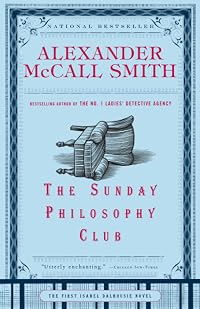
ISABEL DALHOUSIE - Book 1Nothing captures the charm of Edinburgh like the bestselling Isabel Dalhousie series of novels featuring the insatiably curious philosopher and woman detective. Whether investigating a case or a problem of philosophy, the indefatigable Isabel Dalhousie, one of fiction’s most richly developed amateur detectives, is always ready to pursue the answers to all of life’s questions, large and small.
In this first installment, Isabel is attending a concert in the show more Usher Hall when she witnesses a man fall from the upper balcony. Isabel can’t help wondering whether it was the result of mischance or mischief. Against the best advice of her no-nonsense housekeeper Grace, her bassoon playing friend Jamie, and even her romantically challenged niece Cat, she is morally bound to solve this case. Complete with wonderful Edinburgh atmosphere and characters straight out of a Robert Burns poem, The Sunday Philosophy Club is a delightful treat from one of our most beloved authors.
. show less
Tags
Recommendations








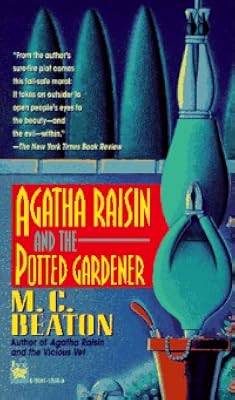


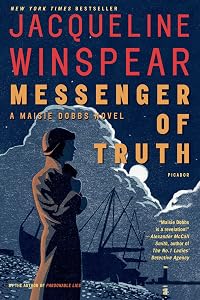
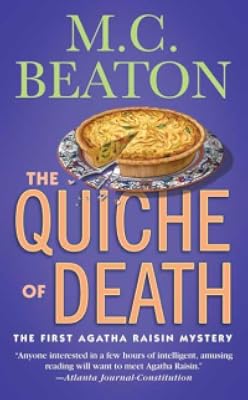
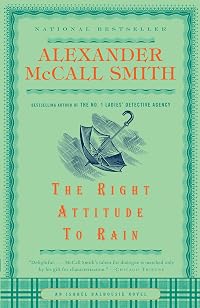













Member Recommendations
Member Reviews
The main character Isabel sees a young man fall to his death from the balcony (the gods) in a concert hall and she decides it must be murder. Isabel also is editor of an ethics journal. So she philosophizes herself to get to the bottom of this situation in the most clumsy, hypocritical manner. She irritated the living daylights out of me, studying the moral and ethical issues involving prit-near everything, until I realized that’s the point! She’s the foil to herself! And that’s why I decided to keep reading the series.
Isabel Dalhousie is the editor of the Review of Applied Ethics, a part-time role that satisfies her continuing interest in moral philosophy. Her life is also filled with opportunities to ponder the moral niceties. Should she intrude upon her niece’s relationship with a man of whom she disapproves? When, if ever, is lying permissible? What is the relationship between courtesy and morality? And what, if anything, does one owe to a dead man? Especially if you are probably the last person to see him alive as he fell past you from the seats at the very top of Usher Hall.
Isabel is a thoroughly enjoyable conduit for these musings. She is diffident yet brave. She pieces out her responsibilities and then acts, wisely or not, with verve. She show more isn’t always correct in the conclusions she reaches, but she revises her opinions promptly as new information comes to light. And, I admit it, I’ve got a soft spot for those who can weave real philosophical opinions and insights into their literature. Well done!
I’d gladly recommend this book and look forward to the next in the series. show less
Isabel is a thoroughly enjoyable conduit for these musings. She is diffident yet brave. She pieces out her responsibilities and then acts, wisely or not, with verve. She show more isn’t always correct in the conclusions she reaches, but she revises her opinions promptly as new information comes to light. And, I admit it, I’ve got a soft spot for those who can weave real philosophical opinions and insights into their literature. Well done!
I’d gladly recommend this book and look forward to the next in the series. show less
I first encountered this story as an audio book as I was driving cross-country and was charmed by it. Isabelle Dalhousie is a Scottish philosophy journal editor who occasionally meddles. You've got to be in the mood for a slow, peaceful pace, however, although the accent of the Scottish reader adds a great deal to the presentation. enjoable, and reminds me a little of Jill Patton Walsh's Imogen Quy.
A quick read, The Sunday Philosophy Club centres on Isabel Dalhousie, a middle-aged, independently Scottish philosopher who is the accidental witness to a death which she believes was actually a murder. This is very much in the cosy mystery genre, perhaps even more so trending into the light comedy of manners, though McCall Smith isn't quite good enough a writer to really do justice to the kind of character he's created here. Isabel is a busybody and a bit of a sanctimonious prig, and for someone who has (I presume) a PhD in philosophy her musings on the topic are more than a bit trite. A little more acid in the pen McCall Smith could have made her truly fascinating rather than a bit of an irritating busybody.
For me, though, the oddest show more failing of the book was how anachronistic it all seemed. This was published in 2004, and the mention of the Internet and of Isabel having been at university in the late 1970s seem to indicate that it's set in the early 2000s. Yet take out those references, and I would have been far more inclined to believe it set in the 1950s and for Isabel to be Miss Marple's age. I tried and failed to picture her in a pair of jeans and a t-shirt—she seems the kind of character who was born wearing tweeds and a pair of sensible brogues. At one point I half expected her to clasp her hands in amazement at the thought of twenty-somethings meeting without chaperones. O tempora, o mores.
(Also, it's not my field, but I'm pretty sure that's not how editing a philosophy journal works.) show less
For me, though, the oddest show more failing of the book was how anachronistic it all seemed. This was published in 2004, and the mention of the Internet and of Isabel having been at university in the late 1970s seem to indicate that it's set in the early 2000s. Yet take out those references, and I would have been far more inclined to believe it set in the 1950s and for Isabel to be Miss Marple's age. I tried and failed to picture her in a pair of jeans and a t-shirt—she seems the kind of character who was born wearing tweeds and a pair of sensible brogues. At one point I half expected her to clasp her hands in amazement at the thought of twenty-somethings meeting without chaperones. O tempora, o mores.
(Also, it's not my field, but I'm pretty sure that's not how editing a philosophy journal works.) show less
To read my full review, please visit my blog at http://bodyonthefloor.blogspot.com/2015/01/the-sunday-philosophy-club-isabel.htm...
The Sunday Philosophy Club was an absolutely delightful read. Its protagonist, Isabel Dalhousie, is a wealthy Scottish woman who edits an academic philosophy review. Dalhousie is independent and enjoys her life unapologetically, which is a refreshing change from most female protagonists, with the possible exception of Maisie Dobbs. Isabel enjoys doing her morning crossword puzzles, her relationship with her niece and mulling over the philosophical and ethical quandaries presented by everyday life. And, naturally, sticking her nose where it doesn't belong, which is how she becomes embroiled in a mystery.
In show more this case, Isabel watches as a young man who attended a concert she was at falls to his death from the gods of the auditorium. As the man falls (is pushed?) Isabel ever so briefly catches a glimpse of his face and is haunted by the experience. She almost successfully pushes it from her mind, but ultimately decides, through pretty sound philosophical reasoning, she has a moral obligation to discover what really happened.
In addition to creating a refreshingly different protagonist, McCall's writing is clean and pleasant. His narrative style evokes the British cozy genre, or in this case, a Scottish cozy. The dialogue is very well done and flows naturally, adding to the depth of the characters instead of simply moving the plot along.
The mystery itself was intriguing, though not gripping. It acts more as a fulcrum for the characters and setting, but personally I was fine with that. Since it’s a character driven book in the best of ways, there isn’t a ton of action in this book but a lot of introspection. The book was, I admit with some chagrin, also far smarter than I ever would of thought, sprinkled with references from avante garde composers to even modern philosophers.
Finally, there is a very high-brow, sharp wit peppered throughout the book that caused me to give an unexpected guffaw on more than one occasion while reading. I enjoyed learning about Scottland and the idea of approaching life from a primarily philosophical perspective. Even the ending was philosophical, a feat for which I give a mental hat tip to McCall Smith.
The snob in me considers this a “guilty pleasure” read, but the I-just-love-to-read part of me (you know, the other 99.8 percent) can’t wait to get the next installment.
So if you’re looking for a what-happens-next read, this isn’t for you. But if you like people and are fascinated by the quietly eccentric among them, hurry to the bookstore or library now. You’re going to want to meet Isabel. show less
The Sunday Philosophy Club was an absolutely delightful read. Its protagonist, Isabel Dalhousie, is a wealthy Scottish woman who edits an academic philosophy review. Dalhousie is independent and enjoys her life unapologetically, which is a refreshing change from most female protagonists, with the possible exception of Maisie Dobbs. Isabel enjoys doing her morning crossword puzzles, her relationship with her niece and mulling over the philosophical and ethical quandaries presented by everyday life. And, naturally, sticking her nose where it doesn't belong, which is how she becomes embroiled in a mystery.
In show more this case, Isabel watches as a young man who attended a concert she was at falls to his death from the gods of the auditorium. As the man falls (is pushed?) Isabel ever so briefly catches a glimpse of his face and is haunted by the experience. She almost successfully pushes it from her mind, but ultimately decides, through pretty sound philosophical reasoning, she has a moral obligation to discover what really happened.
In addition to creating a refreshingly different protagonist, McCall's writing is clean and pleasant. His narrative style evokes the British cozy genre, or in this case, a Scottish cozy. The dialogue is very well done and flows naturally, adding to the depth of the characters instead of simply moving the plot along.
The mystery itself was intriguing, though not gripping. It acts more as a fulcrum for the characters and setting, but personally I was fine with that. Since it’s a character driven book in the best of ways, there isn’t a ton of action in this book but a lot of introspection. The book was, I admit with some chagrin, also far smarter than I ever would of thought, sprinkled with references from avante garde composers to even modern philosophers.
Finally, there is a very high-brow, sharp wit peppered throughout the book that caused me to give an unexpected guffaw on more than one occasion while reading. I enjoyed learning about Scottland and the idea of approaching life from a primarily philosophical perspective. Even the ending was philosophical, a feat for which I give a mental hat tip to McCall Smith.
The snob in me considers this a “guilty pleasure” read, but the I-just-love-to-read part of me (you know, the other 99.8 percent) can’t wait to get the next installment.
So if you’re looking for a what-happens-next read, this isn’t for you. But if you like people and are fascinated by the quietly eccentric among them, hurry to the bookstore or library now. You’re going to want to meet Isabel. show less
Isabel Dalhousie, editor of the Review of Applied Ethics, has trouble keeping her nose where it belongs. When she witnesses a young man's tragic death, she becomes convinced that she has a moral responsibility to figure out what went down.
This was a lovely, lovely book. I was pleasantly surprised at how much McCall Smith's style differs between this series and his popular No. 1 Ladies' Detective Agency books. Some of the dialogue is similar, and the two series certainly share some preoccupations, (also: sidekicks named Grace), but the whole feel is different. I'd say this book read like a mix of Stuart McClean and Agatha Christie. I enjoyed it very much.
The mystery is decent, but it's not what kept me reading. I got a huge kick out of show more Isabel and her friends. I wanted to spend more time with them. I loved their philosophical conundrums and their tangled relationships. I was so, so glad to learn that there are actually five more books in the series. I'd thought there were only two or three more. Horray for more of Isabel, Cat, Jaime and Grace!
(On a side note, I was amazed to learn that most people hate Isabel. They figure she's an annoying busybody. Huh. I mean, I guess she is, but she's a rather charming annoying busybody, so far as I'm concerned. I'd love to read an issue of her journal, too).
There was one really weird thing that threw me off, though. Most of the book is from Isabel's third person POV, and she often imagines what those around her are thinking... but every once in a while, McCall Smith shifts to someone else's POV without any sort of discernible break. It took me a while to realize that these were, in fact, multiple POVs and not just Isabel's imaginings.
Overall, though, this was excellent. I most definitely recommend it, and am looking forward to sharing it with both my mother and my grandmother.
(A slightly different version of this review originally appeared on my blog, Stella Matutina). show less
This was a lovely, lovely book. I was pleasantly surprised at how much McCall Smith's style differs between this series and his popular No. 1 Ladies' Detective Agency books. Some of the dialogue is similar, and the two series certainly share some preoccupations, (also: sidekicks named Grace), but the whole feel is different. I'd say this book read like a mix of Stuart McClean and Agatha Christie. I enjoyed it very much.
The mystery is decent, but it's not what kept me reading. I got a huge kick out of show more Isabel and her friends. I wanted to spend more time with them. I loved their philosophical conundrums and their tangled relationships. I was so, so glad to learn that there are actually five more books in the series. I'd thought there were only two or three more. Horray for more of Isabel, Cat, Jaime and Grace!
(On a side note, I was amazed to learn that most people hate Isabel. They figure she's an annoying busybody. Huh. I mean, I guess she is, but she's a rather charming annoying busybody, so far as I'm concerned. I'd love to read an issue of her journal, too).
There was one really weird thing that threw me off, though. Most of the book is from Isabel's third person POV, and she often imagines what those around her are thinking... but every once in a while, McCall Smith shifts to someone else's POV without any sort of discernible break. It took me a while to realize that these were, in fact, multiple POVs and not just Isabel's imaginings.
Overall, though, this was excellent. I most definitely recommend it, and am looking forward to sharing it with both my mother and my grandmother.
(A slightly different version of this review originally appeared on my blog, Stella Matutina). show less
Isabel Dalhousie, the fortyish editor of the Review of Applied Ethics, lives comfortably in Edinburgh in a house filled with art. She's got a morning room that looks out onto the garden; there's even a fox in the garden. Her mornings are spent with coffee and crosswords, followed by philosophical musings and a few hours of work (she lives on an inheritance, and her editorial work is more a labor of love than a living).
As The Sunday Philosophy Club opens, Isabel is at the symphony, having gone to see the Reykjavik Symphony perform. As she mingles afterward she is horrified to see a young man plummet past her from the nosebleed seats--the gods, as they are poetically known--to his death below. An accident, or something more sinister? Try show more as Isabel might, she can't get it out of her mind, and is driven to pursue the mystery.
The Sunday Philosophy Club is slow-moving, sweet, introspective, and gently humorous. As much time is spent inside Isabel's head as she turns over ethical issues--to tell a friend of a cheating spouse or not, one's responsibility to tell the truth to a stranger, the place of the white lie in civil society, and the like--as is spent chasing down the answer to the question of the death that starts it all off. The description is rich (I was ready to pack my bags and books and move to Edinburgh), as are the characterizations. Best of all is Isabel herself, whose inner life is deep and thoughtful, but who also lusts, much against her better judgment, for the much younger Jamie (who, in addition to being much younger, is also the ex-boyfriend of Isabel's niece and closest friend, Cat). show less
As The Sunday Philosophy Club opens, Isabel is at the symphony, having gone to see the Reykjavik Symphony perform. As she mingles afterward she is horrified to see a young man plummet past her from the nosebleed seats--the gods, as they are poetically known--to his death below. An accident, or something more sinister? Try show more as Isabel might, she can't get it out of her mind, and is driven to pursue the mystery.
The Sunday Philosophy Club is slow-moving, sweet, introspective, and gently humorous. As much time is spent inside Isabel's head as she turns over ethical issues--to tell a friend of a cheating spouse or not, one's responsibility to tell the truth to a stranger, the place of the white lie in civil society, and the like--as is spent chasing down the answer to the question of the death that starts it all off. The description is rich (I was ready to pack my bags and books and move to Edinburgh), as are the characterizations. Best of all is Isabel herself, whose inner life is deep and thoughtful, but who also lusts, much against her better judgment, for the much younger Jamie (who, in addition to being much younger, is also the ex-boyfriend of Isabel's niece and closest friend, Cat). show less
Members
- Recently Added By
Published Reviews
ThingScore 75
Her penchant for conducting moral arguments with herself is well-developed, but it can be less than riveting for the reader. Why does Isabel find herself drawn into the affairs of others? Is it because there is some moral imperative leading her to do so? Is it because man has an obligation to his fellow man? (Or is it because ladies who like to investigate crimes can be ladies who sell many, show more many books?)
...this book is a clear demonstration of Mr. McCall Smith's own philosophy: that there is wisdom in inviting readers into a world of kindness, gentility and creature comforts. Offer the literary equivalent of herbal tea and a cozy fire. They'll come back for more. show less
...this book is a clear demonstration of Mr. McCall Smith's own philosophy: that there is wisdom in inviting readers into a world of kindness, gentility and creature comforts. Offer the literary equivalent of herbal tea and a cozy fire. They'll come back for more. show less
added by TQSI
Lists

Crime and Mysteries to Read
746 works; 31 members

Books Set in Scotland
21 works; 5 members

Detective Stories
343 works; 5 members

Stories set in The British Isles
51 works; 1 member

Makes Me Want to Eat (or Drink)
39 works; 12 members

Most Popular Books Tagged Scotland
35 works; 2 members

Biggest Disappointments
606 works; 168 members
Author Information

313+ Works 125,534 Members
Alexander McCall Smith was born on August 24, 1948 in Zimbabwe. He was a professor of medical law at the University of Edinburgh, but he left in 2005 to focus on his writing. He has written over 60 books, including specialist academic titles including Forensic Aspects of Sleep and The Criminal Law of Botswana, short story collections including show more Portuguese Irregular Verbs, and children's books including The Perfect Hamburger. He is best known for the No. 1 Ladies' Detective Agency series. He also writes the Corduroy Mansions, Isabel Dalhousie and 44 Scotland Street series. He has received numerous awards, including The Crime Writers' Association Dagger in the Library Award and the 2004 United Kingdom's Author of the Year Award. His book, The Full Cupboard of Life, received the Saga Award for Wit in the United Kingdom. In 2007, he received a CBE for his services in literature. (Bowker Author Biography) show less
Some Editions
Awards and Honors
Distinctions
Series

Belongs to Publisher Series
Work Relationships
Is contained in
Common Knowledge
- Canonical title
- The Sunday Philosophy Club
- Original title
- The Sunday Philosophy Club
- Original publication date
- 2004-09-28
- People/Characters
- Isabel Dalhousie; Cat (Isabel Dalhousie's niece); Grace (housekeeper); Jamie; Eddie; Mark Fraser (show all 15); Toby; John Liamor; Minty Auchterlonie; Johnny Sanderson; Brother Fox; Henrietta "Hen" Duffus; Neil Macfarlane; Paul Hogg; Peter Stevenson
- Important places
- Edinburgh, Scotland, UK
- Dedication
- This is for James and Marcia Childress
- First words
- Isabel Dalhousie saw the young man fall from the edge of the upper circle, from the gods.
- Quotations
- Pickled onions had nothing to do with moral imagination, but were important in their own quiet, vinegary way, supposed Isabel.
When the beautiful died, it was the same as when the less well blessed died; that was obvious. But why did it seem more tragic that Rupert Brooke, or Byron for that matter, should die, than other young men? Perhaps it was bec... (show all)ause we love the beautiful more, or because Death's momentary victory is all the greater. Nobody, he says, smiling, is too beautiful not to be taken by me.
She wondered how many of these people were solitary by choice, and how many were alone because nobody had ever come into their lives and relieved them of their loneliness.
The answer, she had concluded, was that this had nothing to do with happiness, which came upon you like the weather, determined by your personality.
"I can't imagine what I would do in a secret life, if I had one to lead. What is there to do that people really disapprove of these days? Nobody seems to blink an eyelid over affairs. And convicted murderers write books."
The story of Jekyll and Hyde was conceived in Edinburgh, of course, and made perfect sense there.
"I was a fund manager in an earlier life, I suspect," said Paul. "And presumably that's what I'll be in the next."
We do not like those who are completely available, who make themselves over to us entirely. They crowd us out. They make us feel uneasy.
So that, thought Isabel, was that. The whole edifice of philosophical debate on the fine nuances of truth telling is ultimately undermined by a simple biological process. Tell a fib and you go red in the face.
Sometimes one just does things—ridiculous things—that one can't explain.
Good manners depended on paying moral attention to others; it required one to treat them with complete moral seriousness, to understand their feelings and their needs. Some people, the selfish, had no inclination to do this, ... (show all)and it showed. They were impatient with those whom they thought did not count: the old, the inarticulate, the disadvantaged. The person with good manners, however, would always listen to such people and treat them with respect.
manners were the basic building block of civil society.
It was the obsessive dieters who were unhappy and anxious. - Last words
- (Click to show. Warning: May contain spoilers.)So she reached out and took his hand, which she held until they were ready to walk back up the path.
- Original language
- English
- Canonical DDC/MDS
- 823.914
- Canonical LCC
- PR6063.C326
Classifications
Statistics
- Members
- 4,300
- Popularity
- 3,528
- Reviews
- 132
- Rating
- (3.25)
- Languages
- 13 — Bulgarian, Danish, Dutch, English, Estonian, French, German, Icelandic, Italian, Polish, Russian, Spanish, Swedish
- Media
- Paper, Audiobook, Ebook
- ISBNs
- 59
- UPCs
- 3
- ASINs
- 24