On This Page
Description
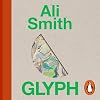
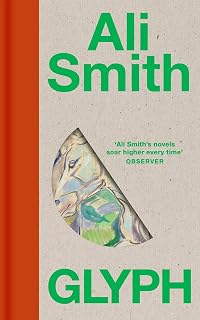
It sounds like Gliff? Well, it's something else altogether. It all starts when Petra and her little sister Patch hear a horrifying story from the past and find themselves making up a ghost. Is it imaginary? Is it real?Tags
Recommendations














Member Recommendations
Member Reviews
Glyph-with-a-ph is the complement to Smith’s last novel, Gliff-with-an-ff — it’s another story about two children and a horse, but there’s no direct overlap of characters (except that the characters in “ph” are critical readers of a novel that is obviously “ff”…). Where the first novel was about the erasure of outsiders from our surveillance society, this is more of a response to the dangerously bellicose mood our world seems to have shifted into in the last year or two.
The sisters Petra and Patricia (“Patch”), whom we meet both as small children and as adults, respond to two family war stories that they have heard when they are quite young — one from the First and the other from the Second World War — by show more constructing their own back-stories for those involved. This seems to make the stories less frightening, but constructing stories about real people (and horses) starts to come uncomfortably close to raising ghosts. Meanwhile, Adult-Patricia’s adopted daughter Billie has been detained by the police after expressing her anger about what’s going on in Gaza.
It’s interesting how Smith’s writing seems to become simpler and more transparent with every book — the complicated levels of allusions and word-games are still there, but they now exist at such a subtle level that they barely intrude into our conscious reading of the text at all, and it’s only a paragraph or two later that we realise that there was a terrible pun or a quotation buried in what we just read. There’s no change in Smith’s anger at the way the world we live in is messed up, or in her conviction that children are the people who are most likely to have the directness and clarity of thought to show us how messed up things really are.
As so often with Smith, the core story in the book seems to have been inspired by a picture — in this case Munch’s lovely image of a young man leading a horse through a wood, “The pathfinder”.
(And if something in your mind clicked at the conjunction of “Patch and Petra”, you’re obviously British and born before about 1965!) show less
The sisters Petra and Patricia (“Patch”), whom we meet both as small children and as adults, respond to two family war stories that they have heard when they are quite young — one from the First and the other from the Second World War — by show more constructing their own back-stories for those involved. This seems to make the stories less frightening, but constructing stories about real people (and horses) starts to come uncomfortably close to raising ghosts. Meanwhile, Adult-Patricia’s adopted daughter Billie has been detained by the police after expressing her anger about what’s going on in Gaza.
It’s interesting how Smith’s writing seems to become simpler and more transparent with every book — the complicated levels of allusions and word-games are still there, but they now exist at such a subtle level that they barely intrude into our conscious reading of the text at all, and it’s only a paragraph or two later that we realise that there was a terrible pun or a quotation buried in what we just read. There’s no change in Smith’s anger at the way the world we live in is messed up, or in her conviction that children are the people who are most likely to have the directness and clarity of thought to show us how messed up things really are.
As so often with Smith, the core story in the book seems to have been inspired by a picture — in this case Munch’s lovely image of a young man leading a horse through a wood, “The pathfinder”.
(And if something in your mind clicked at the conjunction of “Patch and Petra”, you’re obviously British and born before about 1965!) show less
This begins with two sisters- Petra and her younger sister Patch. They hear a terrifying ghost story, which ends up haunting them for the rest of their lives. This story even ruins their tight relationship, which they try to repair thirty years later. The story involves a WWI soldier, a blind horse and an execution. The soldier may have been their great-grandfather, so as an adult Petra tries to dig into their family’s past. She can’t let it go.
At first this feels like a YA ghost story but the story keeps morphing into different shapes and narratives, that personally caused a disconnection for me. I am a fan of Smith but her latest fell short for me.
At first this feels like a YA ghost story but the story keeps morphing into different shapes and narratives, that personally caused a disconnection for me. I am a fan of Smith but her latest fell short for me.
Glyph is a companion book to Ali Smith’s Gliff. The homophonic titles, along with shared themes and style, connect the two books.
A major theme of the second book Glyph is war. From WWI to the war in Gaza, Ali works their horrors through puns and fantastic, fantasy wordplay. The horror of war are not on display openly, referred to subtly , as a given. This is not an anti-war novel. But it is anti-war.
The two sisters Petra and Patch from Gliff are here in Glyph, with the book Gliff also appearing in physical form in Petra’s home. There is a horse, this one blinded on the battle field. And Bill, the teenage daughter of Patch.
Much of the book’s meaning is conveyed through conversations between the sisters and Bill. Conversations show more about past events that are real, imagined or “flattened” by both reality and history. Conversations about things that are here, there, and not there.
In WWII A French soldier is flattened by tanks that roll over him to such a degree that the body is as thin as skin. Thin like Bill’s scarf that she is questioned about, it being the colors of a “wrong” flag. A silenced scarf. There and not there. The story of the flattened body was told to Parch by Petra when they were both children. Petra told the story to calm the younger Patch when she awoke from a nightmare. Years later, on being told about the flattened body, Bill immediately thinks, Gaza.
did you hear about the people queueing for food and the snipers shooting at them and how the snipers doing this aren’t just shooting at people randomly, they are also playing a kind of shooting game? So some days they shoot people in the hands, some days the heads?
While Bill is young and speaks her mind, the older women Petra’s and Patch’s talk is tangential. They talk of their pasts and their images are metaphorical and fleeting. The relationships between the sisters are a vehicle for stories, real, dreamed and imagined.
Petra and Patch have had been estranged, and toward the latter part of the book they are brought together by the blinded horse from WWI. It has returned and this event has prompted Patch and Bill to come to Petra’s aid.
Petra meaning “stone” or the name of the ancient city in Jordan. Patch, to “patch things up”. Gliff, fleeting. Glyph as “inscribed”. Hieroglyphics. Ancient Egypt.
I can’t remember whether the name of the individual wars are openly given in the book. Maybe they are implied, by their locations and happenings. WWI - the horse is blinded by gass, perhaps mustard gas that was commonly used as a weapon in warfare back then. The young soldier who leads the horse away from battle and walks off, later to be executed by squad fire by his own side. The tanks in WWII France. The dead children in Gaza. It is as if the reader herself is silenced, flattened. It is left to Bill to speak out.
After reading Glyph I read the Guardian review. In explaining the titles, and in doing so, calling for readers to open their eyes. Let us not be like the blinded horse and be open to the night mare.
From the outset, then, we are in no doubt: we have moved from the fleeting to the permanent, from the passing image to the inscribed and the indelible. We have moved from observers to witnesses. No matter the darkness, we can never say we did not see. - Keiran Goddard 2026
I recommend this novel to all readers who care.
4.5 stars.
https://www.librarything.com/topic/384329#9230674 show less
A major theme of the second book Glyph is war. From WWI to the war in Gaza, Ali works their horrors through puns and fantastic, fantasy wordplay. The horror of war are not on display openly, referred to subtly , as a given. This is not an anti-war novel. But it is anti-war.
The two sisters Petra and Patch from Gliff are here in Glyph, with the book Gliff also appearing in physical form in Petra’s home. There is a horse, this one blinded on the battle field. And Bill, the teenage daughter of Patch.
Much of the book’s meaning is conveyed through conversations between the sisters and Bill. Conversations show more about past events that are real, imagined or “flattened” by both reality and history. Conversations about things that are here, there, and not there.
In WWII A French soldier is flattened by tanks that roll over him to such a degree that the body is as thin as skin. Thin like Bill’s scarf that she is questioned about, it being the colors of a “wrong” flag. A silenced scarf. There and not there. The story of the flattened body was told to Parch by Petra when they were both children. Petra told the story to calm the younger Patch when she awoke from a nightmare. Years later, on being told about the flattened body, Bill immediately thinks, Gaza.
did you hear about the people queueing for food and the snipers shooting at them and how the snipers doing this aren’t just shooting at people randomly, they are also playing a kind of shooting game? So some days they shoot people in the hands, some days the heads?
While Bill is young and speaks her mind, the older women Petra’s and Patch’s talk is tangential. They talk of their pasts and their images are metaphorical and fleeting. The relationships between the sisters are a vehicle for stories, real, dreamed and imagined.
Petra and Patch have had been estranged, and toward the latter part of the book they are brought together by the blinded horse from WWI. It has returned and this event has prompted Patch and Bill to come to Petra’s aid.
Petra meaning “stone” or the name of the ancient city in Jordan. Patch, to “patch things up”. Gliff, fleeting. Glyph as “inscribed”. Hieroglyphics. Ancient Egypt.
I can’t remember whether the name of the individual wars are openly given in the book. Maybe they are implied, by their locations and happenings. WWI - the horse is blinded by gass, perhaps mustard gas that was commonly used as a weapon in warfare back then. The young soldier who leads the horse away from battle and walks off, later to be executed by squad fire by his own side. The tanks in WWII France. The dead children in Gaza. It is as if the reader herself is silenced, flattened. It is left to Bill to speak out.
After reading Glyph I read the Guardian review. In explaining the titles, and in doing so, calling for readers to open their eyes. Let us not be like the blinded horse and be open to the night mare.
From the outset, then, we are in no doubt: we have moved from the fleeting to the permanent, from the passing image to the inscribed and the indelible. We have moved from observers to witnesses. No matter the darkness, we can never say we did not see. - Keiran Goddard 2026
I recommend this novel to all readers who care.
4.5 stars.
https://www.librarything.com/topic/384329#9230674 show less
With this inventive and humorous novel, Percival Everett has created his unlikeliest hero to date. Mute by choice, baby Ralph is able to ponder the worth (not much) of Derrida and Barthes. On discovery of his talents, a host of people are soon eager for a stake in this child prodigy.
Good in all the ways its twin is, ever so slightly unsatisfying in similar ways. I do wonder how these will age, but that's not the main point. Lovely use of language and image and story, especially story, if not overarching narrative. Acute observation without being too on the nose. Really good.
Glyph. Door: Ali Smith.
De laatste tijd komen er steeds vaker zussen-boeken op mijn pad. Als kind droomde ik van een zus dus je begrijpt dat die boeken me extra aantrekken.
Glyph gaat over de zussen Petra en Patch. We volgen hen in het heden én in het verleden. In de echte wereld met al zijn actuele ellende én in hun fantasiewereld die ze als kind geschapen hebben.
Maar wat is er echt en wat niet? Is iets waar als het voor jou zo aanvoelt? Is een leugen slecht als ze iemand helpt? En kan fantasie werkelijkheid worden? Kan je alles geloven wat je denkt? In hoeverre kan je je herinneringen vertrouwen? Wat doet trauma met een mens? Hoe bepaalt de liefde die je (niet) krijgt je latere relationele leven? Allemaal vragen die de basis van dit show more boek vormen.
Ali Smith slaagt er telkens opnieuw in om personages te creëren die instant mijn hoofd en hart veroveren. Ze bruisen, tintelen, zijn levensecht en opwijkend (positief afwijkend dus).
Goede boeken gaan ons redden; ze verbinden, laten je nadenken, sporen je aan tot actie én verzet. Ze vergroten je empathie, verruimen je blik en sporen je aan om te leven, écht te leven. Glyph is zo een boek! show less
De laatste tijd komen er steeds vaker zussen-boeken op mijn pad. Als kind droomde ik van een zus dus je begrijpt dat die boeken me extra aantrekken.
Glyph gaat over de zussen Petra en Patch. We volgen hen in het heden én in het verleden. In de echte wereld met al zijn actuele ellende én in hun fantasiewereld die ze als kind geschapen hebben.
Maar wat is er echt en wat niet? Is iets waar als het voor jou zo aanvoelt? Is een leugen slecht als ze iemand helpt? En kan fantasie werkelijkheid worden? Kan je alles geloven wat je denkt? In hoeverre kan je je herinneringen vertrouwen? Wat doet trauma met een mens? Hoe bepaalt de liefde die je (niet) krijgt je latere relationele leven? Allemaal vragen die de basis van dit show more boek vormen.
Ali Smith slaagt er telkens opnieuw in om personages te creëren die instant mijn hoofd en hart veroveren. Ze bruisen, tintelen, zijn levensecht en opwijkend (positief afwijkend dus).
Goede boeken gaan ons redden; ze verbinden, laten je nadenken, sporen je aan tot actie én verzet. Ze vergroten je empathie, verruimen je blik en sporen je aan om te leven, écht te leven. Glyph is zo een boek! show less
Jun 10, 2026Dutch
Members
- Recently Added By
Lists

Books Read in 2026
2,063 works; 69 members
Author Information

54+ Works 17,461 Members
Awards and Honors
Distinctions
The Guardian Book of the Day (2026-01-27)
Notable Lists
Series

Common Knowledge
- Original publication date
- 2026-01-29
- Disambiguation notice
- A standalone novel, it's family to Gliff (2024)
Classifications
Statistics
- Members
- 95
- Popularity
- 339,511
- Reviews
- 7
- Rating
- (4.13)
- Languages
- Dutch, English
- Media
- Paper, Audiobook, Ebook
- ISBNs
- 4
- ASINs
- 2