On This Page
Description
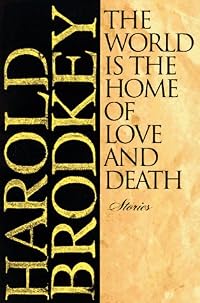
These 17 short stories represent the best of Brodkey's work over three decades.Tags
Recommendations













Member Reviews
I sampled ten stories from this collection and found them all to follow the same general motif: working through issues of childhood and adolescence in the present or retrospectively. An uneven collection that skews somewhat unrealistically towards the melancholy...at his best, Brodkey is illuminating, at his worst, his characters come across as mopey. All of the stories are about the emotional psychology of the characters. There is very little sense or place or historical context.
In 1975 Esquire magazine published a short story included in this collection: "His Son, In His Arms, In Light, Aloft". In terms of theme, capture of emotion, description, language used, and the way the language was manipulated, the short story remains probably the best I have ever read. The story was published almost 20 years after the publication of his first short story collection, "First Love and Other Sorrows", which was met with wide critical acclaim and the expectation that Brodkey would become one of the major writers of the last half of the 20th century. Today, though, when critics list Updike, Roth, Bellow, Mailer, Oates, et. al. as great American writers, Brodkey's name is never there. Why? What happened? Perhaps we'll have to show more wait for a biographer to tackle that question. Perhaps the answer lies in the failure of his novel, "The Profane Friendship", a dense, overwrought homage to Venice, which this reviewer tried to read, but could not get past the first 80 or so pages....... show less
Perché, perché, perché nessuno conosce, legge, cita, adora Brodkey? Una raccolta di racconti scoperta quasi per caso, amata fin dalla prima riga.
Harold Brodkey (1930 – 1996) is a major twentieth-century American writer of highly polished, highly poetic fiction first published in The New Yorker, Esquire and other magazines over a thirty years span, 1960s through the 1990s. Published as part of the 1980s Vintage Contemporaries series, this magnificent collection contains 18 stories, some short, some long, 5 pages to 50 pages, but all of these stories speak to the feeling tone of memory and are expressed in such lyrical, elegant language, they are enough to take your breath away. Rather than making general statements about a number of stories, as a way of sharing some Harold Brodkey splendor, I will focus on one shorter piece that will remain with me always:
Verona: A Young show more Woman Speak
The Power of Memory: I know a lot! I know about happiness! So proclaims a young woman describing for us a day and a night when she was a seven-year-old girl traveling in Italy with her mother and father. Sidebar: Personally, I love when a male author tells a tale from the point of view of a first-person woman narrator. Thank you, Harold Brodkey!
Invisible Cities/Visible Cities: Reliving her time as a little girl, the narrator recounts how her joy bubbles over: “It was absurd, but we were all three drunk with this; it was very strange; we woke every morning in a strange hotel, in a strange city.” All the sights and sounds so alive, so vivid and beautiful, it is as if our little girl is traveling in Italo Calvino’s Invisible Cities made visible.
Sparkling Self-Identity: “I was dizzy with shopping and new possessions: I hardly knew who I was, I owned so many new things my reflection in any mirror or shopwindow as resplendently fresh and new, disguised even, glittering I thought.” What little girl wouldn’t love to be given such a chance to shop and wear all new cloths? As the narrator recounts ‘only the simplest and most light-filled words and images can suggest what I thought we were then.’
Princess: When in Verona the faces of the men and women were stern, sad, unlaughing faces but when they looked at our little girl their faces would lighten and they would smile at her splendor. She knew she decorated life. “I liked myself very much; and almost everywhere, almost every day, there was someone new to love me, briefly, while we traveled. I understood I was special.” As adults, being told we are special can sound so saccharine, but as a youngster being treated as special and understanding our specialness is an affirmation of a truism.
Cornucopia – Our little girl says Daddy was a fountain of money and their vacation and travel was one unending spending spree. “We were at play; we were at our joys.” Life as abundance; life an overflowing; life as a swirl of joy.
Art: “There was a picture in Verona Daddy wanted to see: a painting; I remember the painter because the name Pisanello reminded me I had to go to the bathroom when we were in the museum. . . . I also remember the painting because it showed the hind end of the horse, and I thought that was not nice and rather funny.” In an entire trip of sweet memories it isn’t at all surprising she has this sweet memory of art since there is magic when a great painter applies paint to canvas. And you have to love linking her bodily needs with the artist’s name and her eye going to the horse’s rump.
The Piazza - One: “We went to a square, a piazza – the Sealigera, I think; I don’t remember – and just as we got there, the snowing began to bellow and then subside, to fall heavily and then sparsely, and then it stopped; and it was very cold, and there were pigeons everywhere in the piazza, on every cornice and roof, and all over the snow on the ground, leaving little tracks as they walked, while the air trembled in its just-after-snow and just-before-snow weight and thickness and gray seriousness of purpose.” Ah, to enter a piazza and be welcomed by the beauty of a snowfall, all those pigeons and a sense of the seriousness of purpose in it all.
The Piazza – Two: She describes herself as half mad with pleasure and then her Daddy poured corn in her hands and tells her to hold out her hands. “Then the pigeons came. On heavy wings. Clumsy pigeon bodies. And red, unreal birds’ feet. They flew at me, slowing at the last minute; they lit on my arm and fed from my hand. I wanted to flinch, but I didn’t. I closed my eyes and held my arm stiffly; and felt them peck and eat – from my hand, these free creatures, these flying things.” Even as an adult, such an encounter with winged wildlife can be intense; with a child, this intensity is exponential. Again and again, more corn, more birds. “I become brilliant, gleaming, soft; an angel, a great bird-child of laughter.”
On the Train: The great bird-child’s blissful dream continues, through dinner at a restaurant and then sitting next to her Momma on a train traveling through mountains under the moon. “We looked at mountains until dawn, and then when dawn came, it was too pretty for me – there was pink and blue and gold in the sky, and on icy place, brilliant pink and gold flashes, and the snow was colored, too, and I said, “Oh,” and sighed; and each moment was more beautiful than the one before; and I said, “I love you, Momma.” Then I fell asleep in her arms.” Oh, to have such memories of such a day and night as a child. Such a gift.
Harold Brodkey - American author in a most classical mode show less
Harold Brodkey (1930 – 1996) is a major twentieth-century American writer of highly polished, highly poetic fiction first published in The New Yorker, Esquire and other magazines over a thirty years span, 1960s through the 1990s. Published as part of the 1980s Vintage Contemporaries series, this magnificent collection contains 18 stories, some short, some long, 5 pages to 50 pages, but all of these stories speak to the feeling tone of memory and are expressed in such lyrical, elegant language, they are enough to take your breath away. Rather than making general statements about a number of stories, as a way of sharing some Harold Brodkey splendor, I will focus on one shorter piece that will remain with me always:
Verona: A Young show more Woman Speak
The Power of Memory: I know a lot! I know about happiness! So proclaims a young woman describing for us a day and a night when she was a seven-year-old girl traveling in Italy with her mother and father. Sidebar: Personally, I love when a male author tells a tale from the point of view of a first-person woman narrator. Thank you, Harold Brodkey!
Invisible Cities/Visible Cities: Reliving her time as a little girl, the narrator recounts how her joy bubbles over: “It was absurd, but we were all three drunk with this; it was very strange; we woke every morning in a strange hotel, in a strange city.” All the sights and sounds so alive, so vivid and beautiful, it is as if our little girl is traveling in Italo Calvino’s Invisible Cities made visible.
Sparkling Self-Identity: “I was dizzy with shopping and new possessions: I hardly knew who I was, I owned so many new things my reflection in any mirror or shopwindow as resplendently fresh and new, disguised even, glittering I thought.” What little girl wouldn’t love to be given such a chance to shop and wear all new cloths? As the narrator recounts ‘only the simplest and most light-filled words and images can suggest what I thought we were then.’
Princess: When in Verona the faces of the men and women were stern, sad, unlaughing faces but when they looked at our little girl their faces would lighten and they would smile at her splendor. She knew she decorated life. “I liked myself very much; and almost everywhere, almost every day, there was someone new to love me, briefly, while we traveled. I understood I was special.” As adults, being told we are special can sound so saccharine, but as a youngster being treated as special and understanding our specialness is an affirmation of a truism.
Cornucopia – Our little girl says Daddy was a fountain of money and their vacation and travel was one unending spending spree. “We were at play; we were at our joys.” Life as abundance; life an overflowing; life as a swirl of joy.
Art: “There was a picture in Verona Daddy wanted to see: a painting; I remember the painter because the name Pisanello reminded me I had to go to the bathroom when we were in the museum. . . . I also remember the painting because it showed the hind end of the horse, and I thought that was not nice and rather funny.” In an entire trip of sweet memories it isn’t at all surprising she has this sweet memory of art since there is magic when a great painter applies paint to canvas. And you have to love linking her bodily needs with the artist’s name and her eye going to the horse’s rump.
The Piazza - One: “We went to a square, a piazza – the Sealigera, I think; I don’t remember – and just as we got there, the snowing began to bellow and then subside, to fall heavily and then sparsely, and then it stopped; and it was very cold, and there were pigeons everywhere in the piazza, on every cornice and roof, and all over the snow on the ground, leaving little tracks as they walked, while the air trembled in its just-after-snow and just-before-snow weight and thickness and gray seriousness of purpose.” Ah, to enter a piazza and be welcomed by the beauty of a snowfall, all those pigeons and a sense of the seriousness of purpose in it all.
The Piazza – Two: She describes herself as half mad with pleasure and then her Daddy poured corn in her hands and tells her to hold out her hands. “Then the pigeons came. On heavy wings. Clumsy pigeon bodies. And red, unreal birds’ feet. They flew at me, slowing at the last minute; they lit on my arm and fed from my hand. I wanted to flinch, but I didn’t. I closed my eyes and held my arm stiffly; and felt them peck and eat – from my hand, these free creatures, these flying things.” Even as an adult, such an encounter with winged wildlife can be intense; with a child, this intensity is exponential. Again and again, more corn, more birds. “I become brilliant, gleaming, soft; an angel, a great bird-child of laughter.”
On the Train: The great bird-child’s blissful dream continues, through dinner at a restaurant and then sitting next to her Momma on a train traveling through mountains under the moon. “We looked at mountains until dawn, and then when dawn came, it was too pretty for me – there was pink and blue and gold in the sky, and on icy place, brilliant pink and gold flashes, and the snow was colored, too, and I said, “Oh,” and sighed; and each moment was more beautiful than the one before; and I said, “I love you, Momma.” Then I fell asleep in her arms.” Oh, to have such memories of such a day and night as a child. Such a gift.
Harold Brodkey - American author in a most classical mode show less
Verhalen op vrijwel klassieke wijze.
Dit lumineuze boek wordt in de Engelstalige titel, op speelse wijze met hoofdletters weergegeven als 'Stories in an Almost Classical Manner'. Met deze accentverschuiving is direct een tip van de sluier opgelicht van het oneindige vermogen van Brodkey tot enerzijds observeren en anderzijds relativeren. Op z'n zachtst gezegd is dit boek namelijk het tegenovergestelde van 'iets wat in de buurt zou kunnen komen van klassiek geschreven verhalen', het zou het wel eens kunnen overtreffen.
Het boek bevat verhalen met titels zoals: ' De overvloedige dromer', 'Boekhouden', Het pijncontinuum', 'Hoofdzakelijk een mondelinge geschiedschrijving van mijn moeder', 'De muziek van de kindermeid' en 'Engel'. Deze titels show more raken de kern van de verhalen direct tot op het bot, hetgeen je pas herkent als je ze gelezen hebt.
De meeste van de verhalen beschrijven het leven van een kind en later puber, gezien door de ogen van een man die terugblikt. Dit achterom kijken is echter zo intens, dat de man als het ware weer in de huid van zichzelf als kind en puber kruipt en zeer zintuiglijk alle ervaringen opnieuw doorleeft. Hierbij spiegelt Brodkey; hij kadert de gebeurtenissen en geeft al wikkend en wegend het verloop der dingen weer op een manier alsof jijzelf dat leven hebt geleefd.
Het lijkt alsof in dit boek de zinnen uit alle kieren en krochten vanuit iedere bladzijde naar je toe kruipen, om je met huid en haar te verslinden en je zo deel te maken van het feit, dat je er in geen enkel woord aan voorbij kunt gaan. Het brengt je van nieuwsgierigheid naar het opensperren van je ogen, van gieren naar snikken, van herkenning tot vervreemding en uiteindelijk naar het snijden tot diep in je ziel.
Van onderstaande citaten uit dit boek, gevolgd door betreffende paginanummering, wil ik dat ze me bij blijven. Verder valt dit boek onder een van de weinige boeken die ik meerdere keren zal herlezen.
'....terwijl onlogica en wanorde onze onrust juist wegnemen door ons te bewijzen dat alles ongerijmd is, alles onzeker, zelfs de dood.' (11)
'De dingen die Nanna, in Marcus' verbeelding van een kostganger verwachtte, hechtten zich als spinnewebben aan zijn ogen en keel.' (22)
'Weet je wat fatalisme is? Dat de wil geen rol meer speelt.' (22)
'Marcus, in zijn verlangen om te behagen, had de neiging om zich net zo te gedragen als de volwassenen met wie hij praatte' (22)
'Wilde men ergens de komische kant van zien, dan hoefde men slechts te weigeren aan de tragische toe te geven.' (27)
'Zonder liegen viel er weinig te zeggen.' (28)
'Je stelde je vertrouwen in degenen die dezelfde manieren had als jij.' (29)
'Het was verkeerd van hem geweest om ooit aan zichzelf te twijfelen. De kiem van zulke vergissingen lag in de grilligheid van de gedragscodes (net als licht dat op een glanzend oppervlak danst, maar verduisterd wat eronder ligt); wanneer mensen van slag waren gingen ze bij zichzelf fouten zoeken, maar er bestonden geen fouten, alleen maar slechte gewoonten.' (41)
'Oskars mond zal, als hij Oskar in de juiste stemming weet te krijgen, levend en gevaarlijk zijn: een listige vorm, het instrument van de allermenselijkste muziek.' (42)
'Een film is voor hem in de eerste plaats, een allee die zodanig is aangelegd dat alles wat bij elke stap wordt gezien, de betekenis van wat daarvoor is gezien verandert. ' (43)
'Hij begon zijn gedachten te ontlopen. (Toen hij ouder werd merkte hij dat het hem weinig moeite kostte zijn gedachten naar believen te ontlopen...)' (45)
wordt verder aangevuld show less
Dit lumineuze boek wordt in de Engelstalige titel, op speelse wijze met hoofdletters weergegeven als 'Stories in an Almost Classical Manner'. Met deze accentverschuiving is direct een tip van de sluier opgelicht van het oneindige vermogen van Brodkey tot enerzijds observeren en anderzijds relativeren. Op z'n zachtst gezegd is dit boek namelijk het tegenovergestelde van 'iets wat in de buurt zou kunnen komen van klassiek geschreven verhalen', het zou het wel eens kunnen overtreffen.
Het boek bevat verhalen met titels zoals: ' De overvloedige dromer', 'Boekhouden', Het pijncontinuum', 'Hoofdzakelijk een mondelinge geschiedschrijving van mijn moeder', 'De muziek van de kindermeid' en 'Engel'. Deze titels show more raken de kern van de verhalen direct tot op het bot, hetgeen je pas herkent als je ze gelezen hebt.
De meeste van de verhalen beschrijven het leven van een kind en later puber, gezien door de ogen van een man die terugblikt. Dit achterom kijken is echter zo intens, dat de man als het ware weer in de huid van zichzelf als kind en puber kruipt en zeer zintuiglijk alle ervaringen opnieuw doorleeft. Hierbij spiegelt Brodkey; hij kadert de gebeurtenissen en geeft al wikkend en wegend het verloop der dingen weer op een manier alsof jijzelf dat leven hebt geleefd.
Het lijkt alsof in dit boek de zinnen uit alle kieren en krochten vanuit iedere bladzijde naar je toe kruipen, om je met huid en haar te verslinden en je zo deel te maken van het feit, dat je er in geen enkel woord aan voorbij kunt gaan. Het brengt je van nieuwsgierigheid naar het opensperren van je ogen, van gieren naar snikken, van herkenning tot vervreemding en uiteindelijk naar het snijden tot diep in je ziel.
Van onderstaande citaten uit dit boek, gevolgd door betreffende paginanummering, wil ik dat ze me bij blijven. Verder valt dit boek onder een van de weinige boeken die ik meerdere keren zal herlezen.
'....terwijl onlogica en wanorde onze onrust juist wegnemen door ons te bewijzen dat alles ongerijmd is, alles onzeker, zelfs de dood.' (11)
'De dingen die Nanna, in Marcus' verbeelding van een kostganger verwachtte, hechtten zich als spinnewebben aan zijn ogen en keel.' (22)
'Weet je wat fatalisme is? Dat de wil geen rol meer speelt.' (22)
'Marcus, in zijn verlangen om te behagen, had de neiging om zich net zo te gedragen als de volwassenen met wie hij praatte' (22)
'Wilde men ergens de komische kant van zien, dan hoefde men slechts te weigeren aan de tragische toe te geven.' (27)
'Zonder liegen viel er weinig te zeggen.' (28)
'Je stelde je vertrouwen in degenen die dezelfde manieren had als jij.' (29)
'Het was verkeerd van hem geweest om ooit aan zichzelf te twijfelen. De kiem van zulke vergissingen lag in de grilligheid van de gedragscodes (net als licht dat op een glanzend oppervlak danst, maar verduisterd wat eronder ligt); wanneer mensen van slag waren gingen ze bij zichzelf fouten zoeken, maar er bestonden geen fouten, alleen maar slechte gewoonten.' (41)
'Oskars mond zal, als hij Oskar in de juiste stemming weet te krijgen, levend en gevaarlijk zijn: een listige vorm, het instrument van de allermenselijkste muziek.' (42)
'Een film is voor hem in de eerste plaats, een allee die zodanig is aangelegd dat alles wat bij elke stap wordt gezien, de betekenis van wat daarvoor is gezien verandert. ' (43)
'Hij begon zijn gedachten te ontlopen. (Toen hij ouder werd merkte hij dat het hem weinig moeite kostte zijn gedachten naar believen te ontlopen...)' (45)
wordt verder aangevuld show less
Jan 18, 2008Dutch
Ratings
Members
- Recently Added By
Lists

Harold Bloom - The Western Canon: D. The Chaotic Age
833 works; 24 members
Author Information

38+ Works 1,729 Members
Harold Brodkey was a novelist, short-story writer, and essayist. He was born in Alton, Illinois, in 1930. He graduated from Harvard University. Brodkey worked briefly as a page at NBC before a story he had shown to an editor at The New Yorker was published in 1953. His first short-story collection "First Love and Other Stories" was published in show more 1958. Brodkey was also a longtime staff writer at The New Yorker. He became legendary for a novel that he spent much of his adult life writing with parts being published in his 1988 short-story collection, Stories in an Almost Classical Mode before it was finally published as The Runaway Soul. In 1993, Brodkey announced to the readers of The New Yorker that he had AIDS. He chronicled his illness in a diary that was published in The New Yorker. Harold Brodkey died on January 26, 1996. (Bowker Author Biography) show less
Some Editions
Awards and Honors
Distinctions
Notable Lists
Series

Work Relationships
Common Knowledge
- Canonical title*
- Nahezu klassische Stories
- Original title
- Stories in an Almost Classical Mode
- Original publication date
- 1988
- Important places
- USA
- Dedication
- For Ellen and Elena and my Ann Emily
*Some information comes from Common Knowledge in other languages. Click "Edit" for more information.
Classifications
Statistics
- Members
- 477
- Popularity
- 63,360
- Reviews
- 6
- Rating
- (3.81)
- Languages
- 5 — Dutch, English, German, Italian, Spanish
- Media
- Paper, Ebook
- ISBNs
- 12
- ASINs
- 2