On This Page
Description
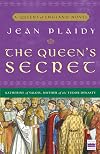
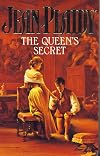
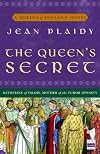
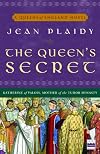
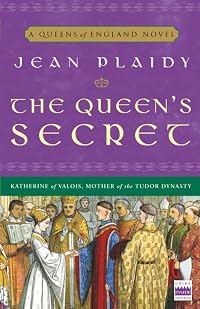
Katherine of Valois was born a princess, the daughter of King Charles VI of France. But by the time Katherine was old enough to know him, her father had come to be called "Charles the Mad," given to unpredictable fits of insanity. The young princess lived a secluded life, awaiting her father's sane moments and suffering through the mad ones, as her mother took up with her uncle and their futures became more and more uncertain. Katherine's fortunes appeared to be changing when, at nineteen, show more she was married to King Henry V of England. Within two years, she gave birth to an heir--but her happiness was fleeting. Soon after the birth of her son, she lost her husband to an illness. With Joan of Arc inciting the French to overthrow English rule, Katherine's loyalty to her adopted homeland of England became a matter of intense suspicion. Katherine had brought her dowry and borne her heir; what use was she to England? It was decreed that she would live out her remaining years alone, far from the seat of power. But no one, not even Katherine herself, could have anticipated that she would fall in love with and secretly marry one of her guardians, Owen Tudor--or that a generation later, their grandson would become the first king of the great Tudor dynasty. show lessTags
Recommendations








Member Reviews
Not as strong as 'Courts of Love', but still an entertaining read in some parts. It's not hard to feel sorry for Catherine, especially since the real-life Catherine of Valois did have a lot of shit to deal with and not much freedom given her position and the bad feelings between England and France.
It's curious to think that while her son Henry VI might have not been a good king (not because he was a bad man, but because, from what I have read, he seemed like he would have been happier as a middle-class man instead of dealing with all the stresses of a ruler) her grandson from her union with Owen ended up being the ruler of England, so through Catherine, every British monarch after Henry VII is descended from her.
It's curious to think that while her son Henry VI might have not been a good king (not because he was a bad man, but because, from what I have read, he seemed like he would have been happier as a middle-class man instead of dealing with all the stresses of a ruler) her grandson from her union with Owen ended up being the ruler of England, so through Catherine, every British monarch after Henry VII is descended from her.
If you read Plaidy's Queens of England series in chronological order, Catherine of Valois succeeds Eleanor of Aquitaine, and the two French-English queens could not be more different. Where Eleanor was ambitious always looking for the next conquest, Catherine avoids the royal court like the plague. Even so, Catherine is not stupid, and she lives a life full of action and intrigue that is just as dangerous as what Eleanor lived through.
Catherine of Valois had a traumatic childhood where she was often left bereft and starving in an old castle where her father, known as the Mad King, rages in another room. Meanwhile, her mother is presented as someone who is greedy, selfish, and self-indulgent to the point where her children literally do show more not exist for her until they're old enough to wear a crown. Even so, she builds close relationships with her siblings, but these are tested when she's married to the English king.
Everything changes for her when she is set to marry Henry V. At first, the couple seem to love each other, to a degree, but he dies shortly after their marriage. Catherine hides from the royal court, probably because she associates its intrigue with her overly-indulgent mother. All Catherine wants is a peaceful life with her family. She falls in love with Owen Tudor, who is presented as unambitious, which is probably true to a degree, since he doesn't seem to have asked any favors from her. Together, they raise a family of four children. Unfortunately, the minute it's ripped from her, she loses all interest in life. Truly, a woman not meant to wear a crown. Then again, it's not like these people often choose to do so, which is honestly what Plaidy presents as the central theme in her books.
It is this family that Catherine will do anything to protect, including lying and manipulating her brothers-in-law to secure her happiness. Overall, I found her to be the least queen-like of all of the queens I've read from Plaidy's series. She was so completely uninterested in the world outside of her immediate circle. I can't say I necessarily relate to Catherine, but I do understand her, which is the most important thing when crafting a protagonist. Some people really do long for the simple life, especially after such a turbulent youth as the one Catherine experienced. Plaidy deftly creates a character who is so different from Eleanor and her other queens that you feel like you know the woman behind the crown, and you can't help but root for her.
I highly recommend this book to lovers of medieval history. While there aren't as many battles as in Eleanor's book, The Queen's Secret still illuminates a fascinating time in European history and introduces readers to several famous individuals. In spite of her best efforts, Catherine of Valois made an immense impact on England and the world, so even if she isn't as ambitious as other women whose names have survived time, she is still no less deserving of her own story. show less
Catherine of Valois had a traumatic childhood where she was often left bereft and starving in an old castle where her father, known as the Mad King, rages in another room. Meanwhile, her mother is presented as someone who is greedy, selfish, and self-indulgent to the point where her children literally do show more not exist for her until they're old enough to wear a crown. Even so, she builds close relationships with her siblings, but these are tested when she's married to the English king.
Everything changes for her when she is set to marry Henry V. At first, the couple seem to love each other, to a degree, but he dies shortly after their marriage. Catherine hides from the royal court, probably because she associates its intrigue with her overly-indulgent mother. All Catherine wants is a peaceful life with her family. She falls in love with Owen Tudor, who is presented as unambitious, which is probably true to a degree, since he doesn't seem to have asked any favors from her. Together, they raise a family of four children. Unfortunately, the minute it's ripped from her, she loses all interest in life. Truly, a woman not meant to wear a crown. Then again, it's not like these people often choose to do so, which is honestly what Plaidy presents as the central theme in her books.
It is this family that Catherine will do anything to protect, including lying and manipulating her brothers-in-law to secure her happiness. Overall, I found her to be the least queen-like of all of the queens I've read from Plaidy's series. She was so completely uninterested in the world outside of her immediate circle. I can't say I necessarily relate to Catherine, but I do understand her, which is the most important thing when crafting a protagonist. Some people really do long for the simple life, especially after such a turbulent youth as the one Catherine experienced. Plaidy deftly creates a character who is so different from Eleanor and her other queens that you feel like you know the woman behind the crown, and you can't help but root for her.
I highly recommend this book to lovers of medieval history. While there aren't as many battles as in Eleanor's book, The Queen's Secret still illuminates a fascinating time in European history and introduces readers to several famous individuals. In spite of her best efforts, Catherine of Valois made an immense impact on England and the world, so even if she isn't as ambitious as other women whose names have survived time, she is still no less deserving of her own story. show less
Finding this book sitting of my Grandmother's bookshelf, I gravitated towards it because it involved the wife of Henry V, and so Henry himself, who I am perhaps a little obsessed with.
It is written in the 1st person from the perspective of Katherine de Valois herself (Henry's wife) in the form of a diary of sorts. The details of Katherine's early life were interesting, and the subject of her father's madness was treated sensitively. I utterly despised her sex- mad megalomaniac mother, Isabeau of Bavaria, and, if what Plaidy says about her is true, Katherine was fortunate to be free of her in England.
A more recent novel in this subject presented King Henry as a bad husband, who was abusive. I do not know if there is any evidence or show more historical basis for this, but Plaidy did not hold to this view. Henry does appear to have loved Katherine, though she was not his first or only love, as he was also ambitious, loved his country and also the idea of being King of France.
Thier all-too brief marriage which culminated in Henry's untimely death after only 2 years is presented as a tragedy for both Katherine and the country, as it indeed was.
The narrative then follows onto Katherine's life after Henry's death, and here is does become somewhat weaker and a little repetitive. To sum up she met and fell in love with a young Welsh squire, Owen Tudor, but as the Mother of the King she was forbidden from marrying again, so thier relationship marriage had to remain a secret.
How she was able to keep her numerous preganacies, and the birth of several children a secret is questionable, espeically as in one scene it was claimed that she was seen in public only days before the birth of one of her children.
The novel ends somewhat abruptly, but, as it was meant to be Katherine telling the story, the author could not really have gone much further. If you are intersted in Henry V, the second phase of the Hundred Years war, and the events leading up to the wars of the Roses, you may be interested in this one. show less
It is written in the 1st person from the perspective of Katherine de Valois herself (Henry's wife) in the form of a diary of sorts. The details of Katherine's early life were interesting, and the subject of her father's madness was treated sensitively. I utterly despised her sex- mad megalomaniac mother, Isabeau of Bavaria, and, if what Plaidy says about her is true, Katherine was fortunate to be free of her in England.
A more recent novel in this subject presented King Henry as a bad husband, who was abusive. I do not know if there is any evidence or show more historical basis for this, but Plaidy did not hold to this view. Henry does appear to have loved Katherine, though she was not his first or only love, as he was also ambitious, loved his country and also the idea of being King of France.
Thier all-too brief marriage which culminated in Henry's untimely death after only 2 years is presented as a tragedy for both Katherine and the country, as it indeed was.
The narrative then follows onto Katherine's life after Henry's death, and here is does become somewhat weaker and a little repetitive. To sum up she met and fell in love with a young Welsh squire, Owen Tudor, but as the Mother of the King she was forbidden from marrying again, so thier relationship marriage had to remain a secret.
How she was able to keep her numerous preganacies, and the birth of several children a secret is questionable, espeically as in one scene it was claimed that she was seen in public only days before the birth of one of her children.
The novel ends somewhat abruptly, but, as it was meant to be Katherine telling the story, the author could not really have gone much further. If you are intersted in Henry V, the second phase of the Hundred Years war, and the events leading up to the wars of the Roses, you may be interested in this one. show less
For many fans of historical fiction, Jean Plaidy's books are a treasure. For me, they are like a favorite blanket: perhaps a little dated and not on the cutting edge of a fad, but something familiar and comfortable.
The Queen's Secret, originally published in 1990 by G.P. Putnam's Sons and then reissued by Three Rivers Press in 2007, was one of Plaidy's later works and tells the story of Katherine of Valois, wife of Henry V, mother to Henry VII and by virtue of her second marriage to Owen Tudor, the founder of the Tudor kings of England.
The story is told in Katherine's voice and begins with her childhood in France as the daughter of King Charles VI, known to history as King Charles the Mad. Unable to maintain his lucidity or authority, show more France deteriorated into civil war in the early 15th century and the English, led by King Henry V, were able to divide, invade and conquer.
In the aftermath of the infamous Battle of Agincourt (remember? Shakespeare, anyone?), a tenative peace treaty was negotiated which acknowledged Henry to be the successor to the French crown once mad King Charles kicked the proverbial bucket and also threw in poor Katherine to sweeten the pot for Henry. They were married soon after and she bore him one child who would later become King Henry VI, although her new husband croaked soon after.
Being a widow turned out to be a good thing for Katherine. She fell in love with a Welsh commoner named Owen Tudor. They married in secret and went on to have four children, through which the Tudor line of kings would emerge. For those unfamiliar with this part of English history, I won't give away the ending, but it is a compelling tale.
Plaidy is, as usual, very true to her characters and historical facts. The voice of Katherine is almost child-like, which helps Plaidy disseminate the convoluted politics of the day in a manner readers can easily keep up with, but also likely reflects Katherine's actual knowledge of events. Despite being Queen of England, there seems to be little historical evidence that Katherine had anything to do with political intrigue. The dialog is beautifully simple, as well. Think Anna Sewell and Black Beauty.
The only complaint I had was a slight mix-up in the author's own timeline: in the story, Katherine and Owen, we are told, become lovers on the night that Katherine's young son, Henry VI, is taken from her at the age of two to be raised in another household. Later, we skip ahead in time and young Henry is now five years old when Katherine discovers she is pregnant by Owen. Plaidy writes
"Why I should have been so surprised, I cannot imagine. Owen and I had been passionate lovers for some months."
Katherine in The Queen's Secret
Well, I suppose three years can be considered "some months," but the inconsistency leaped out at me. This, coupled with the constant foreshadowing of doom and gloom, were my only bugaboos about the story.
But these small flaws should be overlooked in the face of such a wonderful tale. This is a time period not often covered by historical fiction authors. Katherine and her contemporaries, such as Joan of Arc, were to change the fate both England and France. I highly recommend this read to any historical fiction fan as it makes accessible a time period too often overlooked.
I mentioned at the beginning of this review that Three Rivers Press reissued this novel in 2007. They have done so with a handful of Jean Plaidy books. If you enjoy her work and would like to see more (since many of her older books are quite difficult to find these days), please contact Three Rivers Press (a division of Random House) and express your interest in order to keep them coming! show less
The Queen's Secret, originally published in 1990 by G.P. Putnam's Sons and then reissued by Three Rivers Press in 2007, was one of Plaidy's later works and tells the story of Katherine of Valois, wife of Henry V, mother to Henry VII and by virtue of her second marriage to Owen Tudor, the founder of the Tudor kings of England.
The story is told in Katherine's voice and begins with her childhood in France as the daughter of King Charles VI, known to history as King Charles the Mad. Unable to maintain his lucidity or authority, show more France deteriorated into civil war in the early 15th century and the English, led by King Henry V, were able to divide, invade and conquer.
In the aftermath of the infamous Battle of Agincourt (remember? Shakespeare, anyone?), a tenative peace treaty was negotiated which acknowledged Henry to be the successor to the French crown once mad King Charles kicked the proverbial bucket and also threw in poor Katherine to sweeten the pot for Henry. They were married soon after and she bore him one child who would later become King Henry VI, although her new husband croaked soon after.
Being a widow turned out to be a good thing for Katherine. She fell in love with a Welsh commoner named Owen Tudor. They married in secret and went on to have four children, through which the Tudor line of kings would emerge. For those unfamiliar with this part of English history, I won't give away the ending, but it is a compelling tale.
Plaidy is, as usual, very true to her characters and historical facts. The voice of Katherine is almost child-like, which helps Plaidy disseminate the convoluted politics of the day in a manner readers can easily keep up with, but also likely reflects Katherine's actual knowledge of events. Despite being Queen of England, there seems to be little historical evidence that Katherine had anything to do with political intrigue. The dialog is beautifully simple, as well. Think Anna Sewell and Black Beauty.
The only complaint I had was a slight mix-up in the author's own timeline: in the story, Katherine and Owen, we are told, become lovers on the night that Katherine's young son, Henry VI, is taken from her at the age of two to be raised in another household. Later, we skip ahead in time and young Henry is now five years old when Katherine discovers she is pregnant by Owen. Plaidy writes
"Why I should have been so surprised, I cannot imagine. Owen and I had been passionate lovers for some months."
Katherine in The Queen's Secret
Well, I suppose three years can be considered "some months," but the inconsistency leaped out at me. This, coupled with the constant foreshadowing of doom and gloom, were my only bugaboos about the story.
But these small flaws should be overlooked in the face of such a wonderful tale. This is a time period not often covered by historical fiction authors. Katherine and her contemporaries, such as Joan of Arc, were to change the fate both England and France. I highly recommend this read to any historical fiction fan as it makes accessible a time period too often overlooked.
I mentioned at the beginning of this review that Three Rivers Press reissued this novel in 2007. They have done so with a handful of Jean Plaidy books. If you enjoy her work and would like to see more (since many of her older books are quite difficult to find these days), please contact Three Rivers Press (a division of Random House) and express your interest in order to keep them coming! show less
Katherine is the daughter of the king of France known as "Charles the Mad." In his lucid moments the royal children are well cared for, but during his long bouts of madness the often live in hunger, darkness, and uncertainty. At nineteen, however, Katherine leaves this life to become the wife of the king of England. For a while she has found happiness, however just after the birth of her first child her husband dies, leaving England in a period of turmoil, part way through the Hundred Years' War. To keep her from becoming too powerful as the mother of a child king, it is determined that Katherine will have to live alone, far from the seat of power. She is even forbidden from marrying again. Katherine, however, falls in love with one of show more her guardians, Owen Tudor. Their relationship will be the foundation of the Tudor dynasty two generations later.
Quote: "Then he turned to us and said, 'I, Henry, born at Monmouth, shall small time reign and much get; but Henry of Windsor shall long reign and lose all.' It was strange, my lady, and as though someone spoke through him."
Katherine is lucky enough to be in two happy marriages - unfortunately, one is very brief and the other necessarily secret and dangerous. This is particularly sad because Katherine has no great ambition beyond being allowed to live in peace with a husband and children. It is very interesting work about a queen of England I previously did not know much about. Her marriage is the foundation for conflict and problems in England in later years, and the reader is invested in the characters enough to want to do some research after the novel ends to find out what becomes of the principal players. That's always a good sign in a work of historical fiction. show less
Quote: "Then he turned to us and said, 'I, Henry, born at Monmouth, shall small time reign and much get; but Henry of Windsor shall long reign and lose all.' It was strange, my lady, and as though someone spoke through him."
Katherine is lucky enough to be in two happy marriages - unfortunately, one is very brief and the other necessarily secret and dangerous. This is particularly sad because Katherine has no great ambition beyond being allowed to live in peace with a husband and children. It is very interesting work about a queen of England I previously did not know much about. Her marriage is the foundation for conflict and problems in England in later years, and the reader is invested in the characters enough to want to do some research after the novel ends to find out what becomes of the principal players. That's always a good sign in a work of historical fiction. show less
I knew little of Katherine of Valois before reading this fiction based on fact account of her life, therefore I read this with interest.
Had this been written in third person I may have enjoyed it more, as trying to relate to so many events that the first-person narrator wasn’t involved with does not work all that well. Little gets dramatized.
Although I admire Jean Palidy’s works in general, every so often I come across something that reads a little flat, usually through too much telling and not enough showing, this book being an example. I liked this novel, but wouldn’t read it again.
Had this been written in third person I may have enjoyed it more, as trying to relate to so many events that the first-person narrator wasn’t involved with does not work all that well. Little gets dramatized.
Although I admire Jean Palidy’s works in general, every so often I come across something that reads a little flat, usually through too much telling and not enough showing, this book being an example. I liked this novel, but wouldn’t read it again.
Yet another great book by Jean Plaidy! This book illustrates the less glamourous side of royal life, arranged loveless marriages, children taken from their mothers at young ages. While fascinating to read about, I certainly dont feel any envy for their lives.
Members
- Recently Added By
Author Information

255+ Works 37,305 Members
Jean Plaidy was a British writer who wrote under various pen names. Her real name is Eleanor Alice Burford Hibbert. She was born in London on September 1, 1906. Most of the books written as Jean Plaidy are historical romances based on English history featuring historical figures. The first, Beyond the Blue Mountains, was published in 1947. Hibbert show more also wrote five nonfiction histories and two children's books. Besides Jean Plaidy, Hibbert wrote under Victoria Holt, Phillipa Carr, Elbur Ford, Kathleen Kellow, Ellalice Tate, and her maiden name, Eleanor Burford. Hibbert died on January 18, 1993. (Bowker Author Biography) show less
Series

Common Knowledge
- Canonical title
- The Queen's Secret
- Original publication date
- 1989
- People/Characters
- Catherine de Valois, Queen Consort of England; Charles VI, King of France; Isabeau of Bavaria, Queen Consort of France; Henry V, King of England; Henry VI, King of England; Owen Tudor (show all 8); Edmund Tudor; Jasper Tudor
Classifications
Statistics
- Members
- 311
- Popularity
- 103,071
- Reviews
- 9
- Rating
- (3.74)
- Languages
- English, Norwegian, Spanish
- Media
- Paper, Audiobook, Ebook
- ISBNs
- 10
- ASINs
- 2