On This Page
Description
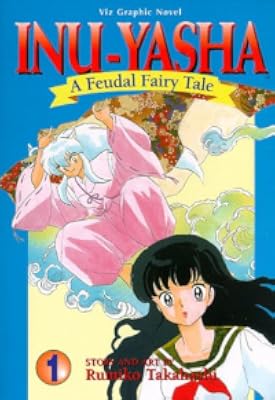
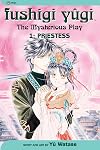
Follows the adventures of high school student Kagome and the feral half-demon dog-boy Inu-Yasha as they join forces to reclaim the "Jewel of Four Souls" to prevent evil mortals and demons from using its terrifying powers.Tags
Recommendations

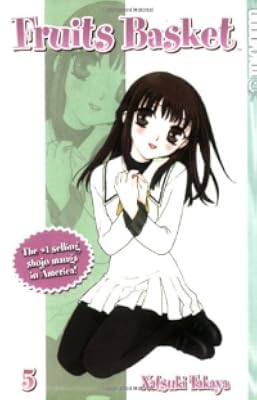
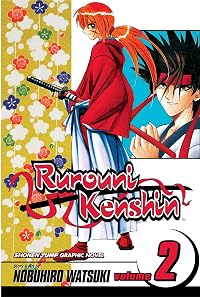
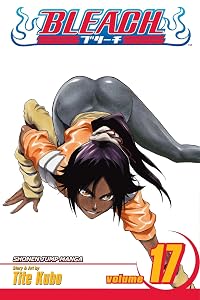
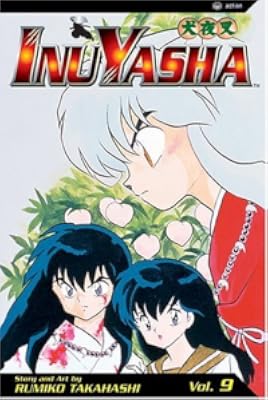
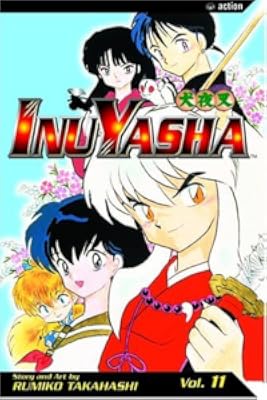
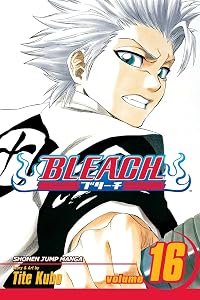
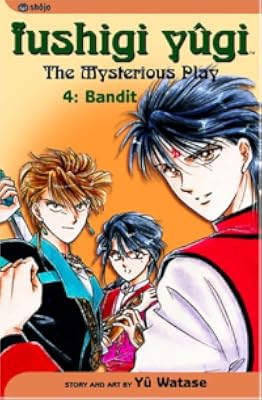
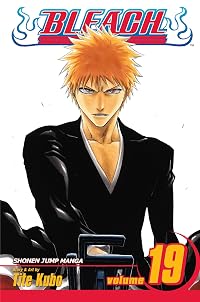
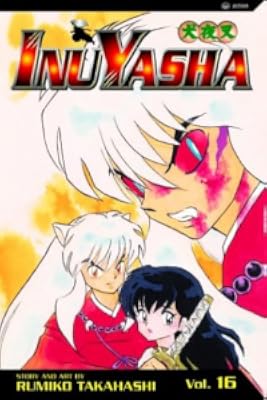
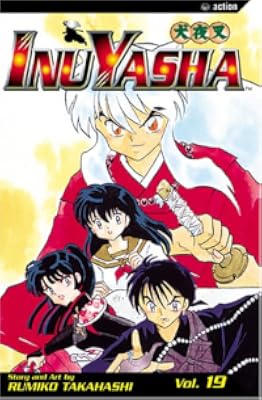

Member Recommendations

mene Both stories are about a female protagonist who travels a few hundred years to the past and meets a male whom she falls in love with. In both stories, the female protagonist travels back and forth to the past and her own time. "Inuyasha" is historical fantasy (it includes demons) and "Outlander" is historical fiction (the main characters get involved in historical events).
20
Member Reviews
Takahashi-san provide the most enjoyable possible way for a reader, young or old, to get into Japanese history, mythology, and culture. Bringing the well-won expertise from her earlier hit series but taking a more serious tone, Inuyasha functions as both a masterful long-running series and a simple getaway. The art is deceptively skillful, the characters are engaging, the nostalgia is strong.
This was a very cute one! I've been watching the anime and am most of the way through the third season (I think) and since I keep seeing comments that the manga is even better, I decided to give it a shot. Much like in the anime 15 year old Kagome is pulled into the Bone Eater's Well by a horrific centipede (which is quite scary in the anime but not so bad in the manga) only to wind up in Feudal Era Japan. There she sees the spell bound InuYasha stuck to a tree with an arrow and immediately goes to...fondle his ears LOL! I loved it!
I really do think I enjoyed this manga much better having seen the anime first. The drawing isn't quite as appealing to me as some other manga I have read but it is interesting in an early Popeye looking sort show more of way. Now that I've picked this one up and enjoyed it I think I'll have to pick up the other volumes (luckily my local library seems to have the full set). Since my memory is so bad I can't rightly remember what happens with hair girl, whom we were left off with in this volume, so it will be a nice trip back. show less
I really do think I enjoyed this manga much better having seen the anime first. The drawing isn't quite as appealing to me as some other manga I have read but it is interesting in an early Popeye looking sort show more of way. Now that I've picked this one up and enjoyed it I think I'll have to pick up the other volumes (luckily my local library seems to have the full set). Since my memory is so bad I can't rightly remember what happens with hair girl, whom we were left off with in this volume, so it will be a nice trip back. show less
This took approximately forever to get through. There are so many freaking volumes. At first, I enjoyed it, because it was kind of funny and silly. Unfortunately, it's incredibly formulaic and repetitive, kind of like episodes of The Power Rangers. You know what's going to happen, but it takes all of time to get there.
Basically, for about fifty of the volumes, they keep having skirmishes with the big bad of the series, Naraku. He's a hanyou like Inuyasha, determined to use the Shikon no Tama to become a full youkai and to be the most powerful dude in the world. He creates an evil league of evil to help him in his quest, and is generally a pain. Worst of all, whenever the good guys are winning a battle, he dematerializes, so that he can show more fight another day. Can anyone explain to me why only the bad guys have this power?
Speaking of power, Inuyasha and his brother have a lot of it, more than anyone else apparently. Apparently being hanyou is to power as being a muggle-born witch has to do with magical ability, which is to say that it has very little to do with it. However, what drove me completely crazy was that Inuyasha has like three attacks for thirty-some volumes of the series. He doesn't learn anything! He continues to fight like an idiot, and finally gets attacks because other people help him out. Inuyasha does not really seem like a hero who would be able to defeat anyone intelligent enough to target his weaknesses.
Okay, so as a shounen, it's not that great, because the action is so mindless and repetitive. How about the romance elements? Those are better at least, right? Not in my opinion. For longer than I deem acceptable, Inuyasha continues to be torn between Kagome and Kikyou. I get that it's a complicated situation, but that is so not cool. Plus, Kagome's like 14 or something at the beginning. Sheesh.
The other romance of the series is Houshi and Sango, which I definitely did not ship either. Houshi really creeps me out because of the way he asks every woman he meets if she'll bear his child. Sango would probably be my favorite character, because she kicks so much ass, but she always becomes so girly and not like herself around Houshi. Ugh!
The art is not great, though it does have a certain charm. However, this charm dissipates over time. In a lot of long manga series, the art gets better along the way, but not so here.
This definitely turned out not to be my thing. The story is weak (seriously, how did Kagome pass middle school?) and so is the characterization. However, this is one of the most popular manga there is, so keep in mind that lots of people probably would not agree with my reactions. show less
Basically, for about fifty of the volumes, they keep having skirmishes with the big bad of the series, Naraku. He's a hanyou like Inuyasha, determined to use the Shikon no Tama to become a full youkai and to be the most powerful dude in the world. He creates an evil league of evil to help him in his quest, and is generally a pain. Worst of all, whenever the good guys are winning a battle, he dematerializes, so that he can show more fight another day. Can anyone explain to me why only the bad guys have this power?
Speaking of power, Inuyasha and his brother have a lot of it, more than anyone else apparently. Apparently being hanyou is to power as being a muggle-born witch has to do with magical ability, which is to say that it has very little to do with it. However, what drove me completely crazy was that Inuyasha has like three attacks for thirty-some volumes of the series. He doesn't learn anything! He continues to fight like an idiot, and finally gets attacks because other people help him out. Inuyasha does not really seem like a hero who would be able to defeat anyone intelligent enough to target his weaknesses.
Okay, so as a shounen, it's not that great, because the action is so mindless and repetitive. How about the romance elements? Those are better at least, right? Not in my opinion. For longer than I deem acceptable, Inuyasha continues to be torn between Kagome and Kikyou. I get that it's a complicated situation, but that is so not cool. Plus, Kagome's like 14 or something at the beginning. Sheesh.
The other romance of the series is Houshi and Sango, which I definitely did not ship either. Houshi really creeps me out because of the way he asks every woman he meets if she'll bear his child. Sango would probably be my favorite character, because she kicks so much ass, but she always becomes so girly and not like herself around Houshi. Ugh!
The art is not great, though it does have a certain charm. However, this charm dissipates over time. In a lot of long manga series, the art gets better along the way, but not so here.
This definitely turned out not to be my thing. The story is weak (seriously, how did Kagome pass middle school?) and so is the characterization. However, this is one of the most popular manga there is, so keep in mind that lots of people probably would not agree with my reactions. show less
I started with the anime, but can't wait to read more of the manga. Inuyasha is and always will be one of my favorite series. A timeless tale of magic, survival, and love, it captured my attention from the very beginning. Recommended for anyone who wants to read about action, adventure, magic, or someone who wants to read a good love story.
Kagome is a modern Japanese high school girl. She has always been the sort who never really believed in myths or legends, even though her grandfather is obsessed with old stories, the family house is crammed with mystical talismans, and everything around her seems to have a legend attached to it. But all that changes one day when a hideous, otherwordly creature oulls her out of her own world and into Japan's ancient past! There she discovers more than a few of those dusty old legends are true, and her destiny is linked to one legendary creature in particular - a doglike half-demon called In-Yasha! Turning back time: once in the past, Kagome discovers that she wasn't pulled into the past by accident - her very life is linked to the show more events of hundreds of years past by the mystical Shikon Jewel, or "Jewel of Four Souls". Is Kagome really the reincarnation of the priestess who once guarded the jewel? The same one who nearly killed Inu-Yasha? show less
Kagome is a modern-day Japanese teenager who discovers she can travel back in time 500 years by jumping into an old well. Inuyasha is a half human/half demon with long hair and a short temper. He wants the powerful Shikon jewel in order to make himself a full fledge demon, but Kagome just happens to shatter the gem into a gazillion pieces. The two must now join up together to search for the shards of the jewel before they fall into the wrong hands.
Along the way they are joined by
Shippo: a young fox demon (that I mistook for a female at first when I saw the anime of the show),
Miroku: a lecherous Buddhist monk who is constantly asking women to bear his child, and
Sango: a demon slayer who's kid brother Kohaku has been brainwashed into show more working for the evil demon Naraku.
There's also Kikyo, a priestess that Inuyasha was in love with 50 years earlier. It just so happens that Kagome is the reincarnation of Kikyo. (Sounds confusing but if you read the series you'll understand.)
Sesshomaru is Inuyasha's older half brother, a full demon who is constantly trying to kill Inuyasha. But it's Naraku who is the main baddy of the series. He's also on the quest to gather the jewel shards and when he's not trying to kill Inuyasha he's trying to figure out his confused feelings for Kikyo because he too was in love with her fifty years ago. While Kikyo seems to be the object of everyone's affections, I personally don't like the character and wish she would die - again. See, she was dead but she was brought back to life and ...
Just read the series. It'll all make sense. show less
Along the way they are joined by
Shippo: a young fox demon (that I mistook for a female at first when I saw the anime of the show),
Miroku: a lecherous Buddhist monk who is constantly asking women to bear his child, and
Sango: a demon slayer who's kid brother Kohaku has been brainwashed into show more working for the evil demon Naraku.
There's also Kikyo, a priestess that Inuyasha was in love with 50 years earlier. It just so happens that Kagome is the reincarnation of Kikyo. (Sounds confusing but if you read the series you'll understand.)
Sesshomaru is Inuyasha's older half brother, a full demon who is constantly trying to kill Inuyasha. But it's Naraku who is the main baddy of the series. He's also on the quest to gather the jewel shards and when he's not trying to kill Inuyasha he's trying to figure out his confused feelings for Kikyo because he too was in love with her fifty years ago. While Kikyo seems to be the object of everyone's affections, I personally don't like the character and wish she would die - again. See, she was dead but she was brought back to life and ...
Just read the series. It'll all make sense. show less
A graphic novel is different in that it reads and looks like a comic book. It is certainly an attractive format for a young adult reader. The main character, Kagome, is a typical modern Japanese student. She is not interested in hearing all the legends and old stories her grandfather loves to talk about, until one day she is mysteriously pulled into a well by a horrid creature. She falls into an ancient land called Sengoku Jidai (1482-1558) where most of those old stories and legends her grandfather told her come to life. Kagome discovers she must fight next to a doglike half-demon creature called In-Yasha if she is to secure the mystical, “Jewel of four Souls”.
This story is pleasure reading and the sentences are written in show more vernacular, in fact sometimes the sentences are not even complete but fragmented. The reading is very easy and it does not require much time to finish the book since the bulk of the pages are dedicated to the art work. I think boys will particularly be interested in this story since it revolves around Karate fighting and Kagone is a sexually attractive young girl who is dressed in a very short skirt. Unfortunately the artist might have gone too far, in one of the drawings Kagone is topless. Kagone takes off her clothes to take a, “sacred bath” so that she can get new magical powers. No man can see her naked or he will be, “punished by the Gods.” But of course the reader and In-Yasha see her. Some parents and staff members might find this particular drawing inappropriate for young readers show less
This story is pleasure reading and the sentences are written in show more vernacular, in fact sometimes the sentences are not even complete but fragmented. The reading is very easy and it does not require much time to finish the book since the bulk of the pages are dedicated to the art work. I think boys will particularly be interested in this story since it revolves around Karate fighting and Kagone is a sexually attractive young girl who is dressed in a very short skirt. Unfortunately the artist might have gone too far, in one of the drawings Kagone is topless. Kagone takes off her clothes to take a, “sacred bath” so that she can get new magical powers. No man can see her naked or he will be, “punished by the Gods.” But of course the reader and In-Yasha see her. Some parents and staff members might find this particular drawing inappropriate for young readers show less
Members
- Recently Added By
Published Reviews
InuYasha was the first comic that I actively collected, the manga that introduced me to the Wednesday comic-buying ritual and the very notion of self-identifying as a fan. Though I followed it religiously for years, trading in my older editions for new ones, watching the anime, and speculating about the finale, my interest in the series gradually waned as I was exposed to new artists and new show more genres. Still, InuYasha held a special place in my heart; reading it was one of my seminal experiences as a comic fan, making me reluctant to re-visit InuYasha for fear of sullying those precious first-manga memories. VIZ’s recent decision to re-issue InuYasha in an omnibus edition, however, inspired me to pick it up again. I made a shocking discovery in the process of re-reading the first chapters: InuYasha is good. Really good, in fact, and deserving of more respect than it gets from many critics.
What makes InuYasha work? I can think of five reasons:
1. The story arcs are long enough to be complex and engaging, but not so long as to test the patience.
There’s a Zen quality to Rumiko Takahashi’s storytelling that might not be obvious at first glance; after all, she loves a pratfall or a sword fight as much as the next shonen manga-ka. Don’t let that surface activity fool you, however: Takahashi has a terrific sense of balance, staging a romantic interlude between a demon-of-the-week episode and a longer storyline involving Naraku’s minions, thus preventing the series from devolving into a punishing string of battle arcs. The other great advantage of this approach is that Takashi carves out more space for her characters to interact as people, not just combatants; as a result, InuYasha is one of the few shonen manga in which the characters’ relationships evolve over time.
2. Takahashi knows how to stage a fight scene that’s dramatic, tense, and mercifully short.
‘Nuff said.
3. InuYasha‘s villains are powerful and strange, not strawmen.
Though we know our heroes will prevail — it’s shonen, for Pete’s sake — Takahashi throws creative obstacles in their way that makes their eventual triumph more satisfying. Consider Naraku. In many respects, he’s a standard-issue bad guy: he’s omnipotent, charismatic, and manipulative, capable of finding the darkness and vulnerability in the purest soul. (He also has fabulous hair, another reliable indication of his villainy.) Yet the way in which Naraku wields power is genuinely unsettling, as he fashions warriors from pieces of himself, then reabsorbs them into his body when they outlive their usefulness. Naraku’s manifestations are peculiar, too. Some are female, some are children, some have monstrous bodies, and some have the power to create their own demonic offspring, but few look like the sort of golem I’d create if I wanted to wreak havoc. And therein lies Naraku’s true power: his opponents never know what form he’ll take next, or whether he’s already among them.
Sesshomaru, too, is another villain who proves more interesting than he first appears. In the very earliest chapters of the manga, he’s a bored sociopath who has no qualms about using InuYasha’s mama trauma to trick his younger brother into revealing the Tetsusaiga’s location. As the story progresses, however, Sesshomaru begins tolerating the company of a cheerful eight-year-old girl who, in a neat inversion of the usual human-canine relationship, is dependent on her dog-demon master for protection, food, and companionship. Takahashi resists the urge to fully “humanize” Sesshomaru, however; he remains InuYasha’s scornful adversary for most of the series, largely unchanged by his peculiar fixation with Rin.
And did I mention that Sesshomaru has awesome hair? Oh, to be a villain in a Takahashi manga!
4. InuYasha‘s female characters kick ass.
Back in 2008, Shaenon Garrity wrote a devastatingly funny article about the seven types of female characters in shonen manga, from The Tomboy to The Little Girl to The Experienced Older Woman. I’m pleased to report that none of these types appear in InuYasha; in fact, InuYasha boasts one of the smartest, toughest, and most appealing set of female characters in shonen manga. And by “tough,” I don’t mean that Kagome, Kikyo, and Sango brandish weapons while wearing provocative outfits; I mean they persist in the face of adversity, even if their own lives are at stake. They’re strong enough to hold their own against demons, ghosts, and heavily armed bandits, and wise enough to know when words are more effective than weapons. They’re not adverse to the idea of romance, but recovering the Shikon Jewel takes precedence over dating. And they’re woman enough to cry if something awful happens, though they’d rather shed their tears in private than show their pain to others.
5. The horror! The horror!
Takahashi may have the coolest resume of anyone working in manga today; not only did she study script writing with Kazuo Koike, she also worked as an assistant to Kazuo Umezu — an apprenticeship that’s evident in the early chapters of InuYasha. In between Kagome and InuYasha’s first encounters with Naraku are a handful of short but spooky stories in which seemingly benign objects — a noh mask, a peach tree — are transformed by Shikon Jewel shards into instruments of torture and killing. Takahashi’s horror stories are less florid than Umezu’s, with fewer detours into WTF? territory, but like Umezu, Takahashi has a vivid imagination that yields some decidedly scary images. Here, for example, is the demonic peach tree from chapter 79, “The Fruits of Evil”:
Takahashi doesn’t just use these images to shock; she uses them to illustrate the consequences of ugly emotions, impulsive actions, and violent behavior, to show us how these choices slowly corrode the soul and transform us into the most monstrous version of ourselves. (Also to show us the consequences of substituting human bones and blood for Miracle Gro. Kids, don’t try this at home.)
What Takahashi does better than almost anyone is walk the fine line between terror and horror. Gothic novelist Ann Radcliffe, author of The Mysteries of Udolpho (1794) and The Italian (1797), was one of the first writers to argue that terror and horror were different states of arousal. “Terror and Horror are so far opposite, that the first expands the soul and awakens the faculties to a high degree of life; the other contracts, freezes and nearly annihilates them,” she wrote in an 1826 essay, “On the Supernatural in Poetry.” Critiquing Radcliffe’s work in 1966, Devendra P. Varma explained that difference more concretely: “The difference between Terror and Horror is the difference between awful apprehension and sickening realization: between the smell of death and stumbling against a corpse.” And that’s exactly where Takahashi operates: she gives us tantalizing, suggestive glimpses of scary things, then keeps them obscured until the denouement of the story, allowing our imaginations to supply most of the grisly details. We read her work in a heightened state of awareness, which only intensifies our pleasure — and revulsion — when the true nature of Kagome and InuYasha’s foes are revealed.
* * * * *
If you haven’t looked at InuYasha in a while, or missed it during the height of its popularity, now is a great time to give it a try. Each volume of the VIZBIG edition collects three issues, allowing readers to more fully immerse themselves in the story. And if you’re a purist about packaging, you’ll be happy to know that VIZ is finally issuing InuYasha in an unflipped format — a first in the series’ US history. show less
What makes InuYasha work? I can think of five reasons:
1. The story arcs are long enough to be complex and engaging, but not so long as to test the patience.
There’s a Zen quality to Rumiko Takahashi’s storytelling that might not be obvious at first glance; after all, she loves a pratfall or a sword fight as much as the next shonen manga-ka. Don’t let that surface activity fool you, however: Takahashi has a terrific sense of balance, staging a romantic interlude between a demon-of-the-week episode and a longer storyline involving Naraku’s minions, thus preventing the series from devolving into a punishing string of battle arcs. The other great advantage of this approach is that Takashi carves out more space for her characters to interact as people, not just combatants; as a result, InuYasha is one of the few shonen manga in which the characters’ relationships evolve over time.
2. Takahashi knows how to stage a fight scene that’s dramatic, tense, and mercifully short.
‘Nuff said.
3. InuYasha‘s villains are powerful and strange, not strawmen.
Though we know our heroes will prevail — it’s shonen, for Pete’s sake — Takahashi throws creative obstacles in their way that makes their eventual triumph more satisfying. Consider Naraku. In many respects, he’s a standard-issue bad guy: he’s omnipotent, charismatic, and manipulative, capable of finding the darkness and vulnerability in the purest soul. (He also has fabulous hair, another reliable indication of his villainy.) Yet the way in which Naraku wields power is genuinely unsettling, as he fashions warriors from pieces of himself, then reabsorbs them into his body when they outlive their usefulness. Naraku’s manifestations are peculiar, too. Some are female, some are children, some have monstrous bodies, and some have the power to create their own demonic offspring, but few look like the sort of golem I’d create if I wanted to wreak havoc. And therein lies Naraku’s true power: his opponents never know what form he’ll take next, or whether he’s already among them.
Sesshomaru, too, is another villain who proves more interesting than he first appears. In the very earliest chapters of the manga, he’s a bored sociopath who has no qualms about using InuYasha’s mama trauma to trick his younger brother into revealing the Tetsusaiga’s location. As the story progresses, however, Sesshomaru begins tolerating the company of a cheerful eight-year-old girl who, in a neat inversion of the usual human-canine relationship, is dependent on her dog-demon master for protection, food, and companionship. Takahashi resists the urge to fully “humanize” Sesshomaru, however; he remains InuYasha’s scornful adversary for most of the series, largely unchanged by his peculiar fixation with Rin.
And did I mention that Sesshomaru has awesome hair? Oh, to be a villain in a Takahashi manga!
4. InuYasha‘s female characters kick ass.
Back in 2008, Shaenon Garrity wrote a devastatingly funny article about the seven types of female characters in shonen manga, from The Tomboy to The Little Girl to The Experienced Older Woman. I’m pleased to report that none of these types appear in InuYasha; in fact, InuYasha boasts one of the smartest, toughest, and most appealing set of female characters in shonen manga. And by “tough,” I don’t mean that Kagome, Kikyo, and Sango brandish weapons while wearing provocative outfits; I mean they persist in the face of adversity, even if their own lives are at stake. They’re strong enough to hold their own against demons, ghosts, and heavily armed bandits, and wise enough to know when words are more effective than weapons. They’re not adverse to the idea of romance, but recovering the Shikon Jewel takes precedence over dating. And they’re woman enough to cry if something awful happens, though they’d rather shed their tears in private than show their pain to others.
5. The horror! The horror!
Takahashi may have the coolest resume of anyone working in manga today; not only did she study script writing with Kazuo Koike, she also worked as an assistant to Kazuo Umezu — an apprenticeship that’s evident in the early chapters of InuYasha. In between Kagome and InuYasha’s first encounters with Naraku are a handful of short but spooky stories in which seemingly benign objects — a noh mask, a peach tree — are transformed by Shikon Jewel shards into instruments of torture and killing. Takahashi’s horror stories are less florid than Umezu’s, with fewer detours into WTF? territory, but like Umezu, Takahashi has a vivid imagination that yields some decidedly scary images. Here, for example, is the demonic peach tree from chapter 79, “The Fruits of Evil”:
Takahashi doesn’t just use these images to shock; she uses them to illustrate the consequences of ugly emotions, impulsive actions, and violent behavior, to show us how these choices slowly corrode the soul and transform us into the most monstrous version of ourselves. (Also to show us the consequences of substituting human bones and blood for Miracle Gro. Kids, don’t try this at home.)
What Takahashi does better than almost anyone is walk the fine line between terror and horror. Gothic novelist Ann Radcliffe, author of The Mysteries of Udolpho (1794) and The Italian (1797), was one of the first writers to argue that terror and horror were different states of arousal. “Terror and Horror are so far opposite, that the first expands the soul and awakens the faculties to a high degree of life; the other contracts, freezes and nearly annihilates them,” she wrote in an 1826 essay, “On the Supernatural in Poetry.” Critiquing Radcliffe’s work in 1966, Devendra P. Varma explained that difference more concretely: “The difference between Terror and Horror is the difference between awful apprehension and sickening realization: between the smell of death and stumbling against a corpse.” And that’s exactly where Takahashi operates: she gives us tantalizing, suggestive glimpses of scary things, then keeps them obscured until the denouement of the story, allowing our imaginations to supply most of the grisly details. We read her work in a heightened state of awareness, which only intensifies our pleasure — and revulsion — when the true nature of Kagome and InuYasha’s foes are revealed.
* * * * *
If you haven’t looked at InuYasha in a while, or missed it during the height of its popularity, now is a great time to give it a try. Each volume of the VIZBIG edition collects three issues, allowing readers to more fully immerse themselves in the story. And if you’re a purist about packaging, you’ll be happy to know that VIZ is finally issuing InuYasha in an unflipped format — a first in the series’ US history. show less
added by susieimage
Author Information

Rumiko Takahashi was born in Niigata, Japan on October 10, 1957. She is a creator of manga. Her works include Urusei Yatsura, Maison Ikkoku, The Mermaid Saga, and Ranma ½. (Bowker Author Biography)
Some Editions
Series

Belongs to Publisher Series
Work Relationships
Is contained in
Common Knowledge
- Canonical title
- InuYasha, Volume 1
- Original title
- 犬夜叉 1
- Alternate titles
- InuYasha, Vol. 1: Turning Back Time
- Original publication date
- 1997-04-18
- People/Characters
- InuYasha; Kikyou; Kaede; Grandpa Higarashi; Kagome Higurashi; Buyo the cat (show all 12); Souta Higurashi; Mistress Centipede; Bandit Chief; Corpse Dancing Crow; Yura of the Hair; Mama Higurashi
- Important places
- Higarashi Shrine, Tokyo; the Bone-Eater's Well; Kaede's village
- Related movies
- InuYasha: A Feudal Fairytale (2000-2004); InuYasha: The Final Act (2009-2010)
- First words
- Hya, ha, ha, ha, ha, ha!
This is only what you deserve! Just as I deserve the JEWEL OF FOUR SOULS! - Quotations
- "The legend has been passed down through the ages about, "The bone eaters well" . . . telling of an eviel within it that causes the corpses of monsters to disappear . . . somewhere . . .
- Last words
- (Click to show. Warning: May contain spoilers.)We'll have to show them a great old time . . . won't we?
To be continued . . . - Original language
- Japanese
- Disambiguation notice
- Contents: Chapters 1-8
Classifications
- Genre
- Graphic Novels & Comics
- DDC/MDS
- 741.5952 — Arts & recreation Drawing & decorative arts Drawing Comic books, graphic novels, fotonovelas, cartoons, caricatures, comic strips History, geographic treatment, biography Asian Japanese
- LCC
- PN6790 .J33 .T337 — Language and Literature Literature (General) Literature (General) Collections of general literature Comic books, strips, etc.
- BISAC
Statistics
- Members
- 1,024
- Popularity
- 25,389
- Reviews
- 14
- Rating
- (3.95)
- Languages
- 10 — Dutch, English, Finnish, French, German, Indonesian, Japanese, Polish, Spanish, Swedish
- Media
- Paper, Ebook
- ISBNs
- 30
- UPCs
- 2
- ASINs
- 2