On This Page
Description
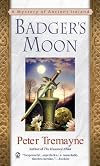
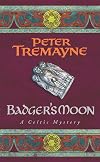
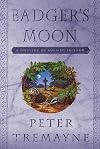
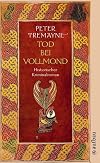
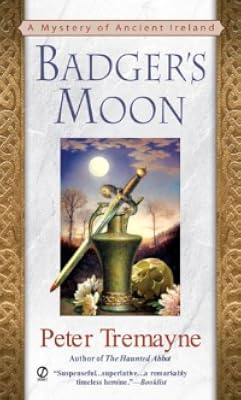
A series of horrific murders has brought terror to the Kingdom of Muman. The victims, all young girls, were slaughtered with unspeakable violence on the nights of three consecutive full moons. Suspicion falls on three dark strangers from the distant land of Aksum (Ethiopia), who are guests at the Abbey of Finbarr. A panic-stricken mob attacks the abbey, leaving the religious in fear for their lives. Sister Fidelma and Brother Eadulf are called in to restore order and find the killer, but it show more soon becomes clear that the three mysterious strangers are hiding a dark secret. And what about the ageing Laig, a hermit-like apothecary, who is known to have instructed all the three victims about the magic and power of the moon; what sinister truths are hidden in his dark woodland dwelling? As Fidelma struggles to repair her faltering relationship with Eadulf, can she uncover the truth before the killer strikes again on the next night of the full moon? show lessTags
Recommendations


Member Reviews
NOTE: Small spoiler ahead.
"...you would do well to remember that this land is not separated from the rest of the world, but shares the sins of humanity in equal proportion. "(137)
These words, uttered by the character of Brother Dangila, are but a sample of the increased depth in this installment of the Sister Fidelma series. Brother Dangila and two of his colleagues are three "strangers" from the Kingdom of Aksum, which reached its greatest power in the sixth century, and had begun to decline in the time of Fidelma. The Kingdom occupied what is now Northern Ethiopia and Eritrea, and parts of modern Sudan, if internet maps are correct. The book (rather gently) brings in themes of racism and xenophobia, and it the quote above is one show more moment where even Fidelma must confront her implicit biases.
The plot develops rather slowly, but there's a lot more nuance built into Fidelma's character, not only in the way she uses her role as a dálaigh as a coping mechanism as she is experiencing postpartum depression but also how she really is interrogating her multiple identities as an emblem of jurisprudence, sister to the king, and now, a mother (apologies if you read the series out of order). There are perhaps a few too many characters and families to keep track of, but most intriguing are Liag the apothecary and Conrí, war chief of the Uí Fidgente. And there are, of course, the customary hothead soldiers/warriors that seem to feature in all the books. The plot has many twists and turns, but generally was not enough to hold my interest. Luckily, I was so surprised by the next-level themes in this particular book, that I kept going. The book ends (the epilogue, anyway) on a cliffhanger...the mark of a true and secure serial!
It has been rewarding to read the series in order because one gets the sense that Tremayne is trying things on for size. I hope the greater character development and depth continues to be part of this series. show less
"...you would do well to remember that this land is not separated from the rest of the world, but shares the sins of humanity in equal proportion. "(137)
These words, uttered by the character of Brother Dangila, are but a sample of the increased depth in this installment of the Sister Fidelma series. Brother Dangila and two of his colleagues are three "strangers" from the Kingdom of Aksum, which reached its greatest power in the sixth century, and had begun to decline in the time of Fidelma. The Kingdom occupied what is now Northern Ethiopia and Eritrea, and parts of modern Sudan, if internet maps are correct. The book (rather gently) brings in themes of racism and xenophobia, and it the quote above is one show more moment where even Fidelma must confront her implicit biases.
The plot develops rather slowly, but there's a lot more nuance built into Fidelma's character, not only in the way she uses her role as a dálaigh as a coping mechanism as she is experiencing postpartum depression but also how she really is interrogating her multiple identities as an emblem of jurisprudence, sister to the king, and now, a mother (apologies if you read the series out of order). There are perhaps a few too many characters and families to keep track of, but most intriguing are Liag the apothecary and Conrí, war chief of the Uí Fidgente. And there are, of course, the customary hothead soldiers/warriors that seem to feature in all the books. The plot has many twists and turns, but generally was not enough to hold my interest. Luckily, I was so surprised by the next-level themes in this particular book, that I kept going. The book ends (the epilogue, anyway) on a cliffhanger...the mark of a true and secure serial!
It has been rewarding to read the series in order because one gets the sense that Tremayne is trying things on for size. I hope the greater character development and depth continues to be part of this series. show less
Becc, chieftain of the Cinel na Aeda, sends for Fidelma as there appears to be a serial killer in his lands targetting young girls at the full moon.
An excellent entry in this series. After a very spooky beginning, the investigation got more and more intriguing as different threads wove together and separated. There was one point where I thought something was introduced simply to prolong the action but in fact it was a logical development. Highly recommended. I wasn't intending to read the next one just yet, but we ended on such a cliffhanger I'm forced to carry on.
An excellent entry in this series. After a very spooky beginning, the investigation got more and more intriguing as different threads wove together and separated. There was one point where I thought something was introduced simply to prolong the action but in fact it was a logical development. Highly recommended. I wasn't intending to read the next one just yet, but we ended on such a cliffhanger I'm forced to carry on.
It started out with a spooky weird murder with the murderer apparently drawing power from the Moon. It is a red herring that follows you throughout the book. This leads to a rather unsatisfactory ending. There are a school of red herring in this book and that makes it tedious for this reader.
The summary reveal, which is something I normally look forward to in reading this series of books, is very weak.
Not the best book of the series.
The summary reveal, which is something I normally look forward to in reading this series of books, is very weak.
Not the best book of the series.
Sister Fidelma is a 7th Century female monk in Ireland who also happens to be an advocate of the
Brehon courts (kind a lawyer/judge), as well as the sister of the King of Cashel. We find Fidelma and Eadulf shortly after haveing a child together being called to solve several crisly murders. Ther murders had been occuring during the full moon, and happened to start shortly after some strangers arrived at the local monestary. Fidelma has to work against the local supersticions to find the "lunitic" responsible.
Brehon courts (kind a lawyer/judge), as well as the sister of the King of Cashel. We find Fidelma and Eadulf shortly after haveing a child together being called to solve several crisly murders. Ther murders had been occuring during the full moon, and happened to start shortly after some strangers arrived at the local monestary. Fidelma has to work against the local supersticions to find the "lunitic" responsible.
This is one of the best series for historical mystery lovers out there. Sister Fidelman and her companion, Broterh Eadulf, travel Ireland solving mysteries in the 7th century A.D. and occassionally getting sent to other parts of the British Isles and Italy.
'De Nacht Van De Das' van Peter Tremayne is het twaalfde deel in de zuster Fidelma serie. Het zijn misdaadverhalen die zich af spelen in het midden van de zevende eeuw na Christus.
Historische detectives vormen een variant op de gewone historische roman. Je hebt ze grosso mode in twee soorten: boeken waarin het thrillerelement overheerst en boeken die je meer leren, meer inzicht geven in een bepaalde tijd. De minder goede doen dat door hun kennis schoolmeesterachtig uit te stallen, de beste strooien hun wetenswaardigheden organisch door het geheel, zonder pedanterie en zonder de vaart van het verhaal te hinderen.
De zuster Fidelma-boeken behoren tot de tweede categorie, net als de broeder Cadfael verhalen van Ellis Peters, waarmee ze show more vaak vergeleken worden. Ze voeren ons binnen een totaal vreemde wereld. Vrijwel niemand weet dat Ierland veertien eeuwen geleden een -zelfs in onze ogen- zeer geëmancipeerde samenleving was.
Wereldwijd is er lof voor deze historische detectives.
The International Sister Fidelma Society organiseert voor fans regelmatig een Zuster Fidelma-festival in Cashel in Ierland. Leden van deze vereniging ontvangen de nieuwsbrief “The Brehon”.
Zuster Fidelma is niet alleen maar een non, ze is ook een gediplomeerd dálaigh. Dat is een hoge functionaris van het zeer oude Ierse rechtssysteem, dat bekend stond als de wetten van de Brehons. Ze komt uit de koninklijke familie, haar broer Colgú is koning van het Ierse koninkrijk Muman. Fidelma lost samen met haar Saksische partner Eadulf, een monnik, complexe misdaadmysteries op.
In dit deel onderzoeken ze de moord op drie jonge vrouwen bij volle maan. De dorpelingen verdenken een groep vreemdelingen die in het naburige klooster logeren, maar zuster Fidelma’s onderzoek levert ook andere verdachten op. Door speurwerk en logisch nadenken lost zij uiteindelijk de moorden op. Tijdens de rechtszitting in het laatste hoofdstuk vallen de puzzelstukjes voor de lezer op hun plek/plaats. De uitkomst was voor mij wel een verrassing. En dit deel eindigt met een cliffhanger. Ik blijf zo nieuwsgierig naar het volgende deel...
Tremayne vertelt veel over de historische achtergrond, maar ik vind het niet storend. Elk deel bevat voorin historische achtergrondinformatie, een kaartje van het Ierse koninkrijk Muman, informatie over de uitspraak van de Ierse woorden en een lijst van de belangrijkste personages.
Veel meer over zuster Fidelma is te vinden op haar website.
Series lees ik graag op volgorde en de uitgever De Leeskamer heeft een overzicht.
Joke show less
Historische detectives vormen een variant op de gewone historische roman. Je hebt ze grosso mode in twee soorten: boeken waarin het thrillerelement overheerst en boeken die je meer leren, meer inzicht geven in een bepaalde tijd. De minder goede doen dat door hun kennis schoolmeesterachtig uit te stallen, de beste strooien hun wetenswaardigheden organisch door het geheel, zonder pedanterie en zonder de vaart van het verhaal te hinderen.
De zuster Fidelma-boeken behoren tot de tweede categorie, net als de broeder Cadfael verhalen van Ellis Peters, waarmee ze show more vaak vergeleken worden. Ze voeren ons binnen een totaal vreemde wereld. Vrijwel niemand weet dat Ierland veertien eeuwen geleden een -zelfs in onze ogen- zeer geëmancipeerde samenleving was.
Wereldwijd is er lof voor deze historische detectives.
The International Sister Fidelma Society organiseert voor fans regelmatig een Zuster Fidelma-festival in Cashel in Ierland. Leden van deze vereniging ontvangen de nieuwsbrief “The Brehon”.
Zuster Fidelma is niet alleen maar een non, ze is ook een gediplomeerd dálaigh. Dat is een hoge functionaris van het zeer oude Ierse rechtssysteem, dat bekend stond als de wetten van de Brehons. Ze komt uit de koninklijke familie, haar broer Colgú is koning van het Ierse koninkrijk Muman. Fidelma lost samen met haar Saksische partner Eadulf, een monnik, complexe misdaadmysteries op.
In dit deel onderzoeken ze de moord op drie jonge vrouwen bij volle maan. De dorpelingen verdenken een groep vreemdelingen die in het naburige klooster logeren, maar zuster Fidelma’s onderzoek levert ook andere verdachten op. Door speurwerk en logisch nadenken lost zij uiteindelijk de moorden op. Tijdens de rechtszitting in het laatste hoofdstuk vallen de puzzelstukjes voor de lezer op hun plek/plaats. De uitkomst was voor mij wel een verrassing. En dit deel eindigt met een cliffhanger. Ik blijf zo nieuwsgierig naar het volgende deel...
Tremayne vertelt veel over de historische achtergrond, maar ik vind het niet storend. Elk deel bevat voorin historische achtergrondinformatie, een kaartje van het Ierse koninkrijk Muman, informatie over de uitspraak van de Ierse woorden en een lijst van de belangrijkste personages.
Veel meer over zuster Fidelma is te vinden op haar website.
Series lees ik graag op volgorde en de uitgever De Leeskamer heeft een overzicht.
Joke show less
Feb 17, 2011Dutch
Un très bon épisode. Tous les ingrédients sont réunis, c'est bien équilibré, le dénouement reste insoupconnable jusqu'à la fin mais tout se tient. J'adore les enquêtes de soeur Fidelma!
Apr 3, 2009French
Members
- Recently Added By
Lists

Physical TBR List
68 works; 1 member
Author Information

148+ Works 14,988 Members
Peter Tremayne is the fiction writing pseudonym of the Celtic scholar and author Peter Berresford Ellis, who was born in Coventry, Warwickshire, England on March 10, 1943. Even though he received a BA and an MA in Celtic Studies, he decided to become a journalist and worked at numerous weekly newspapers throughout England and Ireland. In 1968, he show more published is first book, Wales: A Nation Again, about the Welsh struggle for political independence. He became a full-time writer in 1975 and has published over 90 books under his own name and the pseudonyms Peter Tremayne and Peter MacAlan. One of his best known works under his real name is The Cornish Language and its Literature, which is considered the definitive history of the language. In 1988, he received an Irish Post Award in recognition of his services to Irish historical studies. Under the pseudonym Peter Tremayne, he writes the Sister Fidelma Mystery series. He received the French Prix Historia for the best historical mystery novel of 2010 for Le Concile des Maudits (The Council of the Cursed). (Bowker Author Biography) show less
Series

Common Knowledge
- Canonical title
- Badger's Moon
- Original title
- Badger's Moon
- Original publication date
- 2003-09-16 (Headline Book Publishing ∙ London) (Headline Book Publishing ∙ London)
- People/Characters
- Sister Fidelma; Brother Eadulf (Saxon); Colgu of Cashel (king | Muman); Segdae (bishop); Sarait (nursemaid); Becc (chieftain) (show all 31); Adag (steward); Accobran (tanist); Lesren (tanner); Bebhail; Seachlann (miller); Brocc; Sirin (cook); Berrach; Goll (woodcutter); Finmed; Liag (apothecary); Abbot Brogan; Conri (war chier | Ui Fidgente); Creoda (tanner | assistant); Brother Dangila; Gabran; Brother Gambela; Gobnuid (smith); Menma (hunter); Brother Nakfa; Sioda; Brother Solam; Suanach; Tomma (smith | assistant); Brother Tuan (steward)
- Important places
- Ireland
- Dedication
- For Denis, The O'Long of Garranelogy, descendant of the Eoghanacht Prince Longadh, eponymous ancestor of the O'Longs who was a contemporary of Sister Fidelma, and for Lester, Madam O'Long, with gratitude for their friendship ... (show all)and hospitality.
- First words
- May no demons, no ill, no calamity or terrifying dreams Disturb our rest, our willing, prompt repose.
- Last words
- (Click to show. Warning: May contain spoilers.)'Sárait has been murdered and your son, Alchú, has been kidnapped.'
Classifications
Statistics
- Members
- 379
- Popularity
- 82,547
- Reviews
- 8
- Rating
- (3.79)
- Languages
- 5 — Dutch, English, French, German, Italian
- Media
- Paper, Audiobook, Ebook
- ISBNs
- 13
- ASINs
- 9