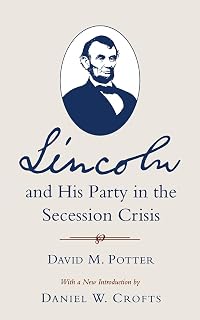
Lincoln and His Party in the Secession Crisis
by David M. Potter
On This Page
Description
Originally published in 1942, this perceptive and impartial analysis of one of the most baffling periods in American history?the months between the election of Lincoln and the fall of Fort Sumter?was a bold declaration of intellectual independence. David M. Potter revolted against the prevailing southern argument that Lincoln deliberately provoked the South into war to bring a violent end to slavery, arguing instead that the new president followed the least aggressive course available to him show more in dealing with the secession crisis. Based on a painstaking examination of the writings and statements of both the northern principal players in the crisis and other, lesser-known Republicans who revealed the sentiment of the party?s rank and file, this groundbreaking study details the Republicans? attitudes to the threat of secession, their reaction to the actual withdrawal of the southern states, and their faith that the Union could be restored without violence. Daniel W. Crofts provides a new Introduction, setting Potter?s account in the context of contemporary literature. show lessTags
Recommendations






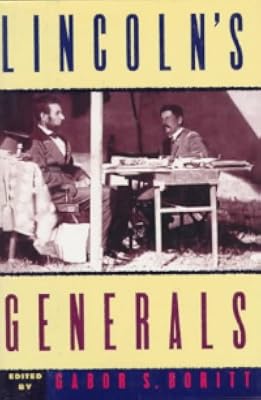
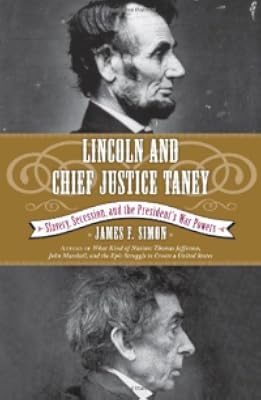
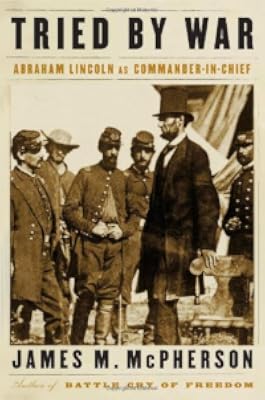





Member Recommendations

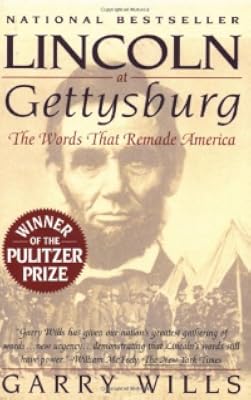
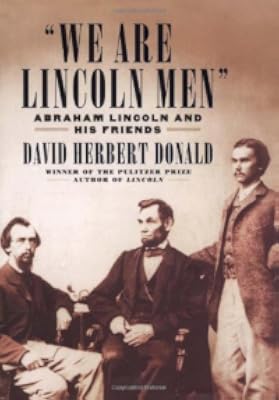
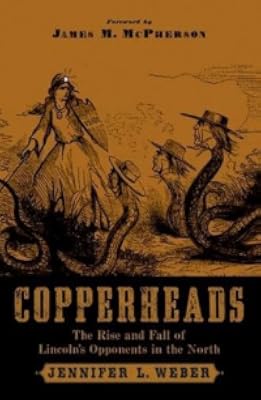
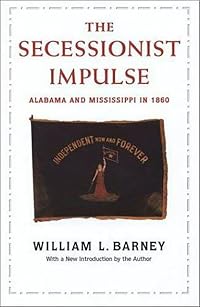
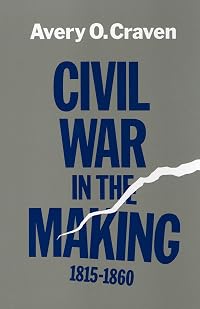
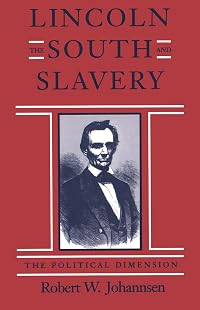
pitjrw Two great books covering the same period and events but one from perspective of a close cotemporary observer and the other eighty years later.
Member Reviews
David M. Potter is a very good author who wrote one of my favorite books, The Impending Crisis. This books covers a short section of the same period. Potter does very thorough research. His footnotes in this book are about seventy percent primary sources. There are citations to newspaper articles, the Congressional Globe and numerous letters. I can imagine that literally years of work went into this volume.
Potter is also a disciplined historian and always writes from the perspectives of the time he is writing about not from what we know now. Many historians cannot resist narrating from the present making all that has happened seem inevitable. This deprives the reader of learning what it was like to go through the events when the future show more was still unknown.
In this book Potter refutes the thesis of many Southern writers who argue that Lincoln tricked the South into starting the Civil War. The Lincoln portrayed here is almost naive in his belief of strong Unionist sentiment in the South. Many of his actions were taken in an attempt to bring about a peaceful reunion based upon this belief. This conclusion seems to be where the evidence led not the author seeking to come up with a controversial point of view to make a name for himself. I have never seen the idea of peaceful reunion emphasized as it is here. Lincoln's strategy was to keep the border states, including Virginia, from seceding. Then the seven gulf states would return. There was actually a period in February when five states voted against secession. Other writers seem to accept the secession and war as inevitable and do not explore the alternatives seen by the leadership at the time.
Seward was even more placating to the South and his attempt to run the administration began with the policy on Fort Sumter. As portrayed here up until early April of 1861 there was strong sentiment to evacuate the fort. Seward even made some commitments that the fort would be evacuated. It is these types of actions that are used to argue that the Northern leadership was maneuvering the South into starting the war. The Northern leadership actually allowed itself to be led astray by unrealistic optimism that the South would return without war. The actual beginning of the war is beyond the scope of the book.
This book was written in 1942 but the conclusions of the author are still new ideas in the writing about secession. I enjoyed the book and think that anyone studying this period should get the benefit of the author's perspective. show less
Potter is also a disciplined historian and always writes from the perspectives of the time he is writing about not from what we know now. Many historians cannot resist narrating from the present making all that has happened seem inevitable. This deprives the reader of learning what it was like to go through the events when the future show more was still unknown.
In this book Potter refutes the thesis of many Southern writers who argue that Lincoln tricked the South into starting the Civil War. The Lincoln portrayed here is almost naive in his belief of strong Unionist sentiment in the South. Many of his actions were taken in an attempt to bring about a peaceful reunion based upon this belief. This conclusion seems to be where the evidence led not the author seeking to come up with a controversial point of view to make a name for himself. I have never seen the idea of peaceful reunion emphasized as it is here. Lincoln's strategy was to keep the border states, including Virginia, from seceding. Then the seven gulf states would return. There was actually a period in February when five states voted against secession. Other writers seem to accept the secession and war as inevitable and do not explore the alternatives seen by the leadership at the time.
Seward was even more placating to the South and his attempt to run the administration began with the policy on Fort Sumter. As portrayed here up until early April of 1861 there was strong sentiment to evacuate the fort. Seward even made some commitments that the fort would be evacuated. It is these types of actions that are used to argue that the Northern leadership was maneuvering the South into starting the war. The Northern leadership actually allowed itself to be led astray by unrealistic optimism that the South would return without war. The actual beginning of the war is beyond the scope of the book.
This book was written in 1942 but the conclusions of the author are still new ideas in the writing about secession. I enjoyed the book and think that anyone studying this period should get the benefit of the author's perspective. show less
Ratings
Members
- Recently Added By
Author Information

15+ Works 1,051 Members
In 1968 Martin Duberman described David Potter as a man who "may be the greatest living historian of the United States. With the additional evidence of this collection of his essays [The South and the Sectional Conflict] I'm glad for the chance to say that in print, not least because Potter is little known outside the historical profession, in show more part because he has written only a few volumes . . . and in part because he has always shied away from self-advertisement" (N.Y.Times). A native southerner, Potter did his undergraduate studies at Emory University and took his Ph.D. at Yale University in 1940. He taught at a number of universities, including Yale from 1942 to 1961 and Stanford from 1961 until his death. He also lectured widely in this country and abroad and served as Harmsworth Professor at Oxford University and Commonwealth Fund Lecturer at London University. (Bowker Author Biography) show less
Common Knowledge
- People/Characters
- Abraham Lincoln
- Important events
- Secession Crisis
Classifications
- Genres
- Nonfiction, History, Politics and Government, General Nonfiction, Biography & Memoir
- DDC/MDS
- 973.7092 — History & geography History of North America United States Civil War Era (1857-1865) Civil War
- LCC
- E440.5 .P856 — History of the United States United States Revolution to the Civil War, 1775/1783-1861 By period Middle nineteenth century, 1845/1848-1861 Buchanan's administration, 1857-1861 State of the country, November 1860-
- BISAC
Statistics
- Members
- 61
- Popularity
- 508,857
- Reviews
- 1
- Rating
- (3.33)
- Languages
- English
- Media
- Paper
- ISBNs
- 4