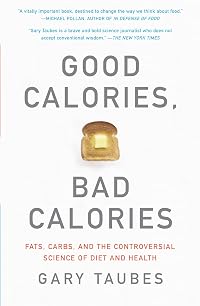
Good Calories, Bad Calories: Challenging the Conventional Wisdom on Diet, Weight Control, and Disease
by Gary Taubes
On This Page
Description
This groundbreaking book by award-winning science writer and bestselling author of Why We Get Fat and The Case for Keto shows us that almost everything we believe about the nature of a healthy diet is wrong.For decades we have been taught that fat is bad for us, carbohydrates better, and that the key to a healthy weight is eating less and exercising more. Yet despite this advice, we have seen unprecedented epidemics of obesity and diabetes. Taubes argues that the problem lies in refined show more carbohydrates, like white flour, easily digested starches, and sugars, and that the key to good health is the kind of calories we take in, not the number.
Called “a very important book,” by Andrew Weil and ”destined to change the way we think about food,” by Michael Pollan, this groundbreaking book by award-winning science writer Gary Taubes shows us that almost everything we believe about the nature of a healthy diet is wrong. show less
Tags
Recommendations
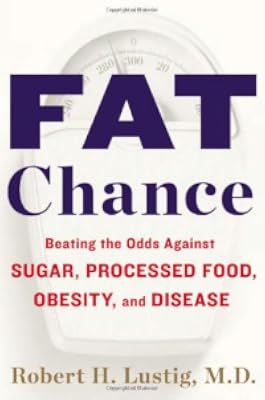

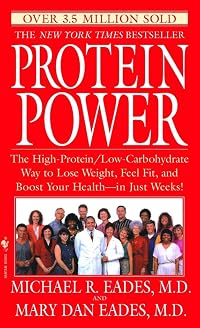
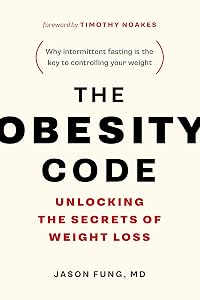
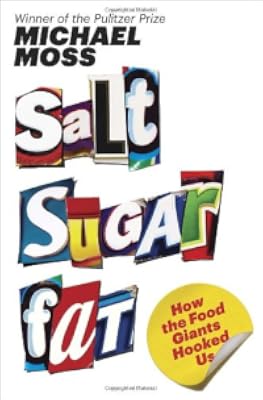
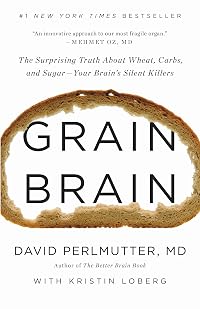
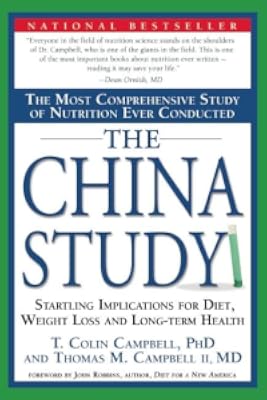
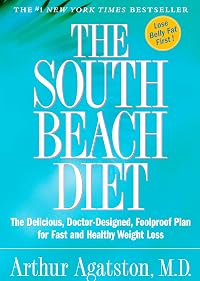
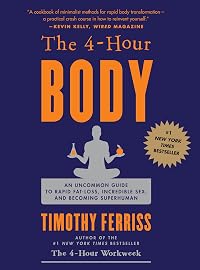
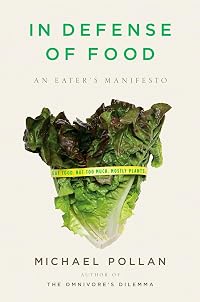
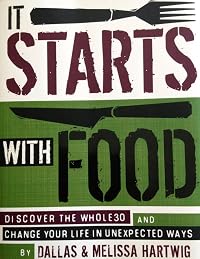
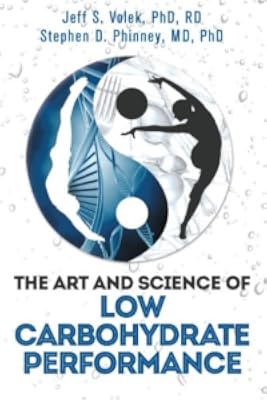
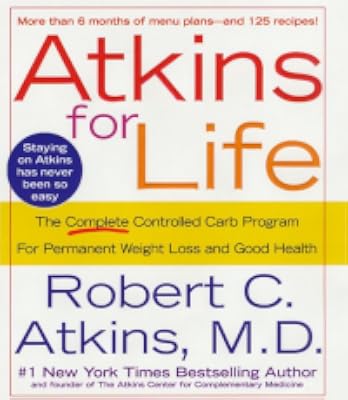
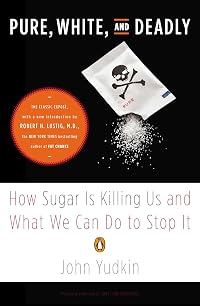
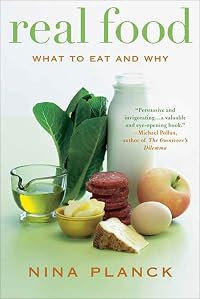
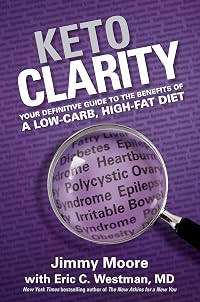
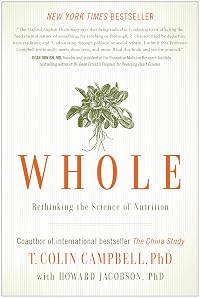
Member Recommendations
kukulaj Juarrero's book studies the difference between a wink and a blink, developing a theoretical framework to help us understand that difference. Taubes's book is about whether fat accumulation is more like a wink or more like a blink. Obesity is a huge public health problem, so Taubes is doing a great service - but the book is missing a good theoretical framework, which makes its conclusions shaky. Juarrero could provide just the foundation that Taubes lacks.
Member Reviews
In GC, BC, Taubes proposes that there is no real empirical evidence to support what government health authorities and other “experts” say is truth and that a lot of contradictory evidence has been deliberately ignored. In a nutshell, there are no studies that meet rigorous scientific parameters that prove either side of the carbohydrate/fat hypothesis. That’s right; no studies. The ones we have are flawed, rigged or just plain unscientific (ie The China Study which is an observational study done by a non-scientist, so does not meet the requirements). The ones we need are too difficult to control properly and will never be done for that reason and because it doesn’t make financial sense to do them. Who do you think sponsors these show more studies, altruists? Nope. General Mills. Monsanto. Big Pharma. Coca Cola. Proctor and Gamble. Kraft Food. Mars (manufacturer of M&M, Snickers and other candy bars). How much money do you think those companies would continue to make if it was PROVEN their products make us sick? How much money do you think these companies would continue to make if it was proven diet could eliminate the need for them (statins, blood pressure meds, insulin)? How much more money do you think the researchers would continue to receive if they proved such things?
As I have said before, I am not a scientist, nor do I play one on TV, but I do have scientific curiosity and a bit of knowledge about how the experimentation process should go.
Make an observation
Form hypothesis
Design testing protocols using controls, double-blinds and repetition
Measure results against hypothesis
If evidence/results does support your idea, yay for you, go on with line of inquiry
If evidence/results does not support your idea, yay for you, find out what they do support
Form new hypothesis
See second step
Too bad none of the researchers in today’s upper echelon of health/nutrition “experts” seem to know these basic facts (and they’re certainly not the first - people have been ignoring scientific strictures for decades in pursuit of their own glory). They seem to all either parrot poorly done/totally rigged/nonexistent studies, or they are so blinded by what they WANT to see that they make excuse after excuse about evidence that doesn’t support what they want to see. It’s truly staggering and made me very angry while reading this book. Taubes makes a point NOT to call any of these willfully ignorant/corrupt people scientists because frankly, they’re not.
At the end of this very scientifically dense book Taubes sums up well by saying that there is enough evidence to contradict everything we “know” about saturated fat, sugar, refined carbohydrates and how we get fat to warrant serious investigation, but that absolutely no one will take it on. Why not? No money in it. I’ve said it before and I’ll say it again - there is no money in healthy people. No drug money. No cheap food money. No mono-agriculture money. No shipping money. No saving on government pension money (because if your population never reaches retirement age, you don’t have to pay). No diet advice treadmill of things that don’t work money. No money. It pays to keep your population sick, overweight, deluded, dependent and ultimately dead. It makes me sick to think about, but seriously I think it’s true. Big corps want us sick because it keeps us shelling out the money. Government wants to keep big corps happy so they don’t do anything to stop them. I know it’s fashionable now to blame everything on those two entities, but they control policy and public opinion to such an extent that it’s hard not to draw the conclusion.
I can’t help but liken it to crime investigation. We have jailed saturated fat without trial. The first line of inquiry in any criminal investigation is find out who benefits, but no one dares do so. The cops and prosecutors have turned up exculpatory evidence and buried it so that they could ensure a guilty verdict. The real criminal (refined carbohydrates) has been allowed to go free and kill more people with the full the full blessing of the police, the courts and the law-makers. Private investigators with the same exculpatory evidence are slandered, silenced, beaten up and ridiculed. Cops who try to buck the system are paid off or given the same treatment as the private cops. The press has been suckered or bought. Falsely accused saturated fat is still in jail. The people who benefited from the original crime are still making out like bandits and the victims just keep piling up. What’s to be done? Do your own investigation. Be critical of news reports, bloggers, documentaries and other media sources just spouting the same old conventional wisdom that got us here. I cannot wait for Denise Minger’s upcoming book, currently titled Death by Food Pyramid, because she’s going to school us on how to read reports and study data to suss out what’s truth, what’s assumption and what’s just bad science.
Anyway...who should read this book? Everyone. But not everyone can because it is pretty dry, scientifically dense and lacks a definitive call to action. Maybe his follow-up book Why We Get Fat is a better starting point, but for those who like lots of facts and investigative language, I highly recommend reading it. At least it will get you thinking and that’s the important result.
Read more: http://thebookmarque.blogspot.com/2012/07/good-calories-bad-calories-by-gary.htm... show less
As I have said before, I am not a scientist, nor do I play one on TV, but I do have scientific curiosity and a bit of knowledge about how the experimentation process should go.
Make an observation
Form hypothesis
Design testing protocols using controls, double-blinds and repetition
Measure results against hypothesis
If evidence/results does support your idea, yay for you, go on with line of inquiry
If evidence/results does not support your idea, yay for you, find out what they do support
Form new hypothesis
See second step
Too bad none of the researchers in today’s upper echelon of health/nutrition “experts” seem to know these basic facts (and they’re certainly not the first - people have been ignoring scientific strictures for decades in pursuit of their own glory). They seem to all either parrot poorly done/totally rigged/nonexistent studies, or they are so blinded by what they WANT to see that they make excuse after excuse about evidence that doesn’t support what they want to see. It’s truly staggering and made me very angry while reading this book. Taubes makes a point NOT to call any of these willfully ignorant/corrupt people scientists because frankly, they’re not.
At the end of this very scientifically dense book Taubes sums up well by saying that there is enough evidence to contradict everything we “know” about saturated fat, sugar, refined carbohydrates and how we get fat to warrant serious investigation, but that absolutely no one will take it on. Why not? No money in it. I’ve said it before and I’ll say it again - there is no money in healthy people. No drug money. No cheap food money. No mono-agriculture money. No shipping money. No saving on government pension money (because if your population never reaches retirement age, you don’t have to pay). No diet advice treadmill of things that don’t work money. No money. It pays to keep your population sick, overweight, deluded, dependent and ultimately dead. It makes me sick to think about, but seriously I think it’s true. Big corps want us sick because it keeps us shelling out the money. Government wants to keep big corps happy so they don’t do anything to stop them. I know it’s fashionable now to blame everything on those two entities, but they control policy and public opinion to such an extent that it’s hard not to draw the conclusion.
I can’t help but liken it to crime investigation. We have jailed saturated fat without trial. The first line of inquiry in any criminal investigation is find out who benefits, but no one dares do so. The cops and prosecutors have turned up exculpatory evidence and buried it so that they could ensure a guilty verdict. The real criminal (refined carbohydrates) has been allowed to go free and kill more people with the full the full blessing of the police, the courts and the law-makers. Private investigators with the same exculpatory evidence are slandered, silenced, beaten up and ridiculed. Cops who try to buck the system are paid off or given the same treatment as the private cops. The press has been suckered or bought. Falsely accused saturated fat is still in jail. The people who benefited from the original crime are still making out like bandits and the victims just keep piling up. What’s to be done? Do your own investigation. Be critical of news reports, bloggers, documentaries and other media sources just spouting the same old conventional wisdom that got us here. I cannot wait for Denise Minger’s upcoming book, currently titled Death by Food Pyramid, because she’s going to school us on how to read reports and study data to suss out what’s truth, what’s assumption and what’s just bad science.
Anyway...who should read this book? Everyone. But not everyone can because it is pretty dry, scientifically dense and lacks a definitive call to action. Maybe his follow-up book Why We Get Fat is a better starting point, but for those who like lots of facts and investigative language, I highly recommend reading it. At least it will get you thinking and that’s the important result.
Read more: http://thebookmarque.blogspot.com/2012/07/good-calories-bad-calories-by-gary.htm... show less
From my Cannonball Read V review...
CANNONBALL!
It seems appropriate that I finished this book over Thanksgiving weekend, given our national propensity towards eating a fair bit more than usual during this time. I’d seen this book on the shelves at the bookstore before, and ignored it because it seemed like another cheesy diet book. After a friend described it as a book that made her actively feel smarter, I picked it up.
Before I get into the book, I want to point out that people can be fat for many reasons (as the book will show), and that moreover it is absurd to suggest – as society so often does – that one has to lose weight or become skinny to have value (or to be healthy). Lots of people want to say that fat people are show more unhealthy because they are fat, but when it comes down to it you really can’t usually tell if someone is healthy simply by looking at them or if you know their height and weight. Moreover, I don’t think anyone owes it to anyone else to be healthy. I think everyone should have access to things that can help them be healthy, but I don’t think anyone owes ME their health. And yes, that includes fat people who some think cost the healthcare system more. First off, they don’t (http://danceswithfat.wordpress.com/2011/11/10/obesity-and-health-care-costs/) but secondly, if we’re going to start requiring fat people to lose weight because they might cost us more in health care, then there are a whole lot of other people (people who drive, people who ride in cars, people who smoke, people who ski and might break a leg, people who play professional football) who apparently need to change their behaviors because we think they might cost us more. Alright. On to the review.
The next time you’re around family discussing weight loss, obesity, or anything really related to diet and nutrition, and someone (usually smug, usually skinny) says “it’s a simple matter of physics: calories in has to equal calories out or you’ll gain or lose weight,” hand him a copy of this book, and tell him to not comment on such things until he’s read the whole thing. In addition to possibly contributing to his education, it’ll have the added benefit of shutting him up, because no one wants to hear from that douchey cousin anyway.
Mr. Taubes’ purpose with this book is to examine as much of the science behind weight gain / loss and the diseases that tend to be associated with it as possible. He’s not so much interested in proving or disproving any one hypothesis; he’s interested in seeing what is out there from the last 100 years and trying to figure out if any of the conventional wisdom we hold regarding weight, nutrition and health stands up to scrutiny. It turns out much of it does not.
There is so much in this book that I can’t cover in this review (especially the discussion on why cholesterol tests may be measuring the wrong thing and ultimately not telling us what we think they are – I need to re-read that section to really understand it), but I wanted to pull out some interesting bits. While looking at some weight studies that have been done, Mr. Taubes pretty quickly dismisses the idea that people are fat because they ‘overeat’ (in fact he repeatedly uses many different studies to fight off this repellant ‘lack of willpower’ argument). The most interesting ones were the studies that had people eating the exact same diet and exerting the same amount of energy (usually these were prison inmates and thus easily tracked) and showing that across the board, some people gained weight, some stayed the same, and some may have lost weight. And among those gaining weight, some would gain two pounds, some would gain 10 or 15. Yes, those are just a few studies, but it does hold up when you think about the people you might know who seem to eat as much as or more than you and yet never gain any significant weight, while you might eat 1,500 calories a day, work out for 30 minutes six times a week, and struggle to fit into a size 16 pants. The question then becomes WHY does this happen?
Another interesting discussion revolved around exercise, and how it may have many health benefits, but that weight loss is not likely among those benefits. I’d read articles about this before; the thinking is that yes, you work out and burn some calories, but the attendant rise in hunger will usually cancel out any weight loss based solely on activity. Let’s say you work out on the elliptical for 30 minutes more than usual and burn and extra 250 calories; just off of the hunger that a workout can produce you might consume that extra 250 with a single Cliff bar on the walk home from the gym. The author is not saying that exercise doesn’t have health benefits; only that those benefits don’t necessarily include weight loss.
It’s so interesting that many of the studies, if properly interpreted, provide very different conclusions than the ones the authors of them – and the policy wonks who reference them – concluded. That then leads to a whole lot of confirmation bias – people looking for support for answers they already have decided are correct and only conducting studies or referencing studies that support the answers they want. So you get one study that claims that fat is bad (but doesn’t actually properly measure that); common sense says well, people who are fat have a lot of fat, so duh, eat less fat to have less fat, and the wheels are set in motion. But what Taubes’ meta-research shows is that it is not fat that makes people fat and keeps people from a lower weight, but simple sugars and carbohydrates.
That’s right – the data (annoyingly) seems to overwhelmingly support the ideas that those obnoxious Atkins / South Beach / no carb diet books promote. Sort of, although not necessarily for the reasons those book site. Taubes’ understanding of the research out there suggests that what matters is not necessarily the amount of energy we consume (via food) but the type we consume that impacts the energy that is available to us, and the consumption of carbohydrates (think flour and potatoes, not the kind found in veggies and fruits) hinders the ability to make use of the energy we already have stored in our body, while also adding to those stores and increasing our fat. The book goes into a lot of detail and is very dense, so it’s hard to synthesize it down to this review (he’s apparently followed this book up with a book targeted more at the average reader, not science readers). But I am going to say that the argument he makes was really convincing to me. There’s so much more to say, but this review is already silly long, so if you’re interested (or screaming NO YOU’RE WRONG while reading this), then pick up the book.
As I said, this is NOT a diet book; however, the epilogue does offer his thoughts on what he thinks his meta-research has shown and what that means for people who want to maintain certain weight levels and stave off some diseases (the section on sugar and diseases is enough for me to seriously contemplate giving up added sugar completely), but he points out that there is so much more research that should be done and IS NOT being done because society assumes it already gets it. It’s sort of like the drunk who drops her keys and then only looks for them under where the streetlight is shining; it’s the easiest place to look, but that doesn’t mean the keys are there, and she’s likely going to miss them if the light is only shining on a small bit of street. We seem so focused on the ‘conventional wisdom’ (and so few of us have really read the studies) but that wisdom seems to have really not worked for so many people, so perhaps it’s time to focus more on what we haven’t yet tested. show less
CANNONBALL!
It seems appropriate that I finished this book over Thanksgiving weekend, given our national propensity towards eating a fair bit more than usual during this time. I’d seen this book on the shelves at the bookstore before, and ignored it because it seemed like another cheesy diet book. After a friend described it as a book that made her actively feel smarter, I picked it up.
Before I get into the book, I want to point out that people can be fat for many reasons (as the book will show), and that moreover it is absurd to suggest – as society so often does – that one has to lose weight or become skinny to have value (or to be healthy). Lots of people want to say that fat people are show more unhealthy because they are fat, but when it comes down to it you really can’t usually tell if someone is healthy simply by looking at them or if you know their height and weight. Moreover, I don’t think anyone owes it to anyone else to be healthy. I think everyone should have access to things that can help them be healthy, but I don’t think anyone owes ME their health. And yes, that includes fat people who some think cost the healthcare system more. First off, they don’t (http://danceswithfat.wordpress.com/2011/11/10/obesity-and-health-care-costs/) but secondly, if we’re going to start requiring fat people to lose weight because they might cost us more in health care, then there are a whole lot of other people (people who drive, people who ride in cars, people who smoke, people who ski and might break a leg, people who play professional football) who apparently need to change their behaviors because we think they might cost us more. Alright. On to the review.
The next time you’re around family discussing weight loss, obesity, or anything really related to diet and nutrition, and someone (usually smug, usually skinny) says “it’s a simple matter of physics: calories in has to equal calories out or you’ll gain or lose weight,” hand him a copy of this book, and tell him to not comment on such things until he’s read the whole thing. In addition to possibly contributing to his education, it’ll have the added benefit of shutting him up, because no one wants to hear from that douchey cousin anyway.
Mr. Taubes’ purpose with this book is to examine as much of the science behind weight gain / loss and the diseases that tend to be associated with it as possible. He’s not so much interested in proving or disproving any one hypothesis; he’s interested in seeing what is out there from the last 100 years and trying to figure out if any of the conventional wisdom we hold regarding weight, nutrition and health stands up to scrutiny. It turns out much of it does not.
There is so much in this book that I can’t cover in this review (especially the discussion on why cholesterol tests may be measuring the wrong thing and ultimately not telling us what we think they are – I need to re-read that section to really understand it), but I wanted to pull out some interesting bits. While looking at some weight studies that have been done, Mr. Taubes pretty quickly dismisses the idea that people are fat because they ‘overeat’ (in fact he repeatedly uses many different studies to fight off this repellant ‘lack of willpower’ argument). The most interesting ones were the studies that had people eating the exact same diet and exerting the same amount of energy (usually these were prison inmates and thus easily tracked) and showing that across the board, some people gained weight, some stayed the same, and some may have lost weight. And among those gaining weight, some would gain two pounds, some would gain 10 or 15. Yes, those are just a few studies, but it does hold up when you think about the people you might know who seem to eat as much as or more than you and yet never gain any significant weight, while you might eat 1,500 calories a day, work out for 30 minutes six times a week, and struggle to fit into a size 16 pants. The question then becomes WHY does this happen?
Another interesting discussion revolved around exercise, and how it may have many health benefits, but that weight loss is not likely among those benefits. I’d read articles about this before; the thinking is that yes, you work out and burn some calories, but the attendant rise in hunger will usually cancel out any weight loss based solely on activity. Let’s say you work out on the elliptical for 30 minutes more than usual and burn and extra 250 calories; just off of the hunger that a workout can produce you might consume that extra 250 with a single Cliff bar on the walk home from the gym. The author is not saying that exercise doesn’t have health benefits; only that those benefits don’t necessarily include weight loss.
It’s so interesting that many of the studies, if properly interpreted, provide very different conclusions than the ones the authors of them – and the policy wonks who reference them – concluded. That then leads to a whole lot of confirmation bias – people looking for support for answers they already have decided are correct and only conducting studies or referencing studies that support the answers they want. So you get one study that claims that fat is bad (but doesn’t actually properly measure that); common sense says well, people who are fat have a lot of fat, so duh, eat less fat to have less fat, and the wheels are set in motion. But what Taubes’ meta-research shows is that it is not fat that makes people fat and keeps people from a lower weight, but simple sugars and carbohydrates.
That’s right – the data (annoyingly) seems to overwhelmingly support the ideas that those obnoxious Atkins / South Beach / no carb diet books promote. Sort of, although not necessarily for the reasons those book site. Taubes’ understanding of the research out there suggests that what matters is not necessarily the amount of energy we consume (via food) but the type we consume that impacts the energy that is available to us, and the consumption of carbohydrates (think flour and potatoes, not the kind found in veggies and fruits) hinders the ability to make use of the energy we already have stored in our body, while also adding to those stores and increasing our fat. The book goes into a lot of detail and is very dense, so it’s hard to synthesize it down to this review (he’s apparently followed this book up with a book targeted more at the average reader, not science readers). But I am going to say that the argument he makes was really convincing to me. There’s so much more to say, but this review is already silly long, so if you’re interested (or screaming NO YOU’RE WRONG while reading this), then pick up the book.
As I said, this is NOT a diet book; however, the epilogue does offer his thoughts on what he thinks his meta-research has shown and what that means for people who want to maintain certain weight levels and stave off some diseases (the section on sugar and diseases is enough for me to seriously contemplate giving up added sugar completely), but he points out that there is so much more research that should be done and IS NOT being done because society assumes it already gets it. It’s sort of like the drunk who drops her keys and then only looks for them under where the streetlight is shining; it’s the easiest place to look, but that doesn’t mean the keys are there, and she’s likely going to miss them if the light is only shining on a small bit of street. We seem so focused on the ‘conventional wisdom’ (and so few of us have really read the studies) but that wisdom seems to have really not worked for so many people, so perhaps it’s time to focus more on what we haven’t yet tested. show less
Does eating high fat foods lead more readily to accumulating fat in one's body than eating low fat foods? Is gaining weight controlled by the relationship between calories eaten and calories expended, or more by the types of foods one eats? If two quantities, e.g. rate of weight gain and the difference between eaten and expended calories, are tightly correlated, which quantity controls and which is controlled?
Taubes does a great job of walking us through these issues, and through the research and researchers that have explored them. It's a long enough book - 460 pages - but the dozen pages of epilogue sum it up very well. The crucial point is well stated, on pg 451: "The urge to simplify a complex scientific question so that physicians show more can apply it and their patients and the public embrace it has taken precedence over the scientific obligation of presenting the evidence with relentless honesty."
Taubes does not just focus on the weakness of the present orthodoxy of low fat diets. He points the finger squarely at refined carbohydrates. Eating these drives up insulin levels, which drives fat accumulation, which drives appetite. We don't control our appetite, our appetite controls us. But we can, indirectly, control our appetite, by controlling our diet, by cutting out refined carbohydrates.
Taubes presents this as a strong hypothesis, but not as something solidly established. Beyond the missing thorough and direct experimental testing of the hypothesis, many side questions remain. Clearly there is a wide variation in different people's response to food. The pattern of insulin response to food is not fixed or dependent merely on one's history of carbohydrate consumption. Surely genetics is a large factor. Taubes mentions the effects of nicotine and adrenaline.
This is more a book that raises questions than a book that settles answers. It does a great job of painting the landscape to make the questions meaningful and pointed.
Actually, one can step back a little further. Look at the monstrous debates over health insurance. These debates are fundamentally a waste of time. The problem is not at root one of who ought to pay health care costs. The USA spends a large fraction of GDP on health care, yet the results returned are disproportionately low by global standards. Redistributing the costs among the various payers will do very little to change that. Taubes book addresses some of the most basic health care issues in the USA and industrialized countries - especially diabetes and heart disease. Dealing effectively with these diseases would cut costs, and then the question of who should pay would become much less contentious.
This book is just a scouting report. Which details are accurate is not the point. Clearly the terrain we hear about is richly fertile. If our vast health care industry truly wants to improve public health in a cost effective way, the direction sketched by Taubes clearly deserves greatly increased research and development investment. Or maybe this will just be left to individual exploration, if industry actually has other priorities. show less
Taubes does a great job of walking us through these issues, and through the research and researchers that have explored them. It's a long enough book - 460 pages - but the dozen pages of epilogue sum it up very well. The crucial point is well stated, on pg 451: "The urge to simplify a complex scientific question so that physicians show more can apply it and their patients and the public embrace it has taken precedence over the scientific obligation of presenting the evidence with relentless honesty."
Taubes does not just focus on the weakness of the present orthodoxy of low fat diets. He points the finger squarely at refined carbohydrates. Eating these drives up insulin levels, which drives fat accumulation, which drives appetite. We don't control our appetite, our appetite controls us. But we can, indirectly, control our appetite, by controlling our diet, by cutting out refined carbohydrates.
Taubes presents this as a strong hypothesis, but not as something solidly established. Beyond the missing thorough and direct experimental testing of the hypothesis, many side questions remain. Clearly there is a wide variation in different people's response to food. The pattern of insulin response to food is not fixed or dependent merely on one's history of carbohydrate consumption. Surely genetics is a large factor. Taubes mentions the effects of nicotine and adrenaline.
This is more a book that raises questions than a book that settles answers. It does a great job of painting the landscape to make the questions meaningful and pointed.
Actually, one can step back a little further. Look at the monstrous debates over health insurance. These debates are fundamentally a waste of time. The problem is not at root one of who ought to pay health care costs. The USA spends a large fraction of GDP on health care, yet the results returned are disproportionately low by global standards. Redistributing the costs among the various payers will do very little to change that. Taubes book addresses some of the most basic health care issues in the USA and industrialized countries - especially diabetes and heart disease. Dealing effectively with these diseases would cut costs, and then the question of who should pay would become much less contentious.
This book is just a scouting report. Which details are accurate is not the point. Clearly the terrain we hear about is richly fertile. If our vast health care industry truly wants to improve public health in a cost effective way, the direction sketched by Taubes clearly deserves greatly increased research and development investment. Or maybe this will just be left to individual exploration, if industry actually has other priorities. show less
I had avoided this for years because I have a very limited capacity for cheesy diet books. But I finally caught it at the library, and surprise! It's not a diet book at all. It's a medical journalism-style piece following the history and politics of obesity and nutrition research for the past hundred years or so. It's fascinating, somewhat dry, and really fairly eye-opening. Highly recommended if you dig the sciencey side of nutrition.
While reading this minutely researched, well-presented scientific look at the entire debate regarding calories, health and obesity, I found myself consistently angered by a medical establishment interested more in accolades and advancement of careers than in solid research and the health of people.
If Taubes' research is accurate, and it certainly seems well-documented, there are hundreds of thousands of people struggling with weight, dropping considerable cash on questionable treatments, diet plans and exercise regimens that have no scientific basis whatsoever to either improve health, or relieve people of poundage on a permanent basis.
I'd recommend every family physician (particularly mine, Dr. Phillip James), dietician, bariatric show more surgeon, psychologist -- in short anyone involved in health care -- to read this book. While it won't answer your questions (in fact I have more questions now than when I started), it will stimulate you to investigate further and perhaps find some truth behind the myths of obesity. show less
If Taubes' research is accurate, and it certainly seems well-documented, there are hundreds of thousands of people struggling with weight, dropping considerable cash on questionable treatments, diet plans and exercise regimens that have no scientific basis whatsoever to either improve health, or relieve people of poundage on a permanent basis.
I'd recommend every family physician (particularly mine, Dr. Phillip James), dietician, bariatric show more surgeon, psychologist -- in short anyone involved in health care -- to read this book. While it won't answer your questions (in fact I have more questions now than when I started), it will stimulate you to investigate further and perhaps find some truth behind the myths of obesity. show less
This book's title and back cover suggest that it is a diet book. It isn't -- it's journalistic approach to nutrition. And it is, exactly as my SantaThing page suggested, "nonfiction that fundamentally shifts the way you view the world, or that you're on a mission to ensure everyone knows."
Painstakingly laying the groundwork, Taubes pokes holes in everything we know about cholesterol, fats, carbohydrates, obesity, and balanced diets, and builds up the scientific framework -- never tested due to the assumed natural truth of what we all already know -- to argue that fats and proteins should be the fundamental building block of a healthy diet. Carbohydrates, and refined carbohydrates in particular, raise blood sugar and insulin levels, show more which fixes fats into adipose tissue and causes insulin resistance and diabetes.
Yes, this book's argument converges on urging the Atkin's diet. It's for that reason, I suspect, that the blurbs are so high level. Certainly if I had known what I was getting into, I would have dropped the book pretty early on due to skepticism -- but I'm glad I kept with it.
Taubes argues his case for reducing carbohydrate intake so forcefully that I strongly suspect there is some elided grey area, but the premise is a believable one. Recommended to people interested in diet, health, or books that shake up all your assumptions, who aren't afraid of lay-person-level scientific explanations. show less
Painstakingly laying the groundwork, Taubes pokes holes in everything we know about cholesterol, fats, carbohydrates, obesity, and balanced diets, and builds up the scientific framework -- never tested due to the assumed natural truth of what we all already know -- to argue that fats and proteins should be the fundamental building block of a healthy diet. Carbohydrates, and refined carbohydrates in particular, raise blood sugar and insulin levels, show more which fixes fats into adipose tissue and causes insulin resistance and diabetes.
Yes, this book's argument converges on urging the Atkin's diet. It's for that reason, I suspect, that the blurbs are so high level. Certainly if I had known what I was getting into, I would have dropped the book pretty early on due to skepticism -- but I'm glad I kept with it.
Taubes argues his case for reducing carbohydrate intake so forcefully that I strongly suspect there is some elided grey area, but the premise is a believable one. Recommended to people interested in diet, health, or books that shake up all your assumptions, who aren't afraid of lay-person-level scientific explanations. show less
Good Calories, Bad Calories is a battle tank of a book: Gary Taubes assembles a seemingly invincible machine of studies and data that grinds right through the last century of public opinion on diet and weight, crushing ignorant resisters wherever they may be found. It’s not pretty, it’s not fast, but it’s certainly effective.
In brief, Taubes identifies and traces out a long-standing thread of nutrition research that blames eating too much carbohydrate (in particular refined carbs and starches) for making us fat. In several very convincing sequences, he demonstrates how this consensus, common-sense proposition got buried under an alternative – and highly counterproductive – wave of US government-sponsored research in the 1950s show more onward that blamed dietary fat instead.
Good Calories, Bad Calories is relentless, thorough (sometimes to the point of saturation) and convincing. But taking seriously the implications of Taubes's conclusions is much harder: it means radical change in the average diet, with far more proteins and fats, and far fewer carbs.
I recommend this book strongly, but with one warning: it is a project to read. It’s well over 500 pages, and it’s very densely-written at points. But hey – lots of fluffy prose is much like all those fluffy carbs; they taste good but don’t do you much good. Sometimes it’s better to sink your teeth into something more substantial. show less
In brief, Taubes identifies and traces out a long-standing thread of nutrition research that blames eating too much carbohydrate (in particular refined carbs and starches) for making us fat. In several very convincing sequences, he demonstrates how this consensus, common-sense proposition got buried under an alternative – and highly counterproductive – wave of US government-sponsored research in the 1950s show more onward that blamed dietary fat instead.
Good Calories, Bad Calories is relentless, thorough (sometimes to the point of saturation) and convincing. But taking seriously the implications of Taubes's conclusions is much harder: it means radical change in the average diet, with far more proteins and fats, and far fewer carbs.
I recommend this book strongly, but with one warning: it is a project to read. It’s well over 500 pages, and it’s very densely-written at points. But hey – lots of fluffy prose is much like all those fluffy carbs; they taste good but don’t do you much good. Sometimes it’s better to sink your teeth into something more substantial. show less
Members
- Recently Added By
Lists

Top Five Books of 2013
1,562 works; 715 members

Recommend the 20 best books you've read in the last five years
2,168 works; 606 members

Favourite Books
1,819 works; 316 members

Unshelved Book Clubs
579 works; 5 members

Books That Changed Our Perspective
423 works; 168 members

Books Read in 2025
4,091 works; 97 members
Author Information

24+ Works 3,605 Members
Work Relationships
Has as a commentary on the text
Common Knowledge
- Canonical title
- Good Calories, Bad Calories: Challenging the Conventional Wisdom on Diet, Weight Control, and Disease
- Alternate titles
- The Diet Delusion: Challenging the Conventional Wisdom on Diet, Weight Loss and Disease
- Original publication date
- 1997
- Dedication
- For Sloane and Harry, my family
- First words
- William Banting was a fat man.
- Quotations
- In the prevailing wisdom, a simple caloric imbalance is the culprit: we get fat because we consume more calories than we expend. The alternative is that excess weight and obesity, like all diseases of civilization, are caused... (show all) by the singular hormonal effects of a diet rich in refined and easily digestible carbohydrates.
Certain conclusions seem inescapable to me, based on the existing knowledge:
1. Dietary fat, whether saturated or not, is not a cause of obesity, heart disease, or any other chronic disease of civilization.
2. The p... (show all)roblem is the carbohydrates in the diet, their effect on insulin secretion, and thus the hormonal regulation of homeostasis -- the entire harmonic ensemble of the human body. The more easily digestible and refined the carbohydrates, the greater the effect on our health, weight, and well-being.
3. Sugars -- sucrose and high-fructose corn syrup specifically -- are particularly harmful, probably because the combination of fructose and glucose simultaneously elevates insulin levels while overloading the liver with carbohydrates.
4. Through their direct effect on insulin and blood sugar, refined carbohydrates, starches, and sugars are the dietary cause of coronary heart disease and diabetes. They are the most likely dietary causes of cancer, Alzheimer's disease, and the other chronic diseases of civilization.
5. Obesity is a disorder of excess fat accumulation, not overeating, and not sedentary behavior.
6. Consuming excess calories does not cause us to grow fatter, any more than it causes a child to grow taller. Expending more energy than we consume does not lead to long-term weight loss; it leads to hunger.
7. Fattening and obseity are caused by an imbalance -- a disequilibrium -- in the hormonal regulation of adipose tissue and fat metabolism. Fat synthesis and storage exceed the mobilization of fat from the adipose tissue and its subsequent oxidation. We become leaner when the hormonal regulation of the fat tissue reverses its balance.
8. Insulin is the primary regulator of fat storage. When insulin levels are elevated -- either chronically or after a meal -- we accumulate fat in our fat tissue. When insulin levels fall, we release fat from our fat tissue and use it for fuel.
9. By stimulating insulin secretion, carbohydrates make us fat and ultimately cause obesity. The fewer carbohydrates we consume, the leaner we will be.
10. By driving fat accumulation, carbohydrates also increase hunger and decrease the amount of energy we expend in metabolism and physical activity. - Last words
- (Click to show. Warning: May contain spoilers.)If the tide of obesity and diabetes continues to rise around the world, it's hard to imagine that the cost of such trials, even a dozen or a hundred of them, won't ultimately be trivial compared with the societal cost.
- Blurbers
- Pollan, Michael; Ehrenreich, Barbara
Classifications
- Genres
- Nonfiction, Health & Wellness, General Nonfiction, Science & Nature
- DDC/MDS
- 613.283 — Applied science & technology Medicine & health Personal health and Fitness Dietetics Specific nutritive elements Carbohydrates
- LCC
- RM237.73 .T38 — Medicine Therapeutics. Pharmacology Therapeutics. Pharmacology Diet therapy. Dietary cookbooks
- BISAC
Statistics
- Members
- 1,233
- Popularity
- 20,006
- Reviews
- 47
- Rating
- (4.20)
- Languages
- English
- Media
- Paper, Audiobook, Ebook
- ISBNs
- 15
- ASINs
- 13