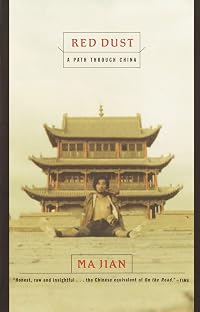
Red Dust: A Path Through China
by Ma Jian
On This Page
Description
History. Travel. Nonfiction. HTML:In 1983, at the age of thirty, dissident artist Ma Jian finds himself divorced by his wife, separated from his daughter, betrayed by his girlfriend, facing arrest for “Spiritual Pollution,” and severely disillusioned with the confines of life in Beijing. So with little more than a change of clothes and two bars of soap, Ma takes off to immerse himself in the remotest parts of China. His journey would last three years and take him through smog-choked show more cities and mountain villages, from scenes of barbarity to havens of tranquility. Remarkably written and subtly moving, the result is an insight into the teeming contradictions of China that only a man who was both insider and outsider in his own country could have written.. show less
Tags
Recommendations

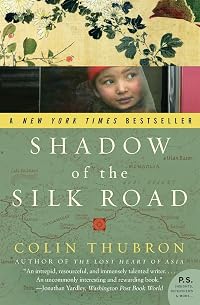
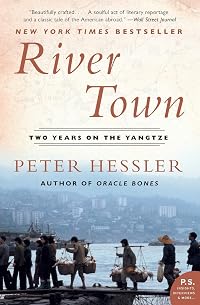
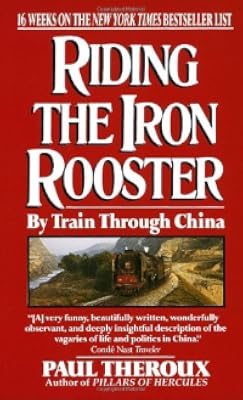
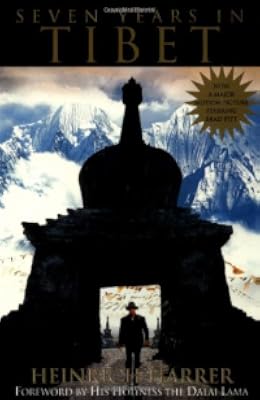
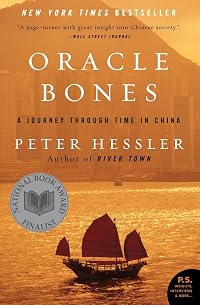

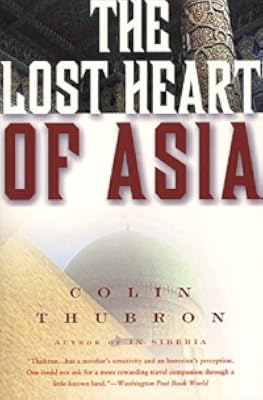
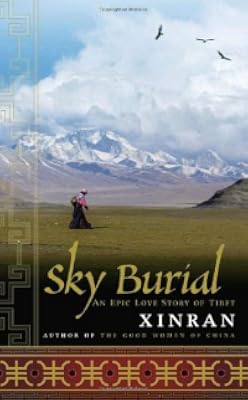
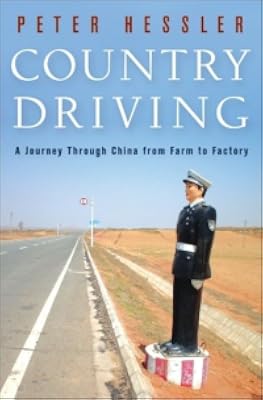
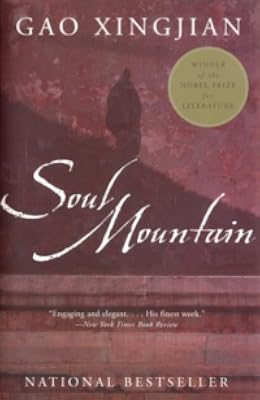
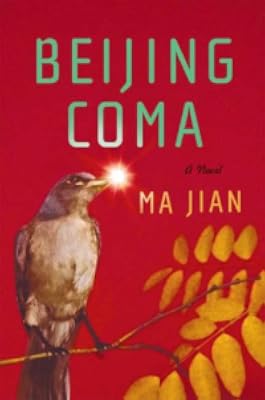
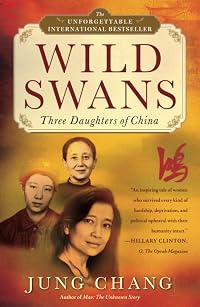
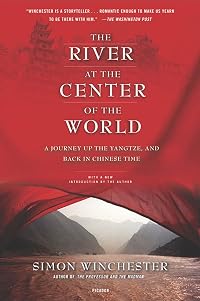

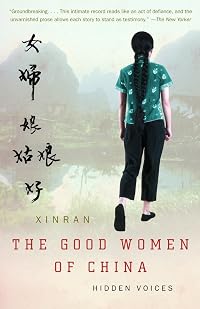
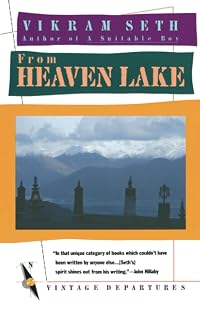
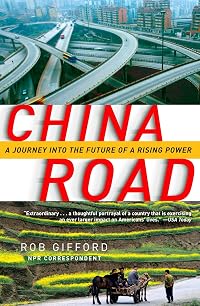
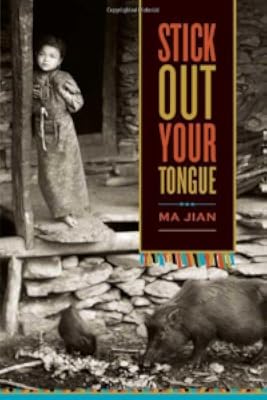
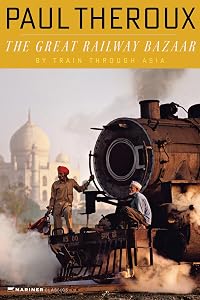
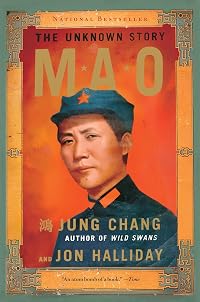
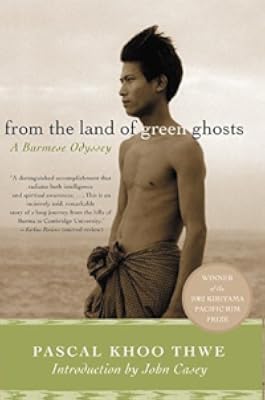
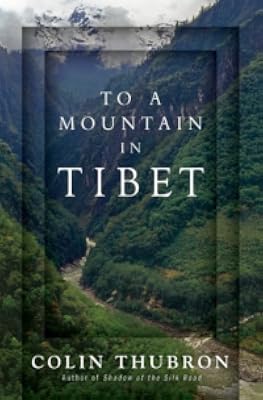
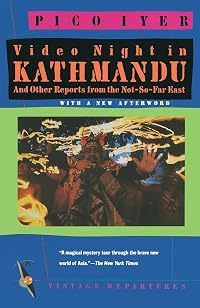
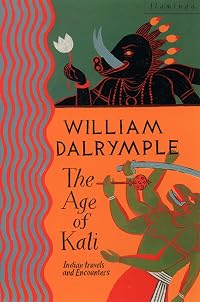

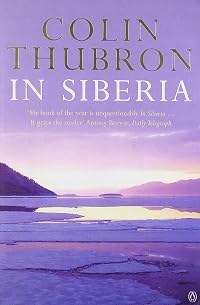
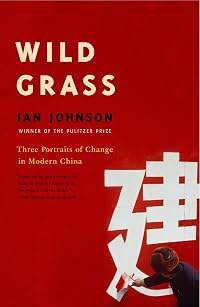
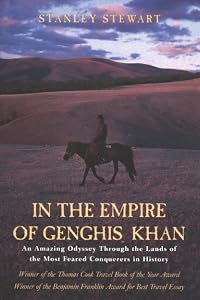
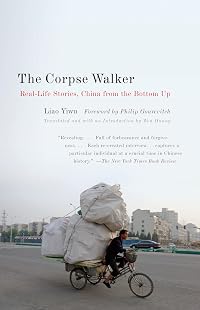
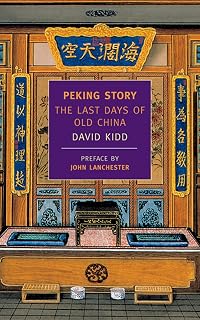
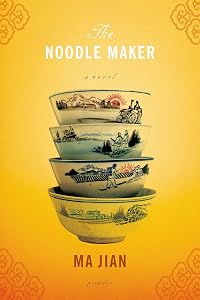
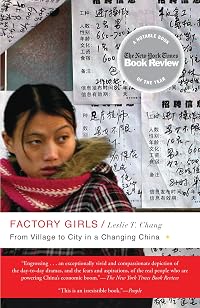
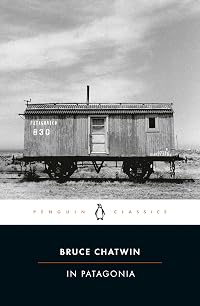
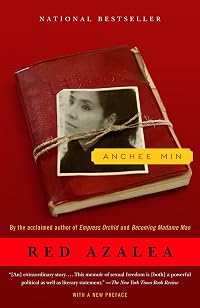
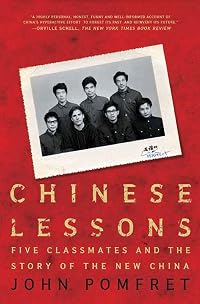
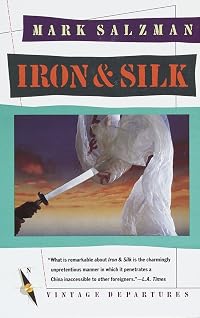
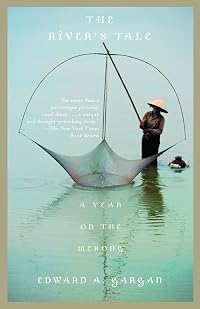
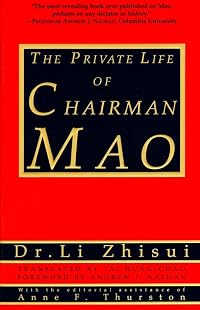
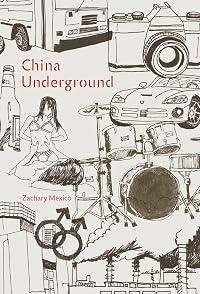
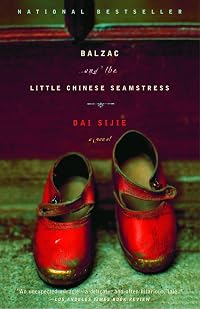
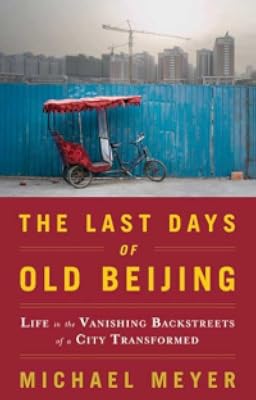
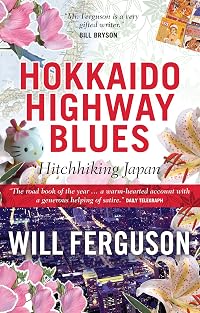
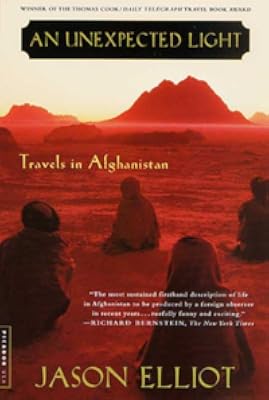
Member Recommendations
Member Reviews
What an amazing book! Ma Jian is a Beijing photographer who flees Beijing just ahead of a smallish cultural purge in the 1980s. He's travelling not just to to escape the politics, but to escape his discontent with his love life and work life. He's off to find himself, and to find the real China. He travels in alarmingly precarious ways, nearly kills himself getting lost in deserts and jungles. He survives by doing small art works or selling souvenirs, or relying on the kindness of strangers and old friends.
It's a fascinating view into a very different world. At times it's hard to get into, Ma can seem callous and unsympathetic on first glance, but his love for the people of his huge, sprawling, complex country is a constant background glow.
It's a fascinating view into a very different world. At times it's hard to get into, Ma can seem callous and unsympathetic on first glance, but his love for the people of his huge, sprawling, complex country is a constant background glow.
Story of an artist in 80s China, fed up with the restraints of the Party and city, who travels around China.
Although he describes his journey, it all feels very disjointed. Despite some maps, you don't always have enough of an idea where he is (and I have travelled to some of the same places). And there are some significant places he says he goes to, but writes nothing about, such as Lijiang. It left me rather frustrated.
On the positive side, he is always the outsider, and that is how the reader feels too, so that does at least create some empathy.
Although he describes his journey, it all feels very disjointed. Despite some maps, you don't always have enough of an idea where he is (and I have travelled to some of the same places). And there are some significant places he says he goes to, but writes nothing about, such as Lijiang. It left me rather frustrated.
On the positive side, he is always the outsider, and that is how the reader feels too, so that does at least create some empathy.
"Red Dust: A Path Through China" by Ma Jian is a combination travelogue and personal journal. Ma is something of a stereotype: he is an artist who gets tired with his life and decides to hit the road recording his personal observations and thoughts.
There were large parts of "Red Dust" that I enjoyed. It was interesting to read about the growing counterculture after the Cultural Revolution. Ma's world is full of long-haired poets, musicians, and artists, all of whom are discontent with their lives in Beijing. Ma spends large parts of the book thinking about these friends and writing to them with a longing, and this was off-putting, as was Ma's constant womanizing.
When he comes across different ethnic groups, Ma describes them with old show more language that at times borders on racism. While he sympathizes with their poverty, he also frequently refers to other ethnic groups as savages. For example, the Lahu are head-hunters, the Miao are hot-headed, and the Tibetans are spiritually void capitalists. He even helps set up an unironic "ethnic zoo" with his friends in the middle of a large city park during his travels.
I liked the geographic descriptions and reading about the bus stations. Unfortunately, I didn't find his personal thoughts to be revelatory. In addition, I was disappointed that Ma skipped over important tracts of his journeys where he was lecturing at universities and making money in other ways.
Ma Jian's early life as a Red Guard is mentioned but not discussed, as is his professional life as a government employee - he worked as a photographer for a state-run propaganda newspaper. I wish he explored the contradiction between that life and his criticism of the surveillance state.
I read that "Red Dust" is fictionalized. I don't know which parts are completely fiction. Several times he almost dies, such as when he wanders through a desert, gets swept up in a tropical river, and is robbed but ends up befriending and then robbing the thieves. I suspect some of these are fictionalized. show less
There were large parts of "Red Dust" that I enjoyed. It was interesting to read about the growing counterculture after the Cultural Revolution. Ma's world is full of long-haired poets, musicians, and artists, all of whom are discontent with their lives in Beijing. Ma spends large parts of the book thinking about these friends and writing to them with a longing, and this was off-putting, as was Ma's constant womanizing.
When he comes across different ethnic groups, Ma describes them with old show more language that at times borders on racism. While he sympathizes with their poverty, he also frequently refers to other ethnic groups as savages. For example, the Lahu are head-hunters, the Miao are hot-headed, and the Tibetans are spiritually void capitalists. He even helps set up an unironic "ethnic zoo" with his friends in the middle of a large city park during his travels.
I liked the geographic descriptions and reading about the bus stations. Unfortunately, I didn't find his personal thoughts to be revelatory. In addition, I was disappointed that Ma skipped over important tracts of his journeys where he was lecturing at universities and making money in other ways.
Ma Jian's early life as a Red Guard is mentioned but not discussed, as is his professional life as a government employee - he worked as a photographer for a state-run propaganda newspaper. I wish he explored the contradiction between that life and his criticism of the surveillance state.
I read that "Red Dust" is fictionalized. I don't know which parts are completely fiction. Several times he almost dies, such as when he wanders through a desert, gets swept up in a tropical river, and is robbed but ends up befriending and then robbing the thieves. I suspect some of these are fictionalized. show less
Comparison's to Kerouac's On the Road are unfair. This authors is more sympathetic and takes more interest in the world around him. All the events are believable but whether or not it all happened exactly as described is probably not important. It's not a history book but it offers raw and exciting glimpses of it.
Really enjoyed this. An interesting book, I wasn't sure as to what to expect. Ma Jian decides to go on the road after his inspiration had gone and the chances he would be picked up again was getting higher each day. His trip turns into a 3 year trek around the vast country of China, and into Chinese controlled Tibet. The book is the combination of a narrative and notes made from the trip.
His commentary is good, the people he met a good cross-section of Chinese (and minority) society. I especially enjoyed his forays into Tibet and Yunnan province.
I would thoroughly recommend this book.
His commentary is good, the people he met a good cross-section of Chinese (and minority) society. I especially enjoyed his forays into Tibet and Yunnan province.
I would thoroughly recommend this book.
Winner of Thomas Cook Travel Book Award 2002
This is a fascinating account of travels across China in 1983-6 by the journalist Ma Jian. Tired of his job working for the Propaganda department of the Communist Party in Beijing and disillusioned with his personal life, Ma Jian spends over 3 years travelling across China. I found the book initially hard to get into, but I was won over by the tales of ordinary, very poor people's kindness towards Ma Jian, his numerous brushes with death and the law,and his portrayal of a China amidst change i.e. the development of places like Shenzhen and Guangzhou as economic hotspots against the campaign of the Communist Government against Spritual Pollution and the contrast between the relatively affluent show more lifestyles of the Beijing set alongside the subsistence lifestyle of country people. I was particularly touched by the story of a festival celebrating regional way of life where a number of people were invited from country villages to demonstrate their culture, but they were duped into buying cassette players (remember this is 1983!) which had bricks in the middle, having spent a year's savings on the item. I am really looking forward to Ma Jian's new book about the events leading up to the Tianmen massacre.
**** show less
This is a fascinating account of travels across China in 1983-6 by the journalist Ma Jian. Tired of his job working for the Propaganda department of the Communist Party in Beijing and disillusioned with his personal life, Ma Jian spends over 3 years travelling across China. I found the book initially hard to get into, but I was won over by the tales of ordinary, very poor people's kindness towards Ma Jian, his numerous brushes with death and the law,and his portrayal of a China amidst change i.e. the development of places like Shenzhen and Guangzhou as economic hotspots against the campaign of the Communist Government against Spritual Pollution and the contrast between the relatively affluent show more lifestyles of the Beijing set alongside the subsistence lifestyle of country people. I was particularly touched by the story of a festival celebrating regional way of life where a number of people were invited from country villages to demonstrate their culture, but they were duped into buying cassette players (remember this is 1983!) which had bricks in the middle, having spent a year's savings on the item. I am really looking forward to Ma Jian's new book about the events leading up to the Tianmen massacre.
**** show less
China of the 80's through the eyes of a 30 year old intellectual tying to make sense of himself and China as it and he changes. The context is trying to avoid the consequences of a campaign against spiritual pollution at the height of the four modernisations policy. Over a million went to jail and 23,000 were executed. It captures the range and complexity of China and the pain of rejecting a Buddhist's response to Marxism or the Market. Being in China now you can see how much its has changed materially and even politically since that time where many of the things he did at great risk( have parties, sleep with girls, talk about art and poetry, travel are now commonplace. But he does pose an unanswered question: if you have economic show more liberalism without political pluralism will you run the risk of promoting greed as the main civic value? Seeing the growing divide in China and the flashy new money you wonder. The cake is certainly bigger so even the poorest are better off then 20 years ago but...but show less
Members
- Recently Added By
Lists

Best Travel Narrative
32 works; 20 members

Paul French's Ultimate China Bookshelf
31 works; 1 member
Author Information

14+ Works 2,094 Members
Ma Jian was born in 1953 in Qingdoo, China. In 1986 he moved to Hong Kong, where he published novels, essays, short stories & collections of poetry & reportage; edited political & cultural magazines & founded a publishing company. He currently lives in London. (Bowker Author Biography)
Some Editions
Awards and Honors
Common Knowledge
- Canonical title
- Red Dust: A Path Through China
- Original title
- 非法流浪
- Original publication date
- 2001 (English) (English); 2003 (Chinese) (Chinese)
- People/Characters*
- Ma Jian
- Important places*
- China; Beijing, China; Tibet
- Important events
- Cultural Revolution
*Some information comes from Common Knowledge in other languages. Click "Edit" for more information.
Classifications
Statistics
- Members
- 637
- Popularity
- 45,638
- Reviews
- 15
- Rating
- (3.82)
- Languages
- 10 — Dutch, English, French, German, Italian, Norwegian (Bokmål), Polish, Slovenian, Spanish, Swedish
- Media
- Paper, Audiobook, Ebook
- ISBNs
- 27
- ASINs
- 5