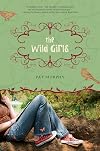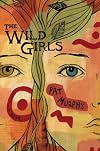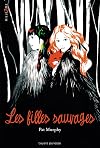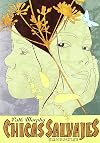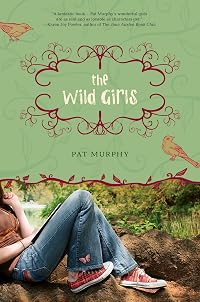
The Wild Girls
by Pat Murphy 
On This Page
Description
When thirteen-year-old Joan moves to California in 1972, she becomes friends with Sarah, who is timid at school but an imaginative leader when they play in the woods, and after winning a writing contest together they are recruited for an exclusive summer writing class that gives them new insights into themselves and others.Tags
Recommendations









Member Recommendations
Member Reviews
The transformative power of friendship, storytelling, and writing are the themes of this insightful and rewarding coming-of-age novel for older girls. It’s 1972, and twelve-year-old Joan has just moved to California from Connecticut. Her dad has started a new job in San Francisco, while Joan, her brother, and her mother attempt to settle in at their new home. It’s a challenge for all of them. Joan’s dad is an irritable, driven, and generally angry guy, more committed to his job than his family. He may have been eager to move from one coast to the other, but no one else apparently was. There’s a lot of tension in this family, and Joan’s parents argue a lot, ostensibly over money. Author Pat Murphy doesn’t overdo the show more dysfunction, however. Both parents show concern for Joan, and though dad is a less sympathetic character than mum, there’s nuance in the portrayal of each.
Joan tries to assist her mother with unpacking boxes and getting the new house in order, but when she breaks a glass tumbler, her mum sends her out to explore the neighbourhood. There’s a wild area at the back of the property, including an old orchard, a wooded space, and a creek. Joan goes down an old dirt road and encounters something else: a very unusual “wild girl” Not quite a feral child, Sarah, refers to herself as “The Queen of All the Foxes” or “Fox”, for short—not in the informal North American sense of an attractive young girl, but in a kind of imaginative identification with a light, clever creature of nature.
Joan and Fox hit it off right from the start. Fox paints Joan’s face with the same clay markings that she wears. For Fox, “war paint” sends the signal that she’s not to be messed with. She sees this as necessary because neighbourhood kids taunt her and vandalize her “outdoor living room” with its armchair and shelves for crockery positioned in the lower branches of nearby trees. Reticent, obedient Joan, who has learned over time to blend in (mostly so she won’t set off her angry dad), is emboldened by the clay face markings. She also takes the name of a wild creature, a mutable one: “Newt”.
Fox has family troubles of her own. Some years back, her mum abandoned her and her dad, Gus, a pierced and tattooed sci-fi writer. Not long after, father and daughter moved to the ramshackle old house left to them by Gus’s uncle. Gus is an easygoing philosophical guy, who offers Joan another type of parental support. He introduces her to the idea of keeping a journal. Writing things down, he tells her, helps a person figure out how she feels.
When the girls start school in the fall, Joan sees just how far on the periphery Fox is. Joan is a good student and she takes Fox under her wing, helping to integrate her a little more into school life. The two write a fantasy story together, based on their own biographies. Their work is noticed by a Berkeley creative writing teacher, and a summer course with this eccentric young woman helps the two understand how observing and thinking like a writer can help them negotiate the challenges in their own lives. Noticing, questioning, and recognizing the subtext in the things people argue about prove to be very helpful skills.
I think this is a fine piece of work. Obviously geared towards girls from about ten to thirteen, like the best children’s literature, it resonates for older readers, too. I’ve had this book sitting on my shelf for years. I’m glad I finally got to it. show less
Joan tries to assist her mother with unpacking boxes and getting the new house in order, but when she breaks a glass tumbler, her mum sends her out to explore the neighbourhood. There’s a wild area at the back of the property, including an old orchard, a wooded space, and a creek. Joan goes down an old dirt road and encounters something else: a very unusual “wild girl” Not quite a feral child, Sarah, refers to herself as “The Queen of All the Foxes” or “Fox”, for short—not in the informal North American sense of an attractive young girl, but in a kind of imaginative identification with a light, clever creature of nature.
Joan and Fox hit it off right from the start. Fox paints Joan’s face with the same clay markings that she wears. For Fox, “war paint” sends the signal that she’s not to be messed with. She sees this as necessary because neighbourhood kids taunt her and vandalize her “outdoor living room” with its armchair and shelves for crockery positioned in the lower branches of nearby trees. Reticent, obedient Joan, who has learned over time to blend in (mostly so she won’t set off her angry dad), is emboldened by the clay face markings. She also takes the name of a wild creature, a mutable one: “Newt”.
Fox has family troubles of her own. Some years back, her mum abandoned her and her dad, Gus, a pierced and tattooed sci-fi writer. Not long after, father and daughter moved to the ramshackle old house left to them by Gus’s uncle. Gus is an easygoing philosophical guy, who offers Joan another type of parental support. He introduces her to the idea of keeping a journal. Writing things down, he tells her, helps a person figure out how she feels.
When the girls start school in the fall, Joan sees just how far on the periphery Fox is. Joan is a good student and she takes Fox under her wing, helping to integrate her a little more into school life. The two write a fantasy story together, based on their own biographies. Their work is noticed by a Berkeley creative writing teacher, and a summer course with this eccentric young woman helps the two understand how observing and thinking like a writer can help them negotiate the challenges in their own lives. Noticing, questioning, and recognizing the subtext in the things people argue about prove to be very helpful skills.
I think this is a fine piece of work. Obviously geared towards girls from about ten to thirteen, like the best children’s literature, it resonates for older readers, too. I’ve had this book sitting on my shelf for years. I’m glad I finally got to it. show less
I loved the girls in this book. Fox and Newt are so perfectly poised between childhood and adolescence, between that subterranean self that exists early on and the later, public iceberg self. Their groping towards the light is beautifully mirrored in their writing. Also, the parents, siblings and friends are complex and interesting characters. Well-written and evocative.
This is one of those books that a lot of grownups who work in bookstores have been all excited about, but I haven't heard a lot of feedback from kids yet.
I really liked it. It reminded me of Wild Things by Clay Carmichael because one of the main characters is a girl who has lost her mother, but she is very creative and talented and finds an usual family through the other people in her life.
Although it's a common story line, the characters are true-to-life, and the whole story is really beautifully written.
I really liked it. It reminded me of Wild Things by Clay Carmichael because one of the main characters is a girl who has lost her mother, but she is very creative and talented and finds an usual family through the other people in her life.
Although it's a common story line, the characters are true-to-life, and the whole story is really beautifully written.
“We are the Wild Girls who lived in the woods. You are afraid of us because you don’t know what we will do. We had won a contest, put on our war paint and nothing would be the same again. We are the Wild Girls who lived in the woods.” The story of two imaginative 13-year-old girls who discover their voices, learn that life is about taking chances, making trouble, walking on stilts and saying what you think.
When Joan’s family moves her from manicured Connecticut to untamed California she thinks her life is over. As her mom unpacks Joan angrily ventures into the overgrown woods of twisted walnuts behind her house. There in a clearing she encounters wild, red-headed Sarah (Fox) who calls herself the “Queen of the Foxes”. Soon show more the girls are best friends exploring the secret crevasses of the woods, harassing newts and defending their hut from older neighborhood boys. Their lives take a turn when they secretly enter a writing contest and win. Hiding behind war paint the Wild Girls bravely present their story at the award ceremony and are recruited for a summer writing class in San Francisco by the mysterious Verla Volante.
Together the class takes a journey of self-discovery through writing and asking questions. As the girls transform, they realize that the truth has many meanings, even parents have feelings and are scared and most importantly how to be brave as themselves without hiding behind aliases and war paint. show less
When Joan’s family moves her from manicured Connecticut to untamed California she thinks her life is over. As her mom unpacks Joan angrily ventures into the overgrown woods of twisted walnuts behind her house. There in a clearing she encounters wild, red-headed Sarah (Fox) who calls herself the “Queen of the Foxes”. Soon show more the girls are best friends exploring the secret crevasses of the woods, harassing newts and defending their hut from older neighborhood boys. Their lives take a turn when they secretly enter a writing contest and win. Hiding behind war paint the Wild Girls bravely present their story at the award ceremony and are recruited for a summer writing class in San Francisco by the mysterious Verla Volante.
Together the class takes a journey of self-discovery through writing and asking questions. As the girls transform, they realize that the truth has many meanings, even parents have feelings and are scared and most importantly how to be brave as themselves without hiding behind aliases and war paint. show less
When Joan's '70s-era family moves from Connecticut to California, she investigates her new neighborhood, wandering from the manicured middle-class lawns to the wild fringe. There she meets Fox, who with Joan (dubbed "Newt") explores the woods and the culvert and the stories therein, in contrast to their muted lives at school.
When they win a writing contest, they also win (through their bold, unusual presentation) the attention of a writing teacher, Verla Volante, in the audience, who asks them to join her writing class. Through their friendship and their writing, they learn to navigate the vicissitudes of their family lives and their own adolescences.
Because it contains both the comfort and edginess of adolescence, I can think of many show more students who would really enjoy this title. show less
When they win a writing contest, they also win (through their bold, unusual presentation) the attention of a writing teacher, Verla Volante, in the audience, who asks them to join her writing class. Through their friendship and their writing, they learn to navigate the vicissitudes of their family lives and their own adolescences.
Because it contains both the comfort and edginess of adolescence, I can think of many show more students who would really enjoy this title. show less
When Joan's '70s-era family moves from Connecticut to California, she investigates her new neighborhood, wandering from the manicured middle-class lawns to the wild fringe. There she meets Fox, who with Joan (dubbed "Newt") explores the woods and the culvert and the stories therein, in contrast to their muted lives at school.
When they win a writing contest, they also win (through their bold, unusual presentation) the attention of a writing teacher, Verla Volante, in the audience, who asks them to join her writing class. Through their friendship and their writing, they learn to navigate the vicissitudes of their family lives and their own adolescences.
Because it contains both the comfort and edginess of adolescence, I can think of many show more students who would really enjoy this title. show less
When they win a writing contest, they also win (through their bold, unusual presentation) the attention of a writing teacher, Verla Volante, in the audience, who asks them to join her writing class. Through their friendship and their writing, they learn to navigate the vicissitudes of their family lives and their own adolescences.
Because it contains both the comfort and edginess of adolescence, I can think of many show more students who would really enjoy this title. show less
Fox and Newt, two delightful preteen girls who become friends, have more in common than meets the eye. Both come from loving but complicated families, both love adventure, and both end up discovering themselves through writing. In this book about friendship, loyalty, self-discovery, and the power of words, Characters come alive, and connect to the reader.
When reading this book the first time I took Children's Literature in college, I stayed up until 3am to finish it, unable to put in down. This wonderful book about finding yourself through writing is now a favorite. Characters, plot, and setting are all well developed, and the book itself serves as a wonderful text for inspiring writing in students. In a classroom, I would want to show more lead students in some of the writing activities seen in Fox and Newt's summer writing class. So many of my own childhood memories were brought back with this book, and it is one I know I will read again in years to come. show less
When reading this book the first time I took Children's Literature in college, I stayed up until 3am to finish it, unable to put in down. This wonderful book about finding yourself through writing is now a favorite. Characters, plot, and setting are all well developed, and the book itself serves as a wonderful text for inspiring writing in students. In a classroom, I would want to show more lead students in some of the writing activities seen in Fox and Newt's summer writing class. So many of my own childhood memories were brought back with this book, and it is one I know I will read again in years to come. show less
Members
- Recently Added By
Author Information

85+ Works 4,135 Members
Pat Murphy is a LibraryThing Author, an author who lists their personal library on LibraryThing.
Awards and Honors
Awards
Distinctions
Common Knowledge
- First words
- I met the Queen of Foxes in 1972, when my family moved from Connecticut to California. I was twelve years old. I had just graduated from sixth grade, and I didn't want to move.
Classifications
Statistics
- Members
- 389
- Popularity
- 80,103
- Reviews
- 23
- Rating
- (4.01)
- Languages
- English, French, Spanish
- Media
- Paper, Audiobook, Ebook
- ISBNs
- 15
- ASINs
- 3