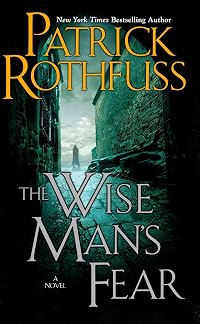
On This Page
Description
Kvothe takes his first steps on the path of the hero as he attempts to uncover the truth about the mysterious Amyr, the Chandrian, and the death of his parents. Along the way, Kvothe is put on trial by the legendary Adem mercenaries, forced to reclaim the honor of the Edema Ruh, and travels into the Fae realm where he meets Felurian, the faerie woman no man can resist.Tags
Recommendations
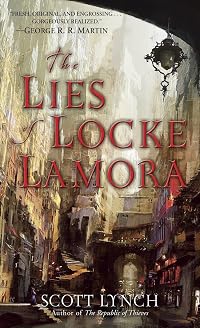
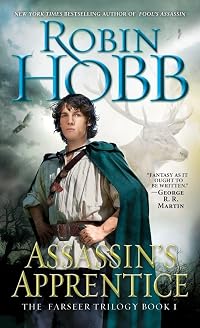
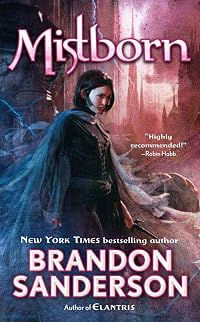
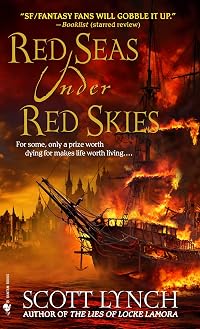
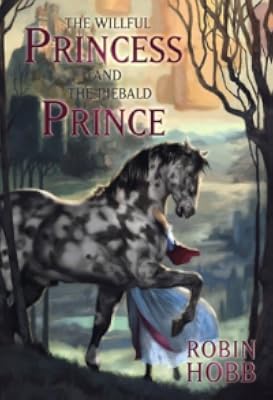
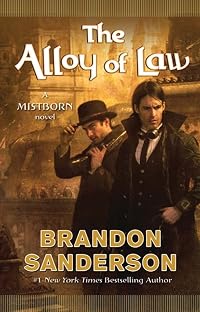
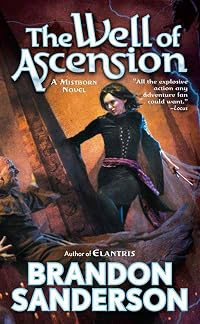
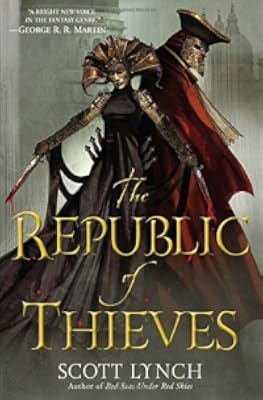



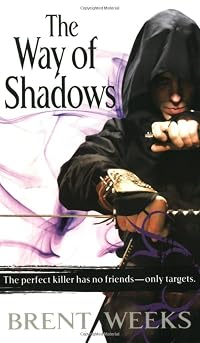

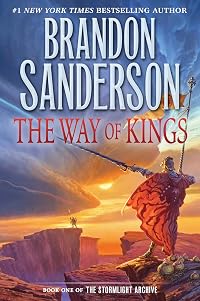
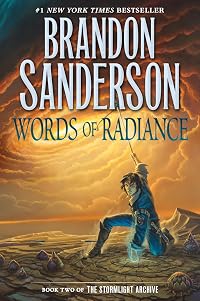
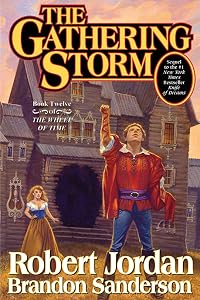
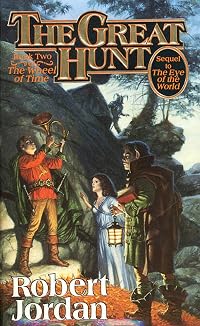
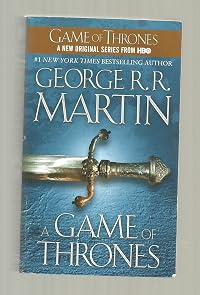
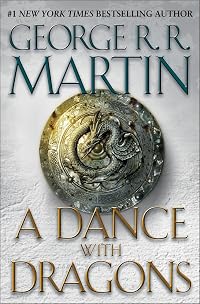
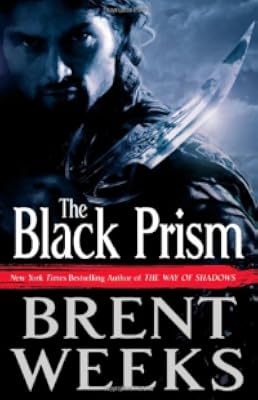

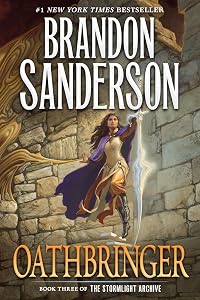
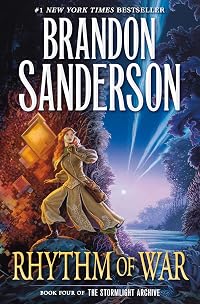
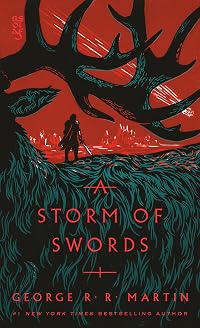
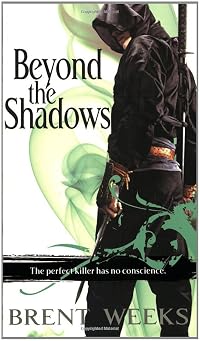

Member Recommendations
Cloverlimes A young powerful magic user learns and grows in a system that fails them.
There is a strong theme of music in both Magic's Pawn and The Wise Man's Fear.

Member Reviews
Wise Man's Fear is a much better story than Name of the Wind. Is it still about Ginger Sue? Yup. Does it still lack any real plot, beyond occasionally looking for information on the Chandarin? Nope! Its a series of connected, pointless vignettes! Then why did I like it?
Because this book has convinced me that Kvothe is a huge freaking compulsive liar. And that makes Kvothe arrogant and manipulative. It gives him real flaws. In Name of the Wind, he had none. He was Superman, and that made him hard to relate to and boring. In Wise Man's Fear, he gets called out on a lot. There's several times he refuses to tell a story because there are records of it already. There's other times he's called out on his story not matching reality, likehis show more sword not matching description, girls not matching descriptions, or his encounter with Felurian and Ctheath not fitting description or Fae law . He is constantly saying how he spreads rumors to manage his reputation and boldly states to both the reader and to Maer about his prowess as a liar. This makes the narrative a game, trying to figure out what Kvothe is hiding, what is truth versus fabrication. Kvothe is no Superman, he is Bruce Wayne, Peter Parker, Bruce Banner. While still impressive, he is human. Was he unable to fight off the soldiers due to forgetting he was Kvothe Kingkiller, or was he faking an inability to fight because he nearly forgot he was supposed to be a simple innkeeper ?
His pursuit of Denna remains creepy and stalkerish, with hints of patronizing white-knightery. For all his intellect, he fails to make one single rational decision when it comes to her.
I enjoyed the traveling aspect of the book, seeing more cultures and locations than the University. It was very solid world-building and makes for a more interesting read than your standard magical school does. I particularly liked learning about theAdem, although their Lethani stuff felt kinda phoned in, cheaply made mysterious . I found it hard to believe such an advanced society failed to figure out the basics of sex, paternity, and baby-making , but I can write it off as something the women of a matriarchal society understand and choose to keep from their men and outsiders like Kvothe. As a way to maintain the power structure.
Lastly, the ending disturbed me. One of Kvothe's last actions is toKill nine people in cold blood after finding out they were murderers and rapists. He continues to mutilate the bodies, and essentially tortures one man over days . Later, in a town he breaks a boy's arm in a fit of temper over an emotional statement the boy made . Now, I can agree with his actions, to a point. But in both cases Kvothe went too far. Especially breaking the boy's arm when a slap or punch may have sufficed. Kvothe loses perhaps a night's sleep over it, and everyone trips over themselves to thank him. No one ever suggests that he did wrong. There is never a hint of punishment. In a previous book, breaking Ambrose's arm on accident resulted in a whipping. His consequences here were little more than revelry and a victory lap. Its hard to like or relate to a character that you feel is more than a bit monstrous.
But I like the feel of Rothfuss's work. I adore his prose. He strings words together in a way that is just....pleasing. He tells a story well, regardless of if the story told is good or not.
Also, I've begun to read Kvothe's dialogue in Zap Brannigan's voice. What can I say? It fits remarkably. show less
Because this book has convinced me that Kvothe is a huge freaking compulsive liar. And that makes Kvothe arrogant and manipulative. It gives him real flaws. In Name of the Wind, he had none. He was Superman, and that made him hard to relate to and boring. In Wise Man's Fear, he gets called out on a lot. There's several times he refuses to tell a story because there are records of it already. There's other times he's called out on his story not matching reality, like
His pursuit of Denna remains creepy and stalkerish, with hints of patronizing white-knightery. For all his intellect, he fails to make one single rational decision when it comes to her.
I enjoyed the traveling aspect of the book, seeing more cultures and locations than the University. It was very solid world-building and makes for a more interesting read than your standard magical school does. I particularly liked learning about the
Lastly, the ending disturbed me. One of Kvothe's last actions is to
But I like the feel of Rothfuss's work. I adore his prose. He strings words together in a way that is just....pleasing. He tells a story well, regardless of if the story told is good or not.
Also, I've begun to read Kvothe's dialogue in Zap Brannigan's voice. What can I say? It fits remarkably. show less
If I could title this review, I'd go with "How Not To Write A Trilogy." [b:THE NAME OF THE WIND|186074|The Name of the Wind (The Kingkiller Chronicle, #1)|Patrick Rothfuss|http://d.gr-assets.com/books/1270352123s/186074.jpg|2502879] gave me hope that I had discovered a good trilogy, not just a good book. THE WISE MAN'S FEAR left that hope on life support.
The second installment of a good trilogy answers some/most questions from the first installment and asks new questions. It raises the stakes to nearly hopeless levels. It leaves Han Solo frozen in carbonite. The second installment of a good trilogy does not string the reader along with hardly any rewards, without keeping the promises that were set up in the first book, and wave a show more little flag on the last page that reads, "You want answers? Read Book Three, mwa-ha-ha."
Lack of payoff aside, this novel fails for two main reasons: first, the author's self-indulgent discarding of the rules of story proportion. For example, don't spend 70 pages on the hero's carnal education from a sex-obsessed faerie and one page on a life-threatening shipwreck. Don't spend the first 350 pages on Daily Life At The University and one page on a six-day trial at which the hero is accused of magic malfeasance. Don't spend 150 pages on learning a foreign culture, including the culture's puerile emphasis on sex--both encounters and discussions--and then spend ... actually, on second thought, just don't do that, ever. Mr. Rothfuss needs a pitiless editor, one that would have told him this book is about twenty-five percent too long.
Alongside the proportion problem is lack of tension. Entire chapters pass without raising the stakes, without making things worse or even changing the state of, well, anything. Far too many scenes don't hold even interpersonal tension, and many that do feel forced, particularly Kvothe's fight with Denna in Severen and his outburst to the Maer's wife about his heritage. The author knew how he wanted scenes to end, so he pushed the dialogue in that direction with no attempt at subtlety.
Will I read Book Three? Probably. I still want to know how Present-Time Kvothe's tale will end. But it will be my last Rothfuss book unless it delivers real tension, not forced tension; unless it puts Kvothe in real, physical and emotional danger; and unless Mr. Rothfuss bridles his creative appetite long enough to learn language economy and narrative focus. show less
The second installment of a good trilogy answers some/most questions from the first installment and asks new questions. It raises the stakes to nearly hopeless levels. It leaves Han Solo frozen in carbonite. The second installment of a good trilogy does not string the reader along with hardly any rewards, without keeping the promises that were set up in the first book, and wave a show more little flag on the last page that reads, "You want answers? Read Book Three, mwa-ha-ha."
Lack of payoff aside, this novel fails for two main reasons: first, the author's self-indulgent discarding of the rules of story proportion. For example, don't spend 70 pages on the hero's carnal education from a sex-obsessed faerie and one page on a life-threatening shipwreck. Don't spend the first 350 pages on Daily Life At The University and one page on a six-day trial at which the hero is accused of magic malfeasance. Don't spend 150 pages on learning a foreign culture, including the culture's puerile emphasis on sex--both encounters and discussions--and then spend ... actually, on second thought, just don't do that, ever. Mr. Rothfuss needs a pitiless editor, one that would have told him this book is about twenty-five percent too long.
Alongside the proportion problem is lack of tension. Entire chapters pass without raising the stakes, without making things worse or even changing the state of, well, anything. Far too many scenes don't hold even interpersonal tension, and many that do feel forced, particularly Kvothe's fight with Denna in Severen and his outburst to the Maer's wife about his heritage. The author knew how he wanted scenes to end, so he pushed the dialogue in that direction with no attempt at subtlety.
Will I read Book Three? Probably. I still want to know how Present-Time Kvothe's tale will end. But it will be my last Rothfuss book unless it delivers real tension, not forced tension; unless it puts Kvothe in real, physical and emotional danger; and unless Mr. Rothfuss bridles his creative appetite long enough to learn language economy and narrative focus. show less
Update 10/8/17:
Re-Read with buddies!
I'm pretty much exactly where I was the first time I read it. It reads like a wonderful dream and I could keep immersing myself in this story FOREVER. There's no real point where I ever get tired of anything. The text is not only clear, it's mythological and astounding and I frankly love how Kvothe keeps on adding his skills indefinitely.
Sure, he's an unreliable narrator but there's so damn much that he has done, so it's really hard to separate the truth as he tells it from the actual fact. Even so, his internal logic of his own storytelling accounts for the overblown legends and scales it back realistically enough that we can't help but see his recounting as accurate.
And so we fall into his trap. I show more mean, after all, his legend rings far and wide. Surely there's a huge bucket of truth in there somewhere. Right?
Even so, what a fantastic tale. A tale within a tale, with many little tales inside it. Love Denna, love Kvothe. Wish they'd get their shit together. Absolutely love everything else, from the university to the Mayor to the land of the Fae to the special studies in distant lands. It's just beautiful and wild.
And after all this, I'm still sitting on the edge of my seat, enthusiastic as ever, and suddenly sad anew because there's no continuance of this tale. Those cliffhangers! Damn! Please! Come on!
*sigh*
Must. Remain. Patient.
Theres still so much tale to get to. Like the death of a king, maybe. LoL. :)
Original Review:
I am amazed by myself that I hadn't read this book sooner. I was literally sitting on the edge of my seat the entire time, so that means that I have semi-permanent ridge marks on my ass. I loved the book. Seriously loved it.
The book is 900 pages long, yet it feels like a ripping-good yarn of a fraction of its size.
So much has been happening to our hero, and you get a sense that his fame is both a huge source of joy and conflict, self-inflicted and quite out of his control. Even from the first book, I had the feeling that we were in a setup drawn out of D&D 2.0 Edition, drawing up a multi-classed wizard, but that's where the analogy ends; for while its setup is pure, the writing, the detail, the sheer immensity of the world-building, the pacing, and the depth of the back-story soon outstrips practically all previous fantasy novels that I've read. That's saying a lot, I know. Still, you can't quite compare this experience to LoTR or WoT or Brent Weeks. The pacing and the absolute focus on one character's growth from childhood with the hints of the fallen-but-great man that he has become just don't fit into those molds at all.
The love story is truly tragic in the sense that neither lover can quite get their acts together; but despite it all, they're really quite charming and refreshing. I can't say much of anything about them without giving away everything, even though it would still take several pages to go through their love with the hope of being fair.
What I truly love is the fact that Mr. Rothfuss is obviously well-rounded and well-read, but he has studiously made a point of not wowing the reader with his knowledge. Instead, he's focused all of his skills on honing such a sharp edge of a story that cannot let me go.
A few things that I've found to be greatly amusing, (and I'm not being facetious here,):
The description of anger. You'll know what I mean when you get it. It's part of a corollary with the matriarchal monks and the absolutely delightful description of reproduction.
The mysterious legend of the Templar Knights, (not named as such in the books,) that mimics the insanity of our world's research mania.
The deliberate set-up and allusion to Orpheus, and although our main character hasn't reached the point of the Greek legend, I'm truly biting at the bit to see it.
I cannot wait until the next book comes out. I'll recommend this book to everyone who likes Heroic Fantasy done extremely well. show less
Re-Read with buddies!
I'm pretty much exactly where I was the first time I read it. It reads like a wonderful dream and I could keep immersing myself in this story FOREVER. There's no real point where I ever get tired of anything. The text is not only clear, it's mythological and astounding and I frankly love how Kvothe keeps on adding his skills indefinitely.
Sure, he's an unreliable narrator but there's so damn much that he has done, so it's really hard to separate the truth as he tells it from the actual fact. Even so, his internal logic of his own storytelling accounts for the overblown legends and scales it back realistically enough that we can't help but see his recounting as accurate.
And so we fall into his trap. I show more mean, after all, his legend rings far and wide. Surely there's a huge bucket of truth in there somewhere. Right?
Even so, what a fantastic tale. A tale within a tale, with many little tales inside it. Love Denna, love Kvothe. Wish they'd get their shit together. Absolutely love everything else, from the university to the Mayor to the land of the Fae to the special studies in distant lands. It's just beautiful and wild.
And after all this, I'm still sitting on the edge of my seat, enthusiastic as ever, and suddenly sad anew because there's no continuance of this tale. Those cliffhangers! Damn! Please! Come on!
*sigh*
Must. Remain. Patient.
Theres still so much tale to get to. Like the death of a king, maybe. LoL. :)
Original Review:
I am amazed by myself that I hadn't read this book sooner. I was literally sitting on the edge of my seat the entire time, so that means that I have semi-permanent ridge marks on my ass. I loved the book. Seriously loved it.
The book is 900 pages long, yet it feels like a ripping-good yarn of a fraction of its size.
So much has been happening to our hero, and you get a sense that his fame is both a huge source of joy and conflict, self-inflicted and quite out of his control. Even from the first book, I had the feeling that we were in a setup drawn out of D&D 2.0 Edition, drawing up a multi-classed wizard, but that's where the analogy ends; for while its setup is pure, the writing, the detail, the sheer immensity of the world-building, the pacing, and the depth of the back-story soon outstrips practically all previous fantasy novels that I've read. That's saying a lot, I know. Still, you can't quite compare this experience to LoTR or WoT or Brent Weeks. The pacing and the absolute focus on one character's growth from childhood with the hints of the fallen-but-great man that he has become just don't fit into those molds at all.
The love story is truly tragic in the sense that neither lover can quite get their acts together; but despite it all, they're really quite charming and refreshing. I can't say much of anything about them without giving away everything, even though it would still take several pages to go through their love with the hope of being fair.
What I truly love is the fact that Mr. Rothfuss is obviously well-rounded and well-read, but he has studiously made a point of not wowing the reader with his knowledge. Instead, he's focused all of his skills on honing such a sharp edge of a story that cannot let me go.
A few things that I've found to be greatly amusing, (and I'm not being facetious here,):
The description of anger. You'll know what I mean when you get it. It's part of a corollary with the matriarchal monks and the absolutely delightful description of reproduction.
The mysterious legend of the Templar Knights, (not named as such in the books,) that mimics the insanity of our world's research mania.
The deliberate set-up and allusion to Orpheus, and although our main character hasn't reached the point of the Greek legend, I'm truly biting at the bit to see it.
I cannot wait until the next book comes out. I'll recommend this book to everyone who likes Heroic Fantasy done extremely well. show less
I really loved this book (and am now anxiously awaiting #3), but after reading some of the harsher reviews here, I wanted to take a step back and think about why I loved it so much. Nothing I've read here has made me change my mind, though much of the criticism is fair.
The problem with trilogies is that second books are typically bridges, rather than independent stories. If you think about the narrative arc, with it's exposition/inciting incident/rising action/climax/resolution structure, and divide it by thirds, you get exposition and the inciting incident in the first book (exciting!), and the climax and resolution in the third book (exciting!), but in the middle book you get a lot of rising action (not so exciting). It's hard to take show more a dozen independent story threads and advance them in a way that serves the needs of the greater story and ALSO make a totally independent story that works on its own. Some people have done it, but not many.
So yeah, this isn't a stand-alone book, and it has no plot of its own. It's very episodic, because Rothfuss has taken each of these many independent storylines and given us a little novella about what's going on. But it does an excellent job of advancing the various story-lines and giving us clues about what's going to happen in the third book to stick Kvothe in a tavern selling pies while all around him the world falls apart.
Many, many spoilers follow.
1. Is Kvothe a Mary Sue?
Enh, kind of. The thing is, if you're going to write a set of novels about someone who becomes a legend in their own time, they're going to have to be unrealistically awesome at lots of different things, or no one would find them exceptional enough to talk about. To me, the frame story in the inn and all his failures since does the most to mitigate this; but even in the story he tells, he's far from perfect. He's arrogant, hot-headed, impatient, and makes bad choices. With some age he's obviously come to accept this about himself, thus "folly" hanging over the bar in his inn.
I do get this. Learning a new language in 1 1/2 days is unrealistic, and had me rolling my eyes. But I was still caught up in the story, because I see it as largely unavoidable in the kind of story this is trying to be.
2. Are the books sexist?
Umm, no. Not to me. Or at least, less so than much other fantasy I've read, and I usually tend to the sensitive side on these issues.
Now the world he inhabits is unquestionably sexist in many regards. 1/10 students are female at the University? Women can't fight? etc. Sure. But it's possible to write non-sexist books about sexist subjects, and indeed, unless you want your novels to be even more of a fantasy than they already are, authors pretty much have to include sexism in their books. The key question for me is whether the characters reactions to the sexism in their world strike me as realistic and human.
i.e. Sexual assault in a novel is not necessarily sexist. But sexual assault in a novel that the woman enjoys is sexist. People in novels can act in obnoxiously sexist ways, and as long as the way the women respond to it within the novel strikes me as a realistic and human response, to me the novel is not sexist.
So yeah, Elodin's comment about Kvothe grabbing his tits as a metaphor for aggressively demanding explicit instruction in a thing that can't be explained is certainly in poor taste, but Elodin is mad as a march hare, completely unreliable, and has a history of quasi-criminal behaviour. I don't think we ought to expect him to behave in perfectly egalitarian and respectful ways towards women.
While this world is not one I'd want to live in, on the whole I appreciate the ways it's addressed within the novels. It seems to me that all of the female characters use whatever agency and power are at their disposal to maximize their own freedom and independence in ways that matter to them.
3. Denna
Wow, do people ever hate her.
I think it's significant, first of all, that her name is so close to denner resin, that world's most toxic and addictive narcotic. I don't think she's meant to be good, at all, either as a person or as a love interest.
And sadly, I have known all too many teenaged boys who wandered around for years after unobtainable and unbalanced girls, trying to be their friends because they didn't want to be rejected, and making themselves miserable in the process. It's not admirable, no. But it is real. Even his own friends point out to him the futility and ridiculousness of the whole situation. I don't think we're meant to think of this as a healthy love story. He's not in love. He's addicted to something that's bad for him.
As to the point of putting Denna in the story, I think we have to wait for book 3. He's got something building there with her mysterious and abusive patron and Kvothe's inability to move on from her. This will be part of the climax of the story and the reason for his downfall, mark my words: after all, he's not going off looking for her now, is he?
I wouldn't want to be her friend--I'm not sure she has any friends; I'm not even sure she's a person--but as part of the story arc, she works.
4. Felurian
I think all of you are entirely missing the point.
a) He needed to meet this tree-fae (Ctheah?) in order to begin the explanation for the chain of disaster and his downfall. Therefore, he needed to get to fae.
b) Going to faerie in order to have a lot of sex with a sex goddess strikes me as pretty plausible rationale for a 16-year-old boy.
c) Felurian didn't say he was amazing right off the bat, for goodness' sake. If you think about any person you've ever met who really loves sex, they're going to have complimentary things to say about nearly all of their partners, or they won't be having much sex. You're not considering who she is when you evaluate her responses. Of course she loved having sex with him! She loves having sex with everyone. It's who she is.
d) Moreover, of course, if he's manipulated her into letting him go so that he can spread her praises far and wide by song, of course she's going to take a good long time and train him up properly.
5. Adem
Yeah, I wasn't totally impressed. It did sound like an exoticized chinese/japanese hybrid made white, which is unfortunate. However, again, if Kvothe is going to become legendary, he's going to have to learn how to fight, and it makes sense that he'd need to learn how to fight from that world's fighting culture. I also liked that a) he got his ass whipped multiple times by a 10-year-old girl, b) his teacher and his teacher's boss were both women, and c) by the time he goes, they still think he's a pretty poor fighter. Worse than most Adem, but better than most others. (He'd probably still get his ass kicked by any random Adem 12-year-old girl.)
I wish he'd done a better job of world-building with this culture, and I can see why it would rub people the wrong way, but it didn't put me off the story.
Which leaves why I loved it so much.
I'm not easy to impress with fantasy series. I've been reading them since I was five, and the usual tropes will put me off so fast I won't even finish the first book. If I have to read another story about a poor boy who gets sent on a noble quest with an elderly magical helper as a last chance to save the world from domination by ultimate evil, and in the act needs to obtain a magical object, where in the end it's revealed that he's the king's long lost heir/the magician emperor/etc. and needs to take the throne, I might scream. No more, no more. I couldn't read Harry Potter. I've seen the movies, thanks to my daughter, and I found them entertaining but otherwise pretty awful.
Rothfuss is flirting with a lot of those tropes, but in very subtle ways. By the end of the book we suspect he is indeed related to a massive fortune, but probably not the heir. He is poor and disadvantaged, but rather than be rescued by a friendly band of thieves/magician/kindly old lady who lives in a shoe, he saves himself. Half of the drama of the first two novels is driven by his efforts to survive without any relatives or resources, largely by borrowing money from a shark and working like a dog to pay the interest. There's no fortune he just happens to inherit when he's sent off to magic school.
His enemies are effective. They hate him, they go after him, and they succeed a lot of the time. There's no Draco Malfoy here, some golden child who is supposed to be extremely wealthy and powerful but can't manage to tie his shoelaces without tripping down the stairs. Ambrose is handsome, rich, powerful, and does a pretty good job of making Kvothe suffer.
Kvothe's voice is incredible. The details are so fine and so thought-out that it is convincing and draws you right in.
But mostly, for me, it's the knowledge from the very start that this series does not have a happy ending (or if it does, it's hard to see how). The mighty Kvothe runs an inn, under an assumed name, in hiding; can no longer do magic, can no longer fight. The tension between the framing story and the story Kvothe tells, between the optimism and ambition of his youth and the obliterating depression and self-loathing he clearly feels in the present, is what propels the narrative along. Because of this, the story is very dark; even when good things are happening, you know they won't last.
There's still a chance for everything to go terribly wrong in book 3, if Rothfuss doesn't wrap up his loose ends in a satisfying way. But if he does, this stands to be one of my favourite fantasy series of all time. show less
The problem with trilogies is that second books are typically bridges, rather than independent stories. If you think about the narrative arc, with it's exposition/inciting incident/rising action/climax/resolution structure, and divide it by thirds, you get exposition and the inciting incident in the first book (exciting!), and the climax and resolution in the third book (exciting!), but in the middle book you get a lot of rising action (not so exciting). It's hard to take show more a dozen independent story threads and advance them in a way that serves the needs of the greater story and ALSO make a totally independent story that works on its own. Some people have done it, but not many.
So yeah, this isn't a stand-alone book, and it has no plot of its own. It's very episodic, because Rothfuss has taken each of these many independent storylines and given us a little novella about what's going on. But it does an excellent job of advancing the various story-lines and giving us clues about what's going to happen in the third book to stick Kvothe in a tavern selling pies while all around him the world falls apart.
Many, many spoilers follow.
1. Is Kvothe a Mary Sue?
Enh, kind of. The thing is, if you're going to write a set of novels about someone who becomes a legend in their own time, they're going to have to be unrealistically awesome at lots of different things, or no one would find them exceptional enough to talk about. To me, the frame story in the inn and all his failures since does the most to mitigate this; but even in the story he tells, he's far from perfect. He's arrogant, hot-headed, impatient, and makes bad choices. With some age he's obviously come to accept this about himself, thus "folly" hanging over the bar in his inn.
I do get this. Learning a new language in 1 1/2 days is unrealistic, and had me rolling my eyes. But I was still caught up in the story, because I see it as largely unavoidable in the kind of story this is trying to be.
2. Are the books sexist?
Umm, no. Not to me. Or at least, less so than much other fantasy I've read, and I usually tend to the sensitive side on these issues.
Now the world he inhabits is unquestionably sexist in many regards. 1/10 students are female at the University? Women can't fight? etc. Sure. But it's possible to write non-sexist books about sexist subjects, and indeed, unless you want your novels to be even more of a fantasy than they already are, authors pretty much have to include sexism in their books. The key question for me is whether the characters reactions to the sexism in their world strike me as realistic and human.
i.e. Sexual assault in a novel is not necessarily sexist. But sexual assault in a novel that the woman enjoys is sexist. People in novels can act in obnoxiously sexist ways, and as long as the way the women respond to it within the novel strikes me as a realistic and human response, to me the novel is not sexist.
So yeah, Elodin's comment about Kvothe grabbing his tits as a metaphor for aggressively demanding explicit instruction in a thing that can't be explained is certainly in poor taste, but Elodin is mad as a march hare, completely unreliable, and has a history of quasi-criminal behaviour. I don't think we ought to expect him to behave in perfectly egalitarian and respectful ways towards women.
While this world is not one I'd want to live in, on the whole I appreciate the ways it's addressed within the novels. It seems to me that all of the female characters use whatever agency and power are at their disposal to maximize their own freedom and independence in ways that matter to them.
3. Denna
Wow, do people ever hate her.
I think it's significant, first of all, that her name is so close to denner resin, that world's most toxic and addictive narcotic. I don't think she's meant to be good, at all, either as a person or as a love interest.
And sadly, I have known all too many teenaged boys who wandered around for years after unobtainable and unbalanced girls, trying to be their friends because they didn't want to be rejected, and making themselves miserable in the process. It's not admirable, no. But it is real. Even his own friends point out to him the futility and ridiculousness of the whole situation. I don't think we're meant to think of this as a healthy love story. He's not in love. He's addicted to something that's bad for him.
As to the point of putting Denna in the story, I think we have to wait for book 3. He's got something building there with her mysterious and abusive patron and Kvothe's inability to move on from her. This will be part of the climax of the story and the reason for his downfall, mark my words: after all, he's not going off looking for her now, is he?
I wouldn't want to be her friend--I'm not sure she has any friends; I'm not even sure she's a person--but as part of the story arc, she works.
4. Felurian
I think all of you are entirely missing the point.
a) He needed to meet this tree-fae (Ctheah?) in order to begin the explanation for the chain of disaster and his downfall. Therefore, he needed to get to fae.
b) Going to faerie in order to have a lot of sex with a sex goddess strikes me as pretty plausible rationale for a 16-year-old boy.
c) Felurian didn't say he was amazing right off the bat, for goodness' sake. If you think about any person you've ever met who really loves sex, they're going to have complimentary things to say about nearly all of their partners, or they won't be having much sex. You're not considering who she is when you evaluate her responses. Of course she loved having sex with him! She loves having sex with everyone. It's who she is.
d) Moreover, of course, if he's manipulated her into letting him go so that he can spread her praises far and wide by song, of course she's going to take a good long time and train him up properly.
5. Adem
Yeah, I wasn't totally impressed. It did sound like an exoticized chinese/japanese hybrid made white, which is unfortunate. However, again, if Kvothe is going to become legendary, he's going to have to learn how to fight, and it makes sense that he'd need to learn how to fight from that world's fighting culture. I also liked that a) he got his ass whipped multiple times by a 10-year-old girl, b) his teacher and his teacher's boss were both women, and c) by the time he goes, they still think he's a pretty poor fighter. Worse than most Adem, but better than most others. (He'd probably still get his ass kicked by any random Adem 12-year-old girl.)
I wish he'd done a better job of world-building with this culture, and I can see why it would rub people the wrong way, but it didn't put me off the story.
Which leaves why I loved it so much.
I'm not easy to impress with fantasy series. I've been reading them since I was five, and the usual tropes will put me off so fast I won't even finish the first book. If I have to read another story about a poor boy who gets sent on a noble quest with an elderly magical helper as a last chance to save the world from domination by ultimate evil, and in the act needs to obtain a magical object, where in the end it's revealed that he's the king's long lost heir/the magician emperor/etc. and needs to take the throne, I might scream. No more, no more. I couldn't read Harry Potter. I've seen the movies, thanks to my daughter, and I found them entertaining but otherwise pretty awful.
Rothfuss is flirting with a lot of those tropes, but in very subtle ways. By the end of the book we suspect he is indeed related to a massive fortune, but probably not the heir. He is poor and disadvantaged, but rather than be rescued by a friendly band of thieves/magician/kindly old lady who lives in a shoe, he saves himself. Half of the drama of the first two novels is driven by his efforts to survive without any relatives or resources, largely by borrowing money from a shark and working like a dog to pay the interest. There's no fortune he just happens to inherit when he's sent off to magic school.
His enemies are effective. They hate him, they go after him, and they succeed a lot of the time. There's no Draco Malfoy here, some golden child who is supposed to be extremely wealthy and powerful but can't manage to tie his shoelaces without tripping down the stairs. Ambrose is handsome, rich, powerful, and does a pretty good job of making Kvothe suffer.
Kvothe's voice is incredible. The details are so fine and so thought-out that it is convincing and draws you right in.
But mostly, for me, it's the knowledge from the very start that this series does not have a happy ending (or if it does, it's hard to see how). The mighty Kvothe runs an inn, under an assumed name, in hiding; can no longer do magic, can no longer fight. The tension between the framing story and the story Kvothe tells, between the optimism and ambition of his youth and the obliterating depression and self-loathing he clearly feels in the present, is what propels the narrative along. Because of this, the story is very dark; even when good things are happening, you know they won't last.
There's still a chance for everything to go terribly wrong in book 3, if Rothfuss doesn't wrap up his loose ends in a satisfying way. But if he does, this stands to be one of my favourite fantasy series of all time. show less
Bigger, bolder, and somehow still not enough.
Yes. Five stars. Without hesitation. But let me be honest: this book is messy. It's sprawling. It has sections that make me cringe and sections that make me weep. And I love it exactly as much as the first one. Maybe more.
The Wise Man's Fear picks up right where The Name of the Wind left off. Kvothe is still at the University. He's still broke, still brilliant, still insufferably proud, and still pining after Denna. Then things go wrong (as they always do), and he flees. What follows is a road novel, a martial arts training arc, a fairy sex odyssey, a heist, a political intrigue, and a meditation on storytelling itself. It's too long. It tries too many things. And somehow, it works.
What I show more love (and there's a lot):
The Ademre section. This is where the book slows down to a crawl, and some readers hate it. I adore it. Kvothe learns a martial art (the Lethani), lives with a culture that has no concept of fatherhood, and communicates in hand gestures. Rothfuss builds an entire society from nothing, and it's fascinating. The sword training, the philosophy, the silent communication—it's unlike any fantasy culture I've read.
Felurian. Yes, the long section in the fae realm. Yes, there is explicit content. But beneath the surface, it's about Kvothe confronting desire, mortality, and his own ego. And he comes out of it changed. Also, the language during Felurian's scenes is some of Rothfuss's most beautiful prose.
The University continues to shine. The early chapters with Elodin, Auri, and the ever-present tuition anxiety are comfort reading. Elodin remains the best chaotic-neutral wizard in fiction.
Denna gets depth. She's still frustrating, but we see more of her scars, her secrets, and her own version of the story. Their fight in Severen is heartbreaking because both are right and both are wrong.
The prose is still breathtaking. Rothfuss can write a sentence that stops me mid-page. Little moments—a candle in a window, a broken lute string, a silence in the inn—land harder than most books' climaxes.
What I side-eye (lovingly):
The Felurian section is long. And the sexual content feels adolescent at times. Kvothe, the virgin, becomes a master lover in a few days. It's wish-fulfillment. I roll my eyes and keep reading because the prose carries it.
The pacing is all over the place. The book jumps from slow philosophy to sudden violence to meandering travelogue. It's not a tight plot; it's a collection of episodes. You have to surrender to the journey.
Where is the frame story? We barely see Bast and the present-day Waystone Inn. After the wait between books, I wanted more of that mystery. Instead, we get... a lot of forest walking.
Kvothe is still too good at everything. He learns martial arts faster than anyone. He seduces a fae goddess. He plays music that moves the room. I know he's an unreliable narrator, but sometimes I wish he'd just fail at something small.
The wait: This book came out in 2011. It's now been over a decade. The third book, Doors of Stone, is still not here. That hurts. Reading Wise Man's Fear again is like visiting an old friend who lives far away—joyful and painful at once.
Final verdict:
The Wise Man's Fear is not a better book than The Name of the Wind. It's too bloated, too uneven, too willing to wander. But it's also more. More world, more magic, more heartbreak. If you loved the first one, you'll love this one—even when you're frustrated with it. It's a five-star mess, and I wouldn't change a page.
Bottom line: Read it slowly. Don't rush. The journey is the point. And then join the rest of us in waiting, hoping, and rereading. show less
Yes. Five stars. Without hesitation. But let me be honest: this book is messy. It's sprawling. It has sections that make me cringe and sections that make me weep. And I love it exactly as much as the first one. Maybe more.
The Wise Man's Fear picks up right where The Name of the Wind left off. Kvothe is still at the University. He's still broke, still brilliant, still insufferably proud, and still pining after Denna. Then things go wrong (as they always do), and he flees. What follows is a road novel, a martial arts training arc, a fairy sex odyssey, a heist, a political intrigue, and a meditation on storytelling itself. It's too long. It tries too many things. And somehow, it works.
What I show more love (and there's a lot):
The Ademre section. This is where the book slows down to a crawl, and some readers hate it. I adore it. Kvothe learns a martial art (the Lethani), lives with a culture that has no concept of fatherhood, and communicates in hand gestures. Rothfuss builds an entire society from nothing, and it's fascinating. The sword training, the philosophy, the silent communication—it's unlike any fantasy culture I've read.
Felurian. Yes, the long section in the fae realm. Yes, there is explicit content. But beneath the surface, it's about Kvothe confronting desire, mortality, and his own ego. And he comes out of it changed. Also, the language during Felurian's scenes is some of Rothfuss's most beautiful prose.
The University continues to shine. The early chapters with Elodin, Auri, and the ever-present tuition anxiety are comfort reading. Elodin remains the best chaotic-neutral wizard in fiction.
Denna gets depth. She's still frustrating, but we see more of her scars, her secrets, and her own version of the story. Their fight in Severen is heartbreaking because both are right and both are wrong.
The prose is still breathtaking. Rothfuss can write a sentence that stops me mid-page. Little moments—a candle in a window, a broken lute string, a silence in the inn—land harder than most books' climaxes.
What I side-eye (lovingly):
The Felurian section is long. And the sexual content feels adolescent at times. Kvothe, the virgin, becomes a master lover in a few days. It's wish-fulfillment. I roll my eyes and keep reading because the prose carries it.
The pacing is all over the place. The book jumps from slow philosophy to sudden violence to meandering travelogue. It's not a tight plot; it's a collection of episodes. You have to surrender to the journey.
Where is the frame story? We barely see Bast and the present-day Waystone Inn. After the wait between books, I wanted more of that mystery. Instead, we get... a lot of forest walking.
Kvothe is still too good at everything. He learns martial arts faster than anyone. He seduces a fae goddess. He plays music that moves the room. I know he's an unreliable narrator, but sometimes I wish he'd just fail at something small.
The wait: This book came out in 2011. It's now been over a decade. The third book, Doors of Stone, is still not here. That hurts. Reading Wise Man's Fear again is like visiting an old friend who lives far away—joyful and painful at once.
Final verdict:
The Wise Man's Fear is not a better book than The Name of the Wind. It's too bloated, too uneven, too willing to wander. But it's also more. More world, more magic, more heartbreak. If you loved the first one, you'll love this one—even when you're frustrated with it. It's a five-star mess, and I wouldn't change a page.
Bottom line: Read it slowly. Don't rush. The journey is the point. And then join the rest of us in waiting, hoping, and rereading. show less
How does a man become a myth in his own time, well he does stuff and recounts his adventures to an audience either through stories or songs then lets gossip do it’s thing. The Wise Man’s Fear by Patrick Rothfuss is the second installment of The Kingkiller Chronicles framed around the second day of Kvothe’s recounting of his life with the Chronicler of their agreed upon three-day conversation.
Continuing the narrative where he left off in The Name of the Wind, Kvothe recalls his education at the University and feud with fellow student Ambrose that culminated in Ambrose getting him arrested on charges of Consortation with Demonic Powers, a capital crime, for having called the Name of the Wind. Despite successfully defending himself show more in court, Kvothe his tuition will be extremely high for the new term tuition due to the negative attention he has attracted to the darker aspects of the University. Kvothe decides to take a term off during which Count Threpe arranges for Kvothe to aid the Maershon Lerand Alveron in Vintas in hopes that Kvothe might earn a writ of patronage. Arriving in the Maer seat in the city of Severen, Kvothe tricks his way into a meeting with the Maer and is contracted to write songs and letters to woo a young noblewoman that the Maer wants to marry. During this shadow courtship, Kvothe saves the Maer’s life by discovering and thwarting a plot to kill the Maer thus earning the nobleman’s respect. After saving his life and helping win his bride, the Maer charges Kvothe to lead a group of mercenaries to hunt bandits that have been waylaying taxmen in The Eld. It takes a month, but the group find and kill the bandits. A few days later they stumble upon the Fae Felurian, Kvothe travels after her, has a lot of sex, is able to use the Name of the Wind to combat her power, and convinces her to let him go but only after speaking to The Cthaeh about his future. Upon his return to the “mortal” world Kvothe learns he endangered the life and career of an Adem warrior by copying and learning the Adem way of fighting. The two travel to Ademre where he earns the right to train and learn the Adem way of life and fighting then earning the right to enter the school for further training if he wanted but in doing so saves his friend’s career. After being given an Adem sword, Caesura, and learning the Adem legend of the Chandrian, Kvothe sets off for Severen once again. On this way he comes across robbers posing as Edema Ruh that kidnapped and were assaulting two young women from a nearby village, Kvothe kills the robbers and returns the two young women to their village then races to the Maer’s court before the news reaches him to present himself, the waylaid taxes, and his deed in person. The Maer’s new wife makes her thoughts on the Edema Ruh clear—utter contempt—to which Kvothe knowledges he is one and his days at court are over. The Maer shows his gratitude by pardoning him for killing the robbers, providing a writ of performance, and ensuring Kvothe’s University tuition is forever compensated. Upon his return to the University, Kvothe and the bursar make a deal so both Kvothe and the University will get money from the Maer’s coffers achieving financial independence for Kvothe. In the present day during pauses in recounting his life, Kvothe and Bast help out the townspeople from around the Waystone Inn before Kvothe is beset by two soldiers prompted by Bast to rob him in an attempt to revitalize his friend but Kvothe loses and waits his apparently soon death while Bast kills the soldiers.
Unlike the first book, this book did not become tedious as Kvothe’s time at the University did not last long and throughout he was doing different things that set up things later in the book. The only time the book became a tad annoying was Kvothe’s sexual adventures with Felurian that was basically read like Rothfuss writing his teenage fantasy. The contemporary scenes at the Waystone Inn did not seem as engaging in this book, but I feel that it was because the flashback narrative was a lot more engaging than the previous book with everything Kvothe was doing.
The Wise Man’s Fear is clearly superior to its predecessor that began paying off things Patrick Rothfuss set up in the initial book. As the final book is taking a while to be written, I don’t feel a rush to know how Kvothe’s story ends but I’d like to read how it ends whenever it comes out. show less
Continuing the narrative where he left off in The Name of the Wind, Kvothe recalls his education at the University and feud with fellow student Ambrose that culminated in Ambrose getting him arrested on charges of Consortation with Demonic Powers, a capital crime, for having called the Name of the Wind. Despite successfully defending himself show more in court, Kvothe his tuition will be extremely high for the new term tuition due to the negative attention he has attracted to the darker aspects of the University. Kvothe decides to take a term off during which Count Threpe arranges for Kvothe to aid the Maershon Lerand Alveron in Vintas in hopes that Kvothe might earn a writ of patronage. Arriving in the Maer seat in the city of Severen, Kvothe tricks his way into a meeting with the Maer and is contracted to write songs and letters to woo a young noblewoman that the Maer wants to marry. During this shadow courtship, Kvothe saves the Maer’s life by discovering and thwarting a plot to kill the Maer thus earning the nobleman’s respect. After saving his life and helping win his bride, the Maer charges Kvothe to lead a group of mercenaries to hunt bandits that have been waylaying taxmen in The Eld. It takes a month, but the group find and kill the bandits. A few days later they stumble upon the Fae Felurian, Kvothe travels after her, has a lot of sex, is able to use the Name of the Wind to combat her power, and convinces her to let him go but only after speaking to The Cthaeh about his future. Upon his return to the “mortal” world Kvothe learns he endangered the life and career of an Adem warrior by copying and learning the Adem way of fighting. The two travel to Ademre where he earns the right to train and learn the Adem way of life and fighting then earning the right to enter the school for further training if he wanted but in doing so saves his friend’s career. After being given an Adem sword, Caesura, and learning the Adem legend of the Chandrian, Kvothe sets off for Severen once again. On this way he comes across robbers posing as Edema Ruh that kidnapped and were assaulting two young women from a nearby village, Kvothe kills the robbers and returns the two young women to their village then races to the Maer’s court before the news reaches him to present himself, the waylaid taxes, and his deed in person. The Maer’s new wife makes her thoughts on the Edema Ruh clear—utter contempt—to which Kvothe knowledges he is one and his days at court are over. The Maer shows his gratitude by pardoning him for killing the robbers, providing a writ of performance, and ensuring Kvothe’s University tuition is forever compensated. Upon his return to the University, Kvothe and the bursar make a deal so both Kvothe and the University will get money from the Maer’s coffers achieving financial independence for Kvothe. In the present day during pauses in recounting his life, Kvothe and Bast help out the townspeople from around the Waystone Inn before Kvothe is beset by two soldiers prompted by Bast to rob him in an attempt to revitalize his friend but Kvothe loses and waits his apparently soon death while Bast kills the soldiers.
Unlike the first book, this book did not become tedious as Kvothe’s time at the University did not last long and throughout he was doing different things that set up things later in the book. The only time the book became a tad annoying was Kvothe’s sexual adventures with Felurian that was basically read like Rothfuss writing his teenage fantasy. The contemporary scenes at the Waystone Inn did not seem as engaging in this book, but I feel that it was because the flashback narrative was a lot more engaging than the previous book with everything Kvothe was doing.
The Wise Man’s Fear is clearly superior to its predecessor that began paying off things Patrick Rothfuss set up in the initial book. As the final book is taking a while to be written, I don’t feel a rush to know how Kvothe’s story ends but I’d like to read how it ends whenever it comes out. show less
"It had flaws, but what does that matter when it comes to matters of the heart? We love what we love. Reason does not enter into it. In many ways, unwise love is the truest love. Anyone can love a thing because. That's as easy as putting a penny in your pocket. But to love something despite. To know the flaws and love them too. That is rare and pure and perfect."
Thoughts upon my first read:
I am honestly a little at a loss for words. I finished the book about an hour ago and I'm still struggling to come back to reality. Again, Patrick has amazed me with his writing. I love that we learn all these new things in this book about the different cultures of Temerant. As a writer myself (an amateur one), I envy how beautifully he describes the show more world he's created and I marvel at the world itself. His writing is poetic and lyrical but not exaggeratingly so, and most of the time it feels like the pages absorb you and take you inside this amazing world. Sometimes it truly feels like you're in there, standing next to Kvothe, breathing the same air as him, learning as he does and hurting when he does.
This book made me go through several different emotions, such as happiness, anxiousness, worry, second-hand embarrassment, stress and confusion, and probably many others that I can't remember now (honestly, this book was a roller coaster of emotions for me). I have to admit that this book could have been a bit shorter, not much, since a lot of things happen, but I feel like several things could have been simplified a little bit.
Any way, this book, just like The Name of The Wind, is now part of my favorite books. I'm just in love with Pat's writing. I can only wish to be able to write like him someday.
Sadly, now I have to wait for the third book like the rest, which will probably be torture, but I know it'll be a book worth waiting for.
Thoughts upon my second read (this might be long):
I'm gonna say this again because it still amazes me like you wouldn't believe: this book absorbed me completely from page 1 and kept me there until page 1107. I could not be freed from it until I had no other choice but to let go because I had run out of pages. And when that moment arrived, it was like I had been shaken violently awake from a long sleep and had no idea where I was or what was real. I've felt like this for the last hour; I can't shake the feeling off. I was sitting with my parents just after finishing it and they kept talking to me and I kept feeling like they weren't real, like this wasn't the right reality for me to be in, like they were fiction and the book was reality. I know, I sound insane, but that's how I felt... mmm, maybe I am insane, but I don't really mind; I feel like this is the good kind of insane. Both books of this trilogy have made me feel this way, but since this is the first time I was with other people when I finished it, the effect was much stronger. There's something indescribably captivating about the reality of these books; the vividness of it is striking. No other book has ever felt as real as these for me, not like this. I mean, some books manage to get close to this: they hook me, they are very well created and shown, they are believable worlds and I enjoy them greatly and appreciate them. But this is different. This is like going inside the book and actually being there: smelling the air, feeling the ground underneath my feet, hearing people's voices, their laughs, the music. I can't describe it and I don't know how Pat does it, but it's just so vivid it's almost scary. It's the most mind-blowing thing about these books for me.
I enjoyed this book much more the second time round (read it in 11 days instead of 13), much like it happened when I re-read The Name of The Wind. In some ways, this sequel is better than the first book and, in other ways, not so much. The Wise Man's Fear wins in plot and action. The Name of The Wind wins in the writing and the overall flow of the story. Like the first time round, I feel like WMF was rushed, published too soon without enough revisions and polishes, and it is clear that Pat did not enjoy writing this book as much as he did NOTW. I can't pinpoint to something specific that made me think this; it's just the overall feel I got from the writing and the development of the plot. This didn't flow nearly as smoothly as the first book, especially when Kvothe starts travelling. The plot starts feeling less natural and more forced then. Not too forced, but even a little forced is enough. The things that happen are the right ones, the plot itself is good and right, necessary for character development, but some of it wasn't approached as subtly as I had come to expect from these books. It didn't keep me from enjoying the book at all, but it was a noticable change from NOTW. I know Pat struggled with this book because he felt the pressure of the readers, didn't want to keep them waiting for the second book longer than they were already waiting; he put the pressure on himself and ended up suffering through the whole thing. And that struggle is palpable when you read it. Still, all things considered, this book is fucking fantastic and I wouldn't lower my 5 star rating even if I got paid a million dollars. It deserves every bit of those stars. And I'm glad Pat's been taking it easy on himself these days, enjoying his time with his children and pursuing other small projects related to his books (really wish I didn't live in Argentina so I could get the game of tak or the deck of cards, but well, at least I was able to buy the Anniversary Edition of NOTW), and hasn't been rushing himself to finish the third book just because people are impatient. I know that, because of this, Doors of Stone will be the best book of the trilogy and damn well worth waiting for.
But back to WMF, I was very surprised to find myself liking Denna for the most part and disliking Kvothe in many other parts, although I did mention that about Kvothe in my original review above, but I felt it slightly more this second time, maybe because I'm a more attentive reader than I was 3 years ago.
On a different note, I still love Simmon with every fiber of my being. He is a wonderful man and I want to protect him with my life. And I desperately wish he was real (I'm actually only going to add this book to my "fictional boyfriends" shelf just because of him). And the University feels so much like home that it hurts me merely because I can't actually be there in person. And Fela is every bit the woman I wish I was, and I love her. Auri is the most wonderful thing and I'd read a million books about her, even if it's only a million pages of her making soap.
“I have an apple that thinks its a pear. And a bun that thinks it’s a cat. And a lettuce that thinks its a lettuce."
"It’s a clever lettuce, then."
"Hardly," she said with a delicate snort. "Why would anything clever think it’s a lettuce?"
"Even if it is a lettuce?" I asked.
"Especially then," she said. "Bad enough to be a lettuce. How awful to think you are a lettuce too.”
And, honestly, Devi is so intoxicating that it makes me doubt my sexuality. Basically, wonderful women and some wonderful men as well.
Well, in summary, I fucking love these books, I love Pat's gorgeous, marvelous, musical writing, and I love Simmon. Here ends this second review. show less
Members
- Recently Added By
Published Reviews
ThingScore 63
Rothfuss takes to the Hero’s Journey with a passion and depth that routinely turns the trite into the transcendent.
added by Aerrin99
Rothfuss works all the well-worn conventions of the genre, with a shadow cloak here and a stinging sword there and lots of wizardry throughout, blending a thoroughly prosaic prose style with the heft-of-tome ambitions of a William T. Vollmann. This is a great big book indeed, but not much happens—which, to judge by the success of its predecessor, will faze readers not a whit.
added by Shortride
Lists

Best Fantasy Novels
821 works; 357 members

NPRs your picks: top 100 Sci-Fi/Fantasy books
297 works; 80 members

Top Five Books of 2013
1,562 works; 721 members

ALA The Reading List
490 works; 28 members

Mind Expanding Books by hackerkid
581 works; 8 members

PASTE magazine The 50 Best Fantasy Books of the 21st Century (So Far)
15 works; 1 member
Teen Sci-Fi Fantasy Male Lead
47 works; 1 member

Top Five Books of 2018
802 works; 264 members

Plan to Listen Audiobooks
63 works; 1 member

Books to buy
8 works; 1 member

You Couldn't Pay Me to Read That (Take 2)
203 works; 82 members

Wishlist
99 works; 1 member

Requests
19 works; 1 member

To read
9 works; 1 member

Epic Fantasy
4 works; 2 members

Books Read in 2013
1,630 works; 51 members

Bustle: 10 Addictive Book Trilogies To Read This Year
10 works; 1 member

Books Read in 2016
4,666 works; 199 members

Top Five Books of 2015
811 works; 241 members
Books Read in 2015
3,299 works; 126 members

Books Read in 2014
2,343 works; 86 members

Elaina's
183 works; 1 member
Talk Discussions
Past Discussions
Wise Mans Fer in FantasyFans (January 2015)
Author Information

35+ Works 45,507 Members
Patrick Rothfuss was born in Madison, Wisconsin on June 6, 1973. He received a B.A. in English from the University of Wisconsin, Stevens Point and M. A. from Washington State University. He teaches at the University of Wisconsin, Stevens Point. In 2002, his short story, The Road to Levinshir, won first place in the Writers of the Future contest. show more He writes The Kingkiller Chronicles. The first book in the series, The Name of the Wind, won the 2007 Quill Award for best sci-fi/fantasy. The third book in the series, The Slow Regard of Silent Things, made the New York Times bestseller list in 2014. (Bowker Author Biography) show less

Patrick Rothfuss is a LibraryThing Author, an author who lists their personal library on LibraryThing.
Some Editions
Awards and Honors
Awards
Distinctions
Notable Lists
Series

Belongs to Publisher Series
Work Relationships
Is contained in
Common Knowledge
- Canonical title
- The Wise Man's Fear
- Original title
- The Wise Man's Fear
- Original publication date
- 2011-03-01
- People/Characters
- Kvothe; Bast; Wilem; Simmon; Fela; Denna (show all 37); Elodin; Kilvin; Elxa Dal; Ambrose; Chronicler; Maer Alveron; Tempi; Dedan; Hespe; Marten; Anker; Arwyl; Auri; Brandeur; Bredon; Carceret; Cinder; Deoch; Devi; Ellie Anwater; Felurian; Fenton; Jasom Hemme; Kellin Vantenier; Lorren; Meluan Lackless; Mola; Penthe; Shehyn; Stapes; Threpe
- Important places
- The University; Imre; Ademre; Vintas; The Underthing
- Dedication
- To my patient fans, for reading the blog and telling me what they really want is an excellent book, even if it takes a little longer.
To my clever beta readers, for their invaluable help and toleration of my paranoid s... (show all)ecrecy.
To my fabulous agent, for keeping the wolves from the door in more ways than one.
To my wise editor, for giving me the time and space to write a book that fills me with pride.
To my loving family, for supporting me and reminding me that leaving the house every once in a while is a good thing.
To my understanding girlfriend, for not leaving me when the stress of endless revision made me frothy and monstrous.
To my sweet baby, for loving his daddy even though I have to go away and write all the time. Even when we're having a really great time. Even when we're talking about ducks. - First words
- Dawn was coming. The Waystone Inn lay in silence, and it was a silence of three parts.
- Last words
- (Click to show. Warning: May contain spoilers.)It was the patient, cut-flower sound of a man who is waiting to die.
- Blurbers
- Le Guin, Ursula K.
- Original language
- English
- Disambiguation notice*
- Deutsche Ausgabe wurde in 2 Teile geteilt
*Some information comes from Common Knowledge in other languages. Click "Edit" for more information.
Classifications
Statistics
- Members
- 12,970
- Popularity
- 614
- Reviews
- 459
- Rating
- (4.33)
- Languages
- 19 — Catalan, Chinese, Czech, Dutch, English, Estonian, Finnish, French, German, Greek, Hungarian, Italian, Korean, Norwegian (Bokmål), Portuguese, Slovak, Spanish, Swedish, Turkish
- Media
- Paper, Audiobook, Ebook
- ISBNs
- 79
- UPCs
- 2
- ASINs
- 41