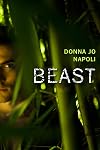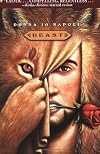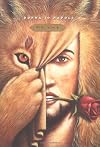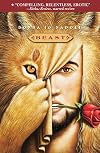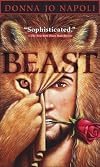
Beast
by Donna Jo Napoli
On This Page
Description
Elaborates on the tale of "Beauty and the Beast," told from the point of view of the beast and set in Persia.Tags
Recommendations
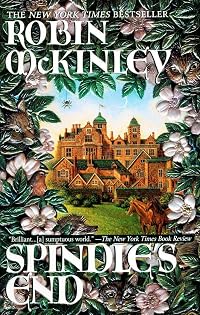
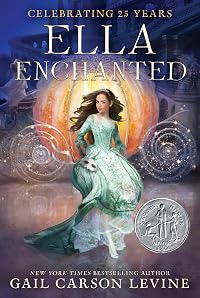
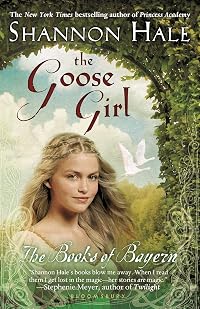
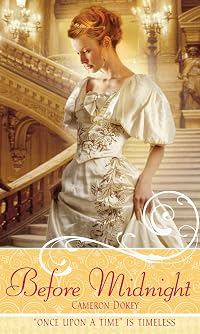
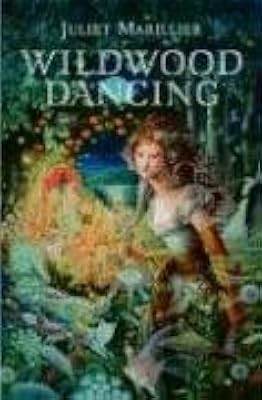

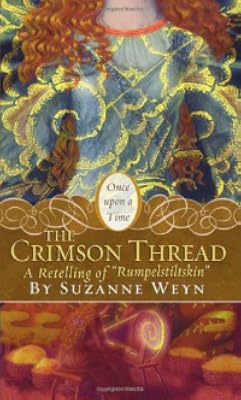
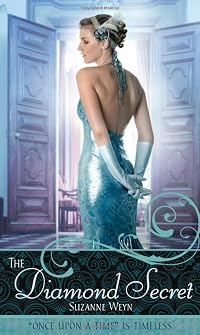
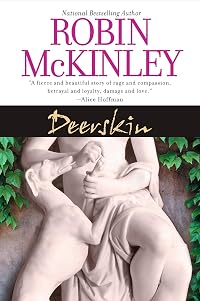
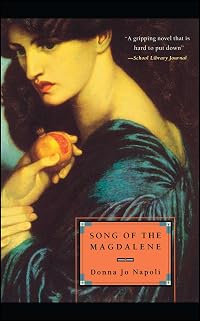
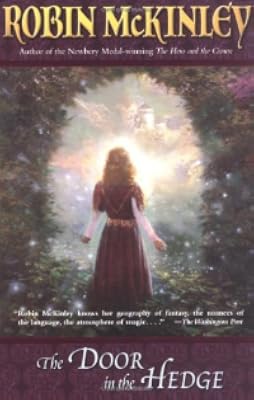

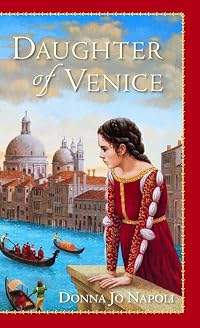
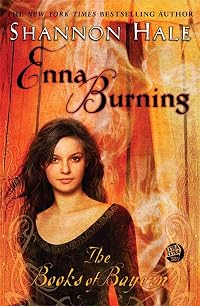
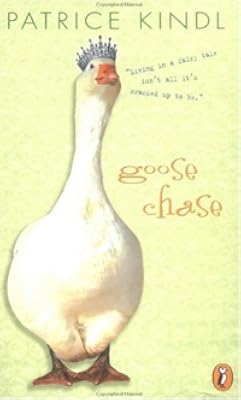
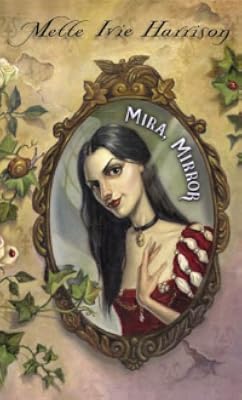
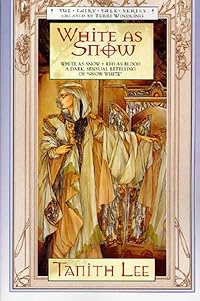
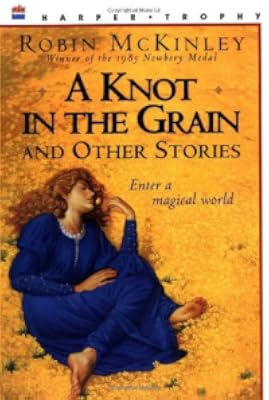
Member Recommendations
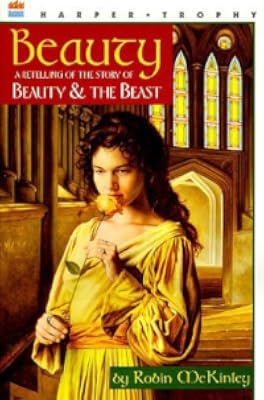
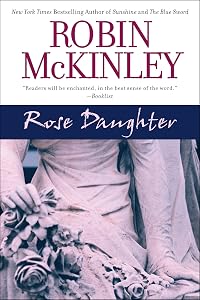
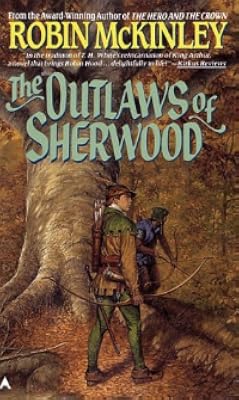
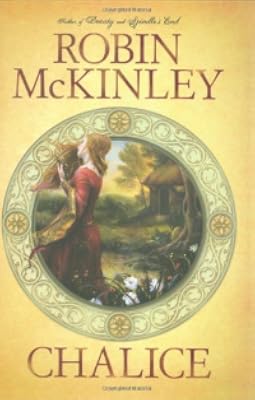
_Zoe_ I find McKinley's takes on Beauty and the Beast much more satisfying than Napoli's.
30
Member Reviews
Rating: 3.5 of 5
My first experience with Donna Jo Napoli. I found Beast's imagery beautiful and vivid; however, the hunts were too graphic for me (because I'm a big wuss and love animals). It was definitely more character-driven than plot, so don't expect a lot of action. Like a typical fairytale, its ending is abrupt. Most appreciated reading the Beauty and the Beast tale from the POV of the "beast" as I've only ever read from "beauty" POV. Recommended for ages 12 and up, or adults who can't get enough fairytales.
My first experience with Donna Jo Napoli. I found Beast's imagery beautiful and vivid; however, the hunts were too graphic for me (because I'm a big wuss and love animals). It was definitely more character-driven than plot, so don't expect a lot of action. Like a typical fairytale, its ending is abrupt. Most appreciated reading the Beauty and the Beast tale from the POV of the "beast" as I've only ever read from "beauty" POV. Recommended for ages 12 and up, or adults who can't get enough fairytales.
3.5 stars
This story didn't instantly grab me. The very beginning is about religious sacrifice of animals for a wedding celebration. After the main character was cursed and became a lion, it got interesting to me. It's kept more realistic in descriptions of his animal side than than a Disney version of the beast. When he meets the girl, he has to fight his animal side even. If you like fairytale retellings, or if you are looking for something a little familiar while also very different, check this out.
This story didn't instantly grab me. The very beginning is about religious sacrifice of animals for a wedding celebration. After the main character was cursed and became a lion, it got interesting to me. It's kept more realistic in descriptions of his animal side than than a Disney version of the beast. When he meets the girl, he has to fight his animal side even. If you like fairytale retellings, or if you are looking for something a little familiar while also very different, check this out.
This is probably the best book about bestiality I've ever read. Probably. Okay, just kidding, it's the only one (so far).
Yeah, I really don't know what to say for myself here. I'm not a fan of romance novels in the slightest. I grabbed this off my girlfriend's shelf (she hasn't read it) basically on a whim. I wanted to try reading something outside my comfort zone. As an aspiring author I've heard that's a thing I should do.
And...I liked it. I'm just as surprised as anybody, believe me. I can immediately see the things that would stop other people from liking it though. Let's review them.
1) It's about bestiality. I mean, the protagonist bones two female lions in the first third of it and then tries to start a romance with a human show more woman while he's still very much a freaking lion. It is what it is. Obviously this makes some people very uncomfortable. Some of the reviews here are are so full of outrage about this that I just can't help but laugh. Is it really any weirder than being in a serial killer's head while reading Dexter? Sure, it's an odd choice to turn into a whole novel, but it's a take on Beauty and the Beast, so it's not like the bestiality was the primary inspiration. Also it was done well, so that's really all that matters. She paints a vivid picture of what a man getting accustomed to a lion's body would feel like, and I was pretty impressed by that. Getting to be in a character's head, especially in first-person viewpoint, while they are in the body of an animal is kind of a rare thing I hadn't come across anywhere but short stories before.
If it makes you uncomfortable, don't read it. Or do read it, and also lots of other messed up books, and maybe venture into the darkest reaches of the internet while you're at it because you are super sheltered and need to desensitize yourself if you ask me. I, honestly, just found it kind of funny. I mean, how can you not? He turns into a lion and pretty much the first thing he does is bone not one, but two female lions! TWO! He emptied those lion nuts post-haste. He didn't even get a chance to eat anything first.
2) The author likes to use specific cultural/religious terminology and define it in the same sentence. This happens most often at the very beginning, and it's a little much. It definitely gets better the further in you get though. I mostly skimmed over it, but I also kind of liked it at the same time. It did a nice job of pulling you into that world, and It made me feel like I was learning something. Since I already have a fondness for this culture and setting maybe I'm biased. But hey, if you find it annoying then you find it annoying. That's all there really is to it, and I totally get it. But, to be fair, the author's afterword mentions that Orasmyn would've written the whole thing in Arabic anyway. I just imagined it was the way somebody chose to translate the story into English from his original text and that made sense to my brain.
3) Everything is very convenient. The reason the protagonist is turned into a lion, for instance. Some may cry "overly apparent plot device." To me, it just combined with the language of the novel and the setting to make it seem like a lengthy fairy tale, and I love fairy tales more than just about anything. This seemed like a story straight out of Arabian Nights, and that was pretty awesome.
So, to recap, don't read this book if you: are uncomfortable with bestiality, hate smatterings of unnecessary foreign words, or hate overly convenient plots.
Do read if you: like fairy tales, or if you like Persian and Indian culture in fiction.
Simple, right? show less
Yeah, I really don't know what to say for myself here. I'm not a fan of romance novels in the slightest. I grabbed this off my girlfriend's shelf (she hasn't read it) basically on a whim. I wanted to try reading something outside my comfort zone. As an aspiring author I've heard that's a thing I should do.
And...I liked it. I'm just as surprised as anybody, believe me. I can immediately see the things that would stop other people from liking it though. Let's review them.
1) It's about bestiality. I mean, the protagonist bones two female lions in the first third of it and then tries to start a romance with a human show more woman while he's still very much a freaking lion. It is what it is. Obviously this makes some people very uncomfortable. Some of the reviews here are are so full of outrage about this that I just can't help but laugh. Is it really any weirder than being in a serial killer's head while reading Dexter? Sure, it's an odd choice to turn into a whole novel, but it's a take on Beauty and the Beast, so it's not like the bestiality was the primary inspiration. Also it was done well, so that's really all that matters. She paints a vivid picture of what a man getting accustomed to a lion's body would feel like, and I was pretty impressed by that. Getting to be in a character's head, especially in first-person viewpoint, while they are in the body of an animal is kind of a rare thing I hadn't come across anywhere but short stories before.
If it makes you uncomfortable, don't read it. Or do read it, and also lots of other messed up books, and maybe venture into the darkest reaches of the internet while you're at it because you are super sheltered and need to desensitize yourself if you ask me. I, honestly, just found it kind of funny. I mean, how can you not? He turns into a lion and pretty much the first thing he does is bone not one, but two female lions! TWO! He emptied those lion nuts post-haste. He didn't even get a chance to eat anything first.
2) The author likes to use specific cultural/religious terminology and define it in the same sentence. This happens most often at the very beginning, and it's a little much. It definitely gets better the further in you get though. I mostly skimmed over it, but I also kind of liked it at the same time. It did a nice job of pulling you into that world, and It made me feel like I was learning something. Since I already have a fondness for this culture and setting maybe I'm biased. But hey, if you find it annoying then you find it annoying. That's all there really is to it, and I totally get it. But, to be fair, the author's afterword mentions that Orasmyn would've written the whole thing in Arabic anyway. I just imagined it was the way somebody chose to translate the story into English from his original text and that made sense to my brain.
3) Everything is very convenient. The reason the protagonist is turned into a lion, for instance. Some may cry "overly apparent plot device." To me, it just combined with the language of the novel and the setting to make it seem like a lengthy fairy tale, and I love fairy tales more than just about anything. This seemed like a story straight out of Arabian Nights, and that was pretty awesome.
So, to recap, don't read this book if you: are uncomfortable with bestiality, hate smatterings of unnecessary foreign words, or hate overly convenient plots.
Do read if you: like fairy tales, or if you like Persian and Indian culture in fiction.
Simple, right? show less
I can't say that I really enjoyed this book. It's a retelling of Beauty and the Beast, a story that I love, but in this case I didn't find that the retelling improved on the story at all. The premise is intriguing enough: this is Beast's story, starting from before he met Beauty and explaining how and why he came to be a Beast. Unfortunately, I thought the reason for his transformation was unsatisfying, the descriptions of his time as a beast were distasteful, and he was a pretty unlikeable character overall.
Beast is set in Persia, and the protagonist is a prince. As his servant is preparing a camel for sacrifice at a religious festival, he notices that the camel has a scar that makes it unfit for this sacrifice. The servant has no show more alternative camel ready, an oversight that could result in a severe penalty, possibly even death. The prince, who has a good heart and a dislike for the suffering of others, weighs the risks and benefits and decides that the camel should be sacrificed despite the flaw. This will save the servant and help the people, who receive portions of the meat. And, he reasons, God is merciful.
It's not entirely clear why this reasoning breaks down. The prince is turned into a beast (a lion, in particular) not by God, but by the angry spirit of the camel. I can't honestly say why the camel was angry, because it wasn't explained what exactly happens to an animal that is sacrificed inappropriately. For whatever reason, though, the prince is punished for his attempt to do good by being turned into a lion, and the curse will only be broken if he wins a woman's love (this part is explained by the camel being female, though again, the logic here isn't entirely clear to me). Needless to say, if the goal is to bring the Beast to life by providing his backstory, the backstory needs to make sense. I wasn't exactly satisfied in this regard.
So then the prince is a lion, and does lion things. Although as a man he has never laid eyes on a women other than his mother, his first act as a lion is to mate with some female lions in the palace hunting grounds. This wasn't described in very much detail, but I still could have done without it. I just didn't need to hear about his “thrusting”. Also, note that this is a YA book, or possibly even children's. The prince also spends a lot of his time hunting, which I didn't find very interesting. Basically, I wasn't really into the story until the requisite scene where Belle's father encounters the beast while seeking shelter from the storm; i.e., until Napoli's story converges with the traditional version. Unfortunately, this didn't happen until more than halfway through.
I did enjoy the development of the Beast's relationship to Belle, but I couldn't fully like him because of the way he treated her pet fox. This fox was possibly the best character in the story; he was loving, playful, loyal, forgiving, and basically wonderful all around. And the Beast constantly thought things along the lines of “What a stupid animal” or “That foolish fox....”, for no particular reason that I could see. I'm not sure how he changed from someone who seemed so compassionate initially into someone who thought badly about innocent animals; and no matter how well he treated Belle, I think his ideas about the fox were more telling about his personality.
So, an initially likeable man is transformed into a beast because he made a religious error while trying to help others; once he's a beast, he becomes less likeable rather than learning any sort of valuable lesson.
I've enjoyed other books by Donna Jo Napoli in the past, but I think I'll stick to Robin McKinley for Beauty and the Beast. show less
Beast is set in Persia, and the protagonist is a prince. As his servant is preparing a camel for sacrifice at a religious festival, he notices that the camel has a scar that makes it unfit for this sacrifice. The servant has no show more alternative camel ready, an oversight that could result in a severe penalty, possibly even death. The prince, who has a good heart and a dislike for the suffering of others, weighs the risks and benefits and decides that the camel should be sacrificed despite the flaw. This will save the servant and help the people, who receive portions of the meat. And, he reasons, God is merciful.
It's not entirely clear why this reasoning breaks down. The prince is turned into a beast (a lion, in particular) not by God, but by the angry spirit of the camel. I can't honestly say why the camel was angry, because it wasn't explained what exactly happens to an animal that is sacrificed inappropriately. For whatever reason, though, the prince is punished for his attempt to do good by being turned into a lion, and the curse will only be broken if he wins a woman's love (this part is explained by the camel being female, though again, the logic here isn't entirely clear to me). Needless to say, if the goal is to bring the Beast to life by providing his backstory, the backstory needs to make sense. I wasn't exactly satisfied in this regard.
So then the prince is a lion, and does lion things. Although as a man he has never laid eyes on a women other than his mother, his first act as a lion is to mate with some female lions in the palace hunting grounds. This wasn't described in very much detail, but I still could have done without it. I just didn't need to hear about his “thrusting”. Also, note that this is a YA book, or possibly even children's. The prince also spends a lot of his time hunting, which I didn't find very interesting. Basically, I wasn't really into the story until the requisite scene where Belle's father encounters the beast while seeking shelter from the storm; i.e., until Napoli's story converges with the traditional version. Unfortunately, this didn't happen until more than halfway through.
I did enjoy the development of the Beast's relationship to Belle, but I couldn't fully like him because of the way he treated her pet fox. This fox was possibly the best character in the story; he was loving, playful, loyal, forgiving, and basically wonderful all around. And the Beast constantly thought things along the lines of “What a stupid animal” or “That foolish fox....”, for no particular reason that I could see. I'm not sure how he changed from someone who seemed so compassionate initially into someone who thought badly about innocent animals; and no matter how well he treated Belle, I think his ideas about the fox were more telling about his personality.
So, an initially likeable man is transformed into a beast because he made a religious error while trying to help others; once he's a beast, he becomes less likeable rather than learning any sort of valuable lesson.
I've enjoyed other books by Donna Jo Napoli in the past, but I think I'll stick to Robin McKinley for Beauty and the Beast. show less
A retelling of Beauty and the Beast where the beast is a Persian prince, Beast tells the story from the beast’s point of view. Like in all versions of the story, the beast’s pride is his downfall and he must learn to overcome it in order to be saved. Yes, he must also attain the love of a woman, but without humility that will never happen.
I enjoyed this, especially the deep delve into the prince’s thoughts as he becomes and lives life as a lion. Also, since the beast is a Persian prince, the story incorporates elements of Muslim and Persian life into this traditionally Western story, which made for a nice change. Anyone interested in alternate versions of fairy tales will enjoy this book.
I enjoyed this, especially the deep delve into the prince’s thoughts as he becomes and lives life as a lion. Also, since the beast is a Persian prince, the story incorporates elements of Muslim and Persian life into this traditionally Western story, which made for a nice change. Anyone interested in alternate versions of fairy tales will enjoy this book.
To this day, reading this book again has left me with the strangest of feelings. This is the kind of book that appears as one thing, then starts off in the most unexpected of settings. By the end, though, it turns around to find you on the edge of your seat and cheering once that last page comes. It is a book that rewards you if you stick to the journey that it's taking you on, which is one of sometimes tedious self discovery, but also unusual circumstance.
Our main character, Prince Orasmyn, is the "Beast" of the story, and unlike the popular Disney movie, this book is told entirely from his point of view. In this way, it gives us the unusual chance to look at the "Beauty and the Beast" tale from another angle completely because we are show more allowed to see what led up to the curse put on the Prince that turned him into the "Beast". The telling is innovative, rooted in the Persian culture flawlessly, and has a tale 5% of magic and 95% charm and struggle. The book starts off in the center of Persia, and as such, is a book that is teeming with culture and not afraid of itself at all. It guides you through everything by the hand, making it easy for you to understand what's going on and taking you step by step through what struck me as a cultural change of dramatic effect. I know very little of Persian culture or their religious beliefs, but even if everything seemed strange to me, I was able to get into the book fairly easily. Not to mention, just because the environment is unusual, it didn't detract from the interest of the story whatsoever. Odd though the various situations were, they were suspenseful, strange, and still intriguing.
While many people may be turned away by a book that has such an odd beginning, and may lose hope of any of these "Beauty and the Beast" vibes by the time the middle of the book hits, the very best part is once you get over that middle mountain. But this style of book does end up with me needing to give the warning: This is a book primarily of self-discovery as opposed to a direct romance. The romantic aspects, while present, come as a much later spice to this meal. It's there and it only intensifies the beauty of the story, but it is not what you should be counting on seeing from beginning to end. More, the romance aspect of this book comes as a reward as Prince Orasmyn grows more and more. As far as I'm concerned, that's what made the book so engaging in the first place and what makes the payoff at the end so worthwhile. To travel with this Prince who truly thinks he knows all and can suffer no consequences until he learns naturally about the world and how to survive makes for an interesting journey. When love and possible freedom from the curse cast on him come, it makes all of the small, gradual changes inside of him that much more beautiful.
I think that's the final word I can say about this book. The subtlety and rewards at the end are what make it all the more enjoyable a read. While some people may find the build-up boring or dull, the few who don't mind a bit of adventuring while they wait for the gradual romantic moments to come will find this book worthwhile.
Final Recommendation
Taking that into mind, I would call this one a library book for most, especially those interested solely in the romantic aspects. Trying it out to see if it's up your alley is a much better idea than spending the money on it if you're not sure. For those who enjoy fairy-tale retellings however, this is a book that will 100% add diversity into your collection. I would definitely recommend you buying it. It's not shy and it's not dainty either. It is openly bold and has a peculiar beauty to it that I'm sure many people would appreciate if they gave it the chance and didn't let themselves get caught off guard by the unusual choice of settings and characters.
Definitely give this one a shot. You might find it all worth it should you choose to stick with it to the end. show less
This book has very severe dark undertones that allow it to be able to be read 20 times over again and get different understandings of the book every time. The story very abruptly dives into the thick of it with the protagonist, a sensitive twenty something Persian prince who is too much of a vegan to kill an animal, panics after the prepared sacrifice has been discovered to have suffered previous abuse and is imperfect. The prince decides to proceed with the sacrifice unleashing a vengeful voodoo type curse that turns him into a lion and places him right in the middle of his fathers hunting grounds. A scarily significant part of the following chapters are full of things that lead me to the conclusion that the author was going through a show more part of her life that involved a lot of BBC documentaries about lions because it includes (and i'm not kidding) lion orgies *cough bestiality*cough, attempted pedophilia with an additional charge for kidnapping and lion cub/child endangerment. Alright i'll skip over the graphic parts of killing animals and the stupid France plot line. After that, its just beauty and the beast without the rose timer. This book is one that is good but should get a few stars deduction for the above mentioned so an overall all star rating of 3 1/2 stars and a recommendation for anyone older than 15. show less
Members
- Recently Added By
Lists

Beauty and the Beast Tales
80 works; 7 members

Fairy Tales..retellings
44 works; 2 members

Novels that you shouldn't waste your time on
94 works; 50 members

KayStJ's to-read list
1,616 works; 11 members

infjsarah's wishlist
408 works; 2 members
Author Information

116+ Works 14,496 Members
Donna Jo Napoli was born on February 28, 1948. She received a B.A. in mathematics, an M.A. in Italian literature, and a Ph.D. in general and romance linguistics from Harvard University. She has taught on the university level since 1970, is widely published in scholarly journals, and has received numerous grants and fellowships in the area of show more linguistics. In the area of linguistics, she has authored five books, co-authored six books, edited one book, and co-edited five books. She is also a published poet and co-editor of four volumes of poetry. Her first middle grade novel, Soccer Shock, was published in 1991. Her other novels include the Zel, Beast, The Wager, Lights on the Nile, Skin, Storm, Hidden, and Dark Shimmer. She is also the author of several picture books including Flamingo Dream, The Wishing Club: A Story About Fractions, Corkscrew Counts: A Story About Multiplication, The Crossing, A Single Pearl, and Hands and Hearts. She has received several awards including the New Jersey Reading Association's M. Jerry Weiss Book Award for The Prince of the Pond and the Golden Kite Award for Stones in Water. (Bowker Author Biography) show less
Some Editions
Awards and Honors
Awards
Distinctions
Notable Lists
Work Relationships
Is a retelling of
Common Knowledge
- Original publication date
- 2000
- People/Characters
- Prince Orasmyn
- Important places
- Beast's Castle; Persia; France
- Dedication
- For Cylin Busby, as she makes the journey for love
- First words
- I gasp roughly.
- Last words
- (Click to show. Warning: May contain spoilers.)A pool in His honor.
Classifications
- Genres
- Fiction and Literature, Teen, Fantasy, Kids, Young Adult
- DDC/MDS
- 813.6 — Literature & rhetoric American literature in English American fiction in English 2000-
- LCC
- PZ8 .N127 .B — Language and Literature Fiction and juvenile belles lettres Fiction and juvenile belles lettres Juvenile belles lettres
- BISAC
Statistics
- Members
- 882
- Popularity
- 30,737
- Reviews
- 31
- Rating
- (3.48)
- Languages
- English
- Media
- Paper, Audiobook, Ebook
- ISBNs
- 14
- ASINs
- 6