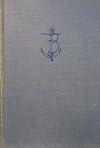
The Mountains Wait
by Theodor Broch
On This Page
Description
""The Mountains Wait: Nazi Germany's Takeover of Norway"" by Theodor Broch is a historical account of the Nazi invasion and occupation of Norway during World War II. The book covers the events leading up to the invasion, including Norway's strategic importance to both Germany and the Allies, as well as the political and military strategies employed by both sides. Broch also delves into the experiences of ordinary Norwegians during the occupation, including the resistance movement and the show more impact of the occupation on daily life. The book is based on extensive research and includes firsthand accounts from Norwegian civilians and military personnel, as well as German soldiers and officials. Broch's writing style is clear and concise, making this a highly readable and informative work of history. Overall, ""The Mountains Wait"" provides a comprehensive and engaging look at a crucial chapter in Norway's history and the broader context of World War II.This scarce antiquarian book is a facsimile reprint of the old original and may contain some imperfections such as library marks and notations. Because we believe this work is culturally important, we have made it available as part of our commitment for protecting, preserving, and promoting the world's literature in affordable, high quality, modern editions, that are true to their original work. show lessTags
Recommendations





































Member Reviews
This is the memoir of Theodor Broch, who was the mayor of the far northern Norwegian town of Narvik when the Nazis invaded in 1940. The book begins with Broch getting away over the mountains into neutral Sweden, having escaped arrest for his resistance activities several months after the Nazi's arrival. But then, quickly, we go 10 years back in time to Broch's arrival in the town with his wife. He is a young lawyer intent on starting a practice away from the bustle (and competition) of Oslo. His wife will run the law office. This first third of the book is a charming description of the town, its lifestyle and citizens, many of whom are charmingly eccentric. Imagine [All Things Bright and Beautiful], but in an Arctic fishing and mining show more town on the inner coast of a Norwegian fjord, as told be a lawyer rather than a veterinarian. Broch's law practice is slow going at first, but eventually the couple gains traction. Then, pretty soon, Broch finds himself on the city council, and then the town's mayor. In the meantime, war clouds are gathering over Europe, though the folks of this sleepy town somehow assume they'll be spared.
But, of course, they aren't. In April 1940, German destroyers show up in the fjord. The Norwegian Navy ships on hand refuse to surrender, but are almost immediately sunk. The defeatist (and/or Nazi sympathizing) commander of the local Norwegian Army forces does surrender. The British, during their rather inept and soon to be aborted attempt to help the Norwegians resist invasion, send their own destroyers to the scene and actually win the ensuing naval battle, though the occupation of the town is not lifted. Weeks later, however, Polish, Norwegian, English and French Foreign Legion forces actually do run the Germans out, but only for a short time. Soon, the British decide to abandon the effort to defend Norway, withdrawing their forces to go defend their own island. Out go the British, and back into town come the Nazis. Broch describes all of this quite well, naturally emphasizing the daily lives of the people of Narvik and their experiences under Nazi rule, including his own negotiations with the Germans in his role as mayor as he attempts to placate the occupiers, keep the daily lives of his constituents as normal as possible despite disappearing food supplies and jobs, and keep the morale of the town as high as he can so that defeatism doesn't set in. Things go a little bit easier for the Norwegians than for other occupied nationalities, as the Nazis considered the Norwegians to be Aryans, people to be won over to the New Order rather than to be crushed, humiliated and exploited.
But, finally, Broch's activities in getting information out to the British and other minor acts of resistance are discovered, and he has to flee. Broch eventually made his way to the U.S., where he became active in trying to raise money for the training and supplying of the Norwegian military and government in exile. He travels the country, especially the midwest, where Norwegian immigrants have been settling for decades. when Broch talks to American college students, he is frequently asked how Norway could have let itself be caught by surprise. That's until the Pearl Harbor attack, when those questions naturally cease. Finally we visit an airfield in Canada where Norwegian airmen are being trained. [The Mountains Wait] was published in 1943, while the war, obviously, was still ongoing. Broch couldn't know that Norway would still be in German hands right up until the end of the war.
Given the book's publication date, I think it's clear that it was meant as a propaganda effort. The early sections are over-romanticized, I think, and the noble, stalwart Norwegian population certainly seems to be too good to be true. Nevertheless, it is well written* and moves along really well. As a WW2 propaganda work, it is an interesting example of its genre. And while we may assume the descriptions, both pre-war and during, to be offered under a hazy inspirational illumination, I would conjecture that the events described are essentially truthful.
* The writing, and particularly the wonderful natural descriptions of the Norwegian fjords and mountain countryside, is so good that it made me wonder whether there might be some ghost writing going on, especially considering the fact that the book was written directly in English, rather than being translated from Norwegian. I have no trouble assuming that Broch was fully fluent in English, as, I think, are most urban raised Scandinavians. (If you want to hear people who speak English really well, go visit Helsinki sometime!) I wouldn't, however, be surprised to learn that a native English-speaking writer had a go at this text. Not that I care either way. Just a bit of conjecture. show less
But, of course, they aren't. In April 1940, German destroyers show up in the fjord. The Norwegian Navy ships on hand refuse to surrender, but are almost immediately sunk. The defeatist (and/or Nazi sympathizing) commander of the local Norwegian Army forces does surrender. The British, during their rather inept and soon to be aborted attempt to help the Norwegians resist invasion, send their own destroyers to the scene and actually win the ensuing naval battle, though the occupation of the town is not lifted. Weeks later, however, Polish, Norwegian, English and French Foreign Legion forces actually do run the Germans out, but only for a short time. Soon, the British decide to abandon the effort to defend Norway, withdrawing their forces to go defend their own island. Out go the British, and back into town come the Nazis. Broch describes all of this quite well, naturally emphasizing the daily lives of the people of Narvik and their experiences under Nazi rule, including his own negotiations with the Germans in his role as mayor as he attempts to placate the occupiers, keep the daily lives of his constituents as normal as possible despite disappearing food supplies and jobs, and keep the morale of the town as high as he can so that defeatism doesn't set in. Things go a little bit easier for the Norwegians than for other occupied nationalities, as the Nazis considered the Norwegians to be Aryans, people to be won over to the New Order rather than to be crushed, humiliated and exploited.
But, finally, Broch's activities in getting information out to the British and other minor acts of resistance are discovered, and he has to flee. Broch eventually made his way to the U.S., where he became active in trying to raise money for the training and supplying of the Norwegian military and government in exile. He travels the country, especially the midwest, where Norwegian immigrants have been settling for decades. when Broch talks to American college students, he is frequently asked how Norway could have let itself be caught by surprise. That's until the Pearl Harbor attack, when those questions naturally cease. Finally we visit an airfield in Canada where Norwegian airmen are being trained. [The Mountains Wait] was published in 1943, while the war, obviously, was still ongoing. Broch couldn't know that Norway would still be in German hands right up until the end of the war.
Given the book's publication date, I think it's clear that it was meant as a propaganda effort. The early sections are over-romanticized, I think, and the noble, stalwart Norwegian population certainly seems to be too good to be true. Nevertheless, it is well written* and moves along really well. As a WW2 propaganda work, it is an interesting example of its genre. And while we may assume the descriptions, both pre-war and during, to be offered under a hazy inspirational illumination, I would conjecture that the events described are essentially truthful.
* The writing, and particularly the wonderful natural descriptions of the Norwegian fjords and mountain countryside, is so good that it made me wonder whether there might be some ghost writing going on, especially considering the fact that the book was written directly in English, rather than being translated from Norwegian. I have no trouble assuming that Broch was fully fluent in English, as, I think, are most urban raised Scandinavians. (If you want to hear people who speak English really well, go visit Helsinki sometime!) I wouldn't, however, be surprised to learn that a native English-speaking writer had a go at this text. Not that I care either way. Just a bit of conjecture. show less
Ratings
Members
- Recently Added By
Author Information

3 Works 29 Members
Some Editions
Common Knowledge
- Original publication date
- 1942
Classifications
- Genres
- Biography & Memoir, History, General Nonfiction
- DDC/MDS
- 940.542 — History & geography History of Europe History of Europe 1918- Military history of World War II Campaigns and battles by theatre
- LCC
- D811.5 .B754 — History of Europe, Asia, Africa and Oceania History (General) World War II (1939-1945)
- BISAC
Statistics
- Members
- 26
- Popularity
- 1,040,761
- Reviews
- 1
- Rating
- (3.00)
- Languages
- English
- Media
- Paper, Ebook
- ISBNs
- 4
- ASINs
- 5