Ending Slavery: How We Free Today's Slaves
by Kevin Bales
On This Page
Description
In his 1999 book, Disposable People, Kevin Bales brought to light the shocking fact of modern slavery and described how, nearly two hundred years after the slave trade was abolished (legal slavery would have to wait another fifty years), global slavery stubbornly persists. In Ending Slavery, Bales again grapples with the struggle to end this ancient evil and presents the ideas and insights that can finally lead to slavery's extinction. Recalling his own involvement in the antislavery show more movement, he recounts a personal journey in search of the solution and explains how governments and citizens can build a world without slavery. show lessTags
Recommendations
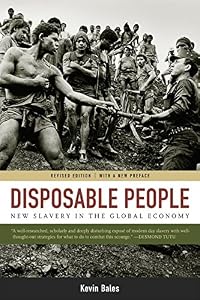








Member Recommendations
Member Reviews
Kevin Bales is a recognized world authority on the generally hidden phenomenon of modern slavery; he best known for Disposable People (1999), a standard and influential text in classrooms and with policy makers. Ending Slavery (2007) is his latest book which reveals updated information and additional heartbreaking stories, balanced by optimistic practical solutions for the audacious goal of ending slavery around the world. Either one of these books would be an excellent place to start learning about modern slavery for the average reader. While slavery can be a depressing subject, Ending Slavery is ultimately uplifting because of its success stories, of solutions working, of the world becoming a better place and ways to keep the momentum show more going. By the end of the book there is a practical plan of what to do next for everyone from the concerned citizen, community leader, governments and NGO.
Modern slavery is largely hidden from view because, unlike in the 19th century and earlier, slavery today is illegal everywhere and- like drugs- the problem has gone underground. There are an estimated 27 million slaves in the world today - by comparison in the entire 350 year history of the African slave trade, about 13 million slaves were brought to the New World. When talking about modern slavery this comparison to the African slave trade is often made, and for good reason, our culture is saturated with the history of slavery from the movie "Roots", the book "Uncle Tom's Cabin" or Civil War history. If this cultural outrage of history were channeled to help modern slaves alive and toiling away today, imagine the good, but it starts with awareness. Most people don't know the basics of modern slavery: What is a modern slave? Where are they? What do they do? What can we do about it? This book answers those questions.
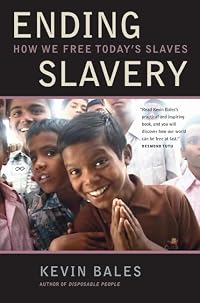
As the cover-picture of the book suggests, a happy discovery awaits within. After slavery comes freedom. New found freedom is one of the most rewarding experiences imaginable, both for slaves and those who help free them. It is no accident Lincoln, Gandhi, Martin Luther King, Desmond Tutu and others are among the most revered and popular leaders; or that the first and oldest human rights organization in the world is an anti-slave group (which still exists in England, connected to Kevin Bales). The struggle for freedom is far from over, and its happening everywhere from the suburbs of Washington DC to the cocoa (chocolate) plantations of Africa. Take the time to learn how slavery impacts us all, and what to do about it.
There are a number of free films online that tie into the book. In particular Slavery: A Global Investigation and Dreams Die Hard detail some of the same people and stories in the book, including interviews with Bales.
--Review by Stephen Balbach, via CoolReading (c) 2008 cc-by-nd show less
Modern slavery is largely hidden from view because, unlike in the 19th century and earlier, slavery today is illegal everywhere and- like drugs- the problem has gone underground. There are an estimated 27 million slaves in the world today - by comparison in the entire 350 year history of the African slave trade, about 13 million slaves were brought to the New World. When talking about modern slavery this comparison to the African slave trade is often made, and for good reason, our culture is saturated with the history of slavery from the movie "Roots", the book "Uncle Tom's Cabin" or Civil War history. If this cultural outrage of history were channeled to help modern slaves alive and toiling away today, imagine the good, but it starts with awareness. Most people don't know the basics of modern slavery: What is a modern slave? Where are they? What do they do? What can we do about it? This book answers those questions.
As the cover-picture of the book suggests, a happy discovery awaits within. After slavery comes freedom. New found freedom is one of the most rewarding experiences imaginable, both for slaves and those who help free them. It is no accident Lincoln, Gandhi, Martin Luther King, Desmond Tutu and others are among the most revered and popular leaders; or that the first and oldest human rights organization in the world is an anti-slave group (which still exists in England, connected to Kevin Bales). The struggle for freedom is far from over, and its happening everywhere from the suburbs of Washington DC to the cocoa (chocolate) plantations of Africa. Take the time to learn how slavery impacts us all, and what to do about it.
There are a number of free films online that tie into the book. In particular Slavery: A Global Investigation and Dreams Die Hard detail some of the same people and stories in the book, including interviews with Bales.
--Review by Stephen Balbach, via CoolReading (c) 2008 cc-by-nd show less
Ratings
Members
- Recently Added By
Author Information
23+ Works 1,044 Members
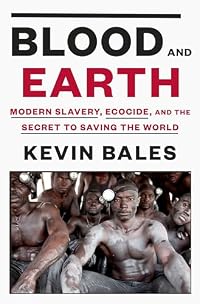
Kevin Bales is the co-founder and former president of Free the Slaves, the largest abolitionist organization in the world. He has also served as a trustee of Anti-Slavery International and as a consultant to the United Nations Global Program Against Trafficking in Human Beings. He is the author of numerous reports, monographs, and books on modern show more slavery including Disposable People: New Slavery in the Global Economy and Blood and Earth: Modern Slavery, Ecocide, and the Secret to Saving the World. (Bowker Author Biography) show less
Awards and Honors
Awards
Classifications
- Genres
- Nonfiction, General Nonfiction, Politics and Government, History
- DDC/MDS
- 306.3 — Society, Government, and Culture Social sciences, sociology & anthropology Social Behavior - Dating, Marriage, Divorce Economic institutions
- LCC
- HT867 .B356 — Social sciences Communities. Classes. Races Communities. Classes. Races Classes Slavery
- BISAC
Statistics
- Members
- 93
- Popularity
- 344,478
- Reviews
- 1
- Rating
- (4.00)
- Languages
- English
- Media
- Paper, Ebook
- ISBNs
- 5
- ASINs
- 1