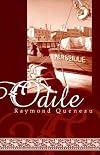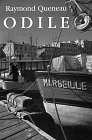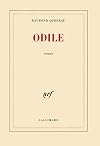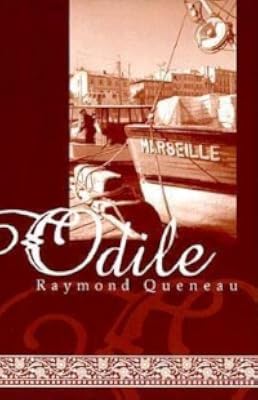
Odile
by Raymond Queneau
On This Page
Description
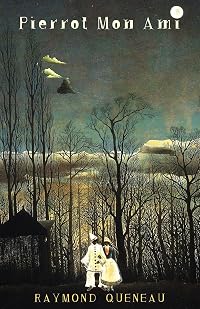
First published in France in 1937, this brilliant, moving novel is about the devastating psychological effects of war, about falling in love, about politics subverting human relationships, and about life in Paris during the early 1930s amid intellecturals and artists whose activities range from writing for radical magazines to conjuring the ghost of Lenin in seances. Raymond Queneau (1903-1976) has been one of the most powerful forces in shaping the direction of French fiction in the past show more fifty years. His other novels includes The Last Days, Pierrot Mon Ami, and Saint Glinglin. show lessTags
Recommendations





















Member Reviews
This was instance whre it looked as if Three Stars was the destined outcome before the Author brought one back in stoppage time. Queneau shined when he pushed aside his scathing satire and exhibited honest insecurity and sentiment in the final 30 pages.
The Surrealists and Marxists received equal abuse in this curious vehicle. It is a witty triumph.
The Surrealists and Marxists received equal abuse in this curious vehicle. It is a witty triumph.
Teveel een sleutelroman, teveel een afrekening. Ik heb weinig zin om veel achtergrondinfo op te zoeken – het draait om de surrealisten, het gaat om Breton. Goed mogelijk dat ook Salvador Dali een rolletje krijgt. Anderen zochten dat allemaal al eens uit. Wie het Frans voldoende meester is, moet dat maar eens googelen.
Er zit wat humor in, maar onderkoeld. Er zitten een paar taalgrapjes in – maar die overleven de vertaling niet. De belangrijkste grap – le crocodile croque Odile – blijft gewoon onvertaald, en al zal het in dit boek misschien wat minder zijn dan in Queneau’s andere boeken, dit is Queneau … er zal toch vast meer van dat te vinden zijn.
Maar los daarvan lijkt dit boek een verplicht nummer te zijn geweest, een show more afscheidsbrief aan Breton, een document. Teleurgesteld dat ik me kan teleurstellen in Queneau. show less
Er zit wat humor in, maar onderkoeld. Er zitten een paar taalgrapjes in – maar die overleven de vertaling niet. De belangrijkste grap – le crocodile croque Odile – blijft gewoon onvertaald, en al zal het in dit boek misschien wat minder zijn dan in Queneau’s andere boeken, dit is Queneau … er zal toch vast meer van dat te vinden zijn.
Maar los daarvan lijkt dit boek een verplicht nummer te zijn geweest, een show more afscheidsbrief aan Breton, een document. Teleurgesteld dat ik me kan teleurstellen in Queneau. show less
Jan 29, 2016Dutch
C'est peut-être l'un des romans les plus autobiographiques de Raymond Queneau, l'auteur de Zazie dans le métro. Écrit en 1937, il relate son expérience surréaliste. Queneau, épris de liberté, avait claqué la porte de ce mouvement en 1929. On le découvre ici sous les traits d'un jeune mathématicien qui, de retour de l'armée, renoue avec des amis communistes et anarchistes. Il rencontrera aussi Odile.
André Breton, le pape du surréalisme, sous la figure d'Anglarès, est mis à mal et en prend pour son rhume. Il apparaît comme le leader égocentrique d'un mouvement sectaire assez particulier.
Raymond Queneau ne m'aura pas déçu.
« Anglarès : Eh bien voilà. J'ai l'intention de regrouper toutes les sectes éparses et tous les show more groupes dispersés (...)
Il me tendit une feuille dactylographiée énumérant:
les polysystématiseurs
les co-matérialistes phénoménophiles
les télépathiciens dialecticiens
les sympathisants piatilektiens non réformés
les anthroposophes discordants
les dysharmonistes plurivalents
les Yougoslaves anticonceptionnels
les mediumnistes paralyriques
les fanatiques irrésolus partisans de l'ultrarouge
les spirites incubophiles
les révolutionnaires asymétriques purs
les polypsychistes intolérants
les terroristes antifascistes promussoliniens d'extrême-gauche
les fruitariens antiflics
les métapsychistes incoordonnés
les parachistes disséminés
la ligue pour les barbituriques
le comité de propagande pour la psychanalyse par correspondance
les socio-bouddhistes dissidents
les phénoménologues néantisseurs en inactivité
l'association des anti-intellectuels révolutionnaires
les révoltés nullificateurs intégraux
les syndicalistes antimaconniques initiés
et trente et un groupements belges. »
[http://rivesderives.blogspot.ca/2016/01/odile-raymond-queneau.html] show less
André Breton, le pape du surréalisme, sous la figure d'Anglarès, est mis à mal et en prend pour son rhume. Il apparaît comme le leader égocentrique d'un mouvement sectaire assez particulier.
Raymond Queneau ne m'aura pas déçu.
« Anglarès : Eh bien voilà. J'ai l'intention de regrouper toutes les sectes éparses et tous les show more groupes dispersés (...)
Il me tendit une feuille dactylographiée énumérant:
les polysystématiseurs
les co-matérialistes phénoménophiles
les télépathiciens dialecticiens
les sympathisants piatilektiens non réformés
les anthroposophes discordants
les dysharmonistes plurivalents
les Yougoslaves anticonceptionnels
les mediumnistes paralyriques
les fanatiques irrésolus partisans de l'ultrarouge
les spirites incubophiles
les révolutionnaires asymétriques purs
les polypsychistes intolérants
les terroristes antifascistes promussoliniens d'extrême-gauche
les fruitariens antiflics
les métapsychistes incoordonnés
les parachistes disséminés
la ligue pour les barbituriques
le comité de propagande pour la psychanalyse par correspondance
les socio-bouddhistes dissidents
les phénoménologues néantisseurs en inactivité
l'association des anti-intellectuels révolutionnaires
les révoltés nullificateurs intégraux
les syndicalistes antimaconniques initiés
et trente et un groupements belges. »
[http://rivesderives.blogspot.ca/2016/01/odile-raymond-queneau.html] show less
Aug 22, 2016French
Ratings
Members
- Recently Added By
Author Information

175+ Works 9,912 Members
This French author of treatises on mathematics and other scholarly works has made his reputation writing comic novels. Raymond Queneau (through one of his characters) once defined humor as "an attempt to purge lofty feelings of all the baloney." Roger Shattuck interprets his philosophy: "Life is of course absurd and it is ludicrous to take it show more seriously; only the comic is serious." Life is so serious to Queneau that only laughter makes it bearable. He has written a play, screenplays, poetry, numerous articles, and many novels, the first of which, Le Chiendent (The Bark Tree), was published in 1933. In Exercises in Style (1947) he tells a simple anecdote 99 different ways. According to some critics, The Blue Flowers (1965) represents Queneau at his best. Its jokes, puns, double-entendres, deceptions, wild events, tricky correspondences, and bawdy language make it a feast of comic riches. The influence of Charlie Chaplin, as well as James Joyce is detectable in Queneau's fiction. (Bowker Author Biography) show less
Series
Belongs to Publisher Series
Common Knowledge
- Canonical title
- Odile
- Original title
- Odile
- Original publication date
- 1937
- People/Characters
- Travy; Odile
- Important places
- Paris, France; Greece
- First words*
- Lorsque cette histoire commence, je me trouve sur la route qui va de Bou Jeloud à Bad Fetouh en longeant les murs de la ville.
*Some information comes from Common Knowledge in other languages. Click "Edit" for more information.
Classifications
Statistics
- Members
- 199
- Popularity
- 165,429
- Reviews
- 3
- Rating
- (3.51)
- Languages
- 8 — Czech, Dutch, English, French, German, Italian, Japanese, Spanish
- Media
- Paper, Ebook
- ISBNs
- 15
- ASINs
- 2