On This Page
Description
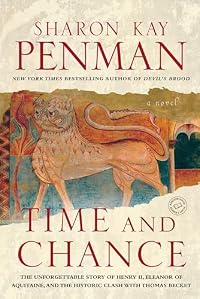
In When Christ and His Saints Slept, acclaimed historical novelist Sharon Kay Penman portrayed all the deceit, danger, and drama of Henry II's ascension to the throne. Now, in Time and Chance, she continues the ever-more-captivating tale. It was medieval England's immortal marriage-Eleanor of Aquitaine and Henry II, bound by passion and ambition, certain to leave a legacy of greatness. But while lust would divide them, it was friendship-and ultimately faith-that brought bloodshed into their show more midst. It began with Thomas Becket, Henry's closest confidant, and his elevation to be Archbishop of Canterbury. It ended with a perceived betrayal that made a royal murder seem inevitable. Along the way were enough scheming, seductions, and scandals to topple any kingdom but their own. Only Sharon Kay Penman can re-create this truly tumultuous time-and capture the couple who loved power as much as each other, and a man who loved God most of all. show lessTags
Recommendations

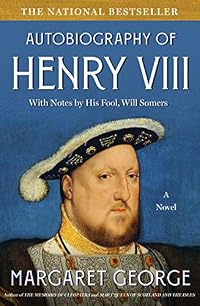
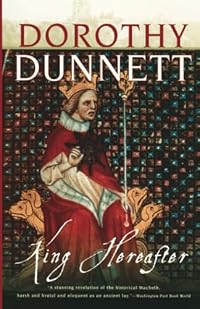
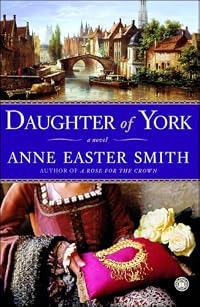
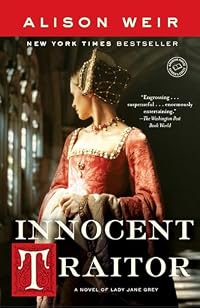
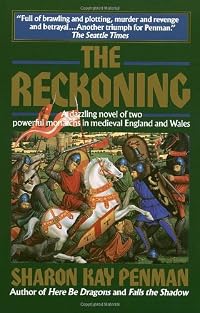
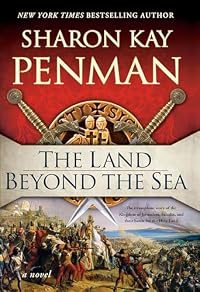
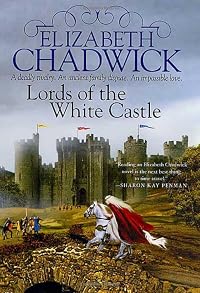
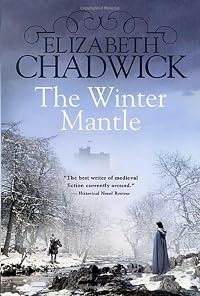

Member Recommendations
Member Reviews
This novel, the sequel to When Christ and His Saints Slept, continues the story of Henry II after his accession to the throne of England. Henry and his new wife, Eleanor of Aquitaine, seemingly have a charmed life, with all the power and riches they could desire. But their great ambitions come with great costs: Henry is constantly on the battlefield defending his holdings in France and skirmishing for power in Wales, while Eleanor is forced to the sidelines and must undergo the rigors of repeated childbirth. The book tells the story of their tempestuous marriage but also examines another important relationship in Henry’s life — his friendship with his chancellor (and later Archbishop of Canterbury), Thomas Becket.
I read When Christ show more and His Saints Slept a few years ago, but this book contains enough reminders of past events that I was able to follow along without a problem. Overall I enjoyed this novelization of the birth of the Plantagenet dynasty; it’s what I would term an intelligent romp. Penman does her research, but she also manages to write page-turners that are filled with action, scandal, and intrigue. The parts that focused on Henry’s deteriorating relationship with Thomas Becket were both interesting and frustrating to me. Even though I knew how their argument would end, I found myself hoping against hope that they’d be able to communicate with each other and work things out! As for Henry and Eleanor, I think their story in this book will pale in comparison to the events of the sequel, when their children are all grown up. I'm looking forward to Devil’s Brood! show less
I read When Christ show more and His Saints Slept a few years ago, but this book contains enough reminders of past events that I was able to follow along without a problem. Overall I enjoyed this novelization of the birth of the Plantagenet dynasty; it’s what I would term an intelligent romp. Penman does her research, but she also manages to write page-turners that are filled with action, scandal, and intrigue. The parts that focused on Henry’s deteriorating relationship with Thomas Becket were both interesting and frustrating to me. Even though I knew how their argument would end, I found myself hoping against hope that they’d be able to communicate with each other and work things out! As for Henry and Eleanor, I think their story in this book will pale in comparison to the events of the sequel, when their children are all grown up. I'm looking forward to Devil’s Brood! show less
At her best (Sunne in Splendour, Here Be Dragons) Penman is numbered among my favorite authors. Those favorites greatly moved me and are memorable years afterwards. There's only one book of hers I've read I ever found tedious--and that's her recent novel "Lionheart" about Richard the I of England.
This particular book is the second in a trilogy about Henry Fitz-Empress, King of England who with his wife Eleanor of Aquitaine ruled an empire that rivaled Charlemagne's. The first book, "When Christ and His Saints Slept" didn't quite reach the heights of Penman's best for me, but was still fascinating in its contrasting portraits of Henry's mother, Matilda and her cousin Stephen who vied for rule of England. This book is perhaps a notch show more below that one, but still very entertaining with no dull spots. The pair contrasted and centered upon n this book is the relationship between Henry and Thomas Becket, the Archbishop of Canterbury, If given what I knew about history Matilda was the surprise of the first book, Beckett is the surprise of the second. Beckett is usually presented as, well, a saint--or at least a hero fighting the oppression of the state. The matter isn' so simple as Penman presents it and more often than not it was Beckett I found utterly exasperating--my sympathies by and large were with Henry. The book is also interesting in its picture of the deteriorating marriage between Henry and Eleanor which no doubt is destined for a messy crackup in the next book and last book of the trilogy--"The Devil's Brood"--which I'm already reading and enjoying. If you enjoy works based on medieval history Penman is definitely worth your checking out. show less
This particular book is the second in a trilogy about Henry Fitz-Empress, King of England who with his wife Eleanor of Aquitaine ruled an empire that rivaled Charlemagne's. The first book, "When Christ and His Saints Slept" didn't quite reach the heights of Penman's best for me, but was still fascinating in its contrasting portraits of Henry's mother, Matilda and her cousin Stephen who vied for rule of England. This book is perhaps a notch show more below that one, but still very entertaining with no dull spots. The pair contrasted and centered upon n this book is the relationship between Henry and Thomas Becket, the Archbishop of Canterbury, If given what I knew about history Matilda was the surprise of the first book, Beckett is the surprise of the second. Beckett is usually presented as, well, a saint--or at least a hero fighting the oppression of the state. The matter isn' so simple as Penman presents it and more often than not it was Beckett I found utterly exasperating--my sympathies by and large were with Henry. The book is also interesting in its picture of the deteriorating marriage between Henry and Eleanor which no doubt is destined for a messy crackup in the next book and last book of the trilogy--"The Devil's Brood"--which I'm already reading and enjoying. If you enjoy works based on medieval history Penman is definitely worth your checking out. show less
In this book we return to the world of Henry II and Eleanor of Aquitaine as they build an empire, wrangle with Thomas Becket (the Archbishop of Canterbury) and have lots and lots of children. Recent experience with When Christ and His Saints Slept, Penman's previous book in the Henry/Eleanor series, may be helpful to keep some of the names straight but is not totally necessary.
I found this one much harder going than When Christ and His Saints Slept, probably because there was so much childbirth (and activities that caused the childbirths), and it's not exactly my favourite thing to read about in great detail. The sections involving Owain Gwynedd's clashes with Henry, and of course the feud with Thomas Becket, were much more interesting, show more and the final third of the book raced by. My favourite characters (if one can call historical personages "characters") were Eleanor with her resolve and quick wit, and Hywel, the poet son of Owain, whose sparkling conversation livened up any Wales scene he appeared in. It was also amusing to see the future Richard Lionheart and John Lackland as kids.
I would recommend this if you're interested in the Henry II/Thomas Becket feud, although there is more of a focus on Henry's perspective, and if you have enjoyed Penman's other books. show less
I found this one much harder going than When Christ and His Saints Slept, probably because there was so much childbirth (and activities that caused the childbirths), and it's not exactly my favourite thing to read about in great detail. The sections involving Owain Gwynedd's clashes with Henry, and of course the feud with Thomas Becket, were much more interesting, show more and the final third of the book raced by. My favourite characters (if one can call historical personages "characters") were Eleanor with her resolve and quick wit, and Hywel, the poet son of Owain, whose sparkling conversation livened up any Wales scene he appeared in. It was also amusing to see the future Richard Lionheart and John Lackland as kids.
I would recommend this if you're interested in the Henry II/Thomas Becket feud, although there is more of a focus on Henry's perspective, and if you have enjoyed Penman's other books. show less
The second novel in her trilogy about Henry II and Eleanor of Aquitaine, Time and Chance covers the period of the middle years of Henry’s reign, up to and including the notorious murder of Thomas Beckett, Archbishop of Canterbury. That, along with the deteriorating marriage to Eleanor are the twin foci of the book; given the tumultuous events of Henry’s reign, who, as well as being the ruler of England, controlled more land in France the King of France (although Henry was nominally a vassal of the French king), there is plenty of drama to fill the pages of this superbly told and equally well-written book.
Penman’s first in the series, When Christ and His Saints Slept, covered the period of the English Civil War between Maude, show more Henry’s mother, and Stephen, who seized the English after Henry I death, even though Henry had exacted an oath from his barons to honor his choice of Maude as heir. In that book, Penman does an outstanding job of presenting both sides of that bitter, 19 year war that devastated England.
She does an equally brilliant job in presenting both sides of the increasingly acrimonious and finally lethal conflict between Henry and Beckett over the respective boundaries of power of Church and State. The long view of history is on Henry’s side. BUT, in the context of the 12th century, as Penman so deftly shows, not only was that not clear but there was also a powerful argument on Beckett’s side. Two different men--less stubborn, less proud--might have been able to settle the differences; there were certainly countless attempts to do so, especially efforts by the then-pope. But Penman makes clear that both men were at fault for their inability to yield. The controversy which ended in the murder of Becket was one of the most dramatic events of the Middle Ages; it was recorded in detail. Equally so with Beckett’s murder; there were five eyewitnesses, who wrote detailed accounts. So Penman has plenty of rich material to work with, and she does an outstanding job.
Just as fascinating is her rendition of the marriage between Henry and Eleanor, the probable causes for their increasing estrangement, which no doubt will culminate in her third and final book on Henry and Eleanor. But Penman does a masterful job in her presentation of the couple, again showing both sides of the troubles between them. It’s nearly impossible, however, not to side with Eleanor, arguably the most powerful and fascinating woman of the Middle Ages.
Stashed in between the two central dramas are wars with the Welsh and various rebellious barons of Henry’s domains, and the tension between Henry and Louis VII, the St.Louis of French history, with whom Henry had to walk a fine line as he struggled both to keep his lands on the continent and expand his power whenever the opportunity arose.
In Penman’s hands, all the characters come alive. Henry, Eleanor, and especially Beckett reveal themselves both in words and actions to be complex characters. Penman is particularly good at dialogue. Most of her main cast are historical figures; carried over from her first book is the fictional character of Ranulf, supposedly one of Henry I’s many illegitimate children (as Penman puts it, Henry had at least 20, so why not use one of them), and therefore uncle to Henry II. Ranulf serves beautifully, as he did in the first book, as an window on the Welsh at this time, important actors during Henry’s reign.
I particularly liked the structure of the book, which she used in When Christ and his Saints Slept. Segmented into slices of time set in particular locales, the structure is very effective, allowing for abrupt changes in time and place without disrupting the narrative in the slightest. There is also a nice sketch of England and France, showing the locations of major cities, towns, and castles, especially those that play an important part in the story. The book opens in July, 1156 at Chinon Castle in France and ends in Wales in 1171, with much unresolved, waiting the final chapter in The Devil’s Brood.
There is no finer historical fiction that I know of. Highly recommended. show less
Penman’s first in the series, When Christ and His Saints Slept, covered the period of the English Civil War between Maude, show more Henry’s mother, and Stephen, who seized the English after Henry I death, even though Henry had exacted an oath from his barons to honor his choice of Maude as heir. In that book, Penman does an outstanding job of presenting both sides of that bitter, 19 year war that devastated England.
She does an equally brilliant job in presenting both sides of the increasingly acrimonious and finally lethal conflict between Henry and Beckett over the respective boundaries of power of Church and State. The long view of history is on Henry’s side. BUT, in the context of the 12th century, as Penman so deftly shows, not only was that not clear but there was also a powerful argument on Beckett’s side. Two different men--less stubborn, less proud--might have been able to settle the differences; there were certainly countless attempts to do so, especially efforts by the then-pope. But Penman makes clear that both men were at fault for their inability to yield. The controversy which ended in the murder of Becket was one of the most dramatic events of the Middle Ages; it was recorded in detail. Equally so with Beckett’s murder; there were five eyewitnesses, who wrote detailed accounts. So Penman has plenty of rich material to work with, and she does an outstanding job.
Just as fascinating is her rendition of the marriage between Henry and Eleanor, the probable causes for their increasing estrangement, which no doubt will culminate in her third and final book on Henry and Eleanor. But Penman does a masterful job in her presentation of the couple, again showing both sides of the troubles between them. It’s nearly impossible, however, not to side with Eleanor, arguably the most powerful and fascinating woman of the Middle Ages.
Stashed in between the two central dramas are wars with the Welsh and various rebellious barons of Henry’s domains, and the tension between Henry and Louis VII, the St.Louis of French history, with whom Henry had to walk a fine line as he struggled both to keep his lands on the continent and expand his power whenever the opportunity arose.
In Penman’s hands, all the characters come alive. Henry, Eleanor, and especially Beckett reveal themselves both in words and actions to be complex characters. Penman is particularly good at dialogue. Most of her main cast are historical figures; carried over from her first book is the fictional character of Ranulf, supposedly one of Henry I’s many illegitimate children (as Penman puts it, Henry had at least 20, so why not use one of them), and therefore uncle to Henry II. Ranulf serves beautifully, as he did in the first book, as an window on the Welsh at this time, important actors during Henry’s reign.
I particularly liked the structure of the book, which she used in When Christ and his Saints Slept. Segmented into slices of time set in particular locales, the structure is very effective, allowing for abrupt changes in time and place without disrupting the narrative in the slightest. There is also a nice sketch of England and France, showing the locations of major cities, towns, and castles, especially those that play an important part in the story. The book opens in July, 1156 at Chinon Castle in France and ends in Wales in 1171, with much unresolved, waiting the final chapter in The Devil’s Brood.
There is no finer historical fiction that I know of. Highly recommended. show less
This book I didn’t like as much as the first one. I really got bog down by the details in this one. I’m not say that details were not important I just think it could have been present in a better way. It almost felt reading a text book instead of the story. I image this is a hard balance the historical fiction writers to balance. For too little detail and the reader is unsure of why thing are happing the way they are and too much detail and you are reading the text book. It also hard to explain the political nuances between the Catholic Church at the time and Kings and Queens. You can see what the consequence will be down the road for future claims the kingships in Europe.I think this is a hard story to tell, but over all I think show more Sharon Kay Penman has done a wonderful job and I will read the third book. show less
Sharon Kay Penman is without question my favourite author of historical fiction, so when I started reading this book I expected to be hooked immediately. Unfortunately, I found the first quarter of the book gave far too much attention to a character not even from the pages of real history - a character whose storyline I didn't at all enjoy. As a result, I despaired that I might have come across a work of Penman's that I wouldn't enjoy. Penman came through in the end though...and I never should have doubted that she would. As soon as Henry II and Thomas Becket began their infamous feud I didn't want to put the book down. Penman has once again painted a vivid portrait of the regal and political figures that defined the 12th century, most show more especially Henry II and Thomas Becket. My only criticism, aside from the attention paid to Ranulf's storyline, was that Eleanor of Aquitaine played such a minor role in the story. I do, however, believe this will be rectified in the novel that follows, Devil's Brood, and I am very much look forward to reading it. show less
The story of Henry II, Eleanor of Aquitaine, and Thomas Beckett, through Beckett's death. This was book 2/3 in the Plantagenet series and surprisingly good for a middle book. I especially enjoyed the author's note where she explained what liberties she took (very few) and what was verbatim history. For example, there were five eye-witness accounts to the murder of Beckett, and as they were clerics, they all wrote it down. What a fantastic piece of history. Looking forward to the last book. 544 pages
Members
- Recently Added By
Published Reviews
ThingScore 75
"So well does Penman integrate her assiduous research into her tale that we have no doubt that this is the way it must have been."
added by bookfitz
"Unfortunately, this long-anticipated novel lacks animation."
added by bookfitz
"Perfect for fans of battles lost and won, on the field and in the boudoir, by a vivid cast of characters doing their best to make history live."
added by bookfitz
Lists

Historical Fiction
889 works; 90 members

al.vick-parents books
301 works; 1 member
Talk Discussions
Past Discussions
GROUP READ: Time and Chance by Sharon Kay Penman in 2013 Category Challenge (September 2013)
Author Information

20+ Works 18,904 Members
Sharon Kay Penman was born in New York City on August 13, 1945. She received a bachelor's degree in history from the University of Texas at Austin and a Juris Doctor degree from Rutgers University School of Law. She worked as a tax lawyer before becoming a full-time writer. She wrote The Sunne in Splendour, which chronicled the life of Richard show more III, while she was a student and a tax lawyer. After finishing the manuscript, her only copy was stolen from her car. She eventually rewrote the book and it was published in 1982. Her other works include Here Be Dragons, The Reckoning, When Christ and His Saints Slept, The Queen's Man, Cruel as the Grave, Dragon's Lair, Prince of Darkness, Lionheart and A King's Ransom. She won the 2001 Career Achievement Award for Historical Mysteries from Romantic Times. (Bowker Author Biography) show less

Sharon Kay Penman is a LibraryThing Author, an author who lists their personal library on LibraryThing.
Awards and Honors
Distinctions
Series

Common Knowledge
- Canonical title
- Time and Chance
- Original title
- Time and Chance
- Original publication date
- 2002-02-28
- People/Characters
- Eleanor of Aquitaine; Henry II, King of England; Thomas Becket; Rosamund Clifford; Richard I, King of England; John, King of England (show all 7); Alys, Countess of the Vexin
- Important places
- England, UK (as England); Aquitaine, France
- Important events
- Reign of Henry II (1154-12-19 | 1189-07-06); Murder of Thomas Becket (1170)
- Epigraph
- Again I saw that under the sun the race is not to the swift,
nor the battle to the strong, nor bread to the wise,
nor riches to the intelligent, nor favour to men of skill
but time and chance happen to them all.
<... (show all)br>Ecclesiastes - Dedication
- To Jill Davies
- First words
- As the King of England crossed the inner bailey of Chinon Castle, his brother watched from an upper-storey window and wished fervently that God would smite him dead.
- Last words
- (Click to show. Warning: May contain spoilers.)Ranuf continued to watch, though, as long as the sails remained in sight.
- Original language
- English
Classifications
Statistics
- Members
- 1,423
- Popularity
- 16,450
- Reviews
- 41
- Rating
- (4.17)
- Languages
- Czech, English
- Media
- Paper, Audiobook, Ebook
- ISBNs
- 14
- ASINs
- 8