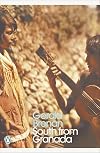
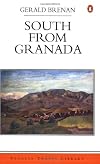
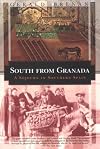
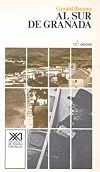
South from Granada
by Gerald Brenan
On This Page
Description
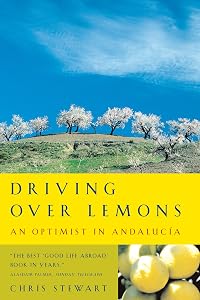
Part autobiography, part travelogue, and wholly a tribute to the unspoilt beauty of southern Spain, Gerald Brenan's South from Granada includes an introduction by Chris Stewart, author of the bestselling Driving Over Lemons, in Penguin Modern Classics. Between 1920 and 1934, Gerald Brenan lived in the remote Spanish village of Yegen and South of Granadadepicts his time there, vividly evoking the essence of his rural surroundings and the Spanish way of life before the Civil War. Here he show more portrays the landscapes, festivals and folk-lore of the Sierra Nevada, the rivalries, romances and courtship rituals, village customs, superstitions and characters. Fascinating details emerge, from cheap brothels to archaeological remains, along with visits from Brenan's friends from the Bloomsbury group - Lytton Strachey and Virginia Woolf among them. Knowledgeable, elegant and sympathetic, this is a rich account of Spain's vanished past. Gerald Brenan (1894-1987) was an English writer who spent much of his life in Spain. He is best known for The Spanish Labyrinth, a work of history on the background to the Spanish Civil War and for South From Granada- Seven Years in an Andalusian Village. He was awarded a CBE in 1982, and was much honoured in Spain If you enjoyed South from Granada, you might like Orwell's Homage to Catalonia,also available in Penguin Modern Classics. 'The best of Brenan's books- he has a true and proper knowledge of the culture he describes' Cyril Connolly, Sunday Times 'A brilliant interpreter of Spain to the rest of the world' The Times show lessTags
Recommendations


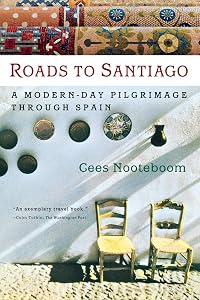
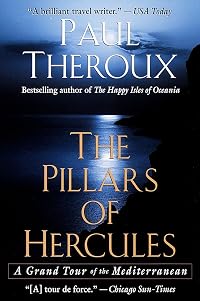
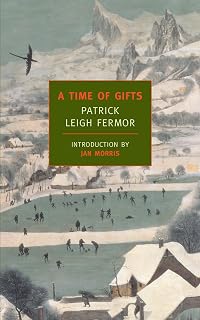


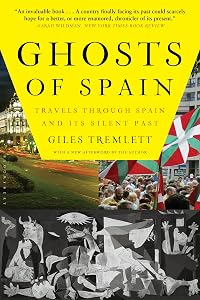





















Member Recommendations
caflores Bajo las descripciones, el cariño del autor por la zona.
Member Reviews
This non-fiction travel book is as close to literature as travel books can get. Gerald Brenan, after serving in the British army in the First World War, decides to stretch his meagre savings as long as possible by living extremely cheaply in a very small village called Yegen in the mountainous regions in the south of Spain. This book, describing him living amongst these people in the 1920's, captures pretty much every conceivable angle of that village and its surrounding area, along with visits from famous arts figure friends from the Bloomsbury group, including Virginia Woolf.
There are two features that make the book so special. First, it describes a part of the western world that still carried its own unique identity, before the show more cultural and technological influx from the rest of the Western World homogenised it. Thus, the Yegen people are completely saturated with strange traditions, apparently Christian in many cases, but clearly owing their origins, in the main, to past pagan habits. The Islamic history of the place also plays a part, as does general superstitions. Whereas cosmopolitan places not too far away, such as Madrid, would have largely shed such primitive, but colourful, supersitions, Yegen seems still build on them. They pervade every aspect of life, especially that of courtship, which is even more formalistic and repressed than Victorian English rules of etiquette.
The second feature that makes the book so special is the eye of its author. Brenan was clearly both a tremendously robust, positive and adventurous man, which helped him fall in love with a place where medicine and education were so lacking. But he was also extremely good at both embracing the culture he was living inside, and remaining a distanced observer to it. Nowhere is this more apparent when he walks by a barred window and somehow accidentally seems to become a serious boyfriend of some young woman. This requires him to visit her window every evening from dusk, and spend hours talking with her. Only when he realises she is physically rather squat and unattractive after a possible promenade offer does he make his excuses, weeks later! But he notes carefully all the standard phrases she comes up with, as if she could be one of a thousand courting clones. But his eye for psychological detail brilliantly captures so many colourful characters in his time there that these are what elevate the book far beyond a normal travel book, and almost turn it, at times, into a Dostoyevskian novel (most apparent in his tour guide acquaintance who shows him round all the Almeria brothels - a man that claims he is riddled by STDs, but is still addicted to prostitutes despite this, even to the extent that he can't afford to feed his own children. All this is very dramatic and sad, but then it's revealed that the man is sexually completely non-functional, without any children, and it's all an act!).
Although occasional passages seem a little tedious, reverting almost to text-book level detail about the region's history, on the whole this is very easy and exciting reading. Told at times with a beautiful poetical style, this book is a pleasure to read, and gives a fascinating and immersive glimpse into a vibrant place and time that no longer exists. show less
There are two features that make the book so special. First, it describes a part of the western world that still carried its own unique identity, before the show more cultural and technological influx from the rest of the Western World homogenised it. Thus, the Yegen people are completely saturated with strange traditions, apparently Christian in many cases, but clearly owing their origins, in the main, to past pagan habits. The Islamic history of the place also plays a part, as does general superstitions. Whereas cosmopolitan places not too far away, such as Madrid, would have largely shed such primitive, but colourful, supersitions, Yegen seems still build on them. They pervade every aspect of life, especially that of courtship, which is even more formalistic and repressed than Victorian English rules of etiquette.
The second feature that makes the book so special is the eye of its author. Brenan was clearly both a tremendously robust, positive and adventurous man, which helped him fall in love with a place where medicine and education were so lacking. But he was also extremely good at both embracing the culture he was living inside, and remaining a distanced observer to it. Nowhere is this more apparent when he walks by a barred window and somehow accidentally seems to become a serious boyfriend of some young woman. This requires him to visit her window every evening from dusk, and spend hours talking with her. Only when he realises she is physically rather squat and unattractive after a possible promenade offer does he make his excuses, weeks later! But he notes carefully all the standard phrases she comes up with, as if she could be one of a thousand courting clones. But his eye for psychological detail brilliantly captures so many colourful characters in his time there that these are what elevate the book far beyond a normal travel book, and almost turn it, at times, into a Dostoyevskian novel (most apparent in his tour guide acquaintance who shows him round all the Almeria brothels - a man that claims he is riddled by STDs, but is still addicted to prostitutes despite this, even to the extent that he can't afford to feed his own children. All this is very dramatic and sad, but then it's revealed that the man is sexually completely non-functional, without any children, and it's all an act!).
Although occasional passages seem a little tedious, reverting almost to text-book level detail about the region's history, on the whole this is very easy and exciting reading. Told at times with a beautiful poetical style, this book is a pleasure to read, and gives a fascinating and immersive glimpse into a vibrant place and time that no longer exists. show less
This is a fantastic book. It's a description of life in Yegen, the isolated and almost self-sufficient village in the Alpujarra region of Southern Spain where Gerald Brenan lived in the 1920's and 1930's. He describes the everyday life of the villagers and the festivals marking the agricultural year (which although nominally Catholic, have probably been performed almost unchanged since pagan times). He is a keen walker, on one occasion walking 60 miles home from Granada over the mountains in one day, starting at 3 am and arriving in the village at 10 pm. He is interested in the geography, archaeology, history, flora and fauna of the area as well as the people and describes everything in great detail. There are a couple of chapters about show more Bloomsbury friends such as Virginia Woolf visiting from England, but it is mostly about Spain and the way of life in the Alpujarra. show less
First person account of living in the Alpujarra, an impoverished, backward region of Southern Spain, in the years following the First World War. Excellent description of village life and the characters who lived there, showing empathy and real understanding of the realities involved. NB Later on, the author was living in Malaga when the Spanish civil war broke out in 1936 - his wife's account of this period, "Death's Other Kingdom" is worth a read.
Interested in Spain in the 1920's and 1930's before the Civil War then this is a must.
Yegen es un pueblo alpujarreño, plácidamente recostado en una suave ladera rugosa, arañada por limpios regatos de aguas cantarinas, gratas al paladar. En el vivió Brenan varios años, entre 1920 y 1934, en busca de sí mismo, arrebatado por la sencilla espontaneidad de las gentes que lo pueblan. Las palabras, los gestos, los ruidos, el trajín, las creencias y costumbres de tipo folklórico, todo lo anota minuciosamente Brenan, lo contrasta, se documenta, se deja empapar día a día. El resultado es esta obra, un libro curioso en el cual admiramos tanto el primor con que están descritos los tipos y sus maneras y el marco en que se mueven como las originales interpretaciones que el autor hace de cuanto observa. Podemos decir que show more tenemos ante los ojos una valiosa monografía antropológica servida con un lenguaje transido de emociones. De ahí que el libro resulte incitante, tanto para quien busque la lectura placentera como para quienes pretendan una iniciación en el trabajo de campo antropológico. show less
Feb 27, 2023Spanish
Tras la I Guerra Mundial, Brenan no quería volver al asfixiante mundo inglés de la época y, juntando sus ahorros, buscó un lugar lo más apartado y "salvaje" posible. Por casualidad, acabó en Las Alpujarras, entonces una zona aislada entre Granada y Almería. Allí se instaló, en un pueblo llamado Yegen, y allí vivió hasta 1934, con algunas intermitencias; después, salvo el largo período de "exilio" por causas políticas, vivió toda su vida en otras localidades de la zona. Este libro son las impresiones del escritor de su estancia en Yegen.
No es un diario ni una autobiografía. Tampoco un libro de viajes, ni un estudio científico ni un ejercicio literario. Pero es un poco de todo eso. El autor nos cuenta anécdotas propias o show more ajenas, nos informa de la forma de vida en la zona (incluyendo las ciudades de Almería y Granada), nos describe su flora autóctona, divaga sobre la historia y el carácter alpujarreño en particular y español en general, retrata a sus amigos intelectuales ingleses que le visitan... En fin, escribe de lo que le da la gana, que para eso se buscó un lugar libre. Desde este libro, Alpujarras es sinónimo de libertad para muchos españoles y muchos británicos.
Pero, en mi opinión, lo mejor de este libro es que, a diferencia de tantos otros viajeros, Brenan se ha enamorado del sitio que ha visitado, hasta el punto, como queda dicho, de considerarlo ya "su tierra" (habla frecuentemente de "nuestro pueblo"), pese a mantener su nacionalidad y casarse con una inglesa. Este inglés, a pesar de los malos ratos pasados en el sureste español, y que no oculta, no se marchó de allí salvo por obligación, y siempre pensando en volver, como todo emigrante. El afecto de Brenan fue ampliamente correspondido por sus vecinos, que le consideraban uno más para lo bueno y para lo malo, hasta que "Don Geraldo" murió allá en 1987. Ese cariño mutuo se transmite por todas estas páginas y es lo que realmente encandila al lector, a pesar del aparente desorden. show less
No es un diario ni una autobiografía. Tampoco un libro de viajes, ni un estudio científico ni un ejercicio literario. Pero es un poco de todo eso. El autor nos cuenta anécdotas propias o show more ajenas, nos informa de la forma de vida en la zona (incluyendo las ciudades de Almería y Granada), nos describe su flora autóctona, divaga sobre la historia y el carácter alpujarreño en particular y español en general, retrata a sus amigos intelectuales ingleses que le visitan... En fin, escribe de lo que le da la gana, que para eso se buscó un lugar libre. Desde este libro, Alpujarras es sinónimo de libertad para muchos españoles y muchos británicos.
Pero, en mi opinión, lo mejor de este libro es que, a diferencia de tantos otros viajeros, Brenan se ha enamorado del sitio que ha visitado, hasta el punto, como queda dicho, de considerarlo ya "su tierra" (habla frecuentemente de "nuestro pueblo"), pese a mantener su nacionalidad y casarse con una inglesa. Este inglés, a pesar de los malos ratos pasados en el sureste español, y que no oculta, no se marchó de allí salvo por obligación, y siempre pensando en volver, como todo emigrante. El afecto de Brenan fue ampliamente correspondido por sus vecinos, que le consideraban uno más para lo bueno y para lo malo, hasta que "Don Geraldo" murió allá en 1987. Ese cariño mutuo se transmite por todas estas páginas y es lo que realmente encandila al lector, a pesar del aparente desorden. show less
Jan 19, 2014 (Edited)Spanish
Un libro muy interesante. No es un simple relato de viajes, tan al gusto de la mentalidad romántica inglesa, es mucho más, una especie de antropología social, dónde no sólo se analiza la vida de un pueblo de la España rural, aislado de los avatares políticos internacionales, mal comunicado físicamente, dónde el tiempo trancurre por un ritmo interno propio y la vida de las personas está condicionada por su pertenencia a una clase social, por su apego al paisaje, a las condiciones climatológicas...
Y "Don Geraldo" quiere formar parte de esa comunidad, implicarse en su vida, aprender los códigos "no escritos" que marcan las relaciones personales...quiere llenar el vacío de su propia vida, por otra que él cree más show more auténtica...
Cronológicamente abarca desde 1920 hasta 1934, aunque se publicó en 1957. No obstante, creo que este modelo puede reflejar un modo de vida, usos y costumbres, vigentes en muchos pueblos de España rural, hasta la década de los 60.
Al leerlo he recordado muchas anécdotas que me han contado mis padres, procedente ambos de un pequeño pueblo de la provincia de Ävila. show less
Y "Don Geraldo" quiere formar parte de esa comunidad, implicarse en su vida, aprender los códigos "no escritos" que marcan las relaciones personales...quiere llenar el vacío de su propia vida, por otra que él cree más show more auténtica...
Cronológicamente abarca desde 1920 hasta 1934, aunque se publicó en 1957. No obstante, creo que este modelo puede reflejar un modo de vida, usos y costumbres, vigentes en muchos pueblos de España rural, hasta la década de los 60.
Al leerlo he recordado muchas anécdotas que me han contado mis padres, procedente ambos de un pequeño pueblo de la provincia de Ävila. show less
Mar 2, 2014Spanish
Members
- Recently Added By
Author Information

15+ Works 1,206 Members
Some Editions
Awards and Honors
Notable Lists
Series
Belongs to Publisher Series
Common Knowledge
- Original publication date
- 1957
- Important places
- Granada, Andalusia, Spain; Andalusia, Spain; Yegen, Andalusia, Spain (in the Sierra Nevada)
Classifications
- Genres
- Travel, Nonfiction, Biography & Memoir, General Nonfiction
- DDC/MDS
- 946.81 — History & geography History of Europe Spain & Portugal Andalusia; Gibraltar Almería
- LCC
- DP402 .Y4 .B7 — History of Europe, Asia, Africa and Oceania Spain – Portugal History of Spain Local history and description Other cities, towns, etc., A-Z
- BISAC
Statistics
- Members
- 399
- Popularity
- 78,224
- Reviews
- 8
- Rating
- (3.61)
- Languages
- English, German, Italian, Spanish
- Media
- Paper, Ebook
- ISBNs
- 15
- ASINs
- 15