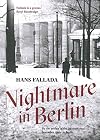
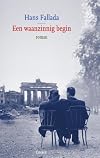
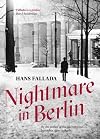
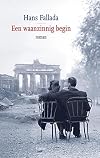
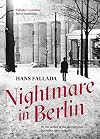
Nightmare in Berlin
by Hans Fallada
On This Page
Description
Late April, 1945. The war is over, yet Dr Doll, a loner and 'moderate pessimist', lives in constant fear. By night, he is haunted by nightmarish images of the bombsite in which he is trapped -- he, and the rest of Germany. More than anything, he wishes to vanquish the demon of collective guilt, but he is unable to right any wrongs, especially in his position as mayor of a small town in north-east Germany that has been occupied by the Red Army. Dr Doll flees for Berlin, where he finds escape show more in a morphine addiction: each dose is a 'small death'. He tries to make his way in the chaos of a city torn apart by war, accompanied by his young wife, who shares his addiction. Fighting to save two lives, he tentatively begins to believe in a better future. Written with Fallada's distinctive power and vividness, Nightmare in Berlin captures the demoralised and desperate atmosphere of post-war Germany in a way that has never been matched or surpassed. show lessTags
Recommendations























Member Reviews
I thought this novel (a well read audiobook) was stunning. It tells the story of a married German couple who return to a devastated Berlin at the end of the war. They have waited out the war in a village and, as the novel starts, the Russians are arriving in their tanks. (It is apparently auto-biographical to some extent. )
Strikingly, the story is told from the perspective of a protagonist, who is a writer, does not support Hitler, but who also did nothing to resist the Nazi regime. He is ordinary and not particularly courageous even though he despises his neighbors who loved the Fuhrer. I found it immensely sad to reflect on what that would have been like, to be a German who « belonged » to the defeated and despised country. Fallada show more depicts the awful material and psychological effects as people try to reclaim their lives: the shame, the trauma of the city in ruins, the confusion of all Germans being taken for Nazis and not knowing who was or wasn’t, the hostility among the survivors, the occasional acts of kindness, the indifference of leftover administrators in charge of food coupons, housing permits, etc. Personally, I’d just never thought about the aftermath for ordinary Germans—not in the way one has thought about the rescue of Jewish and other victims of the Holocaust. This novel makes that story vivid and human.
I couldn’t help think of the divisions in our own society, the hatefulness that erupts, and the absolute need for government to order and moderate the worst of our human impulses, to model and foster the best. show less
Strikingly, the story is told from the perspective of a protagonist, who is a writer, does not support Hitler, but who also did nothing to resist the Nazi regime. He is ordinary and not particularly courageous even though he despises his neighbors who loved the Fuhrer. I found it immensely sad to reflect on what that would have been like, to be a German who « belonged » to the defeated and despised country. Fallada show more depicts the awful material and psychological effects as people try to reclaim their lives: the shame, the trauma of the city in ruins, the confusion of all Germans being taken for Nazis and not knowing who was or wasn’t, the hostility among the survivors, the occasional acts of kindness, the indifference of leftover administrators in charge of food coupons, housing permits, etc. Personally, I’d just never thought about the aftermath for ordinary Germans—not in the way one has thought about the rescue of Jewish and other victims of the Holocaust. This novel makes that story vivid and human.
I couldn’t help think of the divisions in our own society, the hatefulness that erupts, and the absolute need for government to order and moderate the worst of our human impulses, to model and foster the best. show less
Written in 1946, Hans Fallada’s novel draws on his own life for its inspiration as he charts his time in the German countryside and later in Berlin from 1943 to 1946. Coping with the pressure of the Second World War and then the aftermath of peace, Dr. Doll experiences the guilt and shame of what his fellow countrymen has subjected others to during the war. His guilt is exacerbated by his own and his wife’s morphine addiction which he regrets as he comes to see that he is not contributing to the rebuilding of Germany at the end of the war. At times he is surprised by the humanity shown by others, Sometimes Russian soldiers, sometimes by fellow Germans, after all that has been inflicted upon them. While not as powerful as his final show more novel, ‘Alone in Berlin’, this one nonetheless is a moving description of the time. show less
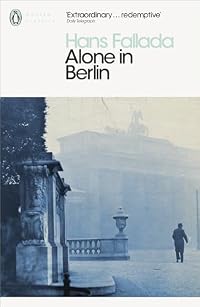
Nightmare in Berlin is the fifth book I’ve read by the German author Hans Fallada, (1893-1947) but it was when I read the first one that I wondered if Fallada had any optimism about the future of post-war Germany. This is what I wrote at the conclusion of my review of Alone in Berlin, (1947) Fallada’s story about the futile resistance campaign of a working-class couple against the Nazis, a couple who believe that once you’ve seen that a cause is right, you’re obliged to fight for it.
Is there redemption? Writing so soon after the war, Fallada must have yearned for a new Germany, and the Quangels are a metaphor for parents of the next generation. The ‘baptism’ of the street-thug Kuno, his rejection of his unrepentant father show more and his adoption by the symbolically named Eva is a clear indication of Fellada’s hopes for a humane post-Nazi Germany.
Nightmare in Berlin is the novel that Fallada had to write before he could write the more hopeful Alone in Berlin. It’s about the time between the evil regime and the establishment of a new order, and how an ordinary man felt about his country’s past when he could not see what its future might be. A thinly disguised autobiographical novel which traces the life of Doctor Doll in the immediate aftermath of Germany’s defeat, it represents not only the chaos of its downfall, but also the soul of a man trying to come to terms with the moral quagmire of German responsibility for its monstrous crimes against humanity.
To read the rest of my review please visit https://anzlitlovers.com/2016/06/17/nightmare-in-berlin-by-hans-fallada-translat... show less
Is there redemption? Writing so soon after the war, Fallada must have yearned for a new Germany, and the Quangels are a metaphor for parents of the next generation. The ‘baptism’ of the street-thug Kuno, his rejection of his unrepentant father show more and his adoption by the symbolically named Eva is a clear indication of Fellada’s hopes for a humane post-Nazi Germany.
Nightmare in Berlin is the novel that Fallada had to write before he could write the more hopeful Alone in Berlin. It’s about the time between the evil regime and the establishment of a new order, and how an ordinary man felt about his country’s past when he could not see what its future might be. A thinly disguised autobiographical novel which traces the life of Doctor Doll in the immediate aftermath of Germany’s defeat, it represents not only the chaos of its downfall, but also the soul of a man trying to come to terms with the moral quagmire of German responsibility for its monstrous crimes against humanity.
To read the rest of my review please visit https://anzlitlovers.com/2016/06/17/nightmare-in-berlin-by-hans-fallada-translat... show less
ספר מעניין אבל דוחה ומתסכל של פלדה. למעשה אוטוביוגרפי לחלוטין ומתאר כמה שנים אחרונות של חיי המחבר ובת זוגו הצעירה מייד אחרי המלחמה. הסיפור המעניין של גרמניה אחרי המלחמה וההשתקמות שלה מתחבא בתוך הסיפור ההרבה פחות מעניין של הסבל של הזוג הלא יוצלחי שמעבר לכל הצרות מכור לסמים וסובל מהפרעות נפשיות.
Deutschland in den Monaten des Zusammenbruchs der Jahre 1945/46: Die Siegermächte nahen, im Osten des Landes kann es nicht mehr lange dauern, bis die russische Armee eintrifft. Viele packen ihr Hab und Gut und fliehen in den Westen, denn wenn der Russe kommt... Doch die Dolls in einem kleinen mecklenburgischen Dorf freuen sich, ganz im Gegensatz zum Rest der Bewohner. Zunächst sieht es gut für das Paar aus: Trotz Verleumdungen wird Dr. Doll vom russischen Kommandanten zum Bürgermeister ernannt. Doch die Arbeit fordert mehr von ihm als er zu leisten fähig ist und so kommt er, gemeinsam mit seiner ebenfalls kranken Frau, ins Krankenhaus. Mehr oder weniger genesen gehen beide nach Berlin, wo Frau Doll noch eine Wohnung besitzt. Doch show more als sie dort ankommen, wird ihnen nicht geöffnet: Ihre Wohnung ist besetzt, ihr Hab und Gut verstreut. Mitten im zerstörten Berlin stehen sie wie tausend Andere auch vor dem Nichts...
Es ist die Geschichte Hans Falladas, und die Aussage des Vorwortes, das Buch sei autobiographisch inspiriert, halte ich persönlich für stark untertrieben. Zuviele der handelnden Personen sowie der Geschehnisse des Romanes stimmen mit dem realen Leben Falladas überein. Und mir erklärt es den stark Ich-bezogenen Ton, der das ganze Buch durchzieht. Doll/Fallada krankt an den Verbrechen die das deutsche Volk verübte ebenso wie an dem stillen Mitläufertum, das das Alles erst ermöglichte und wozu er sich auch selber zählt. Er verurteilt ohne Ausnahme einschließlich seiner eigenen Person und wird erst angesichts konkreter Armut und Hilfsbedürftigkeit milde und mitfühlend, aber auch dann ohne jede Einschränkung. Kein Gedanke daran, dass auch diese Menschen vielleicht überzeugte Nazis oder Mitläufer waren - hier zählt plötzlich nur der Mensch. Diese Einseitigkeit des Protagonisten, egal in welche Richtung, ist vermutlich der Krankheit Dolls/Falladas zuzuschreiben, der zeit seines Lebens an Depressionen litt, was es mir aber schwermachte, mich mit Doll als Romanhelden anzufreunden. Unter dem Aspekt Biographie betrachtet ist es jedoch ein ungemein ehrliches wie auch schonungsloses Zeugnis einer Zeit, die schlimmer kaum hätte sein können.
Es gibt auch (wenige) humorvolle Stellen, an den durchschimmert, welch 'anderer' großer Erzähler Fallada ebenfalls war. Ich werde mir in jedem Falle seine weiteren Werke früher oder später zu Gemüte führen. show less
Es ist die Geschichte Hans Falladas, und die Aussage des Vorwortes, das Buch sei autobiographisch inspiriert, halte ich persönlich für stark untertrieben. Zuviele der handelnden Personen sowie der Geschehnisse des Romanes stimmen mit dem realen Leben Falladas überein. Und mir erklärt es den stark Ich-bezogenen Ton, der das ganze Buch durchzieht. Doll/Fallada krankt an den Verbrechen die das deutsche Volk verübte ebenso wie an dem stillen Mitläufertum, das das Alles erst ermöglichte und wozu er sich auch selber zählt. Er verurteilt ohne Ausnahme einschließlich seiner eigenen Person und wird erst angesichts konkreter Armut und Hilfsbedürftigkeit milde und mitfühlend, aber auch dann ohne jede Einschränkung. Kein Gedanke daran, dass auch diese Menschen vielleicht überzeugte Nazis oder Mitläufer waren - hier zählt plötzlich nur der Mensch. Diese Einseitigkeit des Protagonisten, egal in welche Richtung, ist vermutlich der Krankheit Dolls/Falladas zuzuschreiben, der zeit seines Lebens an Depressionen litt, was es mir aber schwermachte, mich mit Doll als Romanhelden anzufreunden. Unter dem Aspekt Biographie betrachtet ist es jedoch ein ungemein ehrliches wie auch schonungsloses Zeugnis einer Zeit, die schlimmer kaum hätte sein können.
Es gibt auch (wenige) humorvolle Stellen, an den durchschimmert, welch 'anderer' großer Erzähler Fallada ebenfalls war. Ich werde mir in jedem Falle seine weiteren Werke früher oder später zu Gemüte führen. show less
Dec 2, 2014 (Edited)German
“De mensen die hier met mij over straat lopen, denkt Doll, kun je in twee groepen verdelen: de ene die niets meer kán hopen, en de andere die niets meer dúrft te hopen.”
In deze ene zin ligt het grondthema van deze autobiografisch geïnspireerde roman. Een impressie van het na-oorlogse Duitsland in de periode maart 1945 tot juli 1946.
De verwoestingen van Berlijn en de vertwijfeling van de mensen worden op een zeer indringende wijze beschreven. De afkeer die de schrijver koestert van de talloos velen die nu plotseling geen ‘nazi’ meer zijn en zich beklagen over de tastbare maar ook immateriële schade, staat hem aanvankelijk een nieuw begin in de weg. Met -letterlijk- vallen en opstaan en in weerwil van zijn morfineverslaving, show more zal hij uiteindelijk weer iets van hoop kunnen ervaren.
Het boek lezend kijk je als het ware over de schouder van de schrijver mee, de observaties en commentaren zijn zo ‘dicht op de huid” geschreven dat het beeld vanzelf met je mee beweegt; de ruimte tussen lezen en kijken lijkt te verdwijnen. show less
In deze ene zin ligt het grondthema van deze autobiografisch geïnspireerde roman. Een impressie van het na-oorlogse Duitsland in de periode maart 1945 tot juli 1946.
De verwoestingen van Berlijn en de vertwijfeling van de mensen worden op een zeer indringende wijze beschreven. De afkeer die de schrijver koestert van de talloos velen die nu plotseling geen ‘nazi’ meer zijn en zich beklagen over de tastbare maar ook immateriële schade, staat hem aanvankelijk een nieuw begin in de weg. Met -letterlijk- vallen en opstaan en in weerwil van zijn morfineverslaving, show more zal hij uiteindelijk weer iets van hoop kunnen ervaren.
Het boek lezend kijk je als het ware over de schouder van de schrijver mee, de observaties en commentaren zijn zo ‘dicht op de huid” geschreven dat het beeld vanzelf met je mee beweegt; de ruimte tussen lezen en kijken lijkt te verdwijnen. show less
Jan 2, 2015Dutch
2
Finals d’abril de 1945. Malgrat que la guerra ja s’ha acabat a Europa, el doctor Doll, un pessimista moderat, encara viu tenallat per la por. De nit l’assetgen malsons en els quals ell —i la resta d’Alemanya— malviu al fons d’un immens cràter provocat per una bomba. Per sobre de tot, vol vèncer el dimoni de la culpa col·lectiva, però es veu incapaç d’esmenar cap error des de la seva posició d’alcalde d’una petita ciutat ocupada per l’Exèrcit Roig.
Tractant de fugir de la seva addicció a la morfina —cada dosi representa una petita mort—, es trasllada a Berlín, on intenta refer la seva vida en el caos d’una ciutat agonitzant. Acompanyat de la seva dona, addicta com ell, lluitaran per salvar la vida show more perseguint la possibilitat de construir un futur millor.
Escrita amb l’energia i la vivor distintives de l’art de Hans Fallada, El malson és un retrat demolidor de l’atmosfera desesperada en què es va sumir l’Alemanya de la postguerra, on la vergonya i la culpa convivien amb la més severa de les misèries. show less
Tractant de fugir de la seva addicció a la morfina —cada dosi representa una petita mort—, es trasllada a Berlín, on intenta refer la seva vida en el caos d’una ciutat agonitzant. Acompanyat de la seva dona, addicta com ell, lluitaran per salvar la vida show more perseguint la possibilitat de construir un futur millor.
Escrita amb l’energia i la vivor distintives de l’art de Hans Fallada, El malson és un retrat demolidor de l’atmosfera desesperada en què es va sumir l’Alemanya de la postguerra, on la vergonya i la culpa convivien amb la més severa de les misèries. show less
Feb 28, 2017Catalan
Members
- Recently Added By
Lists

Books set in Berlin
46 works; 4 members

Books Read in 2019
4,052 works; 110 members
Author Information

152+ Works 8,190 Members
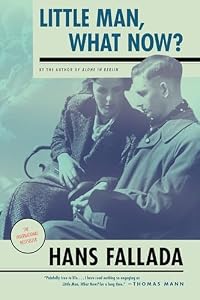
Hans Fallada is a pseudonym of Rudolf Ditzen, who was born in Greifswald, Germany, in 1893. Many of Fallada's works, including the posthumously published The Drinker, were about his life, which was rife with addictions and instability. Another subject of his works was his homeland Germany. Earlier works, including international bestseller Little show more Man, What Now?, show a Germany that would allow itself to become a Nazi nation under Hitler. Later works deal with the aftermath and guilt of this decision. He died on February 5, 1947, in Berlin. (Bowker Author Biography) show less
Some Editions
Awards and Honors
Awards
Distinctions
The Guardian Book of the Day (2016-10-08)
Series
Belongs to Publisher Series
Work Relationships
Common Knowledge
- Canonical title
- Nightmare in Berlin
- Original title
- Der Alpdruck
- Original publication date
- 1947; 2016 (English translation) (English translation)
- Important places
- Berlin, Germany
- First words*
- Zodra dr. Doll in de nachten rond de grote ineenstorting in slaap viel, werd hij telkens door dezelfde nachtmerrie geplaagd.
- Last words*
- (Click to show. Warning: May contain spoilers.)Hij heeft de afgelopen jaren nooit tijd gehad om onder een boom naar zijn ruisen te staan luisteren. Nu heeft hij de tijd, want het is weer vrede – vrede! Besef dat diep in je hart, mens, je hoeft niet meer te moorden en te doden. Wapens zijn onnodig, het is werkelijk vrede!
- Original language
- German
*Some information comes from Common Knowledge in other languages. Click "Edit" for more information.
Classifications
- Genres
- Fiction and Literature, General Fiction
- DDC/MDS
- 833.912 — Literature & rhetoric German & related literatures German fiction 1900- 1900-1990 1900-1945
- LCC
- PT2607 .I6 .A7713 — Language and Literature German, Dutch and Scandinavian literatures German literature Individual authors or works 1860/70-1960
- BISAC
Statistics
- Members
- 226
- Popularity
- 143,615
- Reviews
- 8
- Rating
- (3.88)
- Languages
- 9 — Danish, Dutch, English, French, German, Hebrew, Norwegian (Bokmål), Polish, Spanish
- Media
- Paper, Audiobook, Ebook
- ISBNs
- 35
- ASINs
- 10