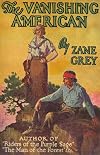
The Vanishing American
by Zane Grey
On This Page
Description
Considered one of Zane Grey’s best novels, The Vanishing American was originally published in serialized form in the Ladies Home Journal in 1922. It reveals Grey’s empathy for the Native American and his deep concern for the future survival of that culture.It is the story of Nophaie, a young Navajo, who is picked up by a party of whites at the age of seven. White parents bring the child up as though he were their own, eventually sending him to a prestigious Eastern college where he show more distinguishes himself by his outstanding athletic skill. The Vanishing American is about Nophaie’s struggle to find a place in society. On a larger scale it is about all Native Americans and their future in America. show lessTags
Recommendations


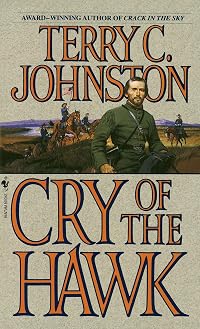
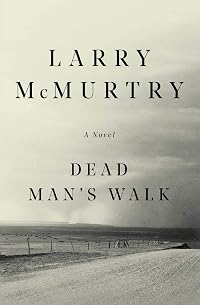


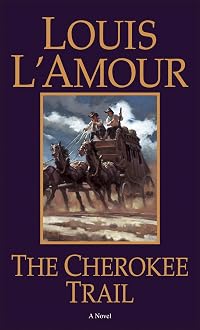


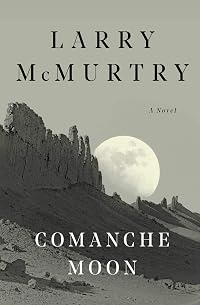
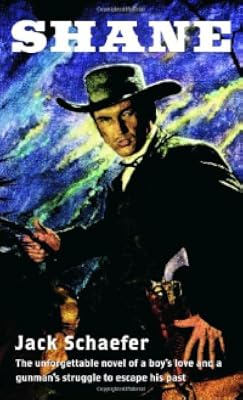
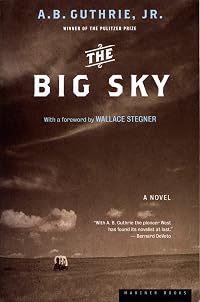


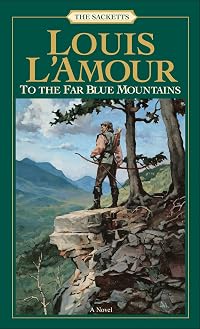
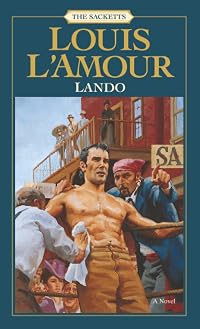


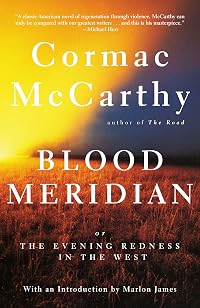
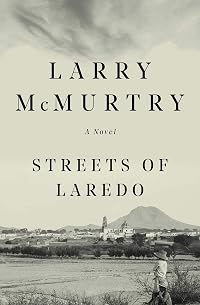


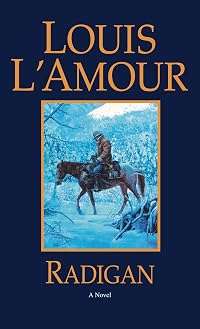
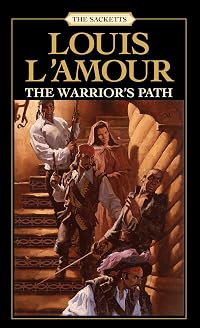






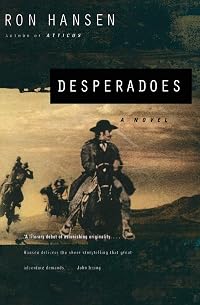


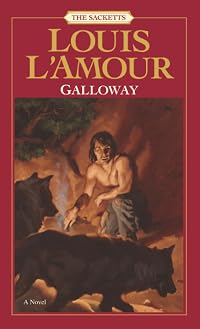
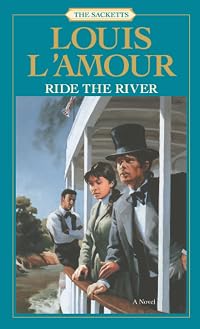


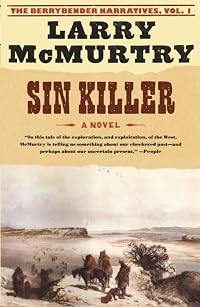


Member Recommendations
Member Reviews
Originally published as a short story in Ladies Home Journal in 1922, Zane Grey eventually fleshed out the story and the book, The Vanishing American was issued in 1925. Considered quite controversial in it’s day, this book examines the plight of the Navaho Indians who, around the time of the first world war were facing the loss of territory as well as the loss of their customs and religion. Zane Grey felt very strongly that white people should back off and let these people develop at their own speed. His particular ire was to the Christian missionaries that held a very strong sway with the government over the treatment of these natives.
His story was ahead of it’s time as it dealt with a love and marriage between a white woman and a show more native man. A great part of this book was based in fact, told to Grey by John Weatherhill, a trader who lived among the Navaho. Although pressured by many, including his publishers, Zane Grey refused to change his point of view.
Although rather dated in language, I found the story interesting and rather sad. I greatly admired his descriptions of the Navaho lands, as his words evoked the look, smell and feel of Arizona and New Mexico. This book makes me admire Zane Grey for the stand he was willing to take against oppression and prejudice. show less
His story was ahead of it’s time as it dealt with a love and marriage between a white woman and a show more native man. A great part of this book was based in fact, told to Grey by John Weatherhill, a trader who lived among the Navaho. Although pressured by many, including his publishers, Zane Grey refused to change his point of view.
Although rather dated in language, I found the story interesting and rather sad. I greatly admired his descriptions of the Navaho lands, as his words evoked the look, smell and feel of Arizona and New Mexico. This book makes me admire Zane Grey for the stand he was willing to take against oppression and prejudice. show less
A vivid and surprisingly accurate picture of BIA control over life on an Indian Reservation, to which Grey inexplicably adds the distress of an unconsummated love affair. The names of the actual tribes are disguised to protect the guilty.
Very thin plot line, but Nature has the most well-developed character, expressly devotional as to the Grand Canyon. [191] The rapsodic beauty of the natural world is captured by this author with the instincts of a fly-fisherman. The description of sunset over grand canyon may be eye-candy, transparent artifice, but it works better as scenery than the strained wooden efforts of Steinbeck who had better plots.
Still, this is not a "historical" novel any more than the Grey's works in which only cowboys show more occupy the stage. It is romantic. But Grey makes you want to believe, as a reader, in the way you know he womanized his way behind his wife's back, and knowing she had secrets of her own.
Bottom line, do we really want to "describe" the world the way it is? The bare-backed gallop, the nutting expeditions along the tree line, the children's hour of our lives ended by unspeakable suffering? Grey believed that through a strange evolution, divinity could grow inside a person. And he was ambivalent about "civilization", happily selective, indulgent with its comforts, but abandoning its restrictions, and living and writing toward the freedom of the "raw and primitive". And here is where he was simply wrong -- I do not know what contact he had with a member of an actual tribe, but we simply have never found an Indian tribe which was "wild" or "raw". All tribes are both savage and civilized, the difference lying solely in types of tools and weaponry. Still, although it describes no person, I appreciate the little description of a beautiful Indian maid:
"She was primitive. She had still the instincts of the savage. Her religion did not make for sophistication--did not invest her with a protection universal in white girls. Her father, perhaps, was a polygamist. Her mother did not teach her to restrain her instincts. There was no strict observance of moral law in the tribe. She did not think evil, because in her creed to think evil was to be evil. She was shy, dreamy, passive, though full of latent fire, innocent as an animal, and indeed similar to one. Her mind was a treasure store of legends and lore, of poetry and music, of maiden enchantments, but her blood was red and hot, and she was a child of the elements." [153]
Ironically, this is a pretty fair description of Zane Grey himself: Full of legends and lore, a child of the elements. A vanishing American, who perhaps, never existed in the real world. Louis L'Amour worked harder, wrote more, and with more authenticity. He could knock you out in a brawl or a boxing match, your choice. Zane Grey will not connect with your jaw, spitting teeth. Grey invented The Lone Ranger western, and the Indian is "Tonto", the unbelievable and beloved side-kick.
Today we look at Grey's rosy heroes with pity, and we find our necessary escapes in other ways. But part of us longs for a world in which development is always arrested, and evil doesn't stand a chance. Now, we are pretty certain that "primitive" man has not been on this planet for 300,000 years -- "vanished" long long ago. Leaving lineaments and longings from which we cannot escape. show less
Very thin plot line, but Nature has the most well-developed character, expressly devotional as to the Grand Canyon. [191] The rapsodic beauty of the natural world is captured by this author with the instincts of a fly-fisherman. The description of sunset over grand canyon may be eye-candy, transparent artifice, but it works better as scenery than the strained wooden efforts of Steinbeck who had better plots.
Still, this is not a "historical" novel any more than the Grey's works in which only cowboys show more occupy the stage. It is romantic. But Grey makes you want to believe, as a reader, in the way you know he womanized his way behind his wife's back, and knowing she had secrets of her own.
Bottom line, do we really want to "describe" the world the way it is? The bare-backed gallop, the nutting expeditions along the tree line, the children's hour of our lives ended by unspeakable suffering? Grey believed that through a strange evolution, divinity could grow inside a person. And he was ambivalent about "civilization", happily selective, indulgent with its comforts, but abandoning its restrictions, and living and writing toward the freedom of the "raw and primitive". And here is where he was simply wrong -- I do not know what contact he had with a member of an actual tribe, but we simply have never found an Indian tribe which was "wild" or "raw". All tribes are both savage and civilized, the difference lying solely in types of tools and weaponry. Still, although it describes no person, I appreciate the little description of a beautiful Indian maid:
"She was primitive. She had still the instincts of the savage. Her religion did not make for sophistication--did not invest her with a protection universal in white girls. Her father, perhaps, was a polygamist. Her mother did not teach her to restrain her instincts. There was no strict observance of moral law in the tribe. She did not think evil, because in her creed to think evil was to be evil. She was shy, dreamy, passive, though full of latent fire, innocent as an animal, and indeed similar to one. Her mind was a treasure store of legends and lore, of poetry and music, of maiden enchantments, but her blood was red and hot, and she was a child of the elements." [153]
Ironically, this is a pretty fair description of Zane Grey himself: Full of legends and lore, a child of the elements. A vanishing American, who perhaps, never existed in the real world. Louis L'Amour worked harder, wrote more, and with more authenticity. He could knock you out in a brawl or a boxing match, your choice. Zane Grey will not connect with your jaw, spitting teeth. Grey invented The Lone Ranger western, and the Indian is "Tonto", the unbelievable and beloved side-kick.
Today we look at Grey's rosy heroes with pity, and we find our necessary escapes in other ways. But part of us longs for a world in which development is always arrested, and evil doesn't stand a chance. Now, we are pretty certain that "primitive" man has not been on this planet for 300,000 years -- "vanished" long long ago. Leaving lineaments and longings from which we cannot escape. show less
It is the story of Nophaie, a young Navajo, who is picked up by a party of whites at the age of seven. White parents bring the child up as though he were their own, eventually sending him to a prestigious Eastern college where he distinguishes himself by his outstanding athletic skill. The Vanishing American is about Nophaie's struggle to find a place in society. On a larger scale it is about all Native Americans and their future in America.
Over half the book is just descriptions of the desert. About the downfall of the Indian in America. Disappointed about the action, bad guys live and hero dies.
Another Grey story that is simple in plot, but illustrative about the changes Native American's faced in the early 20th century.
Good story on the plight of the American Indians and how the white men deceived them.
Ratings
Members
- Recently Added By
Author Information

437+ Works 20,840 Members
Zane Grey was born Pearl Zane Gray in 1872, in Zanesville, Ohio. He studied dentistry at the University of Pennsylvania, married Lina Elise Roth in 1905, then moved his family west where he began to write novels. The author of 86 books, he is today considered the father of the Western genre, with its heady romances and mysterious outlaws. Riders show more of the Purple Sage (1912) brought Grey his greatest popular acclaim. Other notable titles include The Light of Western Stars (1914) and The Vanishing American (1925). An extremely prolific writer, he often completed three novels a year, while his publisher would issue only one at a time. Twenty-five of his novels were published posthumously. His last, The Reef Girl, was published in 1977. Zane Grey died of heart failure on October 23 in Altadena, California, in 1939. (Bowker Author Biography) show less
Series
Belongs to Publisher Series
Work Relationships
Is contained in
Has the adaptation
Common Knowledge
- Original publication date
- 1925
- Related movies
- The Vanishing American (1925 | IMDb)
- First words
- At sunrise Nophaie drove his flock of sheep and goats out upon the sage slopes of the desert.
- Last words
- (Click to show. Warning: May contain spoilers.)At last only one Indian was left on the darkening horizon—the solitary Shoie—bent in his saddle, a melancholy figure, unreal and strange against that dying sunset—moving on, diminishing, fading, vanishing—vanishing.
Classifications
- Genres
- Fiction and Literature, General Fiction, Historical Fiction
- DDC/MDS
- 813.52 — Literature & rhetoric American literature in English American fiction in English 1900-1999 1900-1945
- LCC
- PZ3 .G87 — Language and Literature Fiction and juvenile belles lettres Fiction and juvenile belles lettres Fiction in English
- BISAC
Statistics
- Members
- 223
- Popularity
- 145,890
- Reviews
- 6
- Rating
- (3.45)
- Languages
- English, Estonian, German
- Media
- Paper, Audiobook, Ebook
- ISBNs
- 24
- ASINs
- 18