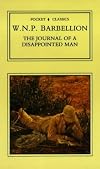
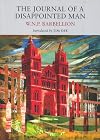
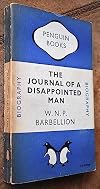
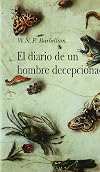
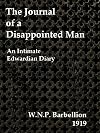
The Journal of a Disappointed Man
by W. N. P. Barbellion
On This Page
Description
This book contains Bruce Frederick Cummings' (pseudonym: W. N. P. Barbellion) 1919 work, "The Journal of a Disappointed Man". Hailed by Ronald Blythe as "among the most moving diaries ever created", it is full of astute and frank observations, interesting personal philosophy, and profound introspection. The first edition contains a preface by H. G. Wells, which caused many people think it a work of fiction; however, Well's dispelled this rumour even though the true identity of its author was show more unknown until his death. A fascinating and unique volume, "The Journal of a Disappointed Man" constitutes a must-read for all lovers of non-fiction and would make for a worthy addition to any collection. show lessTags
Recommendations
































Member Recommendations

Member Reviews
I decided to read ‘Journal of a Disappointed Man’ having come across an old Penguin copy on a market stall. (I have a very low resistance to rows of old Penguin paperbacks.) It is an extraordinary book, unlike any non-fiction I’ve read before. I was reminded a bit of Rilke’s novel [b:The Notebooks of Malte Laurids Brigge|93405|The Notebooks of Malte Laurids Brigge|Rainer Maria Rilke|https://images.gr-assets.com/books/1348925210s/93405.jpg|314321], but this has the rawness of reality. The book is a diary, kept over years by a sickly young man who wishes to become a zoologist. His endeavours are frequently frustrated and his ill-health persists, coming to a crisis at the end of 1915 when he learns that he has multiple sclerosis. show more Realising that he is dying, he chronicles his thoughts and feelings about it, with a moving vividness that never descends into glum morbidity.
Barbellion (a rather splendid pseudonym) writes alternately of his internal life and external events, although I found the former more striking. His diary isn’t simply written for his own satisfaction, but is intended for an audience. Thus he expresses a wish that someone, at some point, reads it, sympathises, and perhaps even understands. I found this especially moving, to be directly addressed in this way. I wanted to reassure Barbellion that, although I can’t imagine how terrible his suffering was, I certainly relate to his thoughts about life, death, and ambition. In particular, there is a point where he expresses frustration at not knowing ‘what I am worth’, which I’m sure many can relate to. I have had many moments of introspection when I’ve wondered what good I am and whether I have any talent for anything. This desire for success tempered with self-doubt is beautifully articulated by Barbellion.
Although I highly recommend the journal, it is painful to follow Barebellion’s deterioration. He was just thirty when he died, after a life of perpetual illness and pain. His diary really conveys what a fascinating mind was imprisoned in a terribly weak body. It would be unreadable if it was unalloyed tragedy; what makes it truly memorable is the intense joy of life that accompanies the fear of impending death. It is a beautiful book, just do not expect to be in an especially light and sociable mood after reading it. show less
Barbellion (a rather splendid pseudonym) writes alternately of his internal life and external events, although I found the former more striking. His diary isn’t simply written for his own satisfaction, but is intended for an audience. Thus he expresses a wish that someone, at some point, reads it, sympathises, and perhaps even understands. I found this especially moving, to be directly addressed in this way. I wanted to reassure Barbellion that, although I can’t imagine how terrible his suffering was, I certainly relate to his thoughts about life, death, and ambition. In particular, there is a point where he expresses frustration at not knowing ‘what I am worth’, which I’m sure many can relate to. I have had many moments of introspection when I’ve wondered what good I am and whether I have any talent for anything. This desire for success tempered with self-doubt is beautifully articulated by Barbellion.
Although I highly recommend the journal, it is painful to follow Barebellion’s deterioration. He was just thirty when he died, after a life of perpetual illness and pain. His diary really conveys what a fascinating mind was imprisoned in a terribly weak body. It would be unreadable if it was unalloyed tragedy; what makes it truly memorable is the intense joy of life that accompanies the fear of impending death. It is a beautiful book, just do not expect to be in an especially light and sociable mood after reading it. show less
Bisa dibilang sebenarnya saya gagal membaca jurnal ini karena saya mengalami kesusahan dengan gaya penulisannya, banyak deskripsi dan bahasa indah berbunga yang susah saya cerna. Apalagi banyak ilmu pengetahuan yang dijabarkan menjadikan jurnal ini mirip buku pelajaran, kosakata yang kurang, dan ditambah lagi konsentrasi yang buruk dan kemampuan mata yang sering menurun membuat saya semakin susah mengerti :D
Pemikiran seperti "ah saya juga berpendapat seperti itu" atau "ah saya juga mungkin akan melakukan itu" kadang terlintas di pikiran saya saat membacanya. Karena memiliki lebih banyak perbedaan daripada persamaan, saya akan merasa senang apabila bisa berteman dengan Mr. Barbellion.
Membaca jurnal ini mengajarkan bahwa manusia boleh show more saja merencanakan sesuatu tetapi tetap Tuhanlah yang menentukan segalanya. show less
Pemikiran seperti "ah saya juga berpendapat seperti itu" atau "ah saya juga mungkin akan melakukan itu" kadang terlintas di pikiran saya saat membacanya. Karena memiliki lebih banyak perbedaan daripada persamaan, saya akan merasa senang apabila bisa berteman dengan Mr. Barbellion.
Membaca jurnal ini mengajarkan bahwa manusia boleh show more saja merencanakan sesuatu tetapi tetap Tuhanlah yang menentukan segalanya. show less
Beslist geen vrolijk boek, hoe zou het er ook maar een kunnen zijn met zo’n titel. Maar achter deze titel verbergt zich een heel gevoelig man. Het boek beklijft van begin tot einde. Het omhelst de aftakeling van een ten dode opgeschreven multiple-sclerose patiënt en het grijpt je meteen genadeloos naar de strot. Toen het pas geschreven was vond Barbellion niet meteen een gepaste uitgever voor zijn diepste bekentenissen, maar daar kwam later verandering in.
Met Het leven van W.N.P. Barbellion, pseudoniem voor Bruce Frederick Cummings (1889-1919), was ik niet vertrouwd tot het moment dat deze titel mij opviel in de lijst van privé-domein. Verder las ik een bevlogen bespreking van het boek door een Nederlander. Doorheen de vele show more tikfouten heen wist deze recensie mij toch te intrigeren, omdat het de passie van een 'fellow traveller' deed vermoeden. Er was dus meteen een duidelijke reden om het boek aan te schaffen.
Barbellion, een zelfverklaard egotist en selfmade-man-entomoloog, worstelde reeds vanaf zijn jeugd met een uiterst fragiele gezondheid. Bovendien gaf hij in de dagdagelijkse omgang met mensen veeleer blijk van een ietwat dociel, geïntroverteerd karakter, wat evenwel zijn scherp verstand niet in de weg stond om woordvaste en treffende conclusies te trekken uit zijn eigen situatie en die van anderen. Hij durfde elk onderwerp onder ogen te zien, ontmaskerde platitudes en hield er van om met anderen in een onbevangen conversatie te treden, die hij veelal met een van Brits flegma doordrongen stem voerde. Op het einde van zijn dagboek noemt hij zichzelf een agnosticus, maar dan wel een van een bijzondere soort; vlagen van doorleefd solipsisme wisselen af met fel gesmaakte lectuur van Thomas à Kempis en Henri Bergson.
We laten Barbellion even zelf aan het woord: " Ik stel me de vraag: wat is mijn visie op de dood, het hiernamaals, God? Ik kijk in mijn geest, en kom tot de ontdekking dat een dwerg als ik er geen heeft. Wat de dood aangaat: ik beef als een rietje wanneer ik eraan denk dat hij mij wacht. Ik ben op alles voorbereid, maar ik ben agnosticus in hart en nieren; ik weet het gewoon niet. Het hebben van standpunten, geloof, overtuigingen. Dit grote brute universum verplettert me. De sterren doen me ineenkrimpen. Ik word bijna verlamd door de oneindigheid die mijn eigen kleinheid omgeeft. Het zou getuigen van zinloze arrogantie als ik een mening zou hebben over het hiernamaals. Maar ik hoop op iets vrijers na de dood, iets wat meer bevrediging schenkt, op een vrijmaking van de geest en bovenal op de vernietiging van dit nietige persoontje, deze kleine, achterbakse, vinnige fret." (pag. 307). Het is deze ontluisterende kijk op de menselijke conditie, omringd door subtiel beargumenteerde hoop, deemoed en overgave aan het lot, die mij voor deze ongelukkige man onmiddellijk wist in te nemen en die mij ervan overtuigde dat je, ondanks de vele kluisters die je kunnen ketenen, toch gepassioneerd kunt leven, hoe kort dit ook weze...God zegene en God beware U, mijnheer Cummings. show less
Met Het leven van W.N.P. Barbellion, pseudoniem voor Bruce Frederick Cummings (1889-1919), was ik niet vertrouwd tot het moment dat deze titel mij opviel in de lijst van privé-domein. Verder las ik een bevlogen bespreking van het boek door een Nederlander. Doorheen de vele show more tikfouten heen wist deze recensie mij toch te intrigeren, omdat het de passie van een 'fellow traveller' deed vermoeden. Er was dus meteen een duidelijke reden om het boek aan te schaffen.
Barbellion, een zelfverklaard egotist en selfmade-man-entomoloog, worstelde reeds vanaf zijn jeugd met een uiterst fragiele gezondheid. Bovendien gaf hij in de dagdagelijkse omgang met mensen veeleer blijk van een ietwat dociel, geïntroverteerd karakter, wat evenwel zijn scherp verstand niet in de weg stond om woordvaste en treffende conclusies te trekken uit zijn eigen situatie en die van anderen. Hij durfde elk onderwerp onder ogen te zien, ontmaskerde platitudes en hield er van om met anderen in een onbevangen conversatie te treden, die hij veelal met een van Brits flegma doordrongen stem voerde. Op het einde van zijn dagboek noemt hij zichzelf een agnosticus, maar dan wel een van een bijzondere soort; vlagen van doorleefd solipsisme wisselen af met fel gesmaakte lectuur van Thomas à Kempis en Henri Bergson.
We laten Barbellion even zelf aan het woord: " Ik stel me de vraag: wat is mijn visie op de dood, het hiernamaals, God? Ik kijk in mijn geest, en kom tot de ontdekking dat een dwerg als ik er geen heeft. Wat de dood aangaat: ik beef als een rietje wanneer ik eraan denk dat hij mij wacht. Ik ben op alles voorbereid, maar ik ben agnosticus in hart en nieren; ik weet het gewoon niet. Het hebben van standpunten, geloof, overtuigingen. Dit grote brute universum verplettert me. De sterren doen me ineenkrimpen. Ik word bijna verlamd door de oneindigheid die mijn eigen kleinheid omgeeft. Het zou getuigen van zinloze arrogantie als ik een mening zou hebben over het hiernamaals. Maar ik hoop op iets vrijers na de dood, iets wat meer bevrediging schenkt, op een vrijmaking van de geest en bovenal op de vernietiging van dit nietige persoontje, deze kleine, achterbakse, vinnige fret." (pag. 307). Het is deze ontluisterende kijk op de menselijke conditie, omringd door subtiel beargumenteerde hoop, deemoed en overgave aan het lot, die mij voor deze ongelukkige man onmiddellijk wist in te nemen en die mij ervan overtuigde dat je, ondanks de vele kluisters die je kunnen ketenen, toch gepassioneerd kunt leven, hoe kort dit ook weze...God zegene en God beware U, mijnheer Cummings. show less
Mar 4, 2008 (Edited)Dutch
1
Barbellion was een Engelse schrijver die sterk geïnteresseerd was in de natuur. In dit dagboek fragmenten die betrekking hebben op de natuur naast fragmenten over zijn schrijverschap en over zijn huwelijk. Barbellion is in Nederland vrij onbekend en daar zal ondanks de uitgave van dit dagboek wel geen verandering in komen.
Jul 30, 2013Dutch
1
Ratings
Members
- Recently Added By
Lists

LRB Vol.40 No.12
11 works; 1 member

Mustich's 1000 Books to Read Before You Die: A Life Changing List
1,001 works; 18 members
Author Information

6+ Works 412 Members
Some Editions
Awards and Honors
Series
Belongs to Publisher Series
Work Relationships
Common Knowledge
- Canonical title
- The Journal of a Disappointed Man
- Original title
- The Journal of a Disappointed Man
- Original publication date
- 1919
- Epigraph
- ‘I returned, and saw under the sun, that the
race is not to the swift, nor the battle to the
strong, neither yet bread to the wise, nor yet
riches to men of understanding, nor yet favour
to men of skill; but tim... (show all)e and chance
happeneth to them all. For man
also knoweth not his time; as the
fishes that are taken in an evil
net, and as the birds that are
caught in the snare; so are
the sons of men snared in
an evil time, when it
falleth suddenly
upon them.’ - First words
- The Journal begins when its author is a little over 13 years old.
January 3, 1903 Am writing an essay on the life-history of insects and have abandoned the idea of writing on ‘How Cats Spend their Time.’ - Quotations
- November 11, 1910. Read Geo. Gissing's novel, "Born in Exile". Godwin Peak, with his intense pride of individuality, self-torturing capacities, and sentimental languishment, reminds me of myself.
- Last words
- (Click to show. Warning: May contain spoilers.)October 21. Self-disgust.
Classifications
Statistics
- Members
- 268
- Popularity
- 120,188
- Reviews
- 4
- Rating
- (3.70)
- Languages
- 7 — Dutch, English, French, Italian, Romanian, Spanish, Swedish
- Media
- Paper, Ebook
- ISBNs
- 23
- ASINs
- 14