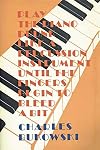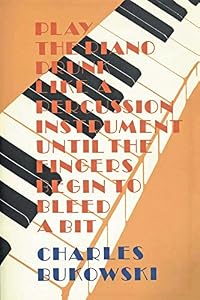
Play the Piano Drunk Like a Percussion Instrument until the Fingers Begin to Bleed a Bit
by Charles Bukowski
On This Page
Description
Play the Piano introduces Charles Bukowski's poetry from the 1970s. He leads a life full of gambling and booze but also finds love. These poems are full of lechery and romance as he struggles to mature.Tags
Recommendations









Member Reviews
There are books you admire, and then there are books that feel like they’ve been living inside your ribcage for years, just waiting for someone else to say it first. Play the Piano Drunk Like a Percussion Instrument Until the Fingers Begin to Bleed a Bit by Charles Bukowski is the latter.
This isn’t poetry dressed up for approval. It doesn’t ask for permission, doesn’t polish itself for classrooms or careful readers. It staggers in, already half-cut, already honest, already past the point of caring whether you flinch. Bukowski writes about failure, women, alcohol, work, boredom—the long slow bleed of being alive—and he does it with a kind of blunt-force clarity that feels less like reading and more like being cornered into a show more confession you didn’t know you were holding.
The language is stripped down to the bone. No excess. No decoration. Just impact. And yet, somewhere between the repetition of bad nights and worse decisions, something almost holy emerges. Not redemption—Bukowski isn’t interested in saving you—but recognition. The quiet understanding that most people are stumbling through the same dark, just with better lighting.
What makes this collection endure isn’t the mythology of Bukowski the drunk, or Bukowski the womanizer. It’s the precision beneath the chaos. He knows exactly where to land the line. Exactly when to stop. The poems feel reckless, but they’re not careless.
This book is for readers who have grown tired of curated lives and filtered emotions. It’s for anyone who has sat alone too long, who has felt the weight of routine pressing down until it almost becomes identity. If you’ve ever questioned the performance of normalcy, Bukowski hands you a cracked mirror and says, look closer.
This isn’t a comfortable read. It’s not meant to be. But if you’re willing to meet it where it lives—in the mess, in the repetition, in the unvarnished truth—it will leave a mark. Not clean. Not pretty. But real. show less
This isn’t poetry dressed up for approval. It doesn’t ask for permission, doesn’t polish itself for classrooms or careful readers. It staggers in, already half-cut, already honest, already past the point of caring whether you flinch. Bukowski writes about failure, women, alcohol, work, boredom—the long slow bleed of being alive—and he does it with a kind of blunt-force clarity that feels less like reading and more like being cornered into a show more confession you didn’t know you were holding.
The language is stripped down to the bone. No excess. No decoration. Just impact. And yet, somewhere between the repetition of bad nights and worse decisions, something almost holy emerges. Not redemption—Bukowski isn’t interested in saving you—but recognition. The quiet understanding that most people are stumbling through the same dark, just with better lighting.
What makes this collection endure isn’t the mythology of Bukowski the drunk, or Bukowski the womanizer. It’s the precision beneath the chaos. He knows exactly where to land the line. Exactly when to stop. The poems feel reckless, but they’re not careless.
This book is for readers who have grown tired of curated lives and filtered emotions. It’s for anyone who has sat alone too long, who has felt the weight of routine pressing down until it almost becomes identity. If you’ve ever questioned the performance of normalcy, Bukowski hands you a cracked mirror and says, look closer.
This isn’t a comfortable read. It’s not meant to be. But if you’re willing to meet it where it lives—in the mess, in the repetition, in the unvarnished truth—it will leave a mark. Not clean. Not pretty. But real. show less
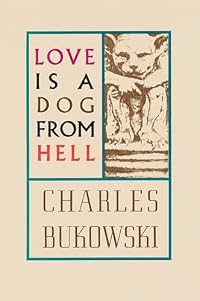
The best poems in this collection reverberate with the atmosphere of a blue collar Zen Koan written waist deep into a case of beer, but even the best here on not on par with the best poems in other Bukowski collections. There are quite a few poems that fall flat. When considering Bukowski's output in the seventies, Love is a Dog from Hell is the better collection by a considerable amount, if you have to choose.
I'm just phoning it in at this point as far as the Buk goes. Writing reviews for all the books I've read is turning out to be a little tough. This book is pretty short as far as his collections of poetry go and there are perhaps overall less zingers than his last reviewed book on here even if the quality is still very high, but a huge mention has to go out there to "Fire Station" which is most likely Bukowski's single most transcendent moment in poetry. It's a highlight by a man who has had a great number of poems read by yours truly.
Not my favorite Bukowski collection. More horseracing would have helped. While he does have a few pretty good lines I don't think any of his best poems are here.
not a grea poet, but an ok way to pass the time.
vi borde bygga samman en stor brasa
vi borde gratulera varandra och oss själva
till vår tåliga förmåga
att härda ut
En utsträckt hand från en gammal snuskgubbe når sent omsider Sverige. Det är Charles Bukowski (1920-1994) som gratulerar oss alla i boken ”Dikter för döende vilsna och döende veka stolta och sköna” från 1979, som nu ges ut av det nystartade förlaget Härnqvists.
Det är en stor händelse i ett land som envisats med att betrakta Bukowski som prosaist. Medan många av hans kultförklarade prosaböcker på temat sex och sprit översatts har poesin hittills fått nöja sig med en ynka samlingsvolym, ”214 dikter” från 1995. Märkligt med tanke på att det var som poet Bukowski slog igenom en gång på show more 60-talet. Av hans 40-talet böcker är merparten diktsamlingar.
Nu skiljer sig inte poesin särskilt mycket från prosan. Även här gör sig Bukowski till en försångare för de misslyckade och utslagna: alkisarna, hororna, de svältfödda pensionärerna och spelmissbrukarna på galoppbanan. Det är en whitmansk poesi indränkt i en rejäl omgång billig sprit.
Jag sitter i sällskap med tre tjejer
som är torsk på heroin
klockan halv två på eftermiddagen.
röken pissar sig upp mot taket.
jag väntar.
döden är en nolla till klumpeduns.
en av tjejerna säger att hon gillar
min gula skjorta.
jag tror på ett enkelt våld.
detta är
lite grann av den sorten.
Så kan det låta. Hårdkokt och vemodigt i ett. Och med en finurlig känsla för detaljen, här den gula skjortan. Kan livet bli djävligare?
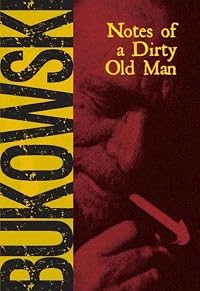
Bukowski har ibland anklagats för en tillkämpad och programmatisk vulgaritet. Visst ligger det någonting i det. Han odlade medvetet myten om sig själv: ”En snuskgubbes anteckningar” (Notes of a dirty old man), titeln på en av hans många prosaböcker säger allt.
Och visst är det en machopoesi han skriver. En kvinna med stil består uteslutande av ”kurage och brasa”, en rejäl karl föredrar den förstående flaskan framför alla otrogna sköten. Men Bukowski hanterar den rollen med en förlösande humor:
[…] när jag kom hem till den andra
var hon
osammanhängande
åsidosatt
på örat och
jävligt okonventionellt topp tunnor
rasande.
För en man som gjort sluskigheten och slarvigheten till sin pose framstår Bukowskis diktning faktiskt som förbluffande avmätt och elegant. De bästa dikterna är rena kortnoveller, skimrande utsnitt av ett myllrande storstadsliv. Men lika ofta händer det ingenting alls.
jag fick igång kärran efter trekvart
jag postade fyra brev
köpte någonting svalt
kom tillbaka hem
klev in i lägenheten
och lyssnade på Ives
drömde om oinskränkt makt
med min stora vita mage vänd mot
fläkten.
Dikttiteln? ”Framgång”! Det är skönt att läsa Bukowski som en motvikt till dagens prestationsinriktade kravmaskineri. Här värnas de missanpassade i ett samhälle som uteslutande kräver konformitet.
Men Bukowski är aldrig sentimental, vilket den svenska titeln, ”Dikter för döende vilsna och döende veka stolta och sköna”, kan förleda en att tro. Tvärtom handlar hans diktning om att överleva livet så länge det går, att uthärda med glädje. Det framgår bättre av originalets titel: ”Play the Piano Drunk Like a Percussion Instrument Until the Fingers Begin to Bleed a Bit”.
Envetet hamrade Bukowski fram sina återkommande teman, flaskan och flickan, flickan och flaskan. Tio år efter mannens död spelar det gamla pianot än. show less
vi borde gratulera varandra och oss själva
till vår tåliga förmåga
att härda ut
En utsträckt hand från en gammal snuskgubbe når sent omsider Sverige. Det är Charles Bukowski (1920-1994) som gratulerar oss alla i boken ”Dikter för döende vilsna och döende veka stolta och sköna” från 1979, som nu ges ut av det nystartade förlaget Härnqvists.
Det är en stor händelse i ett land som envisats med att betrakta Bukowski som prosaist. Medan många av hans kultförklarade prosaböcker på temat sex och sprit översatts har poesin hittills fått nöja sig med en ynka samlingsvolym, ”214 dikter” från 1995. Märkligt med tanke på att det var som poet Bukowski slog igenom en gång på show more 60-talet. Av hans 40-talet böcker är merparten diktsamlingar.
Nu skiljer sig inte poesin särskilt mycket från prosan. Även här gör sig Bukowski till en försångare för de misslyckade och utslagna: alkisarna, hororna, de svältfödda pensionärerna och spelmissbrukarna på galoppbanan. Det är en whitmansk poesi indränkt i en rejäl omgång billig sprit.
Jag sitter i sällskap med tre tjejer
som är torsk på heroin
klockan halv två på eftermiddagen.
röken pissar sig upp mot taket.
jag väntar.
döden är en nolla till klumpeduns.
en av tjejerna säger att hon gillar
min gula skjorta.
jag tror på ett enkelt våld.
detta är
lite grann av den sorten.
Så kan det låta. Hårdkokt och vemodigt i ett. Och med en finurlig känsla för detaljen, här den gula skjortan. Kan livet bli djävligare?
Bukowski har ibland anklagats för en tillkämpad och programmatisk vulgaritet. Visst ligger det någonting i det. Han odlade medvetet myten om sig själv: ”En snuskgubbes anteckningar” (Notes of a dirty old man), titeln på en av hans många prosaböcker säger allt.
Och visst är det en machopoesi han skriver. En kvinna med stil består uteslutande av ”kurage och brasa”, en rejäl karl föredrar den förstående flaskan framför alla otrogna sköten. Men Bukowski hanterar den rollen med en förlösande humor:
[…] när jag kom hem till den andra
var hon
osammanhängande
åsidosatt
på örat och
jävligt okonventionellt topp tunnor
rasande.
För en man som gjort sluskigheten och slarvigheten till sin pose framstår Bukowskis diktning faktiskt som förbluffande avmätt och elegant. De bästa dikterna är rena kortnoveller, skimrande utsnitt av ett myllrande storstadsliv. Men lika ofta händer det ingenting alls.
jag fick igång kärran efter trekvart
jag postade fyra brev
köpte någonting svalt
kom tillbaka hem
klev in i lägenheten
och lyssnade på Ives
drömde om oinskränkt makt
med min stora vita mage vänd mot
fläkten.
Dikttiteln? ”Framgång”! Det är skönt att läsa Bukowski som en motvikt till dagens prestationsinriktade kravmaskineri. Här värnas de missanpassade i ett samhälle som uteslutande kräver konformitet.
Men Bukowski är aldrig sentimental, vilket den svenska titeln, ”Dikter för döende vilsna och döende veka stolta och sköna”, kan förleda en att tro. Tvärtom handlar hans diktning om att överleva livet så länge det går, att uthärda med glädje. Det framgår bättre av originalets titel: ”Play the Piano Drunk Like a Percussion Instrument Until the Fingers Begin to Bleed a Bit”.
Envetet hamrade Bukowski fram sina återkommande teman, flaskan och flickan, flickan och flaskan. Tio år efter mannens död spelar det gamla pianot än. show less
Jan 17, 2025Swedish
בוקובסקי מחוספס, לעיתים גס, אבל תמיד מרגיש שהוא מציע אלטרנטיבה קשה ואמיתית ל"נורמלי". וואו
Jun 17, 2026English (UK)
Members
- Recently Added By
Lists

A wishlist of books I will read in 2026
51 works; 1 member

Keeping track of the books I read in 2026
22 works; 1 member
Author Information

544+ Works 52,755 Members
Charles Bukowski was born in Andernach, Germany, on August 16, 1920. He came to the United States with his parents when he was three years old and spent his early years in poverty. As a young man he was a transient, doing odd jobs. He lived most of his live in boarding houses in the Los Angeles area. He attended Los Angeles City College briefly. show more He worked for the United States Postal Service for about ten years. Bukowski was at home with street people and his work contains a brutal realism and graphic imagery. He began publishing short stories in the mid-1940s. Starting with Flower, Fist and Bestial Wail in 1959, he produced poetry collections almost once a year. His following had grown by the time his collection of poetry about down-and-outers titled It Catches My Heart in Its Hands appeared in 1963. His short story collections include Dirty Old Man and Ejaculations, Exhibitions and General Tales of Ordinary Madness. His novels, with an autobiographical character called Henry Chinaski, include Post Office and Factotum. Bukowski wrote the screenplay for the 1987 motion picture Barfly. He later wrote about the filming of Barfly in his novel, Hollywood. Bukowski died in San Pedro, California, on March 9, 1994. (Bowker Author Biography) show less
Common Knowledge
- Original publication date
- 1979
- Epigraph
- waiting
in a life full of little stories
for a death to come - Dedication
- for Linda Lee Beighle,
the best - First words
- poems like gunslingers
sit around and
shoot holes in my windows
chew toilet paper
read the race results
take the phone off the
hook. - Disambiguation notice
- One Sheet Broadside... NOT THE BOOK.
Classifications
Statistics
- Members
- 681
- Popularity
- 41,931
- Reviews
- 7
- Rating
- (4.10)
- Languages
- 7 — Catalan, English, French, Hebrew, Japanese, Spanish, Swedish
- Media
- Paper, Ebook
- ISBNs
- 13
- ASINs
- 8