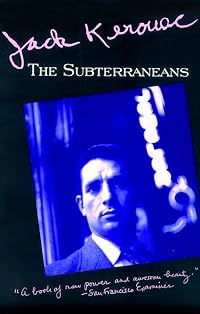
The Subterraneans
by Jack Kerouac 
On This Page
Description
Written over the course of three days and three nights, The Subterraneans was generated out of the same kind of ecstatic flash of inspiration that produced another one of Kerouac's early classics, On The Road. Centering around the tempestuous breakup of Leo Percepied and Mardou Fox-two denizens of the 1950s San Francisco underground-The Subterraneans is a tale of dark alleys and smoky rooms, of artists, visionaries, and adventurers existing outside mainstream America's field of vision.Tags
Recommendations













Member Reviews
The only other Kerouac I've read is On the Road, which I liked a lot. This one is a quick sketch of Kerouac's crowd of cool kids in San Francisco, and a love affair gone bad due to the narrator being kind of an asshole (as are most of the cool kids). But at least he's an asshole with some insight about himself and others, and a good eye and ear, so there's a lot of dense, vivid description of places and people. There's not a whole lot else: in between boy-meets-girl and boy-chases-girl-away they mostly hang out with the gang in various places, and some aimless unruliness happens; you could put those scenes in any order. On the Road has a very loose shape but it is a shape - the places he goes are distinct, and we see Moriarty go through show more different stages of distress - whereas this book, despite the charged-up free-associating prose, is pretty static. Whenever it gets back to Mardou (the girlfriend) and the narrator's belated attempts to imagine what's going on in her mind, it comes to life and makes you love them both, sad and frustrating as that is. show less
As I've said in the past, I think there's an ideal time period in which people should read Kerouac to best appreciate him. When you're young and have little to no responsibilities, the author's beautiful words and carefree life are much more appealing. When you are grown up and have a mortgage, etc. it's harder to embrace his drunken nights, callous treatment of women, and complete disregard of responsibility.
At the same time, even when I'm frustrated by what Kerouac is saying I still admire the way he says it. His writing is like jazz. There's often no discernible pattern and I'm never sure what will happen next, but it's beautiful. He can always see the poetry in the world around him, but he also seemed incapable of overcoming his show more own failings.
"Just to start at he beginning and let the truth seep out, that's what I'll do." show less
At the same time, even when I'm frustrated by what Kerouac is saying I still admire the way he says it. His writing is like jazz. There's often no discernible pattern and I'm never sure what will happen next, but it's beautiful. He can always see the poetry in the world around him, but he also seemed incapable of overcoming his show more own failings.
"Just to start at he beginning and let the truth seep out, that's what I'll do." show less
While On the Road’s Sal Paradise bombs back and forth from coast to coast compelled largely by the infectious, manic restlessness of Dan Moriarty; The Subterraneans focuses more keenly on the “San Francisco Scene,” and the paradise Leo Percepied finds on Heavenly Lane, a paradise soon lost. The jazz prose Kerouac pioneered; a stream-of-consciousness prose with the lyricism, consonance and super-concentrated imagery and literary references usually reserved for poetry; shares center stage with the subterraneans themselves and the jazz prophets to whom they throng in smoky, stoned, drunken pilgrimages. The subterraneans are “urban Thoreaus” and Frisco is their Walden Woods. If Sal Paradise seemed a saint to Dan Moriarty’s show more fallen angel, Leo Percepied is a deeply flawed, juvenile, narcissistic, alcoholic writer unable to successfully process the small success he’s experienced. The novel is an uncompromising, painfully critical first-person indictment that forces readers looking for a hero to look elsewhere. show less
Valamikor a múlt század második felében a Múzsának bohókás ötlete támadt. Odahajolt pár fiatal, drogprevenciós célokra aligha alkalmazható írópalánta füléhez, és azt súgta: "Jack, az irodalom annyi, hogy leírod, ami az eszedbe jut. Csak leülsz, és leírod. Jó lesz, meglátod." És lőn, megszületett a spontán írás. (Érdekes belegondolni, mi lett volna, ha ez a Múzsa mondjuk a bútorasztalosságra akarta volna inspirálni hőseinket. Nyilván most Amerika tele lenne diszfunkcionális hintaszékekkel és éjjeliszekrényekkel.) No most nekem a spontán írásról nincs nagy véleményem, vallom, hogy amennyiben a lendületből papírra vetett szövegeket figyelmesen átolvassuk és kijavítjuk, húzunk show more belőlük és (ritkábban) írunk hozzájuk, attól többnyire jobbak lesznek. (És ebben bizonyosan egyetért velem a kiadói lektorok klánja*.) Meggyőződésem, hogy ha akad is húszból egy ember, aki képes a legjobbat kihozni a módszerből, a többiek között felülreprezentáltak lesznek a kutyaütők, akik annyira el vannak ájulva saját írói késztetésüktől (nem képességeiktől, csupán a puszta késztetéstől!), hogy attól máris Irodalom Istenanya felkent grállovagjainak tekintik magukat, és a világ a hülye, ha ennek az ellenkezőjét érzékeli**.
(Beszóltál a könyvemre, kishurka? - érdeklődik Kerouac kedvesen.)
No most mindennek fényében az a fura, hogy ez a spontán írás dolog esetenként mégis működik. Kerouac-ék egyik orbitális szerencséje az volt, hogy ez a gondolat akkor eredetinek hatott, ráadásul képes volt olyan friss erővel megragadni az átélt élmények nyers valóságát, ami valóban új színt vitt az irodalomba. Új életformát illusztráltak ezek a srácok, újszerű nyelvvel kísérleteztek, és ez minimum érdekes eredményeket szült - ha pedig a módszer művelője mintegy mellesleg még jó író is volt (mert a nemszeretem módszerek művelői is lehetnek jó írók), akkor a költői erő vagy a humor akár el is vihette a hátán az egész szövegkását.
No most ifjúkori emlékeim szerint ez időnként Kerouacnak is sikerült. De nem ebben a kötetben. Vannak persze felvillanások, lenyűgöző szóképek, az őszinteség bizsergető bugyborékolásai. De egyik sem képes sokáig feledtetni, hogy valójában ez egy zűrös pacák által összedobott katyvasz, aminek születését semmi más nem indokolta, mint hogy elhagyta őt a nője, és ezt ki kellett írnia magából. Elismerem persze, hogy bizonyos korlátok közt szerethető katyvasz ez, de azért csak katyvasz. Fárasztott.
* És - akármennyire is fájna neki bevallani - titkon egyetértene velem Kerouac is, aki a rendelkezésre álló bizonyítékok alapján maga is rendszeresen átírta szövegeit. Szóval szép dolog a buddhista légzéstechnikára támaszkodó improvizáció, de az elemző újraolvasás ebben az esetben is elkerülhetetlen.
** Kerouac írói hitvallásának párlata A modern próza eszméje és módszere című lista. Ebben olyan (amúgy izgalmas) javaslatok vannak, mint hogy "Légy szerelmes a saját életedbe" (4. pont), vagy "Amit érzel, megtalálja önmaga formáját" (5. pont). Ugyanakkor ott van az is, ami nézetem szerint írók százainak vágta gajra az önelemző készségét, az a fránya 29. pont: "Minden körülmények között zseni vagy". Pedig hát nem. show less
(Beszóltál a könyvemre, kishurka? - érdeklődik Kerouac kedvesen.)
No most mindennek fényében az a fura, hogy ez a spontán írás dolog esetenként mégis működik. Kerouac-ék egyik orbitális szerencséje az volt, hogy ez a gondolat akkor eredetinek hatott, ráadásul képes volt olyan friss erővel megragadni az átélt élmények nyers valóságát, ami valóban új színt vitt az irodalomba. Új életformát illusztráltak ezek a srácok, újszerű nyelvvel kísérleteztek, és ez minimum érdekes eredményeket szült - ha pedig a módszer művelője mintegy mellesleg még jó író is volt (mert a nemszeretem módszerek művelői is lehetnek jó írók), akkor a költői erő vagy a humor akár el is vihette a hátán az egész szövegkását.
No most ifjúkori emlékeim szerint ez időnként Kerouacnak is sikerült. De nem ebben a kötetben. Vannak persze felvillanások, lenyűgöző szóképek, az őszinteség bizsergető bugyborékolásai. De egyik sem képes sokáig feledtetni, hogy valójában ez egy zűrös pacák által összedobott katyvasz, aminek születését semmi más nem indokolta, mint hogy elhagyta őt a nője, és ezt ki kellett írnia magából. Elismerem persze, hogy bizonyos korlátok közt szerethető katyvasz ez, de azért csak katyvasz. Fárasztott.
* És - akármennyire is fájna neki bevallani - titkon egyetértene velem Kerouac is, aki a rendelkezésre álló bizonyítékok alapján maga is rendszeresen átírta szövegeit. Szóval szép dolog a buddhista légzéstechnikára támaszkodó improvizáció, de az elemző újraolvasás ebben az esetben is elkerülhetetlen.
** Kerouac írói hitvallásának párlata A modern próza eszméje és módszere című lista. Ebben olyan (amúgy izgalmas) javaslatok vannak, mint hogy "Légy szerelmes a saját életedbe" (4. pont), vagy "Amit érzel, megtalálja önmaga formáját" (5. pont). Ugyanakkor ott van az is, ami nézetem szerint írók százainak vágta gajra az önelemző készségét, az a fránya 29. pont: "Minden körülmények között zseni vagy". Pedig hát nem. show less
One of my favorite books of all time. I read as a youth many times and love the love-fevered frenzy Kerouac 's Leo has for the lovely Mardou Fox. If ever a characters name completely fit their essence, it would be Mardo Fox. It's a short book, and at the end I cry. I always cry. There's a part about the light, and the window.
"There was no light in her window, just as I knew it would happen someday."'
Those who read it understand the simple illustration that means so much by the end. It's not hard to believe that Kerouac sat down and wrote this novel in one sitting-- that took 3 days. We've all had a lost love, and that's what makes this book more enjoyable than On the Road, for me. It could be perhaps his best work. He's so open and show more honest. It's like reading his diary. Many things in the book are like secrets between a man and his soul. To write and share it with the word is a courageous thing. If you like beat lit, read this. If you like reading about a man and woman--simple, timeless love-- read it! Men can relate-- doing something foolish and losing the girl you love. Women can relate too, on that same premise or being on the receiving end. show less
"There was no light in her window, just as I knew it would happen someday."'
Those who read it understand the simple illustration that means so much by the end. It's not hard to believe that Kerouac sat down and wrote this novel in one sitting-- that took 3 days. We've all had a lost love, and that's what makes this book more enjoyable than On the Road, for me. It could be perhaps his best work. He's so open and show more honest. It's like reading his diary. Many things in the book are like secrets between a man and his soul. To write and share it with the word is a courageous thing. If you like beat lit, read this. If you like reading about a man and woman--simple, timeless love-- read it! Men can relate-- doing something foolish and losing the girl you love. Women can relate too, on that same premise or being on the receiving end. show less
This short novel is about the fling Kerouac had with Alene Lee (Mardou Fox in the novel), an African-American woman who had been hanging out with the intellectuals who were part of the Beat movement in San Francisco; Allen Ginsberg (Adam Moorad), William S. Burroughs (Frank Carmody), Gregory Corso (Yuri Gligoric), John Clellon Holmes (Balliol MacJones), and others are all present. It takes you into bars and jazz clubs, listening to Charlie ‘Bird’ Parker, onto the forlorn streets of San Francisco in the morning after riotous nights, and into discussions which fuse Whitman and Thoreau and Dostoevsky in search of a different truth. However, it’s hardly idealistic. Kerouac is honest, if nothing else. He does not sugarcoat his own show more shortcomings, and it’s clear that his relationship with Lee is doomed from the start because of them. As always, he lets it rip, alcohol-fueled and grammar be damned, putting down prose that often reads like poetry, but with occasional nuggets of pure gold.
Quotes:
On jealousy; this after being told by Mardou she slept with Yuri:
“’Well baby we made it together,’ – that hip word – at the sound of which even as I walked and my legs propelled under me and my feet felt firm, the lower part of my stomach sagged into my pants or loins and the body experienced a sensation of deep melting downgoing into some soft somewhere, nowhere – suddenly the streets were so bleak, the people passing so beastly, the lights so unnecessary just to illumine this … this cutting world – it was going across the cobbles when she said it, ‘made it together,’ I had (locomotive wise) to concentrate on getting up on the curb again and I didn’t look at her – I looked down Columbus and thought of walking away…”
On regret:
“I come out to tell Mardou we have decided to take later train in order to go back to house to pick up forgotten package which is just another ringaroundtherosy of futility for her, she receives this news with solemn lips – ah my love and lost darling (out of date word) – if then I’d known what I know now, instead of returning to bar, for further talks, and looking at her with hurt eyes, etc. and let her lay there in the bleak sea of time untended and unsolaced and unforgiven for the sin of the sea of time I’d have gone in and sat down with her, taken her hand, promised her my life and protection – ‘Because I love you and there’s no reason’ – but then far from having completely successfully realized this love, I was still in the act of thinking I was climbing out of my doubt about her…” show less
Quotes:
On jealousy; this after being told by Mardou she slept with Yuri:
“’Well baby we made it together,’ – that hip word – at the sound of which even as I walked and my legs propelled under me and my feet felt firm, the lower part of my stomach sagged into my pants or loins and the body experienced a sensation of deep melting downgoing into some soft somewhere, nowhere – suddenly the streets were so bleak, the people passing so beastly, the lights so unnecessary just to illumine this … this cutting world – it was going across the cobbles when she said it, ‘made it together,’ I had (locomotive wise) to concentrate on getting up on the curb again and I didn’t look at her – I looked down Columbus and thought of walking away…”
On regret:
“I come out to tell Mardou we have decided to take later train in order to go back to house to pick up forgotten package which is just another ringaroundtherosy of futility for her, she receives this news with solemn lips – ah my love and lost darling (out of date word) – if then I’d known what I know now, instead of returning to bar, for further talks, and looking at her with hurt eyes, etc. and let her lay there in the bleak sea of time untended and unsolaced and unforgiven for the sin of the sea of time I’d have gone in and sat down with her, taken her hand, promised her my life and protection – ‘Because I love you and there’s no reason’ – but then far from having completely successfully realized this love, I was still in the act of thinking I was climbing out of my doubt about her…” show less
This was another great book by Kerouac. The language is so infused with power, poetry, and rhythmic structure that it is immense in its undertaking and what it sets out to do. The story itself is simple, but this is one of the cases where the way it is told truly denotes the whole and tells what the tale is all about. A short novel by Kerouac, but definitely a worthwhile one. It also gives insight to Kerouac's San Fransisco experiences and I'm certain that there are many self-autobiographical, insightful details plugged into it.
4 stars- well worth the read!
4 stars- well worth the read!
Members
- Recently Added By
Lists

20th Century Literature
1,161 works; 54 members

Beat
64 works; 1 member

My Favourite Books
86 works; 5 members

Read with a Friend
17 works; 1 member

Reading LIst
648 works; 1 member
Author Information

214+ Works 68,590 Members
Jack Kerouac was born in Lowell, Massachusetts, in 1922. His first novel, The Town and the City, was published in 1950. He considered all of his "true story novels," including On the Road, to be chapters of "one vast book," his autobiographical Legend of Duluoz. He died in St. Petersburg, Florida, in 1969 at the age of forty-seven. (Publisher show more Provided) show less
Jack Kerouac has a Legacy Library. Legacy libraries are the personal libraries of famous readers, entered by LibraryThing members from the Legacy Libraries group.
Some Editions
Series
Belongs to Publisher Series
Zebra Books (Z-1006S K)
Work Relationships
Is contained in
Has as a commentary on the text
Common Knowledge
- Canonical title*
- De onderaardsen
- Original title
- The Subterraneans
- Original publication date
- 1958
- People/Characters
- Mardou Fox; Leo Percepied
- Important places
- San Francisco, California, USA; California, USA; Big Sur, California, USA
- Related movies
- The Subterraneans (1960 | IMDb)
- First words
- Once I was young and had so much more orientation and could talk with nervous intelligence about everything and with clarity and without ass much literary preambling as this; in other words this is the story of an unself-conf... (show all)idant man, at the same time of an egomaniac, naturally, facetious won't do--just to start at the beginning and let the truth seep out, that's what I'll do--.
- Last words
- (Click to show. Warning: May contain spoilers.)And write this book.
- Blurbers
- Rexroth, Kenneth
- Original language*
- Engels
*Some information comes from Common Knowledge in other languages. Click "Edit" for more information.
Classifications
Statistics
- Members
- 2,238
- Popularity
- 8,978
- Reviews
- 24
- Rating
- (3.53)
- Languages
- 17 — Czech, Danish, Dutch, English, Estonian, Finnish, French, German, Greek, Hungarian, Italian, Polish, Portuguese, Croatian, Spanish, Swedish, Turkish
- Media
- Paper, Audiobook, Ebook
- ISBNs
- 47
- ASINs
- 39