
Neal Cassady (1926–1968)
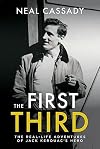
Author of The First Third
About the Author
Neal Cassady was born in Salt Lake City, Utah on February 8, 1926. He was raised by an alcoholic father in skid row hotels and spent time in reform schools and juvenile prisons. While visiting a friend in New York in December 1946, he met Jack Kerouac and Allen S. Ginsberg. Together they would show more become part of the Beat movement. Cassady appeared as a main character in several books including Go by John Clellon Holmes, On the Road by Kerouac, and The Electric Kool-Aid Acid Test by Tom Wolfe. After a night of hard partying in Mexico, Cassady wandered onto a deserted railroad, intending to walk fifteen miles to the next town. It was a cold rainy night and he fell asleep on the way wearing only a t-shirt and jeans. He was found beside the tracks the next morning in a coma and died on February 4, 1968. He never published a book during his life, but his unfinished autobiography was published as The First Third and Other Writings after his death. (Bowker Author Biography) show less
Series
Works by Neal Cassady
Drive Five 1 copy
"The Cassady issue" 1 copy
Associated Works
Tagged
Common Knowledge
- Birthdate
- 1926-02-08
- Date of death
- 1968-02-04
- Gender
- male
- Occupations
- poet
- Relationships
- Cassady, Carolyn (wife)
- Nationality
- USA
- Birthplace
- Salt Lake City, Utah, USA
- Place of death
- San Miguel de Allende, Mexico
- Associated Place (for map)
- USA
Members
Reviews

As previous reviews have duly noted this book is somewhat difficult to get through. As the title (byline?) states, this is a collection of the letters that Neal (Kerouac's Dean Moriarty) composed (primarily) to his wife during his time in prison. I feel the need to warn as others have -- this is NOT for the big ole Dean Moriarty fans as the person portrayed here is an older Neal who seems almost embarassed by the picture of him that Kerouac's made famous. This is a book that is more for the show more discerning reader, or more for the completist, almost, of Cassady's life. This is not to say the book is uninteresting.
Grace Beats Karma is a fascinating look into what becomes of a self-loathing degenerate. It paints a picture of Neal in his most vulnerable times, insecure and embarrassed, almost wanton in his need for attention and awash in the deepest of guilt. He's a man who is painfully aware of his shortcomings and fast realizing there is no getting away from them. It is interesting to see the change in him, and sad to read these knowing what comes of him in the end. show less
Grace Beats Karma is a fascinating look into what becomes of a self-loathing degenerate. It paints a picture of Neal in his most vulnerable times, insecure and embarrassed, almost wanton in his need for attention and awash in the deepest of guilt. He's a man who is painfully aware of his shortcomings and fast realizing there is no getting away from them. It is interesting to see the change in him, and sad to read these knowing what comes of him in the end. show less
This book is mildly ridiculous by any standard. [a: Neal Cassady|79334|Neal Cassady|https://d.gr-assets.com/authors/1267720258p2/79334.jpg] is something of an unsung legend nowadays. The inspiration for [a: Jack Kerouac|1742|Jack Kerouac|https://d.gr-assets.com/authors/1430512644p2/1742.jpg]'s well-remembered Dean Moriarty, Cassady was the fuel that ignited the fire of the Beat movement. He was admired for his rapid-fire style, his mad adventures, and his boundless enthusiasm. Which is show more ridiculous, as I said before, as the first half of this book plods horribly.
That isn't to say this isn't interesting.
Cassady paints a vibrant picture of the time in which he lived. His concerns are, likewise, the concerns of any poor boy growing up in the 20s and 30s. The book really shines once the story truly gets going, which sadly is where it then stops. Thankfully, the letters and excerpts that pepper the back-end of the book are a welcome change from his restricted narrative style.
A must read for any fans of the Beats, if they'd care to get an idea for just how the movement itself came into being. show less
That isn't to say this isn't interesting.
Cassady paints a vibrant picture of the time in which he lived. His concerns are, likewise, the concerns of any poor boy growing up in the 20s and 30s. The book really shines once the story truly gets going, which sadly is where it then stops. Thankfully, the letters and excerpts that pepper the back-end of the book are a welcome change from his restricted narrative style.
A must read for any fans of the Beats, if they'd care to get an idea for just how the movement itself came into being. show less

Limped into the end on this one. He was a much more romantic figure til I read him in his own words. Exuberant, sure. But honestly, everything post-pubescent in this book is totally obsessed with his own dick. Please.

Real shame Cassady wasn't able to finish this - all the same, the book is well worth reading as it genuinly conveys a real impression of the man behind the 'Dean Moriarty' myth.
You May Also Like


Associated Authors
Statistics
- Works
- 13
- Also by
- 5
- Members
- 771
- Popularity
- #33,005
- Rating
- 3.9
- Reviews
- 7
- ISBNs
- 30
- Languages
- 7
- Favorited
- 2
