The Innocent Anthropologist
by Nigel Barley
On This Page
Description
Nigel Barley was a ?new anthropologistOCO, one of the younger generation of academics whose learning and research had been acquired in institutes, research departments, from academic journals and university libraries. But after suffering years of gentle put-downs from leathery old field-workers, their ?teeth permanently gritted from years of dealing with nativesOCO, he was determined to gain his own experience. The two years he spent among the Dowayo people in the Cameroons (1978-80) show more produced a comic masterpiece of travel writing, The Innocent Anthropologist, which remains as honest, as funny and as compelling a read as when it was first penned ? and a devastating critique of academics attempting to impose their rules and their order on West African life." show lessTags
Recommendations



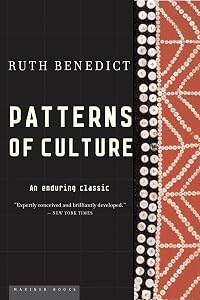

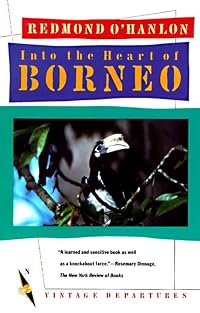
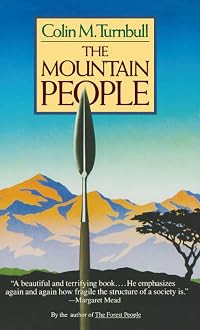
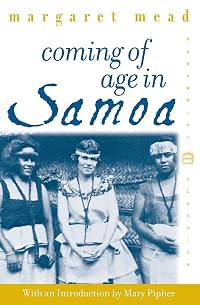












Member Recommendations

Member Reviews
There comes a point in every anthropologist’s career when they have to stop looking at the academic papers or staring out the window and actually head out into the wide world. For Nigel Barley, a colleague posed the question, Why not go on fieldwork? He wasn’t sure if it was one of the perks of the job or a necessary evil like national service. Speaking to others in the department he would hear tales filtered through rose-tinted spectacles where the full horror of events in the field are tempered by time and probably alcohol…
But where to go? Africa was mentioned, and the island of Fernando Po seemed appealing, but the political situation there was deteriorating to say the least and getting shot at wasn’t on his list of things to show more do, so someone else suggested North Cameroon. A tribe there called the Dowayo, ticked lots of the boxes, strange coming of age rituals, pagan rituals, skull festivals and mummies. He began the task of doing more research and securing research funding. Barley needed to be stabbed by various medical professionals and two years after he started, he was on a plane to Africa.
On arrival in Cameroon, he had underestimated just how difficult it would be to get from the airport to the village. Forms were needed, lots of forms as well as being ‘aided’ by the officials who were more interested in reading the paper while the recent arrival slowly lost a large proportion of his wallet. Finally allowed entry to the country, he set about getting the provisions, an assistant and other items that he needed and headed off to the village. What he hoped would be a subtle entrance though, wasn’t when the whole village turned out to greet him.
There were lots of things that struck him immediately. Having been used to a more leisurely time of starting work in the UK, finding that the village was up and moving around 5.30 in the morning was a bit of a shock. And there was the language; he could not speak a word to begin with and as it was a tonal language he was going to struggle to do so too. But every so slowly he manages to master some of the words and amazed them by writing them down. The village slowly accepted him, almost to the point where he became an honorary resident. He started to understand more about the people and their way of doing things. Their rituals were quite unusual and one particular ceremony that made me wince quite a lot just reading it.
It is a really enjoyable book about a people that took Barley to heart as much as he did with them. He writes with a sharp wit and genuine warmth. One of the things that he speculates about is how the very act of observing the people you are there to study have an impact on the way they behave and hoehowe anthropologist can never be a passive observer. There are funny moments throughout the book, in particular, the accounts with the officials that he is dealing with and the exasperation at the speed of events in the constant battles against bureaucracy. Can highly recommend this. show less
But where to go? Africa was mentioned, and the island of Fernando Po seemed appealing, but the political situation there was deteriorating to say the least and getting shot at wasn’t on his list of things to show more do, so someone else suggested North Cameroon. A tribe there called the Dowayo, ticked lots of the boxes, strange coming of age rituals, pagan rituals, skull festivals and mummies. He began the task of doing more research and securing research funding. Barley needed to be stabbed by various medical professionals and two years after he started, he was on a plane to Africa.
On arrival in Cameroon, he had underestimated just how difficult it would be to get from the airport to the village. Forms were needed, lots of forms as well as being ‘aided’ by the officials who were more interested in reading the paper while the recent arrival slowly lost a large proportion of his wallet. Finally allowed entry to the country, he set about getting the provisions, an assistant and other items that he needed and headed off to the village. What he hoped would be a subtle entrance though, wasn’t when the whole village turned out to greet him.
There were lots of things that struck him immediately. Having been used to a more leisurely time of starting work in the UK, finding that the village was up and moving around 5.30 in the morning was a bit of a shock. And there was the language; he could not speak a word to begin with and as it was a tonal language he was going to struggle to do so too. But every so slowly he manages to master some of the words and amazed them by writing them down. The village slowly accepted him, almost to the point where he became an honorary resident. He started to understand more about the people and their way of doing things. Their rituals were quite unusual and one particular ceremony that made me wince quite a lot just reading it.
It is a really enjoyable book about a people that took Barley to heart as much as he did with them. He writes with a sharp wit and genuine warmth. One of the things that he speculates about is how the very act of observing the people you are there to study have an impact on the way they behave and hoehowe anthropologist can never be a passive observer. There are funny moments throughout the book, in particular, the accounts with the officials that he is dealing with and the exasperation at the speed of events in the constant battles against bureaucracy. Can highly recommend this. show less
Ritka tudományos szöveg az olyan, ami egyszerre informatív és fenemód szórakoztató – Barley kultikus antropológiája viszont pont ilyen. Üdítő ez az irónia, amivel önmagát és környezetét egyaránt vizsgálja. Az Egy zöldfülű antropológus… tulajdonképpen kísérlet arra, hogy lerántsa a leplet a terepmunka romantikus szemléletéről: részletes bemutatása a frusztrációnak, a megalázó betegségeknek, a borzalmas körülményeknek, amiknek a kutató nap mint nap ki van téve. Persze itt van némi ellentmondás, mert bár Barley hitelesen vázolja fel saját szenvedéstörténetét a tudomány oltárán, de ugyanakkor mindezt kommunikációs tőkére váltja, magyarán sztorit csinál belőle, amit el lehet show more mesélni, mégpedig igen jó sztorit – amitől paradox módon rögtön aranylóbb fényben tündökölnek a megpróbáltatások. De ezt nem kívánom szemére vetni, ha már úgyis annyit szívott Nyugat-Afrikában.
Meg aztán ez a könyv kincs azért is, mert újszerűen fogalmazza meg azt az ambivalens kapcsolatot, ami a nyugati civilizációt a harmadik világgal összeköti – azt a szétbogozhatatlan hálót, ami előítéletekből, szánalomból és durva félreértelmezésekből áll. Kendőzetlen bemutatása annak, ahogy a kameruni politika tévedhetetlenül szemelgette ki a gyarmati örökségből azt, ami a legártalmasabb, hogy ebből létrehozza azt az improduktív és fogalmatlan bürokráciát, ami a régió legnagyobb átka, és mesebeli hegynagy kullancsként szívja ki a javakat az ország testéből. Barley hányattatásait figyelve talán az a benyomásunk támadna, ez a rendszer azért született, hogy kifejezetten őt molesztálja, bosszút állva a fehér ember minden bűnéért, de ne feledjük: ő csak vendég, és végtére is hazamehet. Azokkal viszont mi lesz, akik ott maradnak?
(Amúgy meg a doajók nagyon jó fejek.) show less
Meg aztán ez a könyv kincs azért is, mert újszerűen fogalmazza meg azt az ambivalens kapcsolatot, ami a nyugati civilizációt a harmadik világgal összeköti – azt a szétbogozhatatlan hálót, ami előítéletekből, szánalomból és durva félreértelmezésekből áll. Kendőzetlen bemutatása annak, ahogy a kameruni politika tévedhetetlenül szemelgette ki a gyarmati örökségből azt, ami a legártalmasabb, hogy ebből létrehozza azt az improduktív és fogalmatlan bürokráciát, ami a régió legnagyobb átka, és mesebeli hegynagy kullancsként szívja ki a javakat az ország testéből. Barley hányattatásait figyelve talán az a benyomásunk támadna, ez a rendszer azért született, hogy kifejezetten őt molesztálja, bosszút állva a fehér ember minden bűnéért, de ne feledjük: ő csak vendég, és végtére is hazamehet. Azokkal viszont mi lesz, akik ott maradnak?
(Amúgy meg a doajók nagyon jó fejek.) show less
Nigel Barley isn't sure he wants to do actual fieldwork as an anthropologist, but since it seems to be expected, and he's got nothing else particularly interesting to do, he goes to Africa to study the culture of the Dawayo people. The book is a mixture of memoir, cultural observation and self-deprecating humor. Barley lays bare the fairly selfish and sometimes wrong-headed motivations of anthropologists from the beginning of the book, but his fieldwork is clearly thorough and complete. The book is laugh-out-loud funny, but underneath it asks serious questions about the field of anthropology.
Oddly enough, for a book that promised to reveal the 'real' life of a field anthropologist, the most interesting parts for me were where the author started to tell (and understand) the story of the Dowayos of Cameroon. All of that part of the book leading up to that point was a struggle - as indeed it was for the author. Barley's early tangles with authority and his own incompetence might be entertaining for some, and I suspect they are accurately recalled, but frankly they left me with an initial impression that the author was a bit of a bore and a fool, Then, after 50 pages of dross Barley seems to find his voice, among the Dowayo. His 'incompetence' and 'naivety' suddenly has a context and you can appreciate in the face of a show more completely alien culture that it is quite natural, and Barley's willingness to talk about it illuminates issues about our culture as well as that of the Dowayos. Like Beach's work in Lapland, or Robyn Davidson amongst the nomad herders of India, this isn't textbook anthropology, but it is a story about cultures and of people who appreciate and wish to study - and share - their stories. It is a pity that the book didn't commence with some of Barley's experiences among the Dowayos, and then switch back to deal with his preparations to meet them, so that you could appreciate just how interesting his story would become. There is a sequel to this book, titled "A Plague of Caterpillars", which I'll now seek out. Unless I am mistaken it should be a very good read indeed. There is one last thing though - if I ever find another copy whose cover is not blighted with Tony Healy's caricature that shouts 'funny book' and an excerpt from Durrell's review that says (for those that missed the point of the illustration..) "riotously funny book", then I'll ditch this one in the fireplace. It is, after all, quite a serious book. show less
An entertaining story about an anthropologist's first fieldwork. You shouldn't read this for anthropological insights. It is more about a person adapting to a village where he must spend the next year of his life. And as such is quite perceptive about how we must change at times to survive with others, especially those quite different from ourselves. Very funny at times.
A memoir of the author's year doing anthropological field work amongst the Domayo people of Cameroon. Although it had its moments, it wasn't as funny or interesting as his book about his time in Tanah Toraja.
The adventures of a young anthropologist in West Africa on his first mission ever. They say it's a 'funny book' but it's not. Although it's light and entertaining sometimes it can be rather serious ant thought-provoking...
Members
- Recently Added By
Lists

llibres que he llegit el 2005
12 works; 1 member
Author Information

27+ Works 1,525 Members
Awards and Honors
Awards
Series
Belongs to Publisher Series
Common Knowledge
- Canonical title
- The Innocent Anthropologist
- Original title
- The Innocent Anthropologist
- Original publication date
- 1983
- Important places
- Cameroon
- Dedication*
- Al Jeep
- First words*
- "¿Y por qué no haces un trabajo de campo?" La cuestión me la planteó un colega al término de un mas o menos etílico repaso de la situación de la antropología, la docencia universitaria y la vida académica en general.... (show all) El repaso no había resultado muy favorable. Habíamos hecho inventario y encontrado la alacena vacía.
- Blurbers
- Durrell, Gerald
- Original language*
- Anglais
*Some information comes from Common Knowledge in other languages. Click "Edit" for more information.
Classifications
- Genres
- Anthropology, Nonfiction, Travel, General Nonfiction, Biography & Memoir
- DDC/MDS
- 306.089963 — Society, government, & culture Social sciences, sociology & anthropology Social Behavior - Dating, Marriage, Divorce With Respect to Particular Groups
- LCC
- DT571 .D68 .B36 — History of Europe, Asia, Africa and Oceania Africa History of Africa West Africa. West Coast Cameroon (Cameroun, Kamerun) Ethnography
- BISAC
Statistics
- Members
- 656
- Popularity
- 44,284
- Reviews
- 21
- Rating
- (3.93)
- Languages
- 8 — Catalan, English, French, German, Greek, Hungarian, Italian, Spanish
- Media
- Paper, Ebook
- ISBNs
- 27
- ASINs
- 9