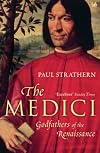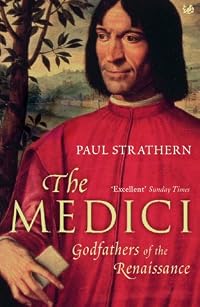
The Medici: Godfathers of the Renaissance
by Paul Strathern
On This Page
Description
A dazzling history of the modest family that rose to become one of the most powerful in Europe, The Medici is a remarkably modern story of power, money, and ambition. Against the background of an age that saw the rebirth of ancient and classical learning Paul Strathern explores the intensely dramatic rise and fall of the Medici family in Florence, as well as the Italian Renaissance which they did so much to sponsor and encourage. Interwoven into the narrative are the lives of many of the show more great Renaissance artists with whom the Medici had dealings, including Leonardo, Michelangelo, and Donatello, as well as scientists like Galileo and Pico della Mirandola.In his enthralling study, Strathern also follows the fortunes of those members of the Medici family who achieved success away from Florence, including the two Medici popes and Catherine de' Medici, who became queen of France and played a major role in that country through three turbulent reigns. show lessTags
Recommendations






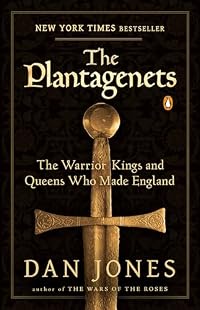
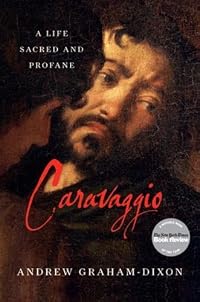
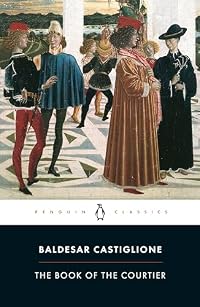

Member Recommendations

ed.pendragon A Florentine dynasty placed in their context.
Member Reviews
המחבר איננו היסטוריון, הוא פולימט. כתב עשרות רבות של ספרים החל מכימיה וכלה באומנות. לכך יש חסרונות ויתרונות. החסרונות הם שההסברים שלו לאירועים היסטוריים לא תמיד עומדים בקריטריונים מחקריים ואפילו לא בקריטריונים הגיוניים. היתרון הגדול הוא שהוא מפגיש אותך ומעמת זה מול זה התפתחויות פוליטיות, אומנותיות, מדעיות, תרבותיות, - אירוע נדיר מאוד בכתיבה היסטורית. בנוסף, סטרזרן הוא מחספר בחסד, בעל חוש הומור, שולט במטריה show more שלו וכותב ביד אמן. חויית קריאה מרתקת ומספקת show less
This is a very fine history, always engaging and easy to digest, meaning, one rarely has to consult the family tree and disengage from the narrative. Originally, I had hoped Strathern would provide a real in depth background and insights into the Medici family's sponsorship of the famous artists of the High Renaissance. That is not the strong points here, but instead the intrigues and family dynamics and their political maneuvers with the papacy, the Holy Roman Empire and broader Europe.
The comments on the artists--Donatello, Botticelli, Leonardo and Michelangelo--were far less than an art historian might provide, but Strathern's comments contained some interesting notations that otherwise might not seem relevant. One reviewer here show more comments negatively about Strathern's perceived bias, but Strathern's frequent mention of gay artists and gay Medici family members enlivens the narrative nonetheless in a way an author decades ago may have avoided.
So it is striking to read that Leonardo "was publicly denounced for practicing sodomy" (p. 189), and that Donatello's "masterpiece would prove to be one of the most overtly homosexual artworks of its era" (p. 110) and "an unabashed masterpiece of homoerotic sexuality" and it's history both in the Medici family, and later. Then, Poliziano, a classicist, who may have died from a fever the result of standing under the windowsill of a boy he was infatuated with! And reading about the later patronage of the Sicilian artist, Gaetano Zumbo, I learned about some extraordinary and pecular work.
FInally, reading right to the end, with the fascinating decline of the family's fortunes and prestige we have the extravagance of Gian Gastone. The "Sources" list at the end suggests I might need to read Harold Acton's The Last Medici (Methuen, 1973) and Christopher HIbbert's "classic The Rise and Fall for the House of Medici (Penguin, 1995)." Clearly Strathern has me hooked on Medici history now! show less
The comments on the artists--Donatello, Botticelli, Leonardo and Michelangelo--were far less than an art historian might provide, but Strathern's comments contained some interesting notations that otherwise might not seem relevant. One reviewer here show more comments negatively about Strathern's perceived bias, but Strathern's frequent mention of gay artists and gay Medici family members enlivens the narrative nonetheless in a way an author decades ago may have avoided.
So it is striking to read that Leonardo "was publicly denounced for practicing sodomy" (p. 189), and that Donatello's "masterpiece would prove to be one of the most overtly homosexual artworks of its era" (p. 110) and "an unabashed masterpiece of homoerotic sexuality" and it's history both in the Medici family, and later. Then, Poliziano, a classicist, who may have died from a fever the result of standing under the windowsill of a boy he was infatuated with! And reading about the later patronage of the Sicilian artist, Gaetano Zumbo, I learned about some extraordinary and pecular work.
FInally, reading right to the end, with the fascinating decline of the family's fortunes and prestige we have the extravagance of Gian Gastone. The "Sources" list at the end suggests I might need to read Harold Acton's The Last Medici (Methuen, 1973) and Christopher HIbbert's "classic The Rise and Fall for the House of Medici (Penguin, 1995)." Clearly Strathern has me hooked on Medici history now! show less
I've always been somewhat precocious. A nerd, if you will. What we call gammelklog in Danish. And there are quite a few contributing factors to this. At this stage, I've reached the point where a lot of people won't play Trivial Pursuit with me. Even my fiancée wouldn't indulge me without tricking me into playing the God-damn Disney edition! (My secret weakness - CURSE YOU!)
My personal belief is that my Dad carries a lot of the responsibility for my multi-faceted trove of trivial knowledge; because for several years he was the one who planned our family summer vacations. They often had Southern Europe as their final destination, but it wasn't your average, easy-going recreational sojourn. Oh no. This was hardcore, full-on Grand Tour show more for the modern era. And seeing how he is quite fond of Andrea Palladio - and Renaissance art and architecture in general - it was only natural that we spent A LOT of time in Northern Italy (and Tuscany in particular).
So when I spotted this Medici biography at my trusty old D-A haunt, I pounced on it immediately. It took some time for me to get started on it, however, because I misplaced it. Yep, again-again. But once I got started with it, it was damn near glued to my hands. It is frankly enthralling. So many characters, plot threads, names and dates - all exquisitely researched and conveyed. Strathern doesn't pull any punches from the get-go - the reader is dropped straight in the middle of the Pazzi conspiracy, at the point where the assassins pounce on Lorenzo and Giuliano.
And from there, it's a roughshod ride through the colourful history of Tuscany's most (in)famous clan/dynasty. From the shrewd, discreet bankers/moguls Giovanni Di Bicci and Cosimo the Elder, past the iconic Lorenzo il Magnifico and the Medici Popes, all the way to the ignominious end with the grotesque glutton Gian Gastone. And yet, this book is more than just a biography of this influential family. It's also a collection of biographies - of the people that fell into the sphere of the Medici. Botticelli, Da Vinci, Vasari, Galilei, Cellini, Poliziano, Macchiavelli - you get acquainted with all of them. On top of this, the tone and language is accesible, enjoyable and fluent throughout.
One of my few grievances with this tome is the fact that one of the colour plates fell out about halfway through. But, then again, it WAS a second-hand purchase. This turned out to be one of my longest reviews to date, but this book really struck a chord with me. I genuinely loved it. show less
My personal belief is that my Dad carries a lot of the responsibility for my multi-faceted trove of trivial knowledge; because for several years he was the one who planned our family summer vacations. They often had Southern Europe as their final destination, but it wasn't your average, easy-going recreational sojourn. Oh no. This was hardcore, full-on Grand Tour show more for the modern era. And seeing how he is quite fond of Andrea Palladio - and Renaissance art and architecture in general - it was only natural that we spent A LOT of time in Northern Italy (and Tuscany in particular).
So when I spotted this Medici biography at my trusty old D-A haunt, I pounced on it immediately. It took some time for me to get started on it, however, because I misplaced it. Yep, again-again. But once I got started with it, it was damn near glued to my hands. It is frankly enthralling. So many characters, plot threads, names and dates - all exquisitely researched and conveyed. Strathern doesn't pull any punches from the get-go - the reader is dropped straight in the middle of the Pazzi conspiracy, at the point where the assassins pounce on Lorenzo and Giuliano.
And from there, it's a roughshod ride through the colourful history of Tuscany's most (in)famous clan/dynasty. From the shrewd, discreet bankers/moguls Giovanni Di Bicci and Cosimo the Elder, past the iconic Lorenzo il Magnifico and the Medici Popes, all the way to the ignominious end with the grotesque glutton Gian Gastone. And yet, this book is more than just a biography of this influential family. It's also a collection of biographies - of the people that fell into the sphere of the Medici. Botticelli, Da Vinci, Vasari, Galilei, Cellini, Poliziano, Macchiavelli - you get acquainted with all of them. On top of this, the tone and language is accesible, enjoyable and fluent throughout.
One of my few grievances with this tome is the fact that one of the colour plates fell out about halfway through. But, then again, it WAS a second-hand purchase. This turned out to be one of my longest reviews to date, but this book really struck a chord with me. I genuinely loved it. show less
A very interesting book, managing to successfully combine dense detail with engaging story telling. The author is not afraid to go off on a slight tangent or recount specific events in detail in the aim of informing the reader about this fascinating cast of characters, the Medici.
There are a few faults with this book. Firstly, the author takes to discerning personality traits based on portraits (paintings), sometimes painted decades after their subject has died! I don't believe this is really an accurate way to ascertain someone's personality. He also makes a few broad,sweeping assumptions that are just outdated. For example, he claims that for Leonardo da Vinci "it was the continuum of unquestioning female love [that] gave him the show more utter self-belief which comes from being the centre of such a worshipping motherly world; and it may also have contributed to his homosexuality." Sorry, but i thought the mummy's-boy-thing-made-him-homosexual was debunked a long time ago!
However, these things while they should be taken into account are no reason to give this book a miss. History buffs are sure to enjoy this well-written tale of some very fascinating (and often devious) real-life characters who shaped some of the most important political and artistic events of European history. show less
There are a few faults with this book. Firstly, the author takes to discerning personality traits based on portraits (paintings), sometimes painted decades after their subject has died! I don't believe this is really an accurate way to ascertain someone's personality. He also makes a few broad,sweeping assumptions that are just outdated. For example, he claims that for Leonardo da Vinci "it was the continuum of unquestioning female love [that] gave him the show more utter self-belief which comes from being the centre of such a worshipping motherly world; and it may also have contributed to his homosexuality." Sorry, but i thought the mummy's-boy-thing-made-him-homosexual was debunked a long time ago!
However, these things while they should be taken into account are no reason to give this book a miss. History buffs are sure to enjoy this well-written tale of some very fascinating (and often devious) real-life characters who shaped some of the most important political and artistic events of European history. show less
The fact that this is a book about a fascinating dynasty keeps our interest going to the end but truth be told the author was running out of fuel by the time we got to Ferdinando. The real Medici power lay between Cosimo and Pope Clement VII. What amazing men! So human, so fallible and yet with a touch of brilliance that lifted them (and Europe) from the mediaeval world view into the Renaissance. Men, who not artists themselves, funded the geniuses of that golden era, the well spring of the Renaissance - Enlightenment – Industrial Revolution – splitting the atom – cyberspace? The author wisely diverts from the somewhat limiting contributions of the family itself to dwell in loving detail on the masters and their mastery. He show more brought me to a new appreciation of, for example, Donatello’s David and of the remarkable (for the era) tolerance, indeed embracing, of homosexuality.
So, all the men, men, men when the most influential and powerful of the Medici was a woman and to my mind this books stands or falls on its analysis and assessment of this most influential of queens. Catherine, deserving and recipient of full books in her own right, is the most fascinating of the Medici and I feel that the scant chapter she gets in this book will do little more than whet your appetite.
Finally, the book could have done with some tighter editorial input. If we were told once in the early chapters that Cosimo was a conservative banker we were told four times; my memory is quite good, especially when a point was made only a few pages back. The same point made repeatedly began to grate after a while and, unfortunately, this reoccurs with other themes throughout the book (though not with the same pernicious effect on my harmony. Pity ‘cos the point was pertinent.
But these are mere quibbles; this is a well written, enjoyable broad brush canvas of the, mainly, Medici men whose sexual preferences eventually saw the end of the line. show less
So, all the men, men, men when the most influential and powerful of the Medici was a woman and to my mind this books stands or falls on its analysis and assessment of this most influential of queens. Catherine, deserving and recipient of full books in her own right, is the most fascinating of the Medici and I feel that the scant chapter she gets in this book will do little more than whet your appetite.
Finally, the book could have done with some tighter editorial input. If we were told once in the early chapters that Cosimo was a conservative banker we were told four times; my memory is quite good, especially when a point was made only a few pages back. The same point made repeatedly began to grate after a while and, unfortunately, this reoccurs with other themes throughout the book (though not with the same pernicious effect on my harmony. Pity ‘cos the point was pertinent.
But these are mere quibbles; this is a well written, enjoyable broad brush canvas of the, mainly, Medici men whose sexual preferences eventually saw the end of the line. show less
I'm a fan of history books that take a premise or subject and like a big stew, toss in all kinds of contemporary context. You can learn a lot about Renaissance art, warfare, politics, religion, literature, just from reading this one book.
This gallop through the rise and fall of the Medici family charts the characters who made it as merchants, dukes, popes, queens, scientists, patrons and villains from medieval to Enlightenment Italy. Real characters these that one can alternately cheer or boo but rarely be indifferent to, their lives are charted in some detail against a backdrop of international intrigue, trade and war in a narrative that at times almost feels like fiction if we didn't know that it really happened. Paul Strathern strikes just the right balance between scholarship and accessibility, and the text is complemented by a selection of maps and portraits.
Members
- Recently Added By
Lists

Books Read in 2019
4,052 works; 108 members
Author Information

116 Works 7,387 Members
Common Knowledge
- Canonical title
- The Medici: Godfathers of the Renaissance
- Original title
- The Medici
- Original publication date
- 2003
- People/Characters
- Cosimo de' Medici, the Elder; Lorenzo de' Medici; Cosimo I de' Medici, Grand Duke of Tuscany; Eleonora of Toledo; Francesco I de' Medici, Grand Duke of Tuscany; Johanna of Austria (show all 15); Ferdinando I de' Medici, Grand Duke of Tuscany; Christina of Lorraine, Grand Duchess of Tuscany; Cosimo II de' Medici; Maria Magdelana of Austria; Ferdinando II de' Medici, Grand Duke of Tuscany; Vittoria della Rovere, Grand Duchess of Tuscany; Cosimo III de' Medici, Grand Duke of Tuscany; Marguerite-Louise d'Orléans, Grand Duchess of Tuscany; Gian Gastone de' Medici, Grand Duke of Tuscany
- Important places
- Florence, Tuscany, Italy
- Important events
- Pazzi Conspiracy; French invasion of Italy
- Dedication
- to Kathleen
- First words
- It is Sunday 26 April 1478 in Florence, and the church bells ring out from the towers above the rooftops of the city.
- Last words
- (Click to show. Warning: May contain spoilers.)The Medici treasures and their cultural heritage would remain for ever in Florence, the city which had in so many ways contributed to them, and had in so many ways already paid for them.
- Original language*
- Englisch
*Some information comes from Common Knowledge in other languages. Click "Edit" for more information.
Classifications
Statistics
- Members
- 631
- Popularity
- 45,923
- Reviews
- 17
- Rating
- (3.80)
- Languages
- English, Estonian, Italian, Russian
- Media
- Paper, Audiobook, Ebook
- ISBNs
- 14
- ASINs
- 6