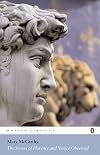
The Stones of Florence and Venice Observed
by Mary McCarthy
On This Page
Description
Captivating portraits of two of the world's most beguiling cities from the New York Times-bestselling author of The Group. Mary McCarthy blends art, politics, religion, music, and history to create unique living portraits of two of Italy's most enchanting cities in these enthralling books now available in one volume. The Stones of Florence: The book Library Journal called "Mary McCarthy's classic" takes readers on a timeless journey to the place where the Renaissance began. From Michelangelo show more to the Medicis, The Stones of Florence is McCarthy's hymn to this immortal hub of art and commerce. Venice Observed: McCarthy trains her gaze on the immortal City of Canals. show lessTags
Recommendations























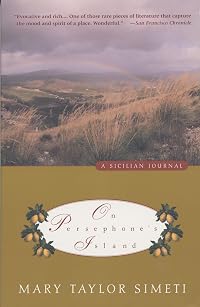
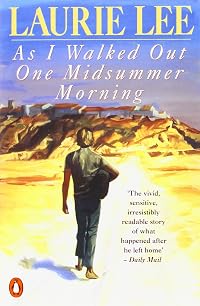



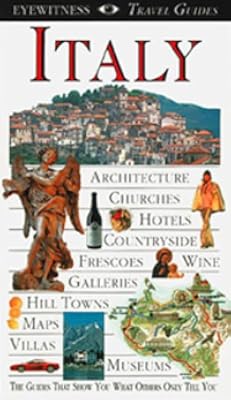

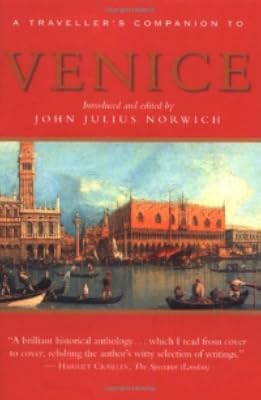
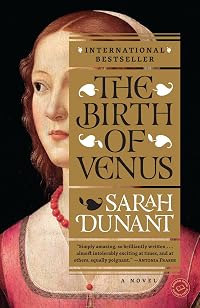

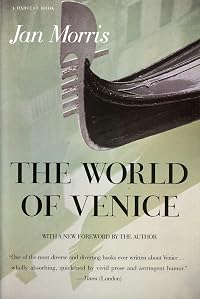
Member Recommendations

ed.pendragon A Florentine dynasty placed in their context.
Member Reviews
A double whammy of mid-20th century US travel writing about two of the big three Italian cities. The ruins of Rome are obviously missing. McCarthy crafts wonderful portraits of the history, art and architecture of Florence and Venice. Similar to Vermeer, she keeps her distance from describing actual human beings which results in a certain bloodlessness. It is tourists, both by their presence and their absence, who increase the author's blood pressure. Crowding in the main attractions, they neglect to visit the hidden gems, leaving poor Mary all alone in deserted churches. She is unusually cranky for an American, most of which is due to her lack of travel skills. If you don't want to interact with the owners, don't use bed & breakfast show more accommodation. If you don't like crowds in museums, visit early or late in the day. Do as the locals do to escape other tourists and commercial exploitation.
Florence and Venice, the artistic power houses of Italy and polar opposites: Florence, the land-locked city of bankers whose language defines Italian. Venice the seaborne city of traders whose language defies Italian. Florence whose architecture is turned inward; Venice, the splashy city. Florence the city which exiles; Venice, the city of exiles. As far as the two portraits of the cities go, her heart clearly beats for Florence, about which she knows much more and is more intimate with. She is but a tourist to Venice, detesting its venality and superficiality. I wonder how she would react to the fact that the number of inhabitants of Venice has declined from 200,000 in her days to less than 50,000 today. On the plus side, most of the extreme poverty (including child labor exploitation) she describes has vanished from Northern Italy which has become again one of the most prosperous places on earth.
To truly appreciate her art and architecture descriptions, it is helpful to consult one of the inexpensive (printed in China), sumptuously illustrated city portrait books about Florence and Venice that flood the book stores, enabling one to contrast and compare Donatello's and Michelangelo's interpretation of David. Recommended as a quick read. show less
Florence and Venice, the artistic power houses of Italy and polar opposites: Florence, the land-locked city of bankers whose language defines Italian. Venice the seaborne city of traders whose language defies Italian. Florence whose architecture is turned inward; Venice, the splashy city. Florence the city which exiles; Venice, the city of exiles. As far as the two portraits of the cities go, her heart clearly beats for Florence, about which she knows much more and is more intimate with. She is but a tourist to Venice, detesting its venality and superficiality. I wonder how she would react to the fact that the number of inhabitants of Venice has declined from 200,000 in her days to less than 50,000 today. On the plus side, most of the extreme poverty (including child labor exploitation) she describes has vanished from Northern Italy which has become again one of the most prosperous places on earth.
To truly appreciate her art and architecture descriptions, it is helpful to consult one of the inexpensive (printed in China), sumptuously illustrated city portrait books about Florence and Venice that flood the book stores, enabling one to contrast and compare Donatello's and Michelangelo's interpretation of David. Recommended as a quick read. show less
Ratings
Members
- Recently Added By
Author Information

43+ Works 7,587 Members
Series
Belongs to Publisher Series
Work Relationships
Contains
Common Knowledge
- Original publication date
- 1956
- Important places
- Florence, Tuscany, Italy; Venice, Veneto, Italy
- Dedication
- "To Roberto Papi" (The Stones of Florence)
- Last words
- (Click to show. Warning: May contain spoilers.)Even war in Venice evokes a disbelieving smile.
Classifications
Statistics
- Members
- 172
- Popularity
- 190,330
- Reviews
- 2
- Rating
- (3.53)
- Languages
- English
- Media
- Paper, Ebook
- ISBNs
- 5
- ASINs
- 4