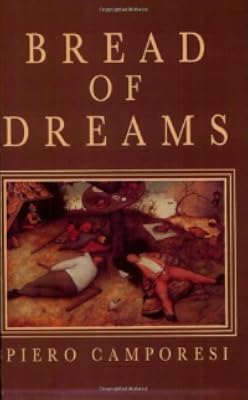
Bread of Dreams: Food and Fantasy in Early Modern Europe
by Piero Camporesi
On This Page
Description
In a rich and engaging book that illuminates the lives and attitudes of peasants in preindustrial Europe, Piero Camporesi makes the unexpected and fascinating claim that these people lived in a state of almost permanent hallucination, drugged by their very hunger or by bread adulterated with hallucinogenic herbs. The use of opiate products, administered even to infants and children, was widespread and was linked to a popular mythology in which herbalists and exorcists were important cultural show more figures. Through a careful reconstruction of the everyday lives of peasants, beggars, and the poor, Camporesi presents a vivid and disconcerting image of early modern Europe as a vast laboratory of dreams. "Camporesi is as much a poet as a historian. . . . His appeal is to the senses as well as to the mind. . . . Fascinating in its details and compelling in its overall message."—Vivian Nutton, Times Literary Supplement "It is not often that an academic monograph in history is also a book to fascinate the discriminating general reader. Bread of Dreams is just that."—Kenneth McNaught, Toronto Star "Not religion but bread was the opiate of the poor, Mr. Camporesi argues. . . . Food has always been a social and mythological construct that conditions what we vainly imagine to be matters of personal taste. Our hunger for such works should tell us that food is not only good but essential to think and to read as if our lives depended on it, which they do."—Betty Fussell, New York Times Book Review show lessTags
Recommendations


























Member Reviews
I’ve never read a history book like this before. The style is impressionistic, lyrical, and, for lack of a better term, goth as hell. Camporesi’s thesis is that European peasants of the Early Modern period were constantly in an altered state of consciousness as a result of hunger, illness, adulterated food, and strange remedies:
Whilst I found this conceptually appealing, it only really got through to me when Camporesi pointed out that today working people are also constantly altering their consciousness: with caffeine, which was unavailable in Europe prior to the 16th century and not widely accessible until the 18th. (As an aside, I am by nature so nocturnal that I cannot function as an employee without a small but vital quantity of coffee. Last Tuesday I tried going without and it was absolutely awful. My brain felt like sludge until 5pm, whereupon I got a bad headache. Needless to say, not a productive day. Surely someone has written a book about the interdependence between hot caffeinated beverages and the standardisation of working hours during the Industrial Revolution?) Anyway, Camporesi weaves together a tapestry of documentary evidence in poetically inflected run-on sentences to convince the reader that the past really is a foreign country, and they think differently there:
There are nineteen short chapters in the book, many of which overlap thematically. Of particular note were the chapter on cannibalism (which inevitably made me think of the TV show Hannibal - there is an aesthetic similarity too), several on medicines, and the one on worms. Regarding the latter, I had not previously contemplated the likelihood that everyone in the pre-modern world had intestinal parasites. Frankly, I wish I still hadn’t, as that chapter is truly revolting in places. More suited to the squeamish are the fascinating sections on the substitutes for wheat used during poor harvests, which resulted in bread with hallucinogenic properties. These included poppy, darnel, and vetch. ‘Bread of Dreams’ is a unique, strange, and beguiling book. Like [b:The Art of Memory|245831|The Art of Memory|Frances A. Yates|https://images.gr-assets.com/books/1388724015s/245831.jpg|2664243], it gives the reader a brief and vertiginous glimpse into the very different mental worlds of our ancestors. show less
One of the side-effects of famine, which has not been paid its necessary due, was a surprising fall in the level of mental health, already organically precarious and tottering, since even in times of ‘normality’ half-wits, idiots and cretins constituted a dense and omnipresent human fauna (every village and hamlet, even the tiniest, had its fool). The poor sustenance aggravated a biological deficiency andshow more
psychological equilibrium already profoundly compromised (syphilis, alcoholism, etc) and visibly deteriorated. If the devastating effects (beginning around the middle of the eighteenth century) of pellagra on mental equilibrium and the damage caused by a maize-based mono-alimentation are recognised, the effects caused by estranging and stupefying herbs and grains unknown, or almost unmentioned.
Whilst I found this conceptually appealing, it only really got through to me when Camporesi pointed out that today working people are also constantly altering their consciousness: with caffeine, which was unavailable in Europe prior to the 16th century and not widely accessible until the 18th. (As an aside, I am by nature so nocturnal that I cannot function as an employee without a small but vital quantity of coffee. Last Tuesday I tried going without and it was absolutely awful. My brain felt like sludge until 5pm, whereupon I got a bad headache. Needless to say, not a productive day. Surely someone has written a book about the interdependence between hot caffeinated beverages and the standardisation of working hours during the Industrial Revolution?) Anyway, Camporesi weaves together a tapestry of documentary evidence in poetically inflected run-on sentences to convince the reader that the past really is a foreign country, and they think differently there:
The most effective and upsetting drug, bitterest and most ferocious, has always been hunger, creator of unfathomable disturbances of mind and imagination. Further lifelike and convincing dreams grew out of this forced hallucination, compensating for the everyday poverty, the bleak view point of reason and the continual outrages perpetrated on miserable existences and infantile personalities by psychic diseases characterised by convulsive and hysterical tendencies, typical of a society crushed by the weight of the social pyramid’s layers, unchanging by command of divine law and royal will.
There are nineteen short chapters in the book, many of which overlap thematically. Of particular note were the chapter on cannibalism (which inevitably made me think of the TV show Hannibal - there is an aesthetic similarity too), several on medicines, and the one on worms. Regarding the latter, I had not previously contemplated the likelihood that everyone in the pre-modern world had intestinal parasites. Frankly, I wish I still hadn’t, as that chapter is truly revolting in places. More suited to the squeamish are the fascinating sections on the substitutes for wheat used during poor harvests, which resulted in bread with hallucinogenic properties. These included poppy, darnel, and vetch. ‘Bread of Dreams’ is a unique, strange, and beguiling book. Like [b:The Art of Memory|245831|The Art of Memory|Frances A. Yates|https://images.gr-assets.com/books/1388724015s/245831.jpg|2664243], it gives the reader a brief and vertiginous glimpse into the very different mental worlds of our ancestors. show less
This book could should point as a salutory lesson to the modern Western cult of conspicuous consumption. Camporesi's erudite study reminds us that the majority of the medieval population of Europe was often teetering on the edge of starvation and this made a huge impact on the art, culture, politics and literature of the era. The prose is often a little hard to follow, but this may be due to the translation from the original Italian.
A book supporting the author's premise that the peasants of preindustrial Europe lived an altered state due to malnutrition and bread adulterated with hallucinogenic herbs.
L'autore intraprende una sorta di viaggio all'inferno attraverso l'immaginario dell'alimentazione, della fame, del corpo, della malattia nella società preindustriale: un museo degli orrori che ricostruisce sogni, allucinazioni, incubi di un'umanità miserabile e affamata.
"La fuga nei paradisi artificiali, nei mondi rovesciati, negli impossibili sogni di compensazione delle folle stracciate e affamate dei secoli moderni nasce dalla invivibilità del reale, dal basso dosaggio vitale, dalle carenze e (per contrapposto) dagli eccessi alimentari che inducono a una interpretazione sussultoria, incoerente, spasmodica della realtà": così Piero Camporesi - con una consapevole allusione alla realtà contemporanea - introduceva all'inizio show more degli anni Ottanta "Il pane selvaggio", tumultuoso affresco dove brulica una folla affamata, 'unta', piagata, ossessionata da demoni, folletti e spettri, terrorizzata da vermi e altri sordidi 'animalicula'. Dai fondamentali saggi di Piero Camporesi - attento sia all'aspetto letterario sia alla storia materiale - è emersa per la prima volta la ricostruzione di una società contadina, al limite della sopravvivenza, che viveva in uno stato di allucinazione pressoché continua. Un mondo traversato da oscuri e inquietanti segnali, dove anche il sangue e il grasso venivano universalmente accettati come rimedi dalla farmacopea di esorcisti e aromatari. Le allucinazioni, le visioni, i deliri individuali e collettivi erano indotti dalla fame, la più diffusa delle droghe, e in generale da una alimentazione povera e sbilanciata, dove non mancavano erbe malefiche e allucinogene. Ma proprio queste ultime potevano provocare, invece delle demoniache allucinazioni, sogni non terrificanti, che domando la fame permettevano d'attingere a incontaminate riserve fantastiche: basti pensare all'oppio, regolarmente utilizzato nella panificazione e persino per tranquillizzare i lattanti. A colpire ancor oggi nell'opera di Piero Camporesi sono in primo luogo la straordinaria erudizione, l'abilità nell'interrogare fonti 'minori', dimenticate o trascurate, l'attenzione alla realtà materiale. Ma ad affascinare il lettore è anche una prosa rigogliosa, palpitante, e insieme impeccabilmente precisa, che stabilisce un intenso rapporto con le citazioni utilizzate, in una sottile dialettica tra l'indagine scientifica e il suo oggetto, un passato che ritorna quasi magicamente a vivere. show less
"La fuga nei paradisi artificiali, nei mondi rovesciati, negli impossibili sogni di compensazione delle folle stracciate e affamate dei secoli moderni nasce dalla invivibilità del reale, dal basso dosaggio vitale, dalle carenze e (per contrapposto) dagli eccessi alimentari che inducono a una interpretazione sussultoria, incoerente, spasmodica della realtà": così Piero Camporesi - con una consapevole allusione alla realtà contemporanea - introduceva all'inizio show more degli anni Ottanta "Il pane selvaggio", tumultuoso affresco dove brulica una folla affamata, 'unta', piagata, ossessionata da demoni, folletti e spettri, terrorizzata da vermi e altri sordidi 'animalicula'. Dai fondamentali saggi di Piero Camporesi - attento sia all'aspetto letterario sia alla storia materiale - è emersa per la prima volta la ricostruzione di una società contadina, al limite della sopravvivenza, che viveva in uno stato di allucinazione pressoché continua. Un mondo traversato da oscuri e inquietanti segnali, dove anche il sangue e il grasso venivano universalmente accettati come rimedi dalla farmacopea di esorcisti e aromatari. Le allucinazioni, le visioni, i deliri individuali e collettivi erano indotti dalla fame, la più diffusa delle droghe, e in generale da una alimentazione povera e sbilanciata, dove non mancavano erbe malefiche e allucinogene. Ma proprio queste ultime potevano provocare, invece delle demoniache allucinazioni, sogni non terrificanti, che domando la fame permettevano d'attingere a incontaminate riserve fantastiche: basti pensare all'oppio, regolarmente utilizzato nella panificazione e persino per tranquillizzare i lattanti. A colpire ancor oggi nell'opera di Piero Camporesi sono in primo luogo la straordinaria erudizione, l'abilità nell'interrogare fonti 'minori', dimenticate o trascurate, l'attenzione alla realtà materiale. Ma ad affascinare il lettore è anche una prosa rigogliosa, palpitante, e insieme impeccabilmente precisa, che stabilisce un intenso rapporto con le citazioni utilizzate, in una sottile dialettica tra l'indagine scientifica e il suo oggetto, un passato che ritorna quasi magicamente a vivere. show less
May 22, 2006Italian
Ratings
Members
- Recently Added By
Author Information

23+ Works 504 Members
Piero Camporesi (1926-1997) was formerly Professor of Italian Literature at the University of Bologna, Italy.
Some Editions
Series
Belongs to Publisher Series
Common Knowledge
- Original title
- Il pane selvaggio
- Original publication date
- 1980
Classifications
- Genres
- Nonfiction, History, General Nonfiction
- DDC/MDS
- 305.5 — Society, government, & culture Social sciences, sociology & anthropology Social group - Age, Gender, Ethnicity People by social and economic levels
- LCC
- HC240.9 .P6 .C3513 — Social sciences Economic history and conditions Economic history and conditions By region or country
- BISAC
Statistics
- Members
- 129
- Popularity
- 253,147
- Reviews
- 4
- Rating
- (4.11)
- Languages
- English, Italian, Spanish
- Media
- Paper, Ebook
- ISBNs
- 12
- ASINs
- 2