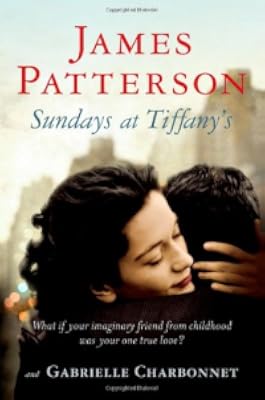
Sundays at Tiffany's
by James Patterson, Gabrielle Charbonnet
On This Page
Description
A woman meets her imaginary friend from childhood--and falls in love with him.Tags
Recommendations


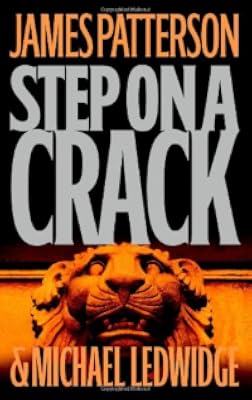
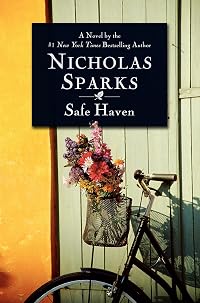
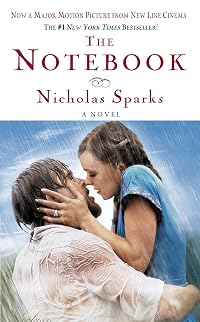
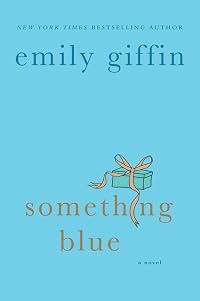

Member Recommendations

Member Reviews
“I miss you already.”
This light and lovely piece of fiction has more in common with Robert Nathan’s tender stories from the 1930s and 1940s than it does modern day romances. It is a charming but nearly undefinable romantic novel which is light and breezy, yet touches the heart. I’m usually not a big fan of Patterson, and have to wonder if co-author Gabrielle Charbonnet (Cate Tiernan) did more of the actual writing here, working from an outline and story provided by Patterson. At any rate, both receive credit for an old-style romantic fantasy marred only by one scene, which I’ll talk about later in the review.
Having seen the film starring Alyssa Milano a couple of years ago, I finally got around to reading this. I wish I’d show more opted to read it much sooner, because it is utterly charming. The basic premise is that those imaginary friends some children have are actually angels that only they can see. These angels exist to make it easier for a child to fit into the world, so they’ll feel less alone, and won’t be afraid. Michael is such an angel, and one of his assignments is little Jane Margaux, the lonely daughter of an overbearing and famous mother. Why Jane needs an angel during her youth is hinted at early on as her mother takes a bow onstage after a performance:
“I stood up too, and clapped the hardest, and I loved her so much I could hardly bear it. Someday she would love me back just as much, I was sure of it.”
There is something special about Michael’s connection to Jane, and hers to him. At the age of nine, when he has to move on, she is supposed to forget him, as all the others have. But she doesn’t. He continues his “work” for twenty-three years. He lives as normal humans do between “assignments” and everyone can see him. He boxes and enjoys life, but never forgets Jane. Though nowhere near as resonant, this is definitely Robert Nathan-land, at least in conception. There is nothing even remotely tawdry or inappropriate in tone, nor is there anything "creepy" about the story as some have suggested. This is rather an old-fashioned and innocent otherworldly fantasy, updated to modern times. It would have been quite at home in a more innocent, less uber-sensitive-to-everything era.
Years pass. Michael spots the grown up Jane (now in her early thirties) and is flabbergasted. In all the years — hundreds, thousands? — he’s been doing this, he’s never run into one of his former assignments as an adult. He observes that poor little Jane is still getting hurt; by her mother, Vivienne, and by a loser boyfriend named Hugh. Because we get moments from both Jane’s and Michael’s viewpoint, we know that unlike all the others, Jane never forgot Michael. Once they meet again, it is new territory for Michael, who realizes there must be a reason she didn’t forget him, and that reason could be heartbreaking.
Sweet and hopeful, and with a very special ending that fills the heart, this is almost a throwback story from another era. But there is a caveat. Either Patterson had some formula he wanted his co-author to adhere to, or one or both of these writers didn’t trust that modern readers would accept a romantic fantasy without a fully described sex scene.
I’m perfectly fine with sexual intimacy in "some" books, "some" series, especially if it’s beautifully realized, sensual or sexy. I myself write a series where sensuality is a major component to the visualized dystopian world I've created, but it happens to fit that story, that world. I understand, as an author, that even if you write a series that has no sex, graphically described or otherwise, but has interaction between the sexes, that someone will take exception in the current male-unfriendly climate. Don't misunderstand me, I'm not doing that at all.
It's unfair to criticize any book for being true to its genre, but I'm doing the exact opposite here; I'm criticizing the scene because it was very untrue to its genre. It's obvious that a lot of readers had not read the type of story from the 30s and 40s that Sunday at Tiffany's aspires to be. But I had, and that's why in this particular instance, the sex scene, which is relatively mild, but graphically described, is contrary to the old-fashioned romantic fantasy genre to which Sunday at Tiffany's is paying homage. If the author(s) had not done such a nice job up to that point in the story, it would be okay, but because they had, the sex scene inserted here just did not belong, not in the type of story they'd created. It didn't fit with the narrative which had preceded it at all. It felt so out of place for anyone familiar with this older style of story that it was jarring, taking the reader out of the older romantic fantasy and pulling them back into the modern world from which the story had been an escape.
Having become immersed into the grove and older style of the story, when I suddenly came upon the scene, it took me completely by surprise. It felt like something dropped in by parachute from a different book — or perhaps from a James Patterson formula? It was totally unexpected, like a slap in the face with a wet towel. Not because it was tawdry, or badly written, or unduly explicit; but because it was there, in THIS type of story.
These authors (or perhaps just Patterson, who most likely didn’t have time to write it by himself) wanted to tell an old-fashioned, Robert Nathan-like story, but I had to wonder if either of these authors had ever actually read one of Nathan’s books. To give readers an idea of how awkward that scene felt within this sweet and magical narrative, imagine Robert Nathan's Portrait of Jennie with an explicit sex scene between Eben and Jennie. Yeah, it was like that. Either fortunately, or maddeningly — I’ve still yet to decide — it was only a blip on the radar, and the ending was so lovely and heartwarming it almost made up for it. Almost.
This is still a wonderful read, and I highly recommend it. However, “formula” over appreciation for a style, a certain type of story and its mood, and its boundaries, force me to give Sunday at Tiffany’s four stars rather than the five I wanted to give it. Charming and wonderful overall, but it just missed being timeless because it was afraid to remain true to its origins, and the type of story to which it was paying homage. show less
This light and lovely piece of fiction has more in common with Robert Nathan’s tender stories from the 1930s and 1940s than it does modern day romances. It is a charming but nearly undefinable romantic novel which is light and breezy, yet touches the heart. I’m usually not a big fan of Patterson, and have to wonder if co-author Gabrielle Charbonnet (Cate Tiernan) did more of the actual writing here, working from an outline and story provided by Patterson. At any rate, both receive credit for an old-style romantic fantasy marred only by one scene, which I’ll talk about later in the review.
Having seen the film starring Alyssa Milano a couple of years ago, I finally got around to reading this. I wish I’d show more opted to read it much sooner, because it is utterly charming. The basic premise is that those imaginary friends some children have are actually angels that only they can see. These angels exist to make it easier for a child to fit into the world, so they’ll feel less alone, and won’t be afraid. Michael is such an angel, and one of his assignments is little Jane Margaux, the lonely daughter of an overbearing and famous mother. Why Jane needs an angel during her youth is hinted at early on as her mother takes a bow onstage after a performance:
“I stood up too, and clapped the hardest, and I loved her so much I could hardly bear it. Someday she would love me back just as much, I was sure of it.”
There is something special about Michael’s connection to Jane, and hers to him. At the age of nine, when he has to move on, she is supposed to forget him, as all the others have. But she doesn’t. He continues his “work” for twenty-three years. He lives as normal humans do between “assignments” and everyone can see him. He boxes and enjoys life, but never forgets Jane. Though nowhere near as resonant, this is definitely Robert Nathan-land, at least in conception. There is nothing even remotely tawdry or inappropriate in tone, nor is there anything "creepy" about the story as some have suggested. This is rather an old-fashioned and innocent otherworldly fantasy, updated to modern times. It would have been quite at home in a more innocent, less uber-sensitive-to-everything era.
Years pass. Michael spots the grown up Jane (now in her early thirties) and is flabbergasted. In all the years — hundreds, thousands? — he’s been doing this, he’s never run into one of his former assignments as an adult. He observes that poor little Jane is still getting hurt; by her mother, Vivienne, and by a loser boyfriend named Hugh. Because we get moments from both Jane’s and Michael’s viewpoint, we know that unlike all the others, Jane never forgot Michael. Once they meet again, it is new territory for Michael, who realizes there must be a reason she didn’t forget him, and that reason could be heartbreaking.
Sweet and hopeful, and with a very special ending that fills the heart, this is almost a throwback story from another era. But there is a caveat. Either Patterson had some formula he wanted his co-author to adhere to, or one or both of these writers didn’t trust that modern readers would accept a romantic fantasy without a fully described sex scene.
I’m perfectly fine with sexual intimacy in "some" books, "some" series, especially if it’s beautifully realized, sensual or sexy. I myself write a series where sensuality is a major component to the visualized dystopian world I've created, but it happens to fit that story, that world. I understand, as an author, that even if you write a series that has no sex, graphically described or otherwise, but has interaction between the sexes, that someone will take exception in the current male-unfriendly climate. Don't misunderstand me, I'm not doing that at all.
It's unfair to criticize any book for being true to its genre, but I'm doing the exact opposite here; I'm criticizing the scene because it was very untrue to its genre. It's obvious that a lot of readers had not read the type of story from the 30s and 40s that Sunday at Tiffany's aspires to be. But I had, and that's why in this particular instance, the sex scene, which is relatively mild, but graphically described, is contrary to the old-fashioned romantic fantasy genre to which Sunday at Tiffany's is paying homage. If the author(s) had not done such a nice job up to that point in the story, it would be okay, but because they had, the sex scene inserted here just did not belong, not in the type of story they'd created. It didn't fit with the narrative which had preceded it at all. It felt so out of place for anyone familiar with this older style of story that it was jarring, taking the reader out of the older romantic fantasy and pulling them back into the modern world from which the story had been an escape.
Having become immersed into the grove and older style of the story, when I suddenly came upon the scene, it took me completely by surprise. It felt like something dropped in by parachute from a different book — or perhaps from a James Patterson formula? It was totally unexpected, like a slap in the face with a wet towel. Not because it was tawdry, or badly written, or unduly explicit; but because it was there, in THIS type of story.
These authors (or perhaps just Patterson, who most likely didn’t have time to write it by himself) wanted to tell an old-fashioned, Robert Nathan-like story, but I had to wonder if either of these authors had ever actually read one of Nathan’s books. To give readers an idea of how awkward that scene felt within this sweet and magical narrative, imagine Robert Nathan's Portrait of Jennie with an explicit sex scene between Eben and Jennie. Yeah, it was like that. Either fortunately, or maddeningly — I’ve still yet to decide — it was only a blip on the radar, and the ending was so lovely and heartwarming it almost made up for it. Almost.
This is still a wonderful read, and I highly recommend it. However, “formula” over appreciation for a style, a certain type of story and its mood, and its boundaries, force me to give Sunday at Tiffany’s four stars rather than the five I wanted to give it. Charming and wonderful overall, but it just missed being timeless because it was afraid to remain true to its origins, and the type of story to which it was paying homage. show less
I'm not a huge fan of James Patterson. Usually, I can't get past the back cover of his books, but this one... I just don't know. It really found a soft spot. I love the book. I love (& love to hate) the characters. Hugh is an ass, and just when you think he couldn't possibly get any worse, he surpasses your expectations, and then does it again. Jane is a beautiful person and sweeter than pie. Michael is just handsome and... just wonderful.
I really can't get over how much I love this story. It's absolutely beautiful and I strongly recommend reading it. In fact, the moment I finished it, I gave it to one of my friends to read. She'd heard me raving about it after we got off the train earlier in the day and asked if she could read it when show more I was done.
Just as a warning, the chapters are notoriously short, and you won't realize how quickly you get through it. It took me less than two days. Also, it's what my mom calls a "peanut butter and jelly book" or a pb'nj book. This isn't heavy, deep reading, unless you make it that, and that may be a struggle. Additionally, although it did not do so to me, it may bring tears to your eyes. Be prepared. show less
I really can't get over how much I love this story. It's absolutely beautiful and I strongly recommend reading it. In fact, the moment I finished it, I gave it to one of my friends to read. She'd heard me raving about it after we got off the train earlier in the day and asked if she could read it when show more I was done.
Just as a warning, the chapters are notoriously short, and you won't realize how quickly you get through it. It took me less than two days. Also, it's what my mom calls a "peanut butter and jelly book" or a pb'nj book. This isn't heavy, deep reading, unless you make it that, and that may be a struggle. Additionally, although it did not do so to me, it may bring tears to your eyes. Be prepared. show less
I listened to this on audio book, and the story was saved from being a little too Nicholas-Sparksish by the superb reading of the narrator. She captured the various voice and all the characters without a bit of problem. I was interested in this story because of the whole imaginary friend thing. I had an imaginary friend named Rudi, who only came to visit me (so I am told) when I was in the bathtub. I also told people he was my husband. But I was two, so I wasn't a bigamist or anything. I still remember going flying one night with him and with Inky, the standard poodle who lived with the old lady next door. As if I could imagine that. Hmph.
The set-up is interesting enough: a young woman falls in love with her imaginary friend Michael, a man who served as the only constant in her sad, lonely childhood. On her ninth birthday, Michael is forced to part with her . . . only to find her again two decades later in New York City, looking beautiful but just as lost as she was as a kid.
Oh, this one crashed and burned for me. The complete lack of nuance immediately had me rolling my eyes -- there was absolutely nothing to grasp between the lines. I felt like the characters had a giant metal bucket used to repeatedly beat me over the head with the horribly, horribly obvious plot. The writing was pedestrian, uninteresting; I was emotionally removed from the storyline.
What should have show more been romantic -- or at least interesting -- was made ridiculous by the poorly written conversations and so much telling and no showing. For instance, instead of telling us that Michael and Jane had these sparkling, life-changing conversations, why can't we actually hear them? Why does everything have to be spelled out as though we're a group of third graders, completely incapable of processing an emotionally fulfilling relationship? (And it would probably insult third graders, too.)
Honestly, there isn't much more to say. Terribly disappointing! show less
Oh, this one crashed and burned for me. The complete lack of nuance immediately had me rolling my eyes -- there was absolutely nothing to grasp between the lines. I felt like the characters had a giant metal bucket used to repeatedly beat me over the head with the horribly, horribly obvious plot. The writing was pedestrian, uninteresting; I was emotionally removed from the storyline.
What should have show more been romantic -- or at least interesting -- was made ridiculous by the poorly written conversations and so much telling and no showing. For instance, instead of telling us that Michael and Jane had these sparkling, life-changing conversations, why can't we actually hear them? Why does everything have to be spelled out as though we're a group of third graders, completely incapable of processing an emotionally fulfilling relationship? (And it would probably insult third graders, too.)
Honestly, there isn't much more to say. Terribly disappointing! show less
I really enjoyed this book. It was a fun quick read just when I needed something light. It is the story of a girl/woman and her imaginary friend, Michael. A little drop dead, a little time travelers wife-ish.
James Patterson è un prolifico autore, noto per le serie thriller delle Donne del Club Omicidi e di Alex Cross: di questa, tempo fa, lessi Il_collezionista, uno dei romanzi più truculenti che mi sia mai capitato tra le mani. Davanti a Domeniche da Tiffany ho subito pensato ad un caso di omonimia, ma mi sbagliavo: scritto a quattro mani con Gabrielle Charbonnet, autrice di libri per ragazzi, è stata una vera sorpresa.
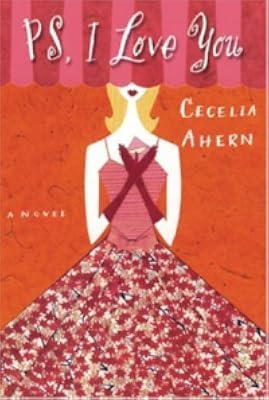
Subito salta all'occhio una strana somiglianza con Se tu mi vedessi ora, di Cecelia Ahern, giovane scrittrice irlandese, nota ai più per Ps: I love you, di recente trasportato sul grande schermo: anche in questo romanzo il protagonista è un amico immaginario che si innamora di una persona reale, e simili sono anche le show more relazioni con gli altri amici immaginari. A parte questo, Patterson crea una storia originale, che prende una direzione decisamente diversa.
Ogni bambino, per un certo periodo della sua vita, avrà certamente giocato con un amico immaginario: l'idea che queste persone non siano solo parti della propria fantasia è simpatica e rassicurante.
Le difficoltà che i protagonisti si trovano ad affrontare hanno del surreale, non solo per la presenza di Michael: Jane lavora per la madre, despotica e onnipresente; ha un fidanzato che mette al primo posto la palestra, le pubbliche relazioni e il proprio lavoro di attore, e decisamente non ha nulla del vero Micheal, personaggio che interpreta nello spettacolo della fidanzata. Vivienne è una donna forte, che sa imporsi in modo non proprio delicato e che pretende di essere la regista non solo della propria vita ma anche di quella altrui, specialmente nei riguardi della figlia.
Michael fa tenerezza: non sa bene chi sia, da dove venga, o quale sia la propria natura: sa solo di dover aspettare di venire affidato a un bambino in difficoltà, e questo deve bastargli. Incontrare nuovamente Jane porta nella sua vita un grande scompiglio, e scoprirsene innamorato lo confonderà ancora di più.
La narrazione scorre su due piani: Jane racconta in prima persona le sue dis-avventure, mentre la versione di Michael è affidata a un narratore esterno. La trovo una scelta un po' bizzarra, soprattutto perché questa terza persona parla solo di Michael e non offre una panoramica sugli altri personaggi della storia, come invece ci si potrebbe aspettare: sarebbe stato più efficace, a mio parere, far parlare in prima persona anche lui, e tutto sommato sarebbe bastato un piccolo sforzo in più, visto che i suoi capitoli sono profondi e intimi come quelli raccontati da Jane.
La storia è un incrocio tra un chick-lit, con la solita protagonista trentenne, lavoratrice, alle prese con problemi di cuore e disgrazie varie, e un romanzo rosa dei più tradizionali, con una storia d'amore dolce e romantica.
Il duo Patterson-Charbonnet sa rendere davvero speciale un racconto che potrebbe scadere nella banalità: lo stile è scorrevole e leggero, i personaggi sono ben caratterizzati e non mancano le sorprese. Consigliato a chi ama Levy, la Ahern e in generale le commedie romantiche: è un romanzo che non deluderà. show less
Subito salta all'occhio una strana somiglianza con Se tu mi vedessi ora, di Cecelia Ahern, giovane scrittrice irlandese, nota ai più per Ps: I love you, di recente trasportato sul grande schermo: anche in questo romanzo il protagonista è un amico immaginario che si innamora di una persona reale, e simili sono anche le show more relazioni con gli altri amici immaginari. A parte questo, Patterson crea una storia originale, che prende una direzione decisamente diversa.
Ogni bambino, per un certo periodo della sua vita, avrà certamente giocato con un amico immaginario: l'idea che queste persone non siano solo parti della propria fantasia è simpatica e rassicurante.
Le difficoltà che i protagonisti si trovano ad affrontare hanno del surreale, non solo per la presenza di Michael: Jane lavora per la madre, despotica e onnipresente; ha un fidanzato che mette al primo posto la palestra, le pubbliche relazioni e il proprio lavoro di attore, e decisamente non ha nulla del vero Micheal, personaggio che interpreta nello spettacolo della fidanzata. Vivienne è una donna forte, che sa imporsi in modo non proprio delicato e che pretende di essere la regista non solo della propria vita ma anche di quella altrui, specialmente nei riguardi della figlia.
Michael fa tenerezza: non sa bene chi sia, da dove venga, o quale sia la propria natura: sa solo di dover aspettare di venire affidato a un bambino in difficoltà, e questo deve bastargli. Incontrare nuovamente Jane porta nella sua vita un grande scompiglio, e scoprirsene innamorato lo confonderà ancora di più.
La narrazione scorre su due piani: Jane racconta in prima persona le sue dis-avventure, mentre la versione di Michael è affidata a un narratore esterno. La trovo una scelta un po' bizzarra, soprattutto perché questa terza persona parla solo di Michael e non offre una panoramica sugli altri personaggi della storia, come invece ci si potrebbe aspettare: sarebbe stato più efficace, a mio parere, far parlare in prima persona anche lui, e tutto sommato sarebbe bastato un piccolo sforzo in più, visto che i suoi capitoli sono profondi e intimi come quelli raccontati da Jane.
La storia è un incrocio tra un chick-lit, con la solita protagonista trentenne, lavoratrice, alle prese con problemi di cuore e disgrazie varie, e un romanzo rosa dei più tradizionali, con una storia d'amore dolce e romantica.
Il duo Patterson-Charbonnet sa rendere davvero speciale un racconto che potrebbe scadere nella banalità: lo stile è scorrevole e leggero, i personaggi sono ben caratterizzati e non mancano le sorprese. Consigliato a chi ama Levy, la Ahern e in generale le commedie romantiche: è un romanzo che non deluderà. show less
This is very different from the other books I have read from James Patterson. Very unexpected but sometimes the unexpected can turn out to be a good thing. I read the book in two evenings before bed so it definitely held my attention. Overall, it was a very nice read fun and heartwarming. The characters are warm and genuine. You will fall in love with Jane Michael and Vivienne!
Members
- Recently Added By
Lists

Read the book and saw the movie
1,170 works; 192 members

Best Time Travel Novels
165 works; 125 members

Books Read in 2012
816 works; 31 members
Author Information

899+ Works 463,878 Members
James Patterson was born in Newburgh, New York, on March 22, 1947. He graduated from Manhattan College in 1969 and received a M. A. from Vanderbilt University in 1970. His first novel, The Thomas Berryman Number, was written while he was working in a mental institution and was rejected by 26 publishers before being published and winning the Edgar show more Award for Best First Mystery. He is best known as the creator of Alex Cross, the police psychologist hero of such novels as Along Came a Spider and Kiss the Girls. Cross has been portrayed on the silver screen by Morgan Freeman. He has had eleven on his books made into movies and ranks as number 3 on the Hollywood Reporter's '25 Most Powerful Authors' 2016 list. He also writes the Women's Murder Club series, the Michael Bennett series, the Maximum Ride series, Daniel X series, the Witch and Wizard series, BookShots series, Private series, NYPD Red series, and the Middle School series for children. He has won numerous awards including the BCA Mystery Guild's Thriller of the Year, the International Thriller of the Year award, and the Reader's Digest Reader's Choice Award. James Patterson introduced the Bookshots Series in 2016 which is advertised as All Thriller No Filler. The first book in the series, Cross Kill, made the New York Times Bestseller list in June 2016. The third and fourth books, The Trial, and Little Black Dress, made the New York Times Bestseller list in July 2016. The next books in the series include, $10,000,000 Marriage Proposal, French Kiss, Hidden: A Mitchum Story (co-authored with James O. Born). and The House Husband (co-authored Duane Swierczynski). Patterson's novel, co-authored with Maxine Paetro, Woman of God, became a New York Times bestseller in 2016. Patterson co-authored with John Connoly and Tim Malloy the true crime expose Filthy Rich about billionaire convicted sex offender Jeffrey Eppstein. In January 2017, he co-authored with Ashwin Sanghi the bestseller Private Delhi. And in August 2017, he co-authored with Richard Dilallo, The Store. The Black Book is a stand-alone thriller, co-authored by James Patterson and David Ellis. In April 2018, he co-authored Texas Ranger with Andrew Bourelle. In May 2018, he co-authored Private Princess with Rees Jones. In August 2018 he co-authored Fifty Fifty with Candice Fox. (Bowker Author Biography) James Patterson is the author of seven major national bestsellers in a row. These include "Along Came a Spider", "Kiss the Girls", "Jack & Jill", "Cat & Mouse", "When the Wind Blows", "Pop Goes the Weasel", &, in paperback, "The Midnight Club". A past winner of the prestigious Edgar Award, Patterson lives in Florida. (Publisher Provided) show less
28+ Works 6,059 Members
Awards and Honors
Distinctions
Work Relationships
Is abridged in
Common Knowledge
- Original publication date
- 2008-04-29
- People/Characters
- Jane Margaux; Michael; Vivienne Margaux; Hugh McGrath; Owen Pulaski; Patty
- Important places
- Las Vegas, Nevada, USA; New York, New York, USA; Nevada, USA; Nantucket, Massachusetts, USA
- Related movies
- Sundays at Tiffany's (2010 | IMDb)
- Dedication
- When my son, Jack, was four, I had to make a trip to Los Angeles. I asked him if he was going to miss me. "Not so much," Jack told me. "You're not going to miss me?" I said. Jack shook his head, and he said, "Love means you c... (show all)an never be apart." I think that's the basis on which this story was built, and I suppose that it revolves around a belief that nothing is more important in life than giving and receiving love. At least, that has been my experience.
And so, this is for you, Jack, my wise son, with much love. And for Suzie--your mom, my best friend and wife, all in one.
And finally, for Richard DiLallo, who helped tremendously at a key point in the development of the final story.
--J.P. - First words
- Michael was running as fast as he could, running down thickly congested streets toward New York Hospital -- Jane was dying there -- when suddenly a scene from the past came to him, a dizzying rush of overpowering memor... (show all)ies that nearly knocked him out of his sneakers.
- Quotations
- I miss you already.
“So, let me get this right...the big whoop about being human is that you get to die?” - Last words
- (Click to show. Warning: May contain spoilers.)"Yite!" the little boy exclaimed.
- Blurbers
- Maslin, Janet
Classifications
Statistics
- Members
- 4,098
- Popularity
- 3,767
- Reviews
- 174
- Rating
- (3.49)
- Languages
- 7 — English, French, German, Hungarian, Italian, Lithuanian, Polish
- Media
- Paper, Audiobook, Ebook
- ISBNs
- 53
- ASINs
- 25
