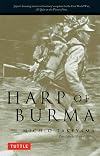
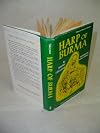
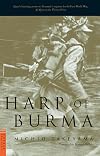
Harp of Burma
by Michio Takeyama
On This Page
Description
Harp of Burma is Japan's haunting answer to Germany's famous requiem for the First World War,All Quiet on the Western Front. Winner of the prestigious Mainichi Shuppan Bunkasho prize and the subject of an acclaimed film by Ichikawa Kon,Harp of Burma portrays a company of Japanese troops who are losing a desperate campaign against British forces in the tropical jungles of Burma. The young soldiers discover that the trials of war involve more than just opposing the enemy. The alien climate and show more terrain, the strange behavior of foreigners, the constant struggle to overcome homesickness and nostalgia, and the emotions stirred by the senselessness of war--all of these forces, new and baffling to the soldiers, contribute to their distress and disorientation. In the midst of these overwhelming challenges, they discover the power of music to make even the most severe situations tolerable--through their commander's ability to lead them in song. Even though they face the inevitability of defeat, singing the songs of their homeland revives their will to live. Through the story of these men and of the music that saw them through the war, Takeyama presents thought-provoking questions about political hostilities and the men who unleash them.Harp of Burma is Japan's classic novel of pathos and compassion in the midst of senseless warfare. Harp of Burma was made into a critically acclaimed movie (The Burmese Harp) by the celebrated director Ichikawa Kon. show lessTags
Recommendations











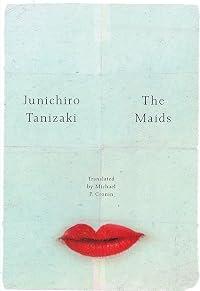
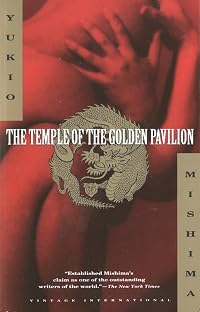

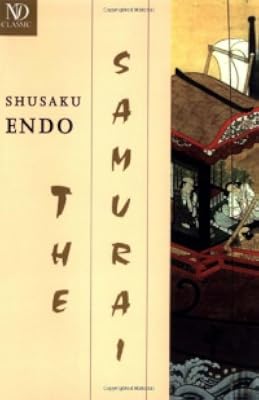
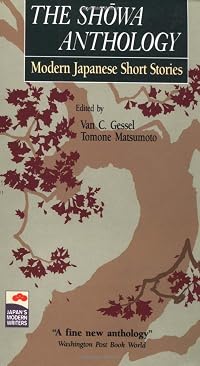



Member Recommendations
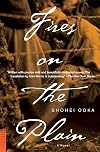
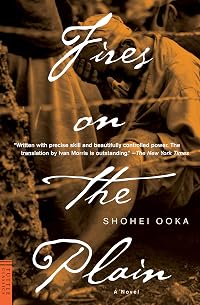
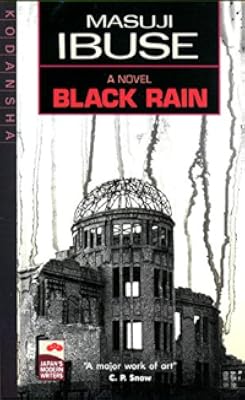
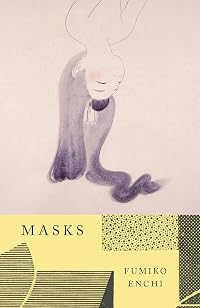
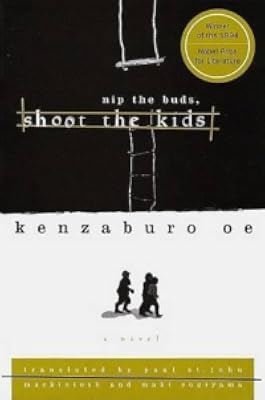
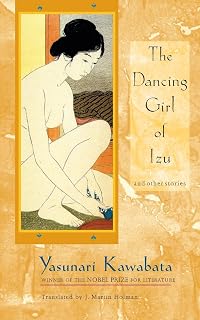
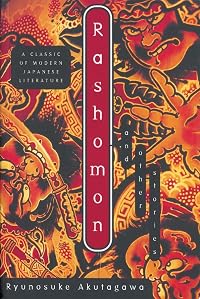
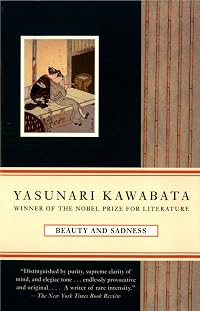
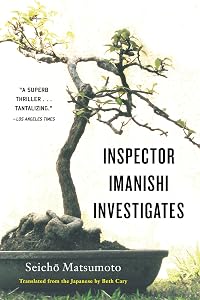
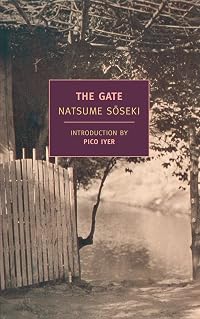
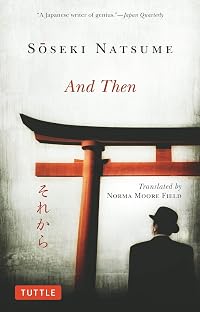
lilisin This is the book that "Harp of Burma" wishes it was. Similar themes but Harp has a greater sense of hope while Fires definitely focuses more on the despair of its characters.
Member Reviews
The beautifully written Harp of Burma by Michio Takeyama is the haunting story of a Japanese unit during and after the end of World War II. At the time of it’s original publication it was seen by some as blatant propaganda, but over the years has come to be accepted as a lyrical message about the futility and despair that is always the final result of war. The story is of a Japanese unit deep in the jungles of Burma striving to reach their lines but knowing full well that the war has been lost. After surrendering to the British they sit in prison camp awaiting repatriation and they ponder on the fate of the talented harpist of the unit, missing from his last mission. Is he dead or has he deserted, and if so, why.
The author is showing show more us a different side of the Japanese soldier, one that we Westerners rarely see. These are young men facing the inevitability of defeat, not knowing what to expect if and when they are returned to their homeland. They miss the comfort and security of their families and hearing about the atomic bomb has brought great unease and uncertainty about their future.
The Harp of Burma is a small story in terms of pages, but manages to deliver a large message on idealistic pacifism. I found this story to have a surreal, dreamlike quality and, although simplistic and somewhat dated, I believe this story still has emotional value in today’s world. show less
The author is showing show more us a different side of the Japanese soldier, one that we Westerners rarely see. These are young men facing the inevitability of defeat, not knowing what to expect if and when they are returned to their homeland. They miss the comfort and security of their families and hearing about the atomic bomb has brought great unease and uncertainty about their future.
The Harp of Burma is a small story in terms of pages, but manages to deliver a large message on idealistic pacifism. I found this story to have a surreal, dreamlike quality and, although simplistic and somewhat dated, I believe this story still has emotional value in today’s world. show less
Read this on the plane coming back from Japan as I've been meaning to read it for quite a while. It takes place during the Japanese occupation of Burma during WWII and reflects on a troop as they try to keep hope alive through music and their refusal to leave a man behind. It's a good story but I can't help but compare it to [Fires on the Plain] which this book simply cannot compete against. Some of the primary differences:
Fires:
Focuses on despair
Focuses on a single soldier and his struggles
Struggle to keep humanity alive
Harp:
Focuses on hope
Focuses on an entire troop and their struggles
Struggle to leave their humanity and compassion behind
Both books reflected on the struggles of the individual versus society but in slightly different show more ways. Harp's main concept is the comparison of Burma's way of living versus Japan and which is more correct. A highly civilized advanced society based on military teaching versus a society that sacrifices advancement based on religious training for the sake of a strong sense of religion and community.
"We Japanese have not cared to make strenuous spiritual efforts. We have not even recognized their value. What we stressed was merely a man's abilities, the things he could do -- not what kind of a man he was, how he lived, or the depth of his understanding. Of perfection as a human being, of humility, stoicism, holiness, the capacity to gain salvation and to help others toward it -- of all these virtues we were left ignorant."
It is believed that Japan has lost its moral sense out of greed and that's why they came to lose the war. Men forgot their own independent way of thinking to become patriotic and to conglomerate themselves to a greater sense of unity. But one can't go anywhere with such a group mentality.
This passage along with another debate between two soldiers at the beginning of the book (pg. 46 in the standard copy) are certainly the strongest parts of the book. Although the story of Mizushima is quite heartfelt and admirable.
Overall, a pleasant read but nothing compared to Fires. show less
Fires:
Focuses on despair
Focuses on a single soldier and his struggles
Struggle to keep humanity alive
Harp:
Focuses on hope
Focuses on an entire troop and their struggles
Struggle to leave their humanity and compassion behind
Both books reflected on the struggles of the individual versus society but in slightly different show more ways. Harp's main concept is the comparison of Burma's way of living versus Japan and which is more correct. A highly civilized advanced society based on military teaching versus a society that sacrifices advancement based on religious training for the sake of a strong sense of religion and community.
"We Japanese have not cared to make strenuous spiritual efforts. We have not even recognized their value. What we stressed was merely a man's abilities, the things he could do -- not what kind of a man he was, how he lived, or the depth of his understanding. Of perfection as a human being, of humility, stoicism, holiness, the capacity to gain salvation and to help others toward it -- of all these virtues we were left ignorant."
It is believed that Japan has lost its moral sense out of greed and that's why they came to lose the war. Men forgot their own independent way of thinking to become patriotic and to conglomerate themselves to a greater sense of unity. But one can't go anywhere with such a group mentality.
This passage along with another debate between two soldiers at the beginning of the book (pg. 46 in the standard copy) are certainly the strongest parts of the book. Although the story of Mizushima is quite heartfelt and admirable.
Overall, a pleasant read but nothing compared to Fires. show less
Originally written in 1946, Harp of Burma shows its age just a little bit in some of its stereotypes. And, Takeyama's teaching a moral lesson in the book, so it gets a bit heavy/didactic in a few parts. I think it was originally written for teens, so it's a bit more overt in the message too, rather than being more subtle. Even so, I'm glad I read it as I can imagine it was probably revolutionary in Japan for the time it was written (being more open-minded about the Burmese people & those from other nations too; some examination of what was wrong with Japan's thinking/moral code during WWII). Quick & interesting read that gives a different WWII perspective. Would be a great addition to any collection or assignment of WWII reading.
Ratings
Members
- Recently Added By
Lists

A Novel Cure
742 works; 23 members
Author Information

Some Editions
Awards and Honors
Awards
Series
Belongs to Publisher Series
Common Knowledge
- Canonical title
- Harp of Burma
- Original title
- Biruma no Tategoto
- Alternate titles
- The Burmese Harp
- Original publication date
- 1946
- People/Characters
- Mizushima Yasuhiko
- Important places
- Burma
- Important events
- World War II
- Related movies
- Biruma no tategoto (1956 | IMDb); Biruma no tategoto (1985 | IMDb); Seishun anime zenshû (1986 | IMDb)
- First words
- Our Japanese soldiers who came back from overseas were a pitiful sight.
- Last words
- (Click to show. Warning: May contain spoilers.)Morning and evening we gazed into the clouds ahead of us, wondering how soon we would see Japan.
- Original language
- Japanese
- Disambiguation notice
- English translator: Howard Hibbett
Classifications
- Genres
- Fiction and Literature, General Fiction, Historical Fiction
- DDC/MDS
- 895 — Literature & rhetoric Literatures of other languages Literatures of East and Southeast Asia
- LCC
- PZ3 .T14115 .H — Language and Literature Fiction and juvenile belles lettres Fiction and juvenile belles lettres Fiction in English
- BISAC
Statistics
- Members
- 183
- Popularity
- 179,007
- Reviews
- 3
- Rating
- (3.64)
- Languages
- 5 — English, French, Japanese, Spanish, Swedish
- Media
- Paper, Ebook
- ISBNs
- 8
- ASINs
- 3