On This Page
Description
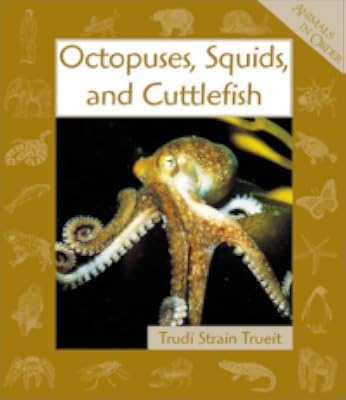
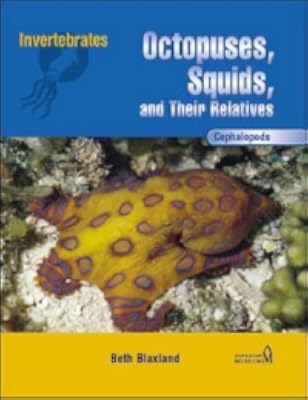
Describes the traits and classification of the aquatic mammals called coleoids, a subgroup of the cephalopods, with an emphasis on different kinds of octopuses, squids, and cuttlefish.Tags
Recommendations




















Member Reviews
This is a fine starter series for kids interested studying different animals. Octopuses, Squids, and Cuttlefish is our most recent adventure with the wonderful and interesting Animals in Order series...what can I say, my kids just can't get enough of these! What I like about this series is that it takes time at the beginning of each book to look at (briefly) what makes an animal a coleoid, specifically getting into what traits exactly make an animal a coleoid. The book then goes into the "order" of living things which details the kingdom, phylum and class , order, family and species (with a handy visual chart for reference, great for younger kids, so they can SEE how it works rather than just read it or have it read to them). This is show more one of the better features of this series and the exact same text in this particular section appears in every book in the series. Next the text goes specifically into where coleoids fit into animal kingdom, breaking it down (in words and pictures again) to kingdom (animal), phylum (mollusk), class (cephalopoda) and order (coleoids). In this section we learn that there are seven classes of mollusks, one of which is the coleoids.
Octopuses, Squids, and Cuttlefish goes from there into an overview of fourteen species, this section includes Family, Common Example, Genus and Species and Size for each coleoid discussed and each animal is given one full page for written description and one full page COLOR photo...excellent for fully engaging the reader! Coleoids included here are the Common Octopus, the Pacific Red Octopus, California Market Squid, Vampire Squid, and the European Common Cuttlefish!
Overall, a fantastic way to introduce various types of coleoids to your curious young reader! What you get in Octopuses, Squids, and Cuttlefish is an excellent overview of cross section of types of coleoids. As always with this series, I was pleased to find that at the end of the book the author/publisher also included a short recommended reading list and some really great web pages to do more research on...the kids in particular LOVED this! The books in this series would make a wonderful addition to a classroom library or as gifts for your favorite young reader who has a passion for animals; the information here is scientifically presented, accented with wonderful color photos and is both interesting and informative! show less
Octopuses, Squids, and Cuttlefish goes from there into an overview of fourteen species, this section includes Family, Common Example, Genus and Species and Size for each coleoid discussed and each animal is given one full page for written description and one full page COLOR photo...excellent for fully engaging the reader! Coleoids included here are the Common Octopus, the Pacific Red Octopus, California Market Squid, Vampire Squid, and the European Common Cuttlefish!
Overall, a fantastic way to introduce various types of coleoids to your curious young reader! What you get in Octopuses, Squids, and Cuttlefish is an excellent overview of cross section of types of coleoids. As always with this series, I was pleased to find that at the end of the book the author/publisher also included a short recommended reading list and some really great web pages to do more research on...the kids in particular LOVED this! The books in this series would make a wonderful addition to a classroom library or as gifts for your favorite young reader who has a passion for animals; the information here is scientifically presented, accented with wonderful color photos and is both interesting and informative! show less
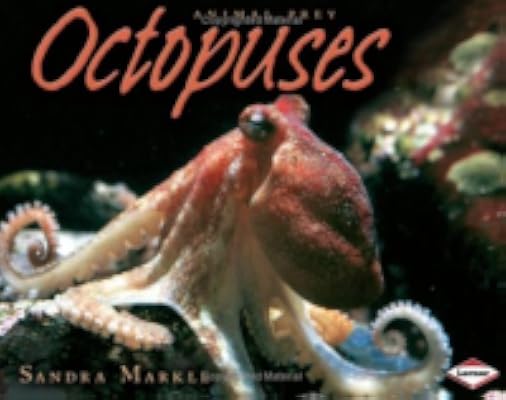
This book discussed the similarities and differences between octopuses, squids, and cuttlefish. I actually liked this book. The first reason I liked it was because the pictures in this book were actual photos of the animals, and it gave me as the reader a glimpse of how the animals would look in the ocean. The color's shown on the octopuses where very extravagant, for example one of them was yellow and blue. It is amazing to be able to see that one animal type can have different shades of colors and sizes just like people.
The second reason I liked this book was because I gave a small information box at the tops of the pages. This box told the name of the animal, the family, a common example, the genus and species, the size, and the show more location. I thought this information box was good to incorporate because it summarizes a lot of some basic information that I was able to refer back to. Plus, this information box described the animals in the pictures on those pages, and it helped me to put it into perspective as well as visualize it. show less
The second reason I liked this book was because I gave a small information box at the tops of the pages. This box told the name of the animal, the family, a common example, the genus and species, the size, and the show more location. I thought this information box was good to incorporate because it summarizes a lot of some basic information that I was able to refer back to. Plus, this information box described the animals in the pictures on those pages, and it helped me to put it into perspective as well as visualize it. show less
Members
- Recently Added By
Author Information

135+ Works 3,282 Members
Series

Common Knowledge
- Canonical title
- Octopuses, Squids, and Cuttlefish
Classifications
Statistics
- Members
- 101
- Popularity
- 320,131
- Reviews
- 2
- Rating
- (3.00)
- Languages
- English
- Media
- Paper
- ISBNs
- 3