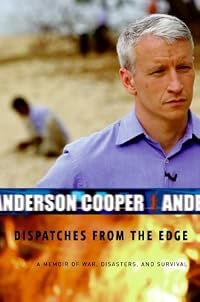
Dispatches from the Edge: A Memoir of War, Disasters, and Survival
by Anderson Cooper
On This Page
Description
From one of America's leading reporters comes a deeply personal, extraordinarily powerful look at the most volatile crises he has witnessed around the world, from New Orleans to Baghdad and beyond.Dispatches from the Edge of the World is a book that gives us a rare up-close glimpse of what happens when the normal order of things is suddenly turned upside down, whether it's a natural disaster, a civil war, or a heated political battle. Over the last year, few people have witnessed more show more scenes of chaos and conflict than Anderson Cooper, whose groundbreaking coverage on CNN has become the touchstone of twenty-first century journalism. This book explores in a very personal way the most important - and most dangerous - crises of our time, and the surprising impact they have had on his life.
From the devastating tsunami in South Asia to the suffering Niger, and ultimately Hurricane Katrina in New Orleans, Cooper shares his own experiences of traversing the globe, covering the world's most astonishing stories. As a television journalist, he has the gift of speaking with an emotional directness that cuts through the barriers of the medium. In his first book, that passion communicates itself through a rich fabric of memoir and reportage, reflection and first-person narrative. Unflinching and utterly engrossing, this is the story of an extraordinary year in a reporter's life.
. show less
Tags
Recommendations









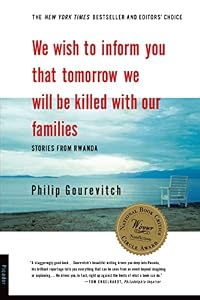
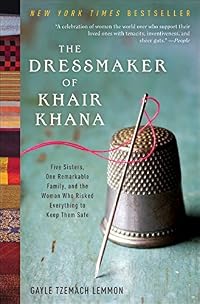
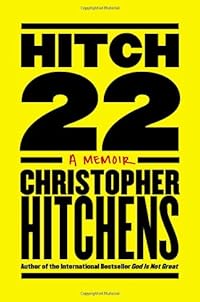
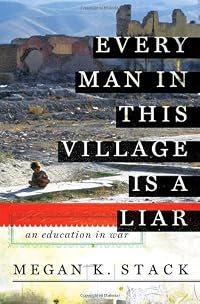



Member Reviews
It is expected now for any member of the political beltway or those who report on it (and other daily news events) to grace the shelves of our local bookstores (or the front page of our eBook apps) with a tell-all/biography/memoir. Most are pushed on them by overzealous managers and agents trying desperately to cash in on their popularity with various demographics, but every now and again one journal will come to fruition from a much more real and meaningful purpose.
Dispatches From The Edge: A Memoir of War, Disaster, and Survival is a touching remembrance from CNN superstar Anderson Cooper. Covering portions of his childhood and the darker moments of his youth, it also details heart-wrenching details of his reporting on Hurricane show more Katrina and the wars in the Middle East. Filled with honest and frank recollections from not only the front lines of some of our most recent calamities, Cooper also pushes his investigations internally to find out what drives him to consistently drop himself into some of the worst places on Earth.
The first thing that grabbed me about this book was the random similarities I didn’t expect to share with Anderson Cooper. His father passed away when he was ten years old, mine when I was five. It had a dramatic effect on each of our lives. He mentions his inability to fully process the emotional impact of that event, and the later suicide of his older brother, as key reasons for his apparent addiction to placing himself in the literal and psychological cross-hairs of the worst spots in the world.
Some of the most interesting parts, including those about his personal life, are when Cooper reveals many of the things he saw that never made the news, things deemed unworthy of CNN coverage. One scene talks about when he was in the Middle East passing out over 200 gallons of water to locals with the help of our armed forces. No one died that day, no IEDs went off, so no one ever heard about it. Cooper sadly admits the old adage that still holds sway over all news coverage, “If it bleeds, it leads.” Another story mentions gruesome and horrific details about the aftermath of Hurricane Katrina. The utter lawlessness committed not only by the locals taking advantage of the chaos, but law enforcement personnel who devolved just as much into primitive gangs of roving warlords. Some of those stories were snuffed out early on because it was deemed too dangerous in risking a possible backlash against all authority, which very well could have happened, but it doesn’t make the reality of it any easier to swallow.
Cooper also eloquently covers his tenuous balancing act between being an unbiased reporter and an opinionated celebrity. Once he made it out the other end of some incredibly dangerous job hunting tactics, landing in the spotlight of CNN forever altered his ability to reach millions of people and also his struggle to keep his sanity. He now was given access to people and events ranging from awe-inspiring to nightmare-inducing. With great skill and strain he has always come from those places knowing he had to wrap those images into a coherent story meant to inform, educate and enhance the world discussion. The Achilles heel for any reporter is to somehow deliver that information without bias and political overtones, which Cooper has managed to do time and time again, making him one of the most respected in the business.
In the last couple of years, Cooper has begun to step out of the middle ground and reposition himself as a true fact finder in a much more aggressive sense. Under the moniker, “Keeping Them Honest”, Cooper began bringing on politicians and other notable news makers when he felt something they were preaching about was demonstrably false. No longer fulfilled by calmly reporting the facts to his audience, Cooper decided to drive the falsehoods out into the light during live interviews. The only down side is if he brings on someone from the right side of the political spectrum and corrects them, Cooper becomes labeled a liberal activist, and if the guest is more left leaning, Cooper becomes labeled a political tool for the right. It seems like a no-win situation for him, but he is taking it in stride, sticking to what he believes is meaningful for people to know and that is what keeps him cemented as one of the best in the industry. Dispatches tries to ride that thin line as well, pointing out the inequities in the reporting that most of the country saw, while not coming down as an outright attack on the media as a whole. show less
Dispatches From The Edge: A Memoir of War, Disaster, and Survival is a touching remembrance from CNN superstar Anderson Cooper. Covering portions of his childhood and the darker moments of his youth, it also details heart-wrenching details of his reporting on Hurricane show more Katrina and the wars in the Middle East. Filled with honest and frank recollections from not only the front lines of some of our most recent calamities, Cooper also pushes his investigations internally to find out what drives him to consistently drop himself into some of the worst places on Earth.
The first thing that grabbed me about this book was the random similarities I didn’t expect to share with Anderson Cooper. His father passed away when he was ten years old, mine when I was five. It had a dramatic effect on each of our lives. He mentions his inability to fully process the emotional impact of that event, and the later suicide of his older brother, as key reasons for his apparent addiction to placing himself in the literal and psychological cross-hairs of the worst spots in the world.
Some of the most interesting parts, including those about his personal life, are when Cooper reveals many of the things he saw that never made the news, things deemed unworthy of CNN coverage. One scene talks about when he was in the Middle East passing out over 200 gallons of water to locals with the help of our armed forces. No one died that day, no IEDs went off, so no one ever heard about it. Cooper sadly admits the old adage that still holds sway over all news coverage, “If it bleeds, it leads.” Another story mentions gruesome and horrific details about the aftermath of Hurricane Katrina. The utter lawlessness committed not only by the locals taking advantage of the chaos, but law enforcement personnel who devolved just as much into primitive gangs of roving warlords. Some of those stories were snuffed out early on because it was deemed too dangerous in risking a possible backlash against all authority, which very well could have happened, but it doesn’t make the reality of it any easier to swallow.
Cooper also eloquently covers his tenuous balancing act between being an unbiased reporter and an opinionated celebrity. Once he made it out the other end of some incredibly dangerous job hunting tactics, landing in the spotlight of CNN forever altered his ability to reach millions of people and also his struggle to keep his sanity. He now was given access to people and events ranging from awe-inspiring to nightmare-inducing. With great skill and strain he has always come from those places knowing he had to wrap those images into a coherent story meant to inform, educate and enhance the world discussion. The Achilles heel for any reporter is to somehow deliver that information without bias and political overtones, which Cooper has managed to do time and time again, making him one of the most respected in the business.
In the last couple of years, Cooper has begun to step out of the middle ground and reposition himself as a true fact finder in a much more aggressive sense. Under the moniker, “Keeping Them Honest”, Cooper began bringing on politicians and other notable news makers when he felt something they were preaching about was demonstrably false. No longer fulfilled by calmly reporting the facts to his audience, Cooper decided to drive the falsehoods out into the light during live interviews. The only down side is if he brings on someone from the right side of the political spectrum and corrects them, Cooper becomes labeled a liberal activist, and if the guest is more left leaning, Cooper becomes labeled a political tool for the right. It seems like a no-win situation for him, but he is taking it in stride, sticking to what he believes is meaningful for people to know and that is what keeps him cemented as one of the best in the industry. Dispatches tries to ride that thin line as well, pointing out the inequities in the reporting that most of the country saw, while not coming down as an outright attack on the media as a whole. show less
I WAS TEN WHEN my father died, and before that moment, that slap of silence that reset the clock, I can’t remember much. There are some things, of course—fractals, shards of memory, sharp as broken glass.
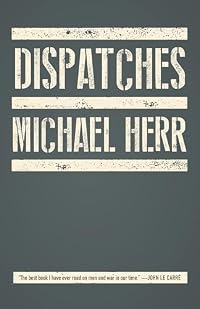
Cooper is giving us Dispatches from the Ego of Anderson Cooper, but. He has the experience to do a Dispatches like that by by Michael Herr, but falls woefully short shirking behind poetic metaphor like the above and such statement that sound deep, but really are shallow:
Nothing was certain, but everything was clear.
Well, like he says, he has no feeling:
The more you’ve seen, the more it takes to make you see. The more it takes to affect you. That is why you’re there, after all—to be affected. To be changed. In Somalia, I’dshow more
started off searching for feeling.
These are my honest assessments, and it feels harsh to criticise Anderson at all sense he is laying bare ins inability to articulate his need to individuate aware from his mother Gloria Vanderbilt's NYC posh background, his father's Southern family values while dealing with his brother's suicide and diving past the who, what, when, where or reportage to confront the most difficult: why.
This book touches on a tsunami in Ceylon, war in Iraq, Katrina, and more. This audiobook edition includes an interview with Cooper. show less
In a poignant hybrid of documentary reporting and memoir, Cooper's work explores the events that led him to his current path, his motivations, and a few of the disasters and events which have left the most lasting impressions on his life and his reporting. With about half of the book focused in on his time in New Orleans post-Katrina, other portions of the book explore his own past and questions of grief, the 2006 tsunami, and his time covering wars in Sarajevo and Iraq in particular. Cooper's style is conversational and reflective, and he moves smoothly between issues of politics, personal development, and basic history/reporting. As serious as the book is, though, there's also quite a bit of hope to be found in the anecdotes and show more struggles Cooper focuses in on. In the end, the work is many things, and can't really be called either a memoir or a full work of journalism--it can, however, be called both necessary and worthwhile. Absolutely recommended. show less
Read this cover to cover. Heartbreaking and epic in Anderson's quest to feel for humanity again and for himself after the horrors he has witnessed as a reporter in some of the most dangerous and ravaged places on earth. Combining his take on such horrific events as Katrina and the Indonesia tsunami along with the painful road he took with his father's and brother's death, is achingly human. Have read it 3x and the impact remains the same.
A thought-provoking memoir that makes the reader revisit some of our more recent news stories. Cooper comes off a bit bristly and cold, an admitted junkie for the life of foreign correspondent. I'm not sure how much I'd actually enjoy his company in real life, but the stories he shares in this book, as well as his account of his personal dealings with them, make a good read.
Unlike most reporters, Cooper doesn't write from a detached position that provides a dry generic account. By blending in his personal story the entire book becomes more interesting and the reader gets to know the writer, his motivation. The result is an engrossing book written from the heart by someone who can empathize with those facing disaster.
Interesting and well written memoir of the years Anderson Cooper spent grieving for his brother and father while covering some of the most tragic and dangerous news stories in the world. His father had died when Anderson was 7 or 8 and his brother committed suicide at 24 (when Anderson was 20). Anderson feared that he, too, would develop suicidal tendencies, and spoke about how he kept moving in order to keep the fears at bay. I found it amazing that it never occurred to him that in putting himself so much at risk to get these stories every day that he was, in essence, trying to commit suicide without actually pulling the trigger himself. I found Anderson to be very sympathetic and empathetic, as well as intelligent.
Members
- Recently Added By
Author Information

5+ Works 3,719 Members
Anderson Hays Cooper was born on June 3, 1967 in New York City. He is an American journalist, author, and television personality. He is the primary anchor of the CNN news show Anderson Cooper 360° and a major correspondent for 60 minutes. Cooper attended Yale University and graduated with a B. A. in political science in 1989. He later decided to show more pursue a career in journalism. He began his news career as a fact checker at Channel One but soon worked his way up to reporter by selling his home-made news segments. In 1995, Cooper became a correspondent for ABC News, eventually rising to the position of co-anchor on its overnight World News Now program on September 21, 1999. In 2000 he switched career paths, taking a job as the host of ABC's reality show The Mole. Cooper left The Mole after its second season to return to broadcast news. In 2001, he joined CNN. His first position at CNN was to anchor alongside Paula Zahn on American Morning. In 2002, he became CNN's weekend prime-time anchor. On September 8, 2003, he was made anchor of Anderson Cooper 360°. He has earned several Emmy Awards and a National Headliner Award for his news reporting. (Bowker Author Biography) show less
Awards and Honors
Awards
Distinctions
Common Knowledge
- Original publication date
- 2006
- People/Characters
- Gloria Morgan Vanderbilt
- Important events
- Hurricane Katrina
- Dedication
- To my mom and dad, and the spark of recognition that brought them together.
- First words
- I was ten when my father died, and before that moment, that slap of silence that reset the clock, I can't remember much.
- Last words
- (Click to show. Warning: May contain spoilers.)Their stories are remembered, their spirits embraced.
Classifications
- Genres
- Biography & Memoir, General Nonfiction, Nonfiction, History
- DDC/MDS
- 070.92 — Computer science, information & general works News media, journalism & publishing Documentary media, educational media, news media; journalism; publishing Biography And History Biographies
- LCC
- PN4874 .C683 .A3 — Language and Literature Literature (General) Literature (General) Journalism. The periodical press, etc. By region or country
- BISAC
Statistics
- Members
- 1,557
- Popularity
- 14,604
- Reviews
- 41
- Rating
- (3.88)
- Languages
- Chinese, English
- Media
- Paper, Audiobook, Ebook
- ISBNs
- 16
- UPCs
- 1
- ASINs
- 14