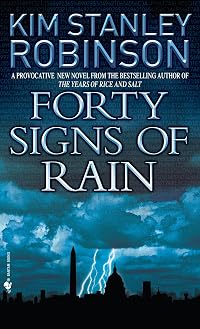
On This Page
Description
The bestselling author of the classic Mars trilogy and The Years of Rice and Salt presents a riveting new trilogy of cutting-edge science, international politics, and the real-life ramifications of global warming as they are played out in our nation’s capital—and in the daily lives of those at the center of the action. Hauntingly yet humorously realistic, here is a novel of the near future that is inspired by scientific facts already making headlines.When the Arctic ice pack was first show more measured in the 1950s, it averaged thirty feet thick in midwinter. By the end of the century it was down to fifteen. One August the ice broke.
The next year the breakup started in July. The third year it began in May.
That was last year.
It’s a muggy summer in Washington, D.C., as Senate environmental staffer Charlie Quibler and his scientist wife, Anna, work to call attention to the growing crisis of global warming. But as these everyday heroes fight to align the awesome forces of nature with the extraordinary march of technology, fate puts an unusual twist on their efforts—one that will place them at the heart of an unavoidable storm. show less
Tags
Recommendations
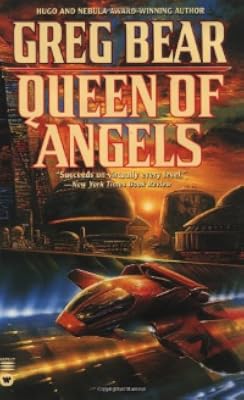
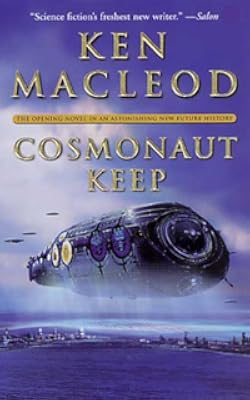

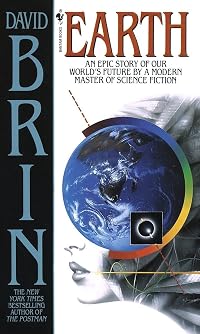

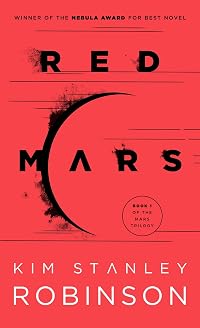
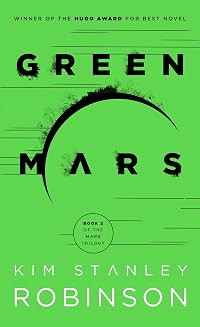
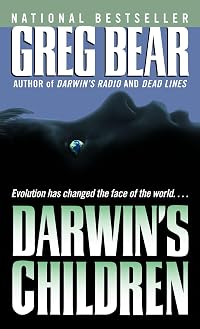
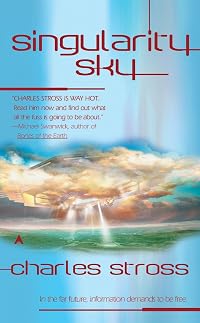
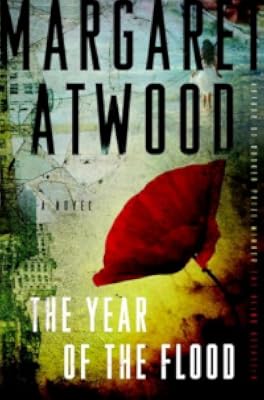
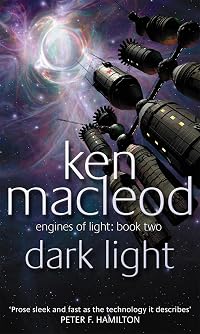
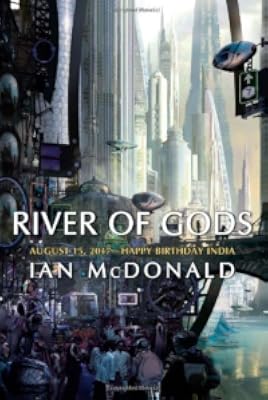
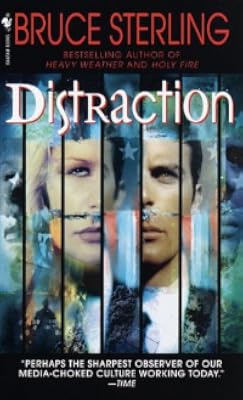
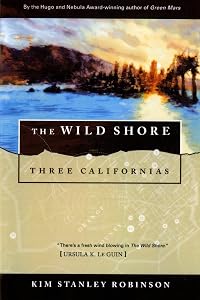
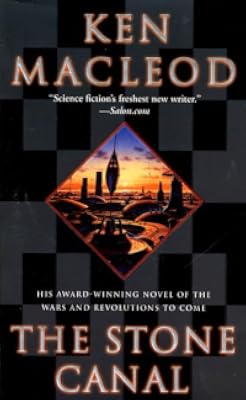
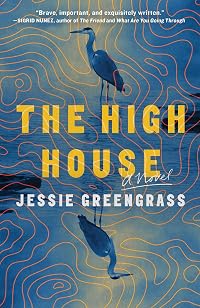

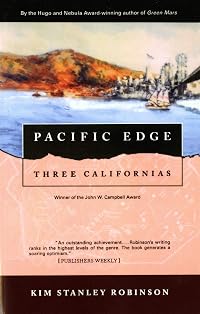
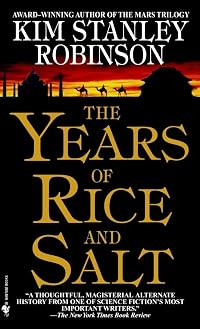
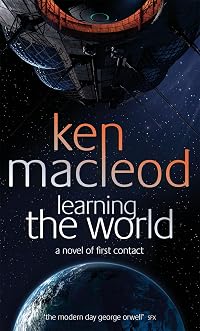
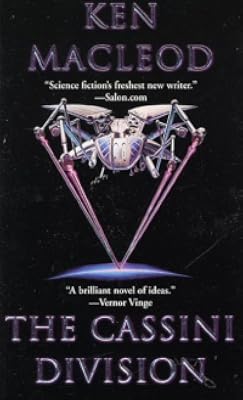
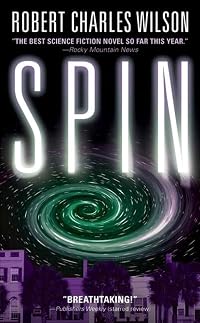
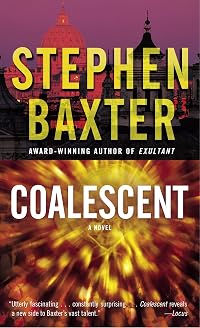

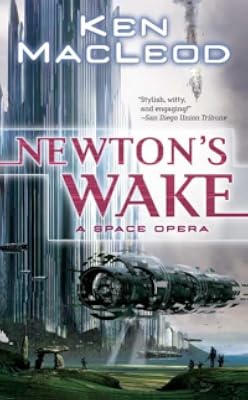
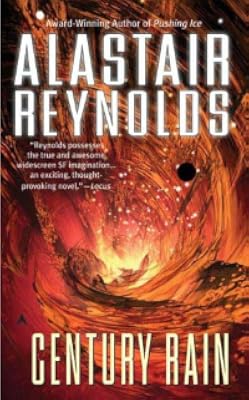
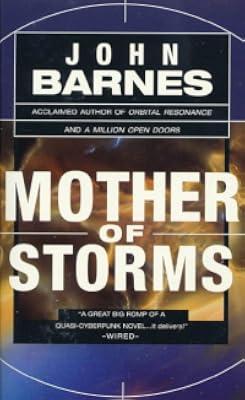
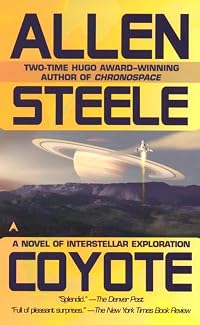

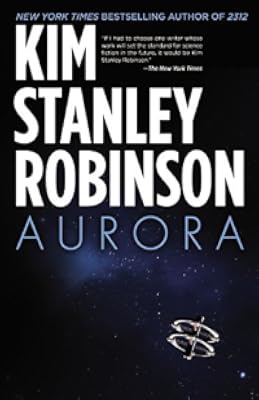
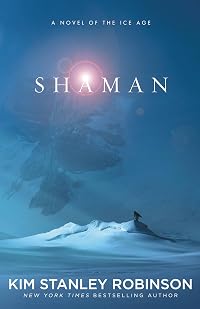
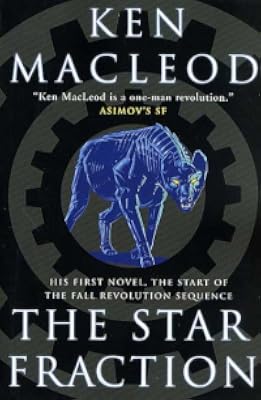
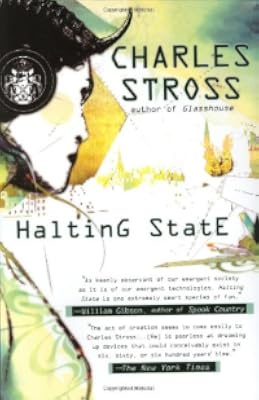
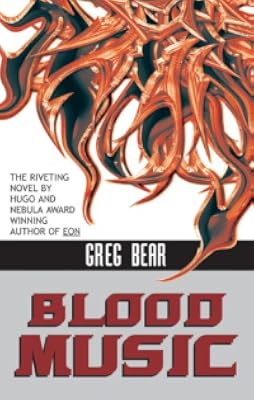
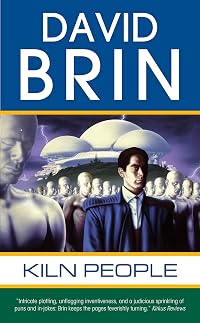
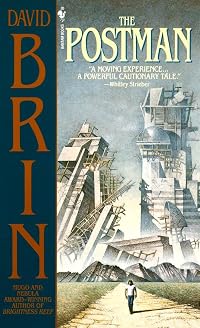
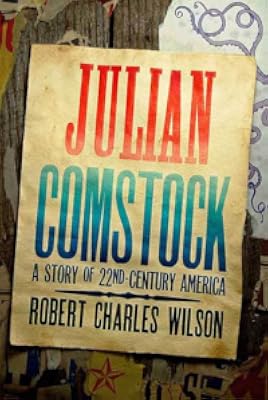
Member Recommendations
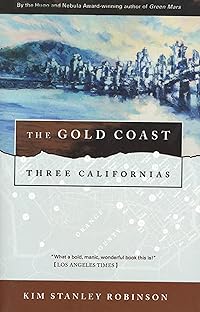
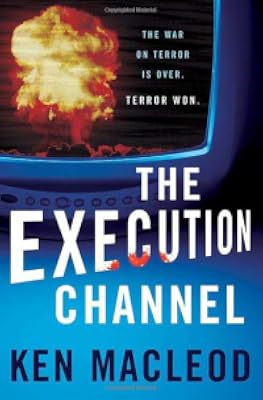
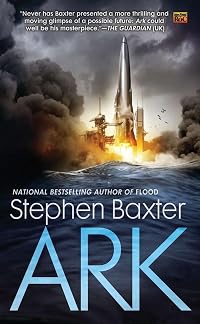
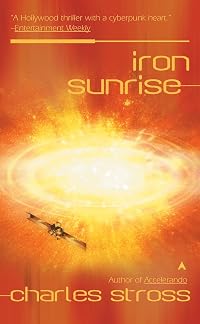
PghDragonMan We know the climate is changing, but which way? These books take opposite viewpoints.
Member Reviews
Forty Signs of Rain is possibly the weakest novel I've read from Kim Stanley Robinson. It's particularly frustrating because I don't understand why this needed to be a novel at all.
It's clear that the story here is just an excuse for Mr. Robinson to explore issues of climate change, the role of politics in science, and public vs. private science. These are important concerns and Mr. Robinson is a crusader for related causes.
Forty Signs of Rain is frustrating because the story gets in the way of what he has to say about these matters. I would much rather read a long-form essay or a series of op-ed pieces from Mr. Robinson on these topics. I think his criticisms, insights, experience, and hopes would all come across more clearly and show more powerfully.
He didn't need to write a novel to talk about these things.
If he had to write a novel to explore these issues, this one needed a lot more time in development. The plot is a flimsy veneer, with no real momentum or through-line. The characters are rough sketches, at best, with no depth and little actual personality. Mr. Robinson uses them to function mostly as mouthpieces for his ideas. Given the non-existence of a cohesive plot, these characters have little of substance to do to show their personalities.
Perhaps I should read the other two novels in the Science in the Capital series before judging the narrative too harshly. But Forty Signs of Rain is the one that kicks off the trilogy and it reads like a rough draft. It simply shouldn't be a complete and published novel in this state.
As voice in our cultural conversations about the environment, science, and politics, Mr. Robinson is important. He deserves a far stronger platform than he gave himself with this book. show less
It's clear that the story here is just an excuse for Mr. Robinson to explore issues of climate change, the role of politics in science, and public vs. private science. These are important concerns and Mr. Robinson is a crusader for related causes.
Forty Signs of Rain is frustrating because the story gets in the way of what he has to say about these matters. I would much rather read a long-form essay or a series of op-ed pieces from Mr. Robinson on these topics. I think his criticisms, insights, experience, and hopes would all come across more clearly and show more powerfully.
He didn't need to write a novel to talk about these things.
If he had to write a novel to explore these issues, this one needed a lot more time in development. The plot is a flimsy veneer, with no real momentum or through-line. The characters are rough sketches, at best, with no depth and little actual personality. Mr. Robinson uses them to function mostly as mouthpieces for his ideas. Given the non-existence of a cohesive plot, these characters have little of substance to do to show their personalities.
Perhaps I should read the other two novels in the Science in the Capital series before judging the narrative too harshly. But Forty Signs of Rain is the one that kicks off the trilogy and it reads like a rough draft. It simply shouldn't be a complete and published novel in this state.
As voice in our cultural conversations about the environment, science, and politics, Mr. Robinson is important. He deserves a far stronger platform than he gave himself with this book. show less
First, KSR has this ability to make me hate his writing style so much that I want to chuck his books out my window. He's long winded in the science and the internal dialogue and short winded in the relationships and people interactions. Then, he will go for stretches where you get long winded dialog or minute detail of a person's life and nearly none of the science. It's like riding with Mario Andretti in rush hour traffic -- speed stop speed LEFT speed RIGHT speed stop RIGHT speed LEFT speed RIGHT stop. In fact, it reminds me of riding in my vanpool in the worst traffic on the worst roads.
Second, KSR DOES have the ability to suck me in. I want to know more about some of his characters. I'd like to throttle some of his other characters. show more It's a little too much like real life sometimes when I find myself wondering what such and such character would do or say about some real event in my life. It's disturbing and compelling.
Third (and final), KSR has this need to info dump. It's like getting hit with a fire hose and a waterfall. There's so much he wants you to know. I don't know if he wants to show how much he knows/researches or if he really wants to impart his information to you...engage you, so to speak.
I'm left liking this book; and wanting to know more...but resenting that both. show less
Second, KSR DOES have the ability to suck me in. I want to know more about some of his characters. I'd like to throttle some of his other characters. show more It's a little too much like real life sometimes when I find myself wondering what such and such character would do or say about some real event in my life. It's disturbing and compelling.
Third (and final), KSR has this need to info dump. It's like getting hit with a fire hose and a waterfall. There's so much he wants you to know. I don't know if he wants to show how much he knows/researches or if he really wants to impart his information to you...engage you, so to speak.
I'm left liking this book; and wanting to know more...but resenting that both. show less
near future: first of a trilogy. starts a bit slow: a lot of the book is setup for the trilogy, making me wonder if it wouldn't have been better to make two books out of that rather than three. anyone expecting a thriller, an elaborate plot, or an absence of scientific concepts will be disappointed, but that's usual with Robinson: he's a writer of many layers and complex personalities, who writes people the reader can care about from the inside out, and he's also amazing for boiling down a whole lot of science so that it never seems incomprehensible, or imposed on the narrative. ultimately the characters are memorable, and so are the problems (mostly scientific and political) they are trying to solve. and that's a whole lot harder than show more it looks. i come to his books for their ideas, become engrossed in his situations, fall to the charms of his characters, and always recommend him. show less
I might not have enjoyed it as much if I hadn't read some reviews of it first. It's the first book of a trilogy, and if you're familiar with Kim Stanley Robinson you know how he can get a little .. um .. detailed .... and beat you over the head with the point he's trying to make with the science. This first book has very little happen until close to the end of the book, but it sets things up and has lots of sciency talk which I enjoyed.
A good solid read, first published in 2004 and seemingly to be set around the same time, it is now somewhat out-of-date but no worse for that. Charlie works for the only senator that cares about the envionment, his partner Anna works for a science foundation based in Washington. Their home life and working life are described in detail and you get a sense of these characters. The build up to the catastrophe is subdued but well drawn when we got there, although a better sense of the geography of Washington would have helped. Meanwhile in San Diego the cliffs are falling in to the sea in chunks, we visit briefly and then back to Washington. There is humanity and humour in bucketfuls and some science.
This is a well-written, straight-ahead novel about a possible near future of global environmental catastrophe. There are times when it feels like the author is hitting you over the head with a two-by-four of science facts. But these can be excused because they are relevant and interesting.
The characters are well-drawn, charming, and down-to-earth. The author even manages to draw the Bush-like President in a likable, if not flattering way. The settings are mundane, yet evocative. The reader is always present in the places and the weather becomes another character.
The ending of this book is really the set-up for the next book, which makes it a bit unsatisfying. But I will definitely read the next two volumes to see where the story takes me.
The characters are well-drawn, charming, and down-to-earth. The author even manages to draw the Bush-like President in a likable, if not flattering way. The settings are mundane, yet evocative. The reader is always present in the places and the weather becomes another character.
The ending of this book is really the set-up for the next book, which makes it a bit unsatisfying. But I will definitely read the next two volumes to see where the story takes me.
I gave this one a chance because I was really enjoying Red Mars at the same time. The beginning of this trilogy is way too sketchy, as if Robinson doesn't want to give too much away so you'll buy the other books. He takes his fascination with the minds of scientists, and all generally-smart people, to absurd extremes. The most irritating parts of the book are the long passages when the Senate staffer on paternity leave whines inwardly about how boring and silly his life has become. I wanted to shake him (not the baby, the father)!
The premise of this eco-epic looked promising, but the characters are way too boring to generate interest, and very little happens in the book. Incredibly long sections are about meetings.
The premise of this eco-epic looked promising, but the characters are way too boring to generate interest, and very little happens in the book. Incredibly long sections are about meetings.
Members
- Recently Added By
Lists

Favourite Science Fiction Books of the 21st Century
47 works; 8 members

Dystopian and Apocalyptic Literature
350 works; 74 members

Beginner's Guide to Climate Fiction
24 works; 7 members

Books With Numbers in the Title
308 works; 13 members

Biggest Disappointments
606 works; 168 members

2000s (the decade, not the century)
184 works; 11 members

Books Set in Washington DC
34 works; 7 members

Urban Fiction
74 works; 7 members

BingoDOG - Scientists in Fiction
111 works; 17 members

Books Read in 2006
424 works; 8 members

Climate Change
39 works; 2 members

Best Science Fiction Novels
816 works; 430 members
Author Information

140+ Works 49,580 Members
Kim Stanley Robinson was born in Orange County, California on March 23, 1952. He received a B. A. and Ph. D. from the University of California at San Diego and an M. A. from Boston University. His first trilogy of books, Orange County, collectively won a Nebula Award and two Hugo Awards. His other works include the Mars trilogy, 2312, and Aurora. show more He has won an Asimov Award, a World Fantasy Award, a Locus Reader's Poll Award, and a John W. Campbell Award. (Bowker Author Biography) show less
Some Editions
Awards and Honors
Awards
Distinctions
Series

Work Relationships
Is contained in
Common Knowledge
- Canonical title*
- Les 40 signes de la pluie
- Original title
- Forty Signs of Rain
- Original publication date
- 2004-01
- People/Characters
- Phil Chase; Anna Quibler; Charlie Quibler; Frank Vanderwal
- Important places
- Washington, D.C., USA; San Diego, California, USA
- First words
- The earth is bathed in a flood of sunlight. A fierce inundation of photons - on average 342 joules per second per square metre.
- Last words
- (Click to show. Warning: May contain spoilers.)Phil grinned his beautiful grin, "I'll see what I can do!"
- Publisher's editor
- Groell, Anne Lesley
- Original language
- English
*Some information comes from Common Knowledge in other languages. Click "Edit" for more information.
Classifications
Statistics
- Members
- 1,516
- Popularity
- 15,302
- Reviews
- 50
- Rating
- (3.46)
- Languages
- 7 — Dutch, English, French, German, Hungarian, Romanian, Spanish
- Media
- Paper, Audiobook, Ebook
- ISBNs
- 18
- ASINs
- 10