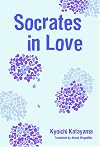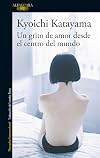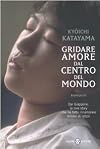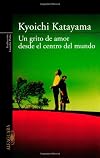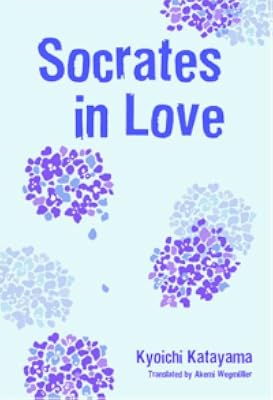
Socrates In Love: Novel (Socrates in Love)
by Kyoichi Katayama
On This Page
Description
Kyoichi Katayama's Socrates in Love depicts a sweet high school romance between an average guy and a beautiful girl. Sakutaro is a dry-witted teenage boy--precocious and slightly sarcastic, he's the perfect counter-part to Aki, a popular girl-next-door type. The two meet in junior high, and puppy love slowly blooms into a more serious relationship. But tragedy ensures when Aki falls ill with leukemia, and Sakutaro proves his love to be true enough to test the bounds between life and death. show more Socrates in Love is a bittersweet journey of young love, enduring devotion, and heartbreaking loss. Affectionately known in Japan as Sekachu (short for Sekai no Chushin de Ai wo Sakebu), the incredible popularity of Katayama's novel developed into a social phenomenon in Japan and drove it to become one of the classic love stories of all time. Socrates in Love took the Japanese publishing industry by storm, becoming the all-time best-selling novel in Japan Finally, U.S. readers will be able to experience the phenomenon that became the inspiration for a blockbuster movie, a hit TV show, and a popular manga. A national sensation that touched over three million readers, Kyoichi Katayama brought innocent love and romance to the forefront of Japan's ultra-hip mass market. show lessTags
Recommendations









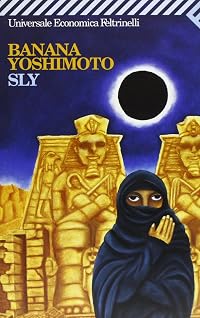
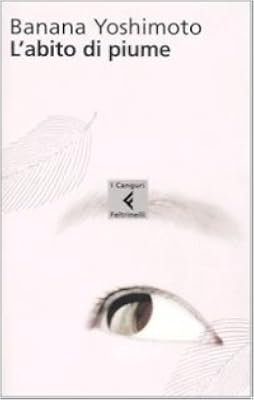

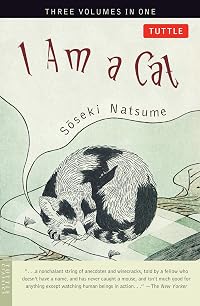


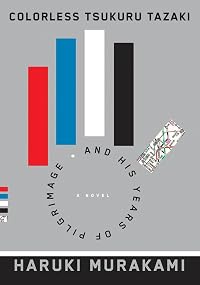














Member Recommendations

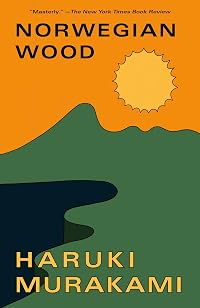
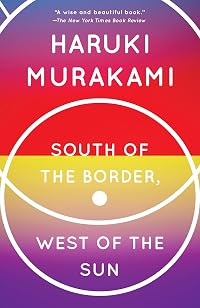
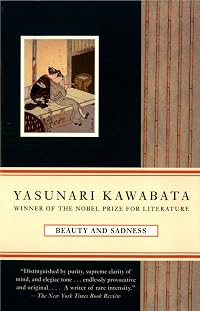
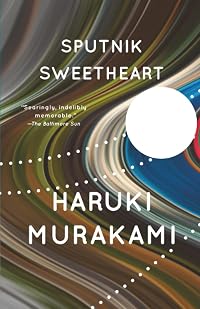
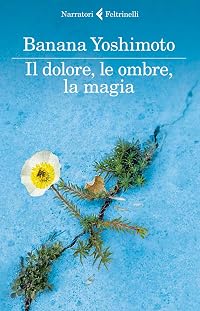
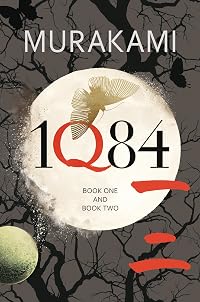
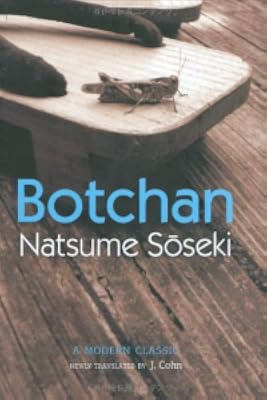
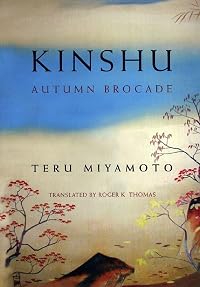
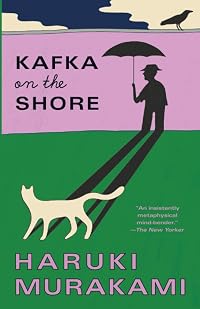
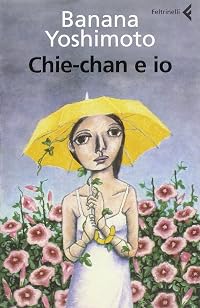
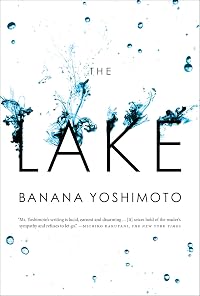
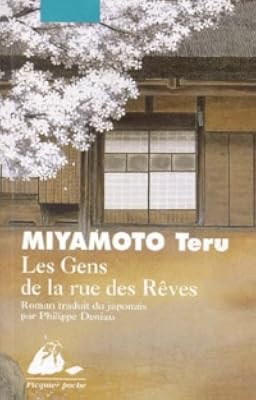
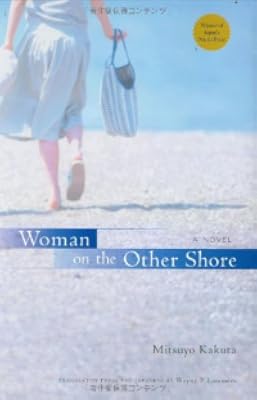
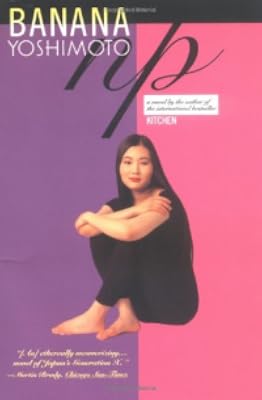
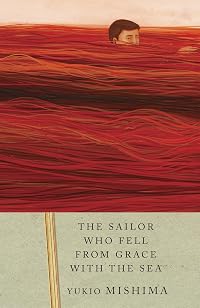
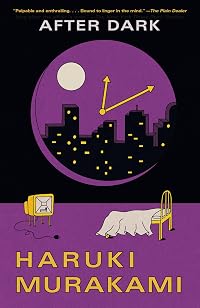
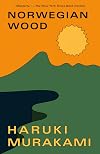
HollyMS Both are very popular sad love stories written by Japanese male writers.
Member Reviews
I rarely- make that "never"- read Shojo. Manga, yes, but never the kind targeted at pre-teen/ teenage girls. I'm glad I picked up the manga version of "Socrates in Love".
It's drawn in one of the styles that I find really pleasing to read (sorry, don't know what the style is called), and the text comes from this novel (by Kyoichi Katayama; the manga is drawn by Kazumi Kazui. I don't know who adapted the text). And it's a heart-wrenching, bittersweet story about a young love ended when the girl, Aki, dies of leukemia.
Written in the 1970s, the novel has beautiful lines in it like
"No matter what I looked at, my memories would suck me in. I closed the lid on my heart and turned my back to the ocean."
"...And that was why, whenever I woke up, show more I'd be crying. It wasn't because I was sad. When you return from a happy dream to sad reality, there's a chasm you have to step across, and you can't cross it without shedding tears. It doesn't matter how many times you do it."
"I was in a place where one death had wiped out every emotion. That was where I was. I didn't see anthing, hear anything, or feel anything. But was that where I really was? If not, then where was I?" (which leads into a flashback of Aki and Saku-chan meeting as children)
Part of the reason I believe this manga adaptation is so successful is that Kazui (art) renders some of the words of the novel unnecessary: she communicates the author's intent succinctly, purely through drawing alone. I understand why "Socrates in Love" is well-loved in Japan, and hope this manga adaptation is as well.
(And yes, I do plan to read the novel.) show less
It's drawn in one of the styles that I find really pleasing to read (sorry, don't know what the style is called), and the text comes from this novel (by Kyoichi Katayama; the manga is drawn by Kazumi Kazui. I don't know who adapted the text). And it's a heart-wrenching, bittersweet story about a young love ended when the girl, Aki, dies of leukemia.
Written in the 1970s, the novel has beautiful lines in it like
"No matter what I looked at, my memories would suck me in. I closed the lid on my heart and turned my back to the ocean."
"...And that was why, whenever I woke up, show more I'd be crying. It wasn't because I was sad. When you return from a happy dream to sad reality, there's a chasm you have to step across, and you can't cross it without shedding tears. It doesn't matter how many times you do it."
"I was in a place where one death had wiped out every emotion. That was where I was. I didn't see anthing, hear anything, or feel anything. But was that where I really was? If not, then where was I?" (which leads into a flashback of Aki and Saku-chan meeting as children)
Part of the reason I believe this manga adaptation is so successful is that Kazui (art) renders some of the words of the novel unnecessary: she communicates the author's intent succinctly, purely through drawing alone. I understand why "Socrates in Love" is well-loved in Japan, and hope this manga adaptation is as well.
(And yes, I do plan to read the novel.) show less
I didn’t actually cry when I read the book. Not that it wasn’t sad, because it was plenty gloomy. I was just so absorbed in my own thoughts about the characters’ thoughts and experiences that I finished the book with no tears shed and a handful of questions about my own life and love. And the book isn’t just a romance either. Though written simply, the novel touches upon adolescence, loss, and the existence of life after death.
ps. Check out my blog! http://thebookfiend.wordpress.com
ps. Check out my blog! http://thebookfiend.wordpress.com
El narrador de la novela, narra como, su amistad con Aki, su companera de colegio, se transforma en amor durante la adolescencia, y perdura despues de la muerte de esta. Es una novela breve, con personajes atractivos en la que los paisajes y los ambientes estan buen descritos. Hay otras novelas japonesas contemporaneas en las que temas parecidos son descritos (Murakami, Banana Yoshimoto) que son mas complejas, sin embargo la personalidad del protagonista le confiere a esta novela un encanto de las que las anteriores carecen.
'Un grito de amor desde el centro del mundo' no me ha gustado nada. No iba engañada con respecto al contenido, sabía lo que había, pero me han sorprendido las formas. Ha resultado más aburrido y ñoño de lo que me esperaba. No me ha conmovido en absoluto. No me han simpatizado sus personajes. Su trama, a ratos, me parecía absurda. Y sorprendentemente ha resultado que el peor personaje desde mi punto de vista (el abuelo de Saku, con su historia de amor, tan desaprovechada como incomprensible me resulta la aceptación de ella de Saku) ha terminado salvando la historia, con su diálogo final sobre la muerte. Pocas veces 200 páginas se me habían hecho taaaaan largas. La parte positiva es que tras leer este libro he visto con otros show more ojos "La soledad de los números primos" (mejorando esta tras la comparación) y he cambiado su valoración de "decepcionante" a "regular". show less
Sinceramente mi aspettavo molto da questo libricino ma non mi ha colpito e né tanto meno commosso. L'argomento trattato è indubbiamente molto triste ma non ha suscitato in me nessun tipo di emozione. In effetti in alcuni punti credevo di essere insensibile perché quello che mi dicevo era "non puoi rimanere indifferente alla morte di una ragazzina...non puoi!". Eppure è quello che è successo...forse perché non mi sono sentita legata a nessun personaggio di questo libro, non ho avuto modo di affezionarmici ma è l'autore che doveva caratterizzarli in maniera meno banale. Le aspettative erano tante per questo libro con un titolo così affascinante. E alla fine di bello c'è solo quel "Gridare amore dal centro del mondo"...
I can see why this was popular among Japanese teenagers, but it's nothing to write home about. Simple and sad.
No lloré con Titanic, ni The Notebook. No lloré con Marley y Yo, ni con My sister's keeper. Generalmente no lloro con NADA —en mi casa suelen decir que no tengo corazón— pero como lloré con esto.
¿Por qué los japoneses insisten en destruir mi corazón?
Members
- Recently Added By
Author Information
11 Works 479 Members
Work Relationships
Has the adaptation
Common Knowledge
- People/Characters
- Matsumoto Sakutarô; Aki
- First words
- That morning I woke up crying, as usual.
- Last words
- (Click to show. Warning: May contain spoilers.)Aki's ashes became a part of the flurry and disappeared from view.
Classifications
- Genre
- Fiction and Literature
- DDC/MDS
- 895.6 — Literature & rhetoric Literatures of other languages Literatures of East and Southeast Asia Japanese
- LCC
- PL855 .A833 .S45 — Language and Literature Languages and literatures of Eastern Asia, Africa, Oceania Languages of Eastern Asia, Africa, Oceania Japanese language and literature Japanese literature Individual authors and works
- BISAC
Statistics
- Members
- 322
- Popularity
- 99,171
- Reviews
- 17
- Rating
- (3.42)
- Languages
- 10 — Dutch, English, French, German, Italian, Japanese, Korean, Portuguese, Spanish, Thai
- Media
- Paper, Ebook
- ISBNs
- 26
- ASINs
- 4