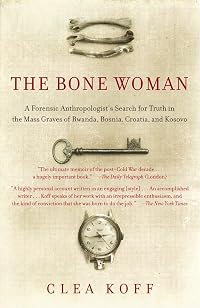
The Bone Woman: A Forensic Anthropologist's Search for Truth in the Mass Graves of Rwanda, Bosnia, Croatia, and Kosovo
by Clea Koff
On This Page
Description
Forensic anthropologist Clea Koff gives a riveting, deeply personal account of her time spent with the UN working to unearth physical evidence of the Rwandan genocide. In 1994, Rwanda was the scene of the first acts since World War II to be legally defined as genocide. Two years later, Clea Koff, a twenty-three-year-old forensic anthropologist, left the safe confines of a lab in Berkeley, California, to serve as one of sixteen scientists chosen by the United Nations to unearth the physical show more evidence of the Rwandan genocide. Over the next four years, Koff's grueling investigations took her across geography synonymous with some of the worst crimes of the twentieth century. The Bone Woman is Koff's unflinching, riveting account of her seven UN missions to Bosnia, Croatia, Kosovo, and Rwanda, as she shares what she saw, how it affected her, who was prosecuted based on evidence she found, and what she learned about the world. Yet even as she recounts the hellish nature of her work and the heartbreak of the survivors, she imbues her story with purpose, humanity, and a sense of justice. A tale of science in service of human rights, The Bone Woman is, even more profoundly, a story of hope and enduring moral principles. A forensic anthropologist's investigations of the Rwandan genocide on behalf of the UN. show lessTags
Recommendations

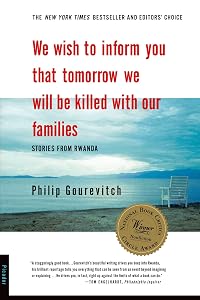
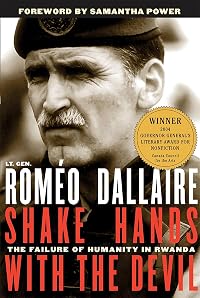

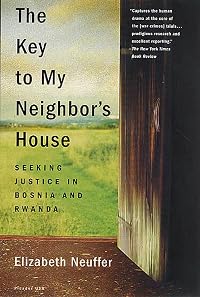
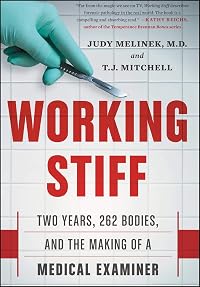
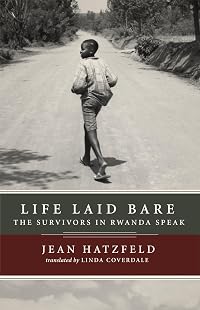
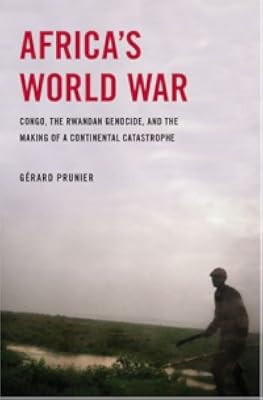

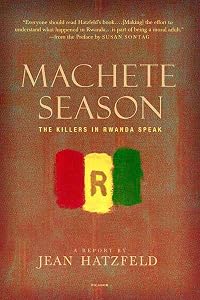
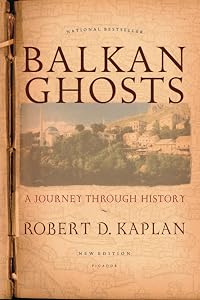
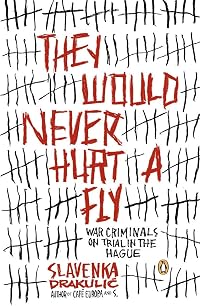
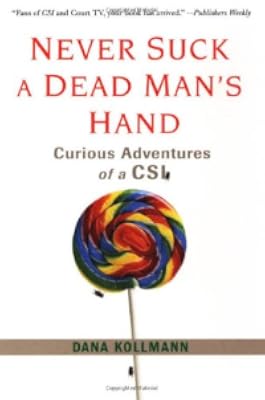





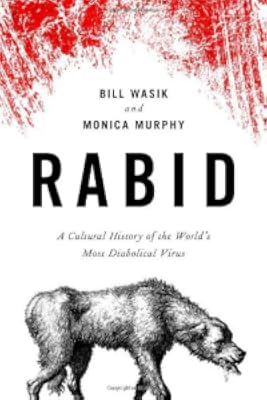
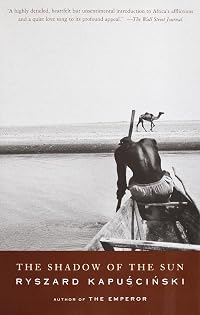
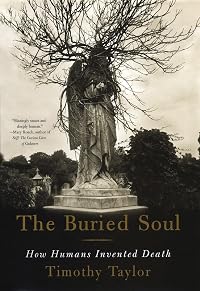
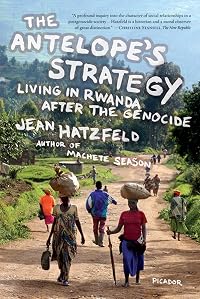
Member Recommendations
wandering_star Both about the impact on the person of working in war zones.
Member Reviews
Inspired as a young person by an account of forensic investigators unearthing mass graves and bringing war criminals to justice, Clea Koff dedicates herself to doing the same. Ten years later she is recovering bones in Rwanda, Bosnia, Croatia and Kosovo while working for the UN.
This fascinating yet grisly memoir recounts her time in the field between 1996 and 2000 uncovering mass graves and working with local survivors to identify bodies. Clea's voice is primarily clinical but very accessible. She explains the details clearly and doesn't hold back from the harsh realities. This book is not for the faint of heart.
What surprised me was the perfect balance she strikes in humanizing these large global tragedies. She provides just the right show more amount of context to break the reader's heart. This book examines the true consequences of war which is harrowing in an age where many are simply used to a constant cycle of violence. show less
This fascinating yet grisly memoir recounts her time in the field between 1996 and 2000 uncovering mass graves and working with local survivors to identify bodies. Clea's voice is primarily clinical but very accessible. She explains the details clearly and doesn't hold back from the harsh realities. This book is not for the faint of heart.
What surprised me was the perfect balance she strikes in humanizing these large global tragedies. She provides just the right show more amount of context to break the reader's heart. This book examines the true consequences of war which is harrowing in an age where many are simply used to a constant cycle of violence. show less
This really is an extraordinary book but needs to be taken for what it is and not for what the reader thinks it should be; the key lies in the subtitle, "A Forensic Anthropologist's Search..." "The Bone Woman" is not about exhuming mass graves and forensic analysis, though plenty of that is in here. Nor is it specifically about investigating crimes against humanity, though that also figures strongly in the overall reach. It's about what it takes, what it means, and the cost exacted on a person doing these jobs. In Koff's own words,
"I knew that, despite the importance of the work we were doing a toll would be exacted by this life. I didn't know what kind of toll, or when it would happen, or how long I would last." (p. 150)
In today's show more world of autocratic flexing, demographic divisiveness, conflict, and war in Ukraine, this dive into the casualties of "cleansings" is very relevant, and the faces of the families, survivors, and overtaxed aid workers need to be seen. That is what Koff's true quest, her 'mitzvah,' is in writing this book; she speaks of her "double vision" when describing how she perceives the bodies and associated materials as both clinical evidence for legal justice and as loved ones of the living, sometimes unaware of their deaths. Koff means to bring those faces, the dead and the living, out of the shadows and into the light. show less
"I knew that, despite the importance of the work we were doing a toll would be exacted by this life. I didn't know what kind of toll, or when it would happen, or how long I would last." (p. 150)
In today's show more world of autocratic flexing, demographic divisiveness, conflict, and war in Ukraine, this dive into the casualties of "cleansings" is very relevant, and the faces of the families, survivors, and overtaxed aid workers need to be seen. That is what Koff's true quest, her 'mitzvah,' is in writing this book; she speaks of her "double vision" when describing how she perceives the bodies and associated materials as both clinical evidence for legal justice and as loved ones of the living, sometimes unaware of their deaths. Koff means to bring those faces, the dead and the living, out of the shadows and into the light. show less
I have a morbid obsession with genocide, and have considered becoming an anthropologist to work in this same field. I was very interested in reading a first hand account of someone doing this emotional, dirty, yet somewhat rewarding work. I feel the author did an excellent job providing plenty of detail regarding the work that was done by both her and the rest of the team, but I honestly got bored with some of the extra wordiness she threw in about things not pertaining to the actual work.
All in all, I found this book highly informative and engaging.
All in all, I found this book highly informative and engaging.
https://fromtheheartofeurope.eu/the-bone-woman-a-forensic-anthropologists-search...
Clea Koff outlines the experiences of a forensic anthropologist in the mid to late 1990s in Rwanda and the Balkans. This was a side of conflict resolution that I never came very close to, though colleagues certainly did. The description of how an international team of variously motivated and variously qualified specialists comes together and works together in different and difficult sets of circumstances is very interesting reading; but the core is in the detail, if you can take it, of how she was able to bring closure (or often, sadly, not) to people whose relatives had disappeared as their countries collapsed.
It’s easy and lazy for conspiracy show more theorists (and genocide apologists) to claim that Srebrenica, or the Serbian attack on the people of Kosovo, or the Rwandan massacres, were hoaxes made up by the international conspirators of your choice. It’s vital that we do enable international organisations to follow these stories to their natural conclusion, and although Koff doesn’t dwell on the political underpinning for her work, it’s always there. show less
Clea Koff outlines the experiences of a forensic anthropologist in the mid to late 1990s in Rwanda and the Balkans. This was a side of conflict resolution that I never came very close to, though colleagues certainly did. The description of how an international team of variously motivated and variously qualified specialists comes together and works together in different and difficult sets of circumstances is very interesting reading; but the core is in the detail, if you can take it, of how she was able to bring closure (or often, sadly, not) to people whose relatives had disappeared as their countries collapsed.
It’s easy and lazy for conspiracy show more theorists (and genocide apologists) to claim that Srebrenica, or the Serbian attack on the people of Kosovo, or the Rwandan massacres, were hoaxes made up by the international conspirators of your choice. It’s vital that we do enable international organisations to follow these stories to their natural conclusion, and although Koff doesn’t dwell on the political underpinning for her work, it’s always there. show less
This is the memoir of Clea Koff, a forensic anthropologist, about her time working to provide evidence for the international criminal tribunals in Rwanda and former Yugoslavia.
This involves, essentially, exhuming mass graves (or on her first mission in Rwanda, reconstituting skeletons from body parts picked up from a hillside). Gruesome work, but it's what Koff had wanted to do since she was a little girl - starting off with somewhat macabre hobbies and eventually realising that helping the dead to talk was a powerful way to bring murderers to justice. She feels hugely rewarded when she sees a newspaper article reporting that Kosovan villagers have asked for an international forensic mission to prove that their dead were executed, not show more killed in combat; devastated by reports from Congo that soldiers were exhuming mass graves and burning the bodies to prevent forensic investigation.
Because of her drive towards this humanitarian goal, working on the bodies makes her happy - but it's when she's off duty that she thinks about what actually happened to these people, or occasionally when a body has some very personal detail, like a boy with a pocket full of marbles in Kosovo - and working on such horror does take its toll. This is sometimes a harrowing book to read. In Rwanda, Koff gets used to one colleague saying 'I mean, Jesus' whenever he looks at a body and figures out how it was killed. And there are several incidents where a reader is bound to be horrified, and think, how and why?
Unfortunately, this is where the book falls down. This is not an academic book, nor a political one. Koff mentions many of the UN's bureaucratic imperfections in passing (arriving on site to find that none of the scalpel blades provided match the scalpel handles), but it's not a critique like, say, Shake Hands With The Devil. This is really very much about Koff's own, personal, response to everything in the field, from the horrors of her work to her fear of driving over a landmine to tensions with her workmates. It's also not very well-crafted. For example, when writing about difficulties between 'workers' and 'management' during one mission, Koff comments that later when she was 'management', in Kosovo, she learnt the lessons from what went wrong - but when she's writing about that mission, she hardly writes about her role as 'management'.
So even though Koff is clearly a brave, hard-working and admirable person, I don't think I would recommend this book to anyone. I am not sure who would want to read about these horrors without being given any sort of context to put them in. My personal interest is in post-conflict reconciliation and how to do it. It's incredibly difficult to find a suitable balance between truth, justice and reconciliation - for example, securing the truth might involve offering amnesties, and exposing the truth about what happened might make reconciliation harder. But Koff is a true believer in her work, too immersed in it to stand back and explain how it fits in. show less
This involves, essentially, exhuming mass graves (or on her first mission in Rwanda, reconstituting skeletons from body parts picked up from a hillside). Gruesome work, but it's what Koff had wanted to do since she was a little girl - starting off with somewhat macabre hobbies and eventually realising that helping the dead to talk was a powerful way to bring murderers to justice. She feels hugely rewarded when she sees a newspaper article reporting that Kosovan villagers have asked for an international forensic mission to prove that their dead were executed, not show more killed in combat; devastated by reports from Congo that soldiers were exhuming mass graves and burning the bodies to prevent forensic investigation.
Because of her drive towards this humanitarian goal, working on the bodies makes her happy - but it's when she's off duty that she thinks about what actually happened to these people, or occasionally when a body has some very personal detail, like a boy with a pocket full of marbles in Kosovo - and working on such horror does take its toll. This is sometimes a harrowing book to read. In Rwanda, Koff gets used to one colleague saying 'I mean, Jesus' whenever he looks at a body and figures out how it was killed. And there are several incidents where a reader is bound to be horrified, and think, how and why?
Unfortunately, this is where the book falls down. This is not an academic book, nor a political one. Koff mentions many of the UN's bureaucratic imperfections in passing (arriving on site to find that none of the scalpel blades provided match the scalpel handles), but it's not a critique like, say, Shake Hands With The Devil. This is really very much about Koff's own, personal, response to everything in the field, from the horrors of her work to her fear of driving over a landmine to tensions with her workmates. It's also not very well-crafted. For example, when writing about difficulties between 'workers' and 'management' during one mission, Koff comments that later when she was 'management', in Kosovo, she learnt the lessons from what went wrong - but when she's writing about that mission, she hardly writes about her role as 'management'.
So even though Koff is clearly a brave, hard-working and admirable person, I don't think I would recommend this book to anyone. I am not sure who would want to read about these horrors without being given any sort of context to put them in. My personal interest is in post-conflict reconciliation and how to do it. It's incredibly difficult to find a suitable balance between truth, justice and reconciliation - for example, securing the truth might involve offering amnesties, and exposing the truth about what happened might make reconciliation harder. But Koff is a true believer in her work, too immersed in it to stand back and explain how it fits in. show less
I was expecting to invalidate a lot of the complaints about Clea Koff's book, but I was more and more disappointed as the book progressed. Gone was the wisdom of her experience, missing was the self-discovery and introspection, only barely existent was her experience of the people around her who had survived the horrors, and the writing that replaced what had begun to glimmer in the first few chapters was that of a hardened, unhappy woman who seemed stressed out and angry at her coworkers.
This does not mean that the book was completely worthless to me, and for that reason I give it three stars. I think it is an extremely important book, one that examines one step of the process by which someone guilty of genocide comes to justice, and show more one that pays ample tribute to the remains of the people who cry out for justice.
I hope Clea has found more peace, both with her coworkers and with herself, in the four years since the last part of the book. I did feel as though I was there, experiencing every part of it with her, and she did an ample job of keeping the jargon of her profession to a manageable level -- which was something that had worried me prior to reading the book. She really is a wonderful writer on the face of it, but just needed to focus a bit less on the problems that happened within each mission. show less
This does not mean that the book was completely worthless to me, and for that reason I give it three stars. I think it is an extremely important book, one that examines one step of the process by which someone guilty of genocide comes to justice, and show more one that pays ample tribute to the remains of the people who cry out for justice.
I hope Clea has found more peace, both with her coworkers and with herself, in the four years since the last part of the book. I did feel as though I was there, experiencing every part of it with her, and she did an ample job of keeping the jargon of her profession to a manageable level -- which was something that had worried me prior to reading the book. She really is a wonderful writer on the face of it, but just needed to focus a bit less on the problems that happened within each mission. show less
This is a memoir of Koffs missions as a forensic anthropologist in Rwanada, Bosnia, Croatian and Kosovo. The experiences as related by Koff are interesting, showing the reader how forensic anthropology field work takes place, how the sites are stakes out and bodies recovered, her relationship with her team mates and the survivors of genocide. There is, however, minimal actual forensic anthropology "how to" information provided in the book. This book is important to raise awareness of atrocities and genocide, but I felt Koff spent so much time complaining about her situation - the lack of equipment, disagreements with co-workder, lack of running water or fancy food - that the original purpose of the book to bring awareness to genocides show more and helping skeletons speak simply got lost in the background. I would also have provided more context if Koff had included a more detailed background to the genocides that she did, and if she had included something about how her end-results were going to be used or what effect her work had. She couldn't know all of this at time of publication, but something is better than nothing.
This book wasn't bad - it does showcase the life of a forensic anthropologist on some of her international missions. There were happy moments and poignant moments. A worthwhile read. show less
This book wasn't bad - it does showcase the life of a forensic anthropologist on some of her international missions. There were happy moments and poignant moments. A worthwhile read. show less
Members
- Recently Added By
Lists

Best Autobiographies and Memoirs
370 works; 67 members

Non-Fiction Worth Reading
1,015 works; 254 members

Research/Inquiry - mentor texts
43 works; 2 members
Author Information

9 Works 574 Members
Some Editions
Awards and Honors
Common Knowledge
- Canonical title*
- De bottenvrouw : mijn werk in de massagraven voor de oorlogstribunalen van de VN
- Original title
- The Bone Woman : Among the Dead in Rwanda, Bosnia, Croatia and Kosovo
- Alternate titles*
- The Bone Woman, A Forensic Anthropologist's Search For Truth In The Mass Graves Of Rwanda Bosnia Croatia &Kosovo
- Original publication date
- 2004
- Important places*
- Kosovo; Servië; Kroatië; Rwanda
- Important events
- Rwandan Genocide (1994)
- Dedication
- For the seekers of the silvery threads ...
- First words
- At 10:30 in the morning on Tuesday, January 9, 1996, I was on a hillside in Rwanda, suddenly doing what I had always wanted to do.
- Last words
- (Click to show. Warning: May contain spoilers.)Yes, I was in those places because I am a forensic anthropologist, but it was because of the person I am that after I "did" and "saw," I felt, thought, dreamed, cried, and connected.
*Some information comes from Common Knowledge in other languages. Click "Edit" for more information.
Classifications
- Genres
- Anthropology, Nonfiction, General Nonfiction, Biography & Memoir, History, Science & Nature
- DDC/MDS
- 599.9 — Natural sciences & mathematics Animals Mammals Homo sapiens
- LCC
- GN69.8 .K64 — Geography, Anthropology and Recreation Anthropology Anthropology Physical anthropology. Somatology Human variation
- BISAC
Statistics
- Members
- 508
- Popularity
- 59,167
- Reviews
- 11
- Rating
- (3.88)
- Languages
- 6 — Danish, Dutch, English, French, German, Norwegian (Bokmål)
- Media
- Paper, Audiobook, Ebook
- ISBNs
- 21
- ASINs
- 4