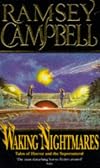
Waking Nightmares
by Ramsey Campbell
On This Page
Description
Collects 19 of Ramsey Campbell's stories, from the haunted forest of In the Trees to the haunted council estates of It Helps If You Sing, and from the childhood terrors of Bedtime Story to the physical haunting of The Guide and the black horror of The Trick.Tags
Recommendations






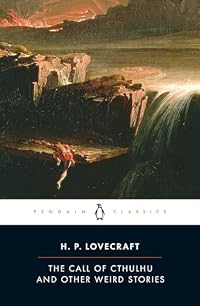

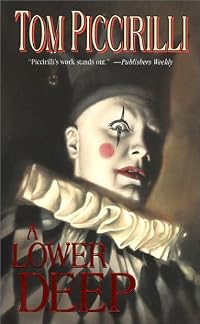
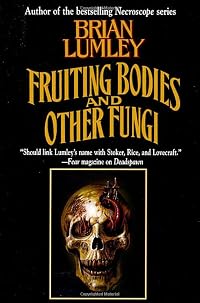

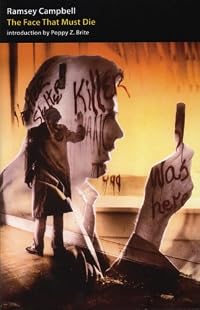
















Member Reviews
The title of this book is very appropriate, for in it Campbell has created a collection of little incidents of nightmare, unsettling and eerie. While his brand of quiet horror may not be for everybody, I would recommend this collection for anyone who enjoys atmosphere and craft in their horror fiction.
One of the strongest themes in the collection, and one that Campbell does very well, is the story told from the point of view of an obviously disturbed individual. Sometimes the level of derangment is clear early on, as with "Another World" the story of a man brought up in the isolation of religious fundamentalism suddenly venturing into the outside world of depravity. Other times, we are placed in the presence of a normal mind like that show more of the protagonist of "Where the Heart is," a normal man driven to terrifying actions over the grief of his wife. Another strong entry is "Jack in the Box," a short but dark and startling tale of vampirism.
Another theme at work in Campbell's fiction is that of urban decay, which serves well as atmosphere and source of threat. Among these, a particular standout is "Playing the Game," in which a journalist finds himself out of his league while investigating a voodoo practitioner who has set up shop by the waterfront.
The collection also shows Campbell engaging in a bit of metafiction, which he always deploys in service of a good story. "The Guide" is a solidly gruesome ghost story in the tradition of M.R. James, in which the protagonist is inspired on his quest by a book of James' nonfiction. "Beyond Words" is a story about a writer caught up in the nightmare that is his own story. In the funny and dark "Meeting the Author," an author's pop-up book threatens the child who dared give him a bad review.
That child is not the only instance in this collection, for several of the stories feature children or childhood. Campbell doesn't resort to the simple emotional shorthand of threatening (or harming) a child to get a rise out of the reader. In fact, his children are just as likely to be perpetrators as victims of horror, and are most likely to be both to some extent. There are several good examples of this type of story, including "Bedtime Story" whose terror really sneaks up on you and "Eye of Childhood" which (like "Game") nicely juxtaposes dark magicks and urban squalor.
Overall, a wonderful collection of Campbell at his best writing short stories that are dark, scary, and at times even funny. show less
One of the strongest themes in the collection, and one that Campbell does very well, is the story told from the point of view of an obviously disturbed individual. Sometimes the level of derangment is clear early on, as with "Another World" the story of a man brought up in the isolation of religious fundamentalism suddenly venturing into the outside world of depravity. Other times, we are placed in the presence of a normal mind like that show more of the protagonist of "Where the Heart is," a normal man driven to terrifying actions over the grief of his wife. Another strong entry is "Jack in the Box," a short but dark and startling tale of vampirism.
Another theme at work in Campbell's fiction is that of urban decay, which serves well as atmosphere and source of threat. Among these, a particular standout is "Playing the Game," in which a journalist finds himself out of his league while investigating a voodoo practitioner who has set up shop by the waterfront.
The collection also shows Campbell engaging in a bit of metafiction, which he always deploys in service of a good story. "The Guide" is a solidly gruesome ghost story in the tradition of M.R. James, in which the protagonist is inspired on his quest by a book of James' nonfiction. "Beyond Words" is a story about a writer caught up in the nightmare that is his own story. In the funny and dark "Meeting the Author," an author's pop-up book threatens the child who dared give him a bad review.
That child is not the only instance in this collection, for several of the stories feature children or childhood. Campbell doesn't resort to the simple emotional shorthand of threatening (or harming) a child to get a rise out of the reader. In fact, his children are just as likely to be perpetrators as victims of horror, and are most likely to be both to some extent. There are several good examples of this type of story, including "Bedtime Story" whose terror really sneaks up on you and "Eye of Childhood" which (like "Game") nicely juxtaposes dark magicks and urban squalor.
Overall, a wonderful collection of Campbell at his best writing short stories that are dark, scary, and at times even funny. show less
This is a collection of short horror and supernatural fiction published between 1980-89 and prefaced by a short introduction in which the author outlines the circumstances in which they were written. On the one hand, I admire the atmosphere and technique in which the very setting of the stories often contributes to a sense of claustrophobia, futility and ultimately inevitability of the protagonist's fate. On the other, reading so many over a couple of days does emphasise the similarity between some of them, and in the setting/characters, especially when two stories about teachers are set back to back, the first being far superior to the second.
The better stories in the collection evoke a sense of disorientation - 'In the Trees', for show more example, which well evokes the panic of becoming lost in a wood, especially when something unfriendly seems to be in there with you - or the sense of being controlled by adults and their not-well-understood own burdens as in 'Eye of Childhood'. One or two, however, seem so over the top - 'Playing the Game', 'The Other Side' -that they are in danger of straying into the arena of self parody.
Some are truly horrific - 'Another World' and 'It Helps if You Sing' being examples. I found 'The Guide' particularly affecting: this story in the style of M R James, and featuring a guidebook that James actually wrote, details a fate which is certainly undeserved by the lonely widower who explores a clifftop church rather reminiscent of the one in James' iconic story 'Oh Whistle and I'll Come to You, My Lad'.
Given that I found the collection rather uneven as suggested, I've settled on a 3-star rating. show less
The better stories in the collection evoke a sense of disorientation - 'In the Trees', for show more example, which well evokes the panic of becoming lost in a wood, especially when something unfriendly seems to be in there with you - or the sense of being controlled by adults and their not-well-understood own burdens as in 'Eye of Childhood'. One or two, however, seem so over the top - 'Playing the Game', 'The Other Side' -that they are in danger of straying into the arena of self parody.
Some are truly horrific - 'Another World' and 'It Helps if You Sing' being examples. I found 'The Guide' particularly affecting: this story in the style of M R James, and featuring a guidebook that James actually wrote, details a fate which is certainly undeserved by the lonely widower who explores a clifftop church rather reminiscent of the one in James' iconic story 'Oh Whistle and I'll Come to You, My Lad'.
Given that I found the collection rather uneven as suggested, I've settled on a 3-star rating. show less
Ratings
Members
- Recently Added By
Author Information

315+ Works 9,826 Members
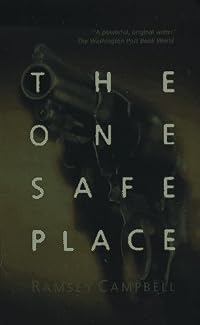
John Ramsey Campbell was born January 4, 1946 in Liverpool, England. He is a horror fiction author and editor. At the age of 11 he wrote a collection called Ghostly Tales which was published as a special issue of Crypt of Cthulhu magazine titled- Ghostly Tales- Crypt of Cthulhu 6. He continued to write and later published his collection called The show more Inhabitant of the Lake and Less Welcome Tenants. At the suggestion of August Derleth, he rewrote many of his earliest stories, which he had originally set in the Massachusetts locales of Arkham, Dunwich and Innsmouth, and relocated them to English settings in and around the fictional Gloucestershire city of Brichester. The invented locale of Brichester was deeply influenced by Campbell's native Liverpool, and much of his later work is set in the real locales of Liverpool. In particular, his 2005 novel Secret Stories both exemplifies and satirizes Liverpoolian speech, characters and humor. John Campbell's titles include The Doll Who Ate His Mother, The One Safe Place , The Seven Days of Cain and The Last Revelation of Gla'aki. (Bowker Author Biography) show less
Awards and Honors
Awards
Work Relationships
Is contained in
Common Knowledge
- Canonical title
- Waking Nightmares
- Original publication date
- 1991
Classifications
Statistics
- Members
- 94
- Popularity
- 340,614
- Reviews
- 2
- Rating
- (3.67)
- Languages
- English, German
- Media
- Paper
- ISBNs
- 5