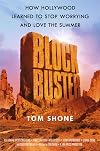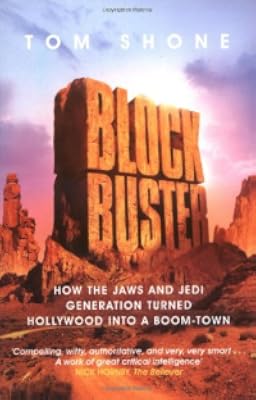
Blockbuster: How Hollywood Learned to Stop Worrying and Love the Summer
by Tom Shone
On This Page
Description
Explores the factors that have shaped the modern blockbuster and changed the face of Hollywood, explaining why the summer season has become such a pivotal time for movie releases.Tags
Recommendations








Member Reviews
A fantastic read for anyone interested in the film industry, even if, like me, you don't think of yourself as a fan of big blockbuster films. The author is a film critic, but first and foremost he is film fan, which shows in the enthusiastic way he writes about the classic films of the genre. Starting with Jaws then Star Wars, he traces the path of the big summer blockbuster, making some interesting points about box office records and production costs, along with some interesting stories about how the films were made.
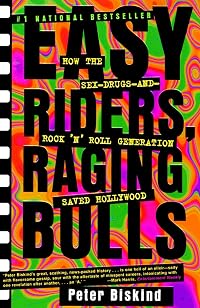
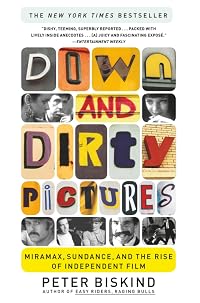
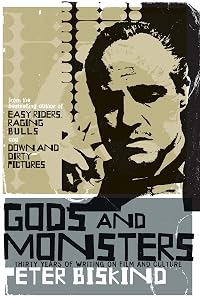
In part the book is a counter-argument to Peter Biskind's 'Easy Riders, Raging Bulls' which blames Spielberg and Lucas for the demise of 'quality' filmmaking and the dumb-downing of cinema. Shone takes an even-handed view show more of their impact, appreciating these films for their own value and how the best of the genre made cinema exciting for audiences, but being criticial of the blockbusters that were poor films. He doesn't, thanfully, try to over-intellectualise any of these films and is just as sceptical of the acedemics who do, as he is of the film snobs who dismiss all of these films.
Like Biskind's book, there are lots of anecdotes about how these films were made. Whilst Spielberg is so normal and decent that he doesn't provide much in the way of drama, James Cameron more than makes up for it. show less
In part the book is a counter-argument to Peter Biskind's 'Easy Riders, Raging Bulls' which blames Spielberg and Lucas for the demise of 'quality' filmmaking and the dumb-downing of cinema. Shone takes an even-handed view show more of their impact, appreciating these films for their own value and how the best of the genre made cinema exciting for audiences, but being criticial of the blockbusters that were poor films. He doesn't, thanfully, try to over-intellectualise any of these films and is just as sceptical of the acedemics who do, as he is of the film snobs who dismiss all of these films.
Like Biskind's book, there are lots of anecdotes about how these films were made. Whilst Spielberg is so normal and decent that he doesn't provide much in the way of drama, James Cameron more than makes up for it. show less
Shone's got some nice insights on the working habits of directors, but I find it hard to buy his grand thesis about the development of the blockbuster - mainly because he doesn't seem to have one.
Ratings
Members
- Recently Added By
Author Information
15 Works 257 Members
Classifications
- Genres
- Nonfiction, General Nonfiction, Art & Design
- DDC/MDS
- 791.43 — Arts & recreation Recreation, sports, and performing arts Public performances Motion pictures, radio, television, podcasting Motion pictures
- LCC
- PN1993.5 .U6 .S4927 — Language and Literature Literature (General) Literature (General) Drama Motion pictures
- BISAC
Statistics
- Members
- 88
- Popularity
- 367,421
- Reviews
- 2
- Rating
- (3.82)
- Languages
- English
- Media
- Paper, Ebook
- ISBNs
- 5
- ASINs
- 1