On This Page
Description
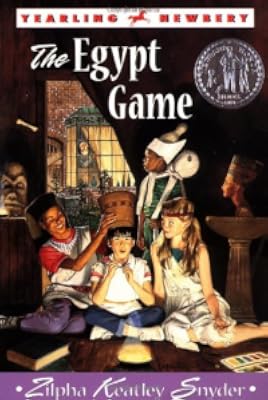
A group of children, entranced with the study of Egypt, play their own Egypt game, are visited by a secret oracle, become involved in a murder, and befriend the Professor before they move on to new interests, such as Gypsies.Tags
Recommendations
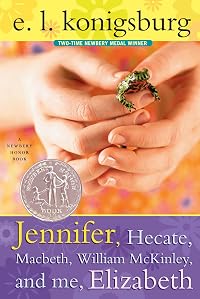
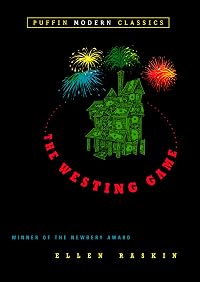
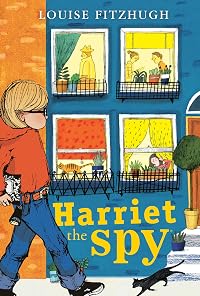
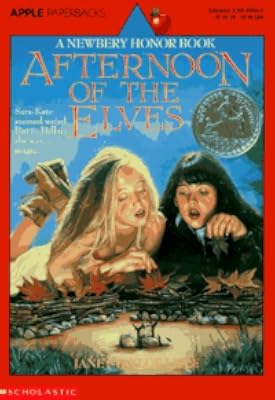
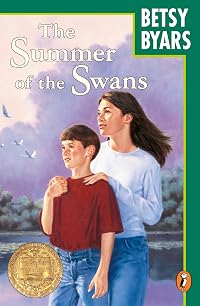
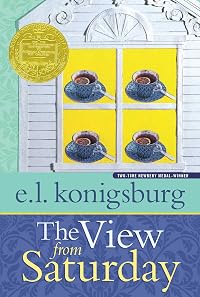
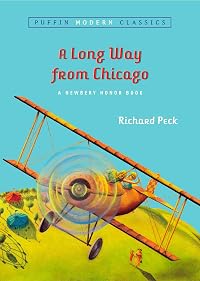
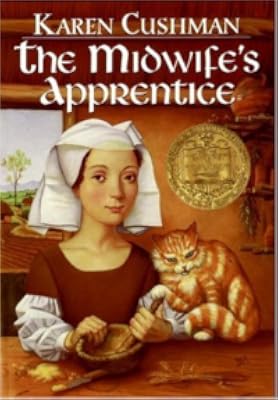
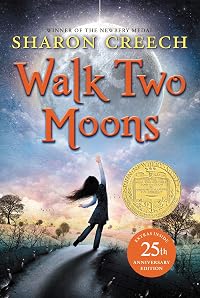
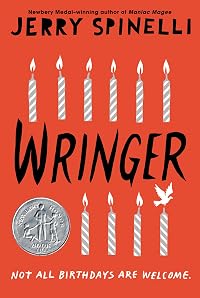
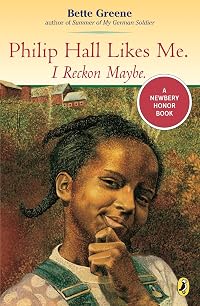
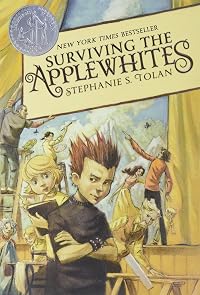
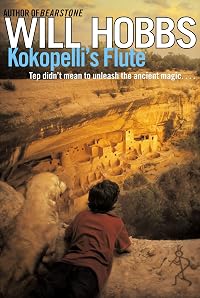
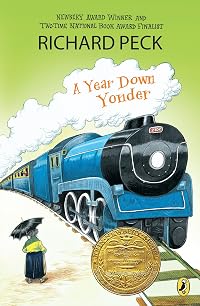
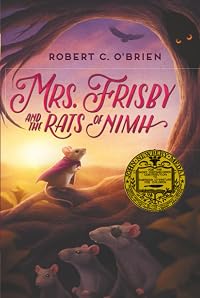
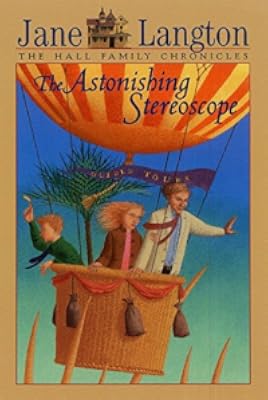

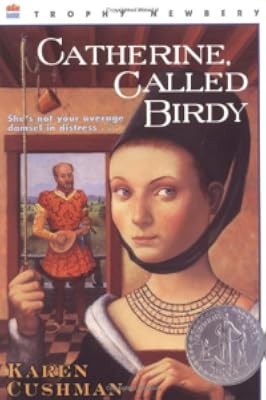
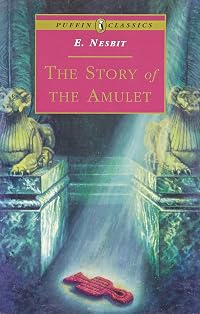

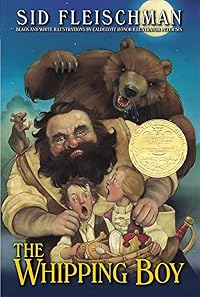
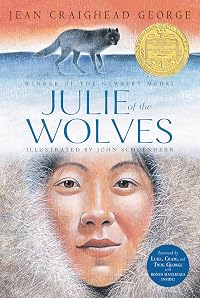
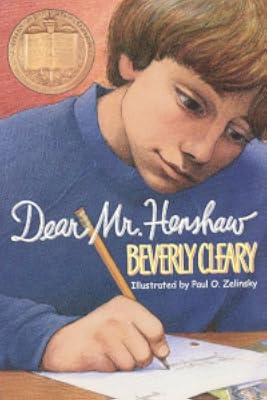
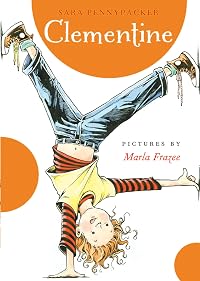
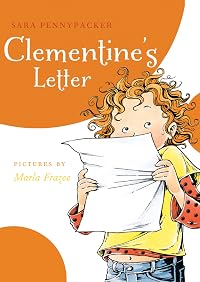
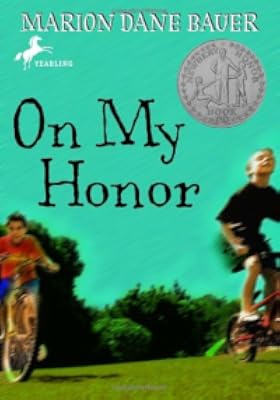
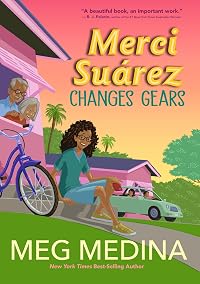
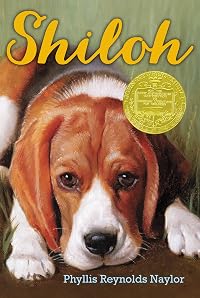

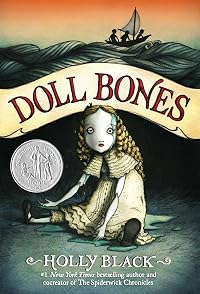
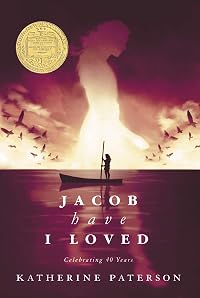
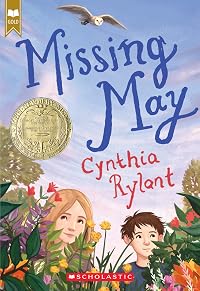
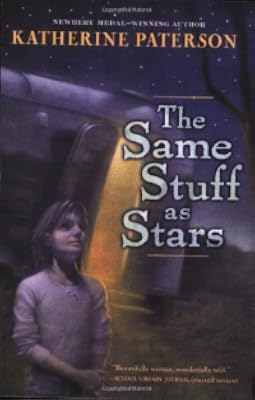

Member Recommendations
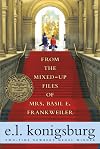
allisongryski These books share an imaginative, adventurous quality, with compelling young characters. The plots/settings are very different, but they have some thematic similarities.
40
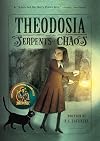
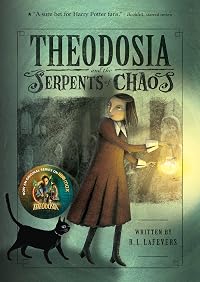
jfoster_sf Another great book for Egypt fanatics! This book is about Theo, the daughter of two museum curators who specialize in Egyptian artifacts. Most nights Theo hangs out at the museum with her dad while her mom travels abroad to dig for more treasures. The story starts off with Theo and her dad opening a package from her mom, and Theo is anxious to see what's inside-not just out of curiosity, but because half the items her mom ships to the museum are riddled with ancient curses, and Theo is the only one who can sense them. It's up to her to protect her parents and the other members of the museum, especially when a mysterious man starts lurking about with his eyes on a rare item.
20
Member Reviews
A few years ago I undertook to read Zilpha Keatley Snyder's entire body of work, motivated in part by the fact that although she is an extraordinarily talented and prolific author, I had only read two of her books as a child. One of these was The Changeling, a book that has relentlessly haunted me from the time I first read it. This was the other.
Snyder's fourth book - which won a Newbery Honor - follows the story of two young girls, April and Melanie, whose unlikely friendship leads to the revelation that they are both fascinated by ancient Egypt, and to the creation of "the Egypt Game." Soon they are joined by other children, and the game begins to take on a life of its own. When eerie things begin to happen, the friends find show more themselves wondering if it is a game at all...
I can remember racing through this novel as a child, completely ensnared by Snyder's suspenseful plot; hoping, in fact, for a more supernatural explanation than the one eventually given. I could not have articulated then just why this book (and The Changeling) exercised such a powerful effect upon me. Reading as an adult however, I recognize Snyder's keen understanding of the role of the imagination in the lives of children - the games they create, the "daydreams" that give meaning to their lives. She understands the power of the child's inner life, and is never condescending towards "childish" things. I think I must also have found it refreshing to read a story with such a matter-of-fact interracial friendship, in which race itself was not the predominant concern.
Like many of Snyder's early novels, The Egypt Game is illustrated by Alton Raible. show less
Snyder's fourth book - which won a Newbery Honor - follows the story of two young girls, April and Melanie, whose unlikely friendship leads to the revelation that they are both fascinated by ancient Egypt, and to the creation of "the Egypt Game." Soon they are joined by other children, and the game begins to take on a life of its own. When eerie things begin to happen, the friends find show more themselves wondering if it is a game at all...
I can remember racing through this novel as a child, completely ensnared by Snyder's suspenseful plot; hoping, in fact, for a more supernatural explanation than the one eventually given. I could not have articulated then just why this book (and The Changeling) exercised such a powerful effect upon me. Reading as an adult however, I recognize Snyder's keen understanding of the role of the imagination in the lives of children - the games they create, the "daydreams" that give meaning to their lives. She understands the power of the child's inner life, and is never condescending towards "childish" things. I think I must also have found it refreshing to read a story with such a matter-of-fact interracial friendship, in which race itself was not the predominant concern.
Like many of Snyder's early novels, The Egypt Game is illustrated by Alton Raible. show less
I've been drawn to this author for a while - her stories are classics in the children book aisle, and her plots intrigue me. This year, I finally read two of her stories. The first was a strip book I've been sitting on since I worked in the book store years ago: The Runaways, a more serious realistic fiction depicting the lives of three young children living in a small desert town who are unhappy with their situations. She incorporated humor and dealt with a lot of heavy emotions using a light touch that rendered them accessible to children, and the writing was finely crafted. However, I was more excited to read her stories that incorporated a little supernatural suspense, as many of her Newbery awards and honors do, so I was excited to show more start this book, The Egypt Game.
The book follows the adventure of two girls, April and Melanie, who create the Egypt game. At first glance, they appear as opposite as can be: Melanie is an outgoing and amiable girl, good at getting along with everyone, and April distances herself from others with her arrogant airs and outrageous stories. Melanie has had a typical childhood, with two caring parents and a younger brother, settled in a neighborhood where she has lived her whole life. April, on the other hand, lived in California with her aspiring-actress mother, who was so focused on her own career and her desires that she often neglected her parenting and treated April more like a sister than a daughter. Despite their differences, they quickly learn that they have one important characteristic in common - they both prefer playing creative games made up in their mind than outdoor games or board games or school games. Bound by this shared interest, they become fast friends. One day, as they discuss their fascination with Ancient Egypt and old artifacts, they decide to reenact a ceremony from that culture, and the Egypt game is born.
As time passes, the game evolves, with more roles for the girls to play, fake gods and goddesses borrowed from Egypt's religions, and lots of ceremonies and secret languages to create and enact. They incorporate Marshall, Melanie's younger brother, into the games from the start, so he can play a child Pharaoh. Later, they invite a new friend, Elizabeth, who moves into their apartment complex, and then two boys from school who find their secret hideout where all the Egypt games take place.
The Egypt game becomes more important for the children as the real world around them darkens. A young girl is murdered, in the same fashion as a child was murdered not long ago in the past, and the town knows that they have a serial killer of children on their hands. Children are kept indoors and the streets are silenced. Melanie and April focus on the game instead of the new rules and restrictions, but even in the game, events are turning strange as the pretend oracle starts to accurately predict the future, building up to a climax that resolves all the mysteries of the book. As with the first book I read by Snyder, the author deftly handles mature topics, such as the fear engendered by violence, with just the right balance of enough information and not too much. Children need to learn about matters both serious and light, and it is important to address them in a way appropriate for their age. I think Snyder is a master at maintaining this fine balance. She writes children's stories with integrity and finesse.
In addition, her characters are fully realized girls and boys that embody child-like thoughts, actions, and desires. They are complex characters who evolve as the story progresses. I loved every kid in this book, and wished I could be friends with them when I was a child. The plot builds up naturally and reads quickly. It's a clever story about inventive children - and the Egypt game is a fascinating concept that they create - that will appeal to children and adults. show less
The book follows the adventure of two girls, April and Melanie, who create the Egypt game. At first glance, they appear as opposite as can be: Melanie is an outgoing and amiable girl, good at getting along with everyone, and April distances herself from others with her arrogant airs and outrageous stories. Melanie has had a typical childhood, with two caring parents and a younger brother, settled in a neighborhood where she has lived her whole life. April, on the other hand, lived in California with her aspiring-actress mother, who was so focused on her own career and her desires that she often neglected her parenting and treated April more like a sister than a daughter. Despite their differences, they quickly learn that they have one important characteristic in common - they both prefer playing creative games made up in their mind than outdoor games or board games or school games. Bound by this shared interest, they become fast friends. One day, as they discuss their fascination with Ancient Egypt and old artifacts, they decide to reenact a ceremony from that culture, and the Egypt game is born.
As time passes, the game evolves, with more roles for the girls to play, fake gods and goddesses borrowed from Egypt's religions, and lots of ceremonies and secret languages to create and enact. They incorporate Marshall, Melanie's younger brother, into the games from the start, so he can play a child Pharaoh. Later, they invite a new friend, Elizabeth, who moves into their apartment complex, and then two boys from school who find their secret hideout where all the Egypt games take place.
The Egypt game becomes more important for the children as the real world around them darkens. A young girl is murdered, in the same fashion as a child was murdered not long ago in the past, and the town knows that they have a serial killer of children on their hands. Children are kept indoors and the streets are silenced. Melanie and April focus on the game instead of the new rules and restrictions, but even in the game, events are turning strange as the pretend oracle starts to accurately predict the future, building up to a climax that resolves all the mysteries of the book. As with the first book I read by Snyder, the author deftly handles mature topics, such as the fear engendered by violence, with just the right balance of enough information and not too much. Children need to learn about matters both serious and light, and it is important to address them in a way appropriate for their age. I think Snyder is a master at maintaining this fine balance. She writes children's stories with integrity and finesse.
In addition, her characters are fully realized girls and boys that embody child-like thoughts, actions, and desires. They are complex characters who evolve as the story progresses. I loved every kid in this book, and wished I could be friends with them when I was a child. The plot builds up naturally and reads quickly. It's a clever story about inventive children - and the Egypt game is a fascinating concept that they create - that will appeal to children and adults. show less
I can't remember when I read this, but what I did remember was the dramatic Egyptian-inspired funeral for a small dead pet (I didn't remember what), including the illustration--and I'm impressed how good my memory of that illustration was.
What I definitely did not remember was how racially diverse this book was and how many quite realistic childhood/adult relationships are addressed. This must have been a pretty progressive book for 1967, when it was written: in a California college town, a white girl and a black girl become best friends and also befriend Chinese and Japanese American kids, the latter of whom is described as an "all-American boy". Okay, actually it was "all-American oriental boy"--the very dated word made me show more cringe--but at the same time, a Japanese American kid is being called "all-American" just 20 years after the US interned Japanese Americans during World War II. What is that if not progress, for the time?
The book definitely has problematic elements for today, but it seems like they're small enough that they could be revised. I haven't yet read the recent revised version of A Cricket in Times Square, but I do like the idea of bringing the language up to date--it would be much easier here in The Egypt Game.
Anyway, plot summary:
April moves in with her grandmother (who has had to sell her lovely one-bedroom to buy a less beautiful two-bedroom to make this work) with a promise from her aspiring-actress mom that it will only be fore a few weeks. April's a bit awkward from having grown up in an emotionally neglected Hollywood life, but kind-hearted Melanie still manages to connect with her over their shared active imaginations and fascination with ancient Egypt. With Melanie's younger brother, Marshall, and his stuffed octopus named "Security", in tow, they find a vacant lot behind they thrift shop run by a mysterious man known as "the Professor" (who has a scary reputation, though no one can remember why) and decide it's the perfect place to pretend to be Egyptian high priestesses, with Marshall as a young pharaoh. They set up a "temple" to Isis and Set and create elaborate ceremonies. School starts with no word from April's mom, but April and Melanie recruit younger, Chinese-American Elizabeth, who recently moved into the building with mother and two younger sisters. A child serial killer strikes and parents keep the kids inside, but they use the time to create elaborate costumes first for Halloween, and then for ongoing use. On Halloween night, they sneak away from trick-or-treating only to be caught by two "cool" boys in their grade who they worry will "fink" on them (the slang, which appears much more when the boys join the group, is hilariously dated)...but it turns out that Toby is as imaginative and creative as the girls, and Ken is a good enough sport to (hilariously reluctantly) go along for the ride. In addition to the already-mentioned funeral for and attempted mummification of Elizabeth's ex-parot (parakeet), the kids conduct a ritual to ask an oracle for advice...and are freaked out when they start getting answers.One night, while she's babysitting Marshall, April sneaks back to Egypt to retrieve a lost textbook and is caught by the child-killer. Only the Professor's timely intervention saves the day. All's well that ends well: the killer is sent to a mental hospital; April decides to stay with her grandmother for Christmas instead of joining a mom who only then remembered she had a daughter; the Professor confesses that watching the kids' fun has inspired him to a) give them keys to his backyard, b) get out in the world to acquire things for his shop; and c) hire Elizabeth's mom to run his shop while he's gone.
The Egypt Game is more than just fun and games: the kids deal with imperfect parents (April's absent mom, Toby's dad more interested in art than in his child's welfare), scary happenings in the wider world (the child-killer), people they don't understand (the Professor), kids of different ages with different strengths (imagination, observation, persuasion, moral support), people who don't always make sense to others (April, Marshall, and the Professor),
I'm sure other people have enumerated the reasons why this book is offensive: some words used to describe Elizabeth, Ken, and Melanie physically; the fact thatthe Professor's wife was "killed by the people she was trying to help", who were tribes in an unspecified place ; and the way boys and girls are annoyed by each other just because they're boys and girls. (This may still be true in the playground, but I think books these days try to pretend it's not.) You can see Snyder trying to be inclusive, and maybe she was successful at the time. Sadly, it's a bit dated these days.
The Egypt Game has been banned for pagan worship/worshiping false gods. I've also seen in GR reviews that people object to kids playing with fire (part of why the Professor kept an eye on the kids), and to the serial killer element. Yeah, I think the story would have been just fine without the serial killer...but really, kids are being gunned down in classrooms, so I think they can handle a fictional serial killer.
I think what I liked best about The Egypt Game was how seriously it took the childrens' lives and concerns. I've noticed in some of the books for younger readers that I've read that there's a tendency to make things seem either too easy or too awful and oppressive. The Egypt Game found a nice balance, where kids can worry about killers but still want to go outside, be mad at their parents but happy with their friends, sad to lose something they love but excited to look forward to what might come next. Yes, adults would probably smile at some of the concerns that seem small--Melanie's sneaky theft of April's false eyelashes to help her fit in at school, the boys' and girls' insistence on only "accidentally" running into each other at school, Marshall's devotion to Security--but Snyder takes them as seriously as they deserve, given the small scope of the kids' lives.
This really is an excellent book. While disclaimers and discussions about what's out of date should go along with the talk about why we're fascinated by ancient Egypt and how adults aren't perfect, I'd still recommend it to kids.
Quotes & Notes
p. 48) [Set] was more than evil, and at times a lot more than Egyptian. For instance, at different times, his wicked tricks included everything from atomic ray guns to sulfur and brimstone. But, actually, that was the way with all of the Egypt Game. Nobody ever planned it ahead, at least, not very far. Ideas began and grew and afterwards it was hard to remember just how. That was one of the mysterious and fascinating things about it.
This book made me so nostalgic for all the games I used to play, either alone, with my sisters, or with a few friends. Some are downright cringe-worthy now, but they were so much fun!
p. 63) Mr. Bodler, the apartment building's janitor, creepily stands behind Melanie and April when they go to pick up Elizabeth on her first day of school. I was so sure he was the child killer. But then, maybe that just goes to show that it's not always the people you'd expect. Actually, I just have no idea why this creep is in this story at all.
p. 74) Some people accuse the Professor of being the child killer, though they have no particular reason:
The fact that the Professor sold old and cheap some of the things that Mr. Schmitt [who owned a general store] sold new and expensive was worth thinking about; but it didn't really prove anything one way or another.
I see you Snyder, commenting on dirty tricks to force the competition out of business. And pointing out that adults can be pretty mean for their own reasons.
p. 80-81) I really loved the PTA moms who all volunteered their husbands to chaperone kids on Halloween. Adults would really get some chuckles out of that.
p. 95) Melanie's parents are a source of wisdom about social justice: they're the ones who explain that a criminal might not be evil but might be mentally ill and need help, and they've attended a demonstration with Melanie and Marshall (though the demonstration was apparently for "things like Peace and Freedom" instead of, you know, civil rights, as would have been realistic for the time (unless Melanie doesn't mention civil rights to avoid making her white friend uncomfortable)).
p. 92-93) I do appreciate that Snyder keeps April and Melanie in the "boys are gross" stage instead of making them have crushes and stuff. Not every story needs romance!
p. 106) "Maybe we ought to tell the FBI [about Egypt]."
I do not buy for a minute that a Japanese-American boy would even joke about calling the FBI when his parents probably remembered being in concentration camps.
p. 115-116) Toby humorously recounts how his dad, an artist, made him an elaborate "statement piece" costume for Halloween and then got furious when Toby ruined it. Toby plays it for laughs, but I couldn't help feeling a little sad--his dad didn't ask him if he was okay, and his attitude reminded me of parents who want their children to be Instagram-worthy all the time.
p. 139-140) May I just say, I laughed out loud at Petey the parakeet's mummification process. But if you're sensitive about animals, you'll probably be appalled (even though Petey was dead of cat-causes before anything was done to him.) show less
What I definitely did not remember was how racially diverse this book was and how many quite realistic childhood/adult relationships are addressed. This must have been a pretty progressive book for 1967, when it was written: in a California college town, a white girl and a black girl become best friends and also befriend Chinese and Japanese American kids, the latter of whom is described as an "all-American boy". Okay, actually it was "all-American oriental boy"--the very dated word made me show more cringe--but at the same time, a Japanese American kid is being called "all-American" just 20 years after the US interned Japanese Americans during World War II. What is that if not progress, for the time?
The book definitely has problematic elements for today, but it seems like they're small enough that they could be revised. I haven't yet read the recent revised version of A Cricket in Times Square, but I do like the idea of bringing the language up to date--it would be much easier here in The Egypt Game.
Anyway, plot summary:
April moves in with her grandmother (who has had to sell her lovely one-bedroom to buy a less beautiful two-bedroom to make this work) with a promise from her aspiring-actress mom that it will only be fore a few weeks. April's a bit awkward from having grown up in an emotionally neglected Hollywood life, but kind-hearted Melanie still manages to connect with her over their shared active imaginations and fascination with ancient Egypt. With Melanie's younger brother, Marshall, and his stuffed octopus named "Security", in tow, they find a vacant lot behind they thrift shop run by a mysterious man known as "the Professor" (who has a scary reputation, though no one can remember why) and decide it's the perfect place to pretend to be Egyptian high priestesses, with Marshall as a young pharaoh. They set up a "temple" to Isis and Set and create elaborate ceremonies. School starts with no word from April's mom, but April and Melanie recruit younger, Chinese-American Elizabeth, who recently moved into the building with mother and two younger sisters. A child serial killer strikes and parents keep the kids inside, but they use the time to create elaborate costumes first for Halloween, and then for ongoing use. On Halloween night, they sneak away from trick-or-treating only to be caught by two "cool" boys in their grade who they worry will "fink" on them (the slang, which appears much more when the boys join the group, is hilariously dated)...but it turns out that Toby is as imaginative and creative as the girls, and Ken is a good enough sport to (hilariously reluctantly) go along for the ride. In addition to the already-mentioned funeral for and attempted mummification of Elizabeth's ex-parot (parakeet), the kids conduct a ritual to ask an oracle for advice...and are freaked out when they start getting answers.
The Egypt Game is more than just fun and games: the kids deal with imperfect parents (April's absent mom, Toby's dad more interested in art than in his child's welfare), scary happenings in the wider world (the child-killer), people they don't understand (the Professor), kids of different ages with different strengths (imagination, observation, persuasion, moral support), people who don't always make sense to others (April, Marshall, and the Professor),
I'm sure other people have enumerated the reasons why this book is offensive: some words used to describe Elizabeth, Ken, and Melanie physically; the fact that
The Egypt Game has been banned for pagan worship/worshiping false gods. I've also seen in GR reviews that people object to kids playing with fire (part of why the Professor kept an eye on the kids), and to the serial killer element. Yeah, I think the story would have been just fine without the serial killer...but really, kids are being gunned down in classrooms, so I think they can handle a fictional serial killer.
I think what I liked best about The Egypt Game was how seriously it took the childrens' lives and concerns. I've noticed in some of the books for younger readers that I've read that there's a tendency to make things seem either too easy or too awful and oppressive. The Egypt Game found a nice balance, where kids can worry about killers but still want to go outside, be mad at their parents but happy with their friends, sad to lose something they love but excited to look forward to what might come next. Yes, adults would probably smile at some of the concerns that seem small--Melanie's sneaky theft of April's false eyelashes to help her fit in at school, the boys' and girls' insistence on only "accidentally" running into each other at school, Marshall's devotion to Security--but Snyder takes them as seriously as they deserve, given the small scope of the kids' lives.
This really is an excellent book. While disclaimers and discussions about what's out of date should go along with the talk about why we're fascinated by ancient Egypt and how adults aren't perfect, I'd still recommend it to kids.
Quotes & Notes
p. 48) [Set] was more than evil, and at times a lot more than Egyptian. For instance, at different times, his wicked tricks included everything from atomic ray guns to sulfur and brimstone. But, actually, that was the way with all of the Egypt Game. Nobody ever planned it ahead, at least, not very far. Ideas began and grew and afterwards it was hard to remember just how. That was one of the mysterious and fascinating things about it.
This book made me so nostalgic for all the games I used to play, either alone, with my sisters, or with a few friends. Some are downright cringe-worthy now, but they were so much fun!
p. 63) Mr. Bodler, the apartment building's janitor, creepily stands behind Melanie and April when they go to pick up Elizabeth on her first day of school. I was so sure he was the child killer. But then, maybe that just goes to show that it's not always the people you'd expect. Actually, I just have no idea why this creep is in this story at all.
p. 74) Some people accuse the Professor of being the child killer, though they have no particular reason:
The fact that the Professor sold old and cheap some of the things that Mr. Schmitt [who owned a general store] sold new and expensive was worth thinking about; but it didn't really prove anything one way or another.
I see you Snyder, commenting on dirty tricks to force the competition out of business. And pointing out that adults can be pretty mean for their own reasons.
p. 80-81) I really loved the PTA moms who all volunteered their husbands to chaperone kids on Halloween. Adults would really get some chuckles out of that.
p. 95) Melanie's parents are a source of wisdom about social justice: they're the ones who explain that a criminal might not be evil but might be mentally ill and need help, and they've attended a demonstration with Melanie and Marshall (though the demonstration was apparently for "things like Peace and Freedom" instead of, you know, civil rights, as would have been realistic for the time (unless Melanie doesn't mention civil rights to avoid making her white friend uncomfortable)).
p. 92-93) I do appreciate that Snyder keeps April and Melanie in the "boys are gross" stage instead of making them have crushes and stuff. Not every story needs romance!
p. 106) "Maybe we ought to tell the FBI [about Egypt]."
I do not buy for a minute that a Japanese-American boy would even joke about calling the FBI when his parents probably remembered being in concentration camps.
p. 115-116) Toby humorously recounts how his dad, an artist, made him an elaborate "statement piece" costume for Halloween and then got furious when Toby ruined it. Toby plays it for laughs, but I couldn't help feeling a little sad--his dad didn't ask him if he was okay, and his attitude reminded me of parents who want their children to be Instagram-worthy all the time.
p. 139-140) May I just say, I laughed out loud at Petey the parakeet's mummification process. But if you're sensitive about animals, you'll probably be appalled (even though Petey was dead of cat-causes before anything was done to him.) show less
When April moves in with her grandmother, she meets Melanie and Marshall Ross. April and Melanie become fast friends, discovering a shared delight in reading and imaginative games, and both become fascinated with Ancient Egypt. In a neighbor's abandoned yard, they begin playing the Egypt Game, using their knowledge of Ancient Egypt and imagination to create altars and rituals in an elaborate game. But their play is threatened when a local child is murdered, and there's a possibility that the guilty person is someone they know.
I chose this as my read for Banned Books Week, curious to see what sorts of rituals and descriptions might make someone react so strongly as to challenge this book just in the past year. I'd expected a fantasy show more where the gods came to life, and ancient rituals were described in detail. I'm still somewhat baffled, because what I found was a book steeped in imaginative play that reminded me of the games I used to play with my friends, cousins, and neighbors. In fact, reading the book became more of an experience of walking down memory lane, remembering how we played games based on movies or TV shows that we would stop to discuss who was getting eaten by dinosaurs (a la Jurassic Park), or which dinosaur we were calling on for super powers (*cough*Power Rangers*cough*). The descriptions of the kids' imagination, discussions, and power plays for making game decisions, were quite realistic. I was also surprised that a book written in the 60s has aged extremely well. Though I laughed at some of the kids' expressions ("Sheesh!" reminded me of another friend from my childhood...), for the most part their story could have been one that happened in almost any small town neighborhood. Also, the main characters are white, African American, Asian American, and more, quite a varied cast for its time. I seriously wonder what book the challenger was reading, because it doesn't appear to be at all like the one I read. show less
I chose this as my read for Banned Books Week, curious to see what sorts of rituals and descriptions might make someone react so strongly as to challenge this book just in the past year. I'd expected a fantasy show more where the gods came to life, and ancient rituals were described in detail. I'm still somewhat baffled, because what I found was a book steeped in imaginative play that reminded me of the games I used to play with my friends, cousins, and neighbors. In fact, reading the book became more of an experience of walking down memory lane, remembering how we played games based on movies or TV shows that we would stop to discuss who was getting eaten by dinosaurs (a la Jurassic Park), or which dinosaur we were calling on for super powers (*cough*Power Rangers*cough*). The descriptions of the kids' imagination, discussions, and power plays for making game decisions, were quite realistic. I was also surprised that a book written in the 60s has aged extremely well. Though I laughed at some of the kids' expressions ("Sheesh!" reminded me of another friend from my childhood...), for the most part their story could have been one that happened in almost any small town neighborhood. Also, the main characters are white, African American, Asian American, and more, quite a varied cast for its time. I seriously wonder what book the challenger was reading, because it doesn't appear to be at all like the one I read. show less
The Egypt Game is easily Zilpha Keatley Snyder's most famous work, and there's little mistaking why: it's a fantastic story and expertly written. The book represents the zenith of a number of themes and ideas Snyder has worked with across almost five decades of a career, along with the introduction of a multiculturalism apparent in many of her later stories. This one has probably found its way into school curricula for that reason and two others - the "educational" nature of the children's game, and the rare introduction of a truly dark, dangerous undercurrent in the form of a child's murder - but that doesn't stop it being an extraordinary book on its own merits.
This is the book that, more than any other, really quickly demonstrates show more Snyder's adept skill at understanding the language and methodology of children. You have several very distinct character types - the lonely girl with the selfish front, the practical and considerate girl, the quiet and kind girl, the older-than-his-years toddler, the big jocks - working through problems together, whether those be real or totally imaginary. Snyder never talks down to us as readers (as usual, her lack of need for an overt narrative voice is remarkable), nor does she attempt to tell us how children should behave. She simply reports what they would do, quite naturally, and finds characteristic reasons to encourage or discourage certain behavior. At one point during their Egyptian rituals, one child suggests signing their names in blood, as she had read in Tom Sawyer. The children abandon the idea not because such an idea might be dangerous or unwise, but because they haven't got a sharp needle to hand - and besides, one of the children feels a bit squeamish over the idea. It's simple, but it indicates an authenticity of audience that Snyder can pull off like few others. She may have been a teacher, but there's nothing of the preachy "teacher" voice in Snyder's work.
Of course, more than anything, The Egypt Game is simply a great read. I loved it at eight or nine years old and was astonished how well it holds up after all these years. Several times I laughed out loud in the reading (as with Toby's Halloween costume), and more than once I found myself saying, "She managed to do that in a children's book?"
This is a really wonderful work and deserves to be enjoyed by many more generations of readers, both young and old. show less
This is the book that, more than any other, really quickly demonstrates show more Snyder's adept skill at understanding the language and methodology of children. You have several very distinct character types - the lonely girl with the selfish front, the practical and considerate girl, the quiet and kind girl, the older-than-his-years toddler, the big jocks - working through problems together, whether those be real or totally imaginary. Snyder never talks down to us as readers (as usual, her lack of need for an overt narrative voice is remarkable), nor does she attempt to tell us how children should behave. She simply reports what they would do, quite naturally, and finds characteristic reasons to encourage or discourage certain behavior. At one point during their Egyptian rituals, one child suggests signing their names in blood, as she had read in Tom Sawyer. The children abandon the idea not because such an idea might be dangerous or unwise, but because they haven't got a sharp needle to hand - and besides, one of the children feels a bit squeamish over the idea. It's simple, but it indicates an authenticity of audience that Snyder can pull off like few others. She may have been a teacher, but there's nothing of the preachy "teacher" voice in Snyder's work.
Of course, more than anything, The Egypt Game is simply a great read. I loved it at eight or nine years old and was astonished how well it holds up after all these years. Several times I laughed out loud in the reading (as with Toby's Halloween costume), and more than once I found myself saying, "She managed to do that in a children's book?"
This is a really wonderful work and deserves to be enjoyed by many more generations of readers, both young and old. show less
"The Egypt Game" is easily Zilpha Keatley Snyder's most famous work, and there's little mistaking why: it's a fantastic story and expertly written. The book represents the zenith of a number of themes and ideas Snyder has worked with across almost five decades of a career, along with the introduction of a multiculturalism apparent in many of her later stories. This one has probably found its way into school curricula for that reason and two others - the "educational" nature of the children's game, and the rare introduction of a truly dark, dangerous undercurrent in the form of a child's murder - but that doesn't stop it being an extraordinary book on its own merits.
This is the book that, more than any other, really quickly demonstrates show more Snyder's adept skill at understanding the language and methodology of children. You have several very distinct character types - the lonely girl with the selfish front, the practical and considerate girl, the quiet and kind girl, the older-than-his-years toddler, the big jocks - working through problems together, whether those be real or totally imaginary. Snyder never talks down to us as readers (as usual, her lack of need for an overt narrative voice is remarkable), nor does she attempt to tell us how children should behave. She simply reports what they would do, quite naturally, and finds characteristic reasons to encourage or discourage certain behavior. At one point during their Egyptian rituals, one child suggests signing their names in blood, as she had read in "Tom Sawyer." The children abandon the idea not because such an idea might be dangerous or unwise, but because they haven't got a sharp needle to hand - and besides, one of the children feels a bit squeamish over the idea. It's simple, but it indicates an authenticity of audience that Snyder can pull off like few others. She may have been a teacher, but there's nothing of the preachy "teacher" voice in Snyder's work.
Of course, more than anything, "The Egypt Game" is simply a great read. I loved it at eight or nine years old and was astonished how well it holds up after all these years. Several times I laughed out loud in the reading (as with Toby's Halloween costume), and more than once I found myself saying, "She managed to do *that* in a children's book?"
This is a really wonderful work and deserves to be enjoyed by many more generations of readers, both young and old. show less
This is the book that, more than any other, really quickly demonstrates show more Snyder's adept skill at understanding the language and methodology of children. You have several very distinct character types - the lonely girl with the selfish front, the practical and considerate girl, the quiet and kind girl, the older-than-his-years toddler, the big jocks - working through problems together, whether those be real or totally imaginary. Snyder never talks down to us as readers (as usual, her lack of need for an overt narrative voice is remarkable), nor does she attempt to tell us how children should behave. She simply reports what they would do, quite naturally, and finds characteristic reasons to encourage or discourage certain behavior. At one point during their Egyptian rituals, one child suggests signing their names in blood, as she had read in "Tom Sawyer." The children abandon the idea not because such an idea might be dangerous or unwise, but because they haven't got a sharp needle to hand - and besides, one of the children feels a bit squeamish over the idea. It's simple, but it indicates an authenticity of audience that Snyder can pull off like few others. She may have been a teacher, but there's nothing of the preachy "teacher" voice in Snyder's work.
Of course, more than anything, "The Egypt Game" is simply a great read. I loved it at eight or nine years old and was astonished how well it holds up after all these years. Several times I laughed out loud in the reading (as with Toby's Halloween costume), and more than once I found myself saying, "She managed to do *that* in a children's book?"
This is a really wonderful work and deserves to be enjoyed by many more generations of readers, both young and old. show less
A wonderful story for middle grades and advanced younger readers. Superbly written with an authentic voice that reflects the children's perspective. In the narrative, a great deal of imagination on the part of the characters translates into an elaborate game, secret from the adults. The plot is a nifty, natural-teaching moment which engaged readers might find very inspiring for their own purposes.
In re-reading this novel (with a 20+ year gap), I was struck by a particularly adult realization: the story never dips into a conversation about the dangers of playing secretively or admonishing the kids about sneaking out at night. I think that's because Snyder wrote the story in 1967, so it's very much a narrative of 'back in the day'. Kids show more are still loving this tale so I was delighted to find a reprinted copy. show less
In re-reading this novel (with a 20+ year gap), I was struck by a particularly adult realization: the story never dips into a conversation about the dangers of playing secretively or admonishing the kids about sneaking out at night. I think that's because Snyder wrote the story in 1967, so it's very much a narrative of 'back in the day'. Kids show more are still loving this tale so I was delighted to find a reprinted copy. show less
Members
- Recently Added By
Lists

Favorite Childhood Books
1,651 works; 519 members

Best Newbery Honor Books
257 works; 32 members
NPRs Ultimate Backseat Bookshelf: 100 Must-Reads for kids 9-14
222 works; 30 members

School Library Journal - 2012 Top 100 Children's Novels
68 works; 8 members

Best Children's Books You've Read
197 works; 75 members
Childhood Favorites
427 works; 24 members

Best Friendship Stories
205 works; 16 members

Satori Smiles Children's Book List
262 works; 7 members

Newbery Honor Books By Year - I - 1922-1980
199 works; 3 members

Books We Loved As Children
603 works; 253 members

Books Read in 2015
3,299 works; 126 members

Main Character is aged 10-19
363 works; 6 members

Crime and Mysteries to Read
746 works; 31 members

Books Read in 2010
631 works; 11 members

1960s
281 works; 16 members

Children's Mystery
43 works; 5 members

Favorite Kids Books (chapter, middle grade)
170 works; 4 members
Author Information

51+ Works 15,026 Members
Zilpha Keatley Snyder was born in Lemoore, California on May 11, 1927. She received a B.A. from Whittier College in 1948. While ultimately planning to be a writer, after graduation she decided to teach school temporarily. However, she found teaching to be an extremely rewarding experience and taught in the upper elementary grades for a total of show more nine years. After all of her children were in school, she began to think of writing again. Her first book, Season of Ponies, was published in 1964. She wrote more than 40 books during her lifetime including The Trespassers, Gib Rides Home, Gib and the Gray Ghost, and William's Midsummer Dreams. She has won numerous awards including three Newbery Honor books for The Egypt Game, The Headless Cupid and The Witches of Worm and the 1995 John and Patricia Beatty Award for Cat Running. She died of complications from a stroke on October 08, 2014 at the age of 87. (Bowker Author Biography) show less
Some Editions
Awards and Honors
Awards
Series

Belongs to Publisher Series
Work Relationships
Is contained in
Has as a student's study guide
Has as a teacher's guide
Common Knowledge
- Canonical title
- The Egypt Game
- Original publication date
- 1967
- People/Characters
- April Hall; Melanie Ross; Marshall Ross; Dorothea Dawn; Caroline Hall; Mrs. Ross (show all 9); Toby Alvillar; Ken Kamata; Elizabeth Chung
- First words
- Not long ago in a large university town in California, on a street called Orchard Avenue, a strange old man ran a dusty shabby store.
- Last words
- (Click to show. Warning: May contain spoilers.)"Melanie," she said, "what do you know about Gypsies?"
Classifications
- Genres
- Kids, Fiction and Literature, Children's Books
- DDC/MDS
- 813.54 — Literature & rhetoric American literature in English American fiction in English 1900-1999 1945-1999
- LCC
- PZ7 .S68522 .E — Language and Literature Fiction and juvenile belles lettres Fiction and juvenile belles lettres Juvenile belles lettres
- BISAC
Statistics
- Members
- 5,543
- Popularity
- 2,413
- Reviews
- 71
- Rating
- (3.84)
- Languages
- English, Korean
- Media
- Paper, Audiobook, Ebook
- ISBNs
- 38
- ASINs
- 19