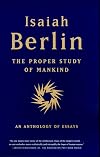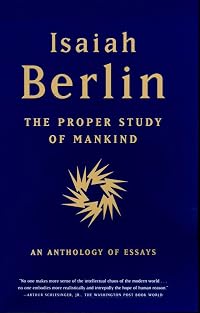
The Proper Study of Mankind: An Anthology of Essays
by Isaiah Berlin
On This Page
Description
'He becomes everyman's guide to everything exciting in the history of ideas' New York Review of Books Isaiah Berlin was one of the leading thinkers of the twentieth century, and one of the finest writers. The Proper Study Of Mankindselects some of his best essays in which his insights both illuminate the past and offer a key to the burning issues of today. The full (and enormous) range of his work is represented here, from the exposition of his most distinctive doctrine - pluralism - to show more studies of Machiavelli, Tolstoy, Churchill and Roosevelt. In these pages he encapsulates the principal movements that characterise the modern age- romanticism, historicism, Fascism, relativism, irrationalism and nationalism. His ideas are always tied to the people who conceived them, so that abstractions are brought alive. EDITED BY HENRY HARDY AND ROGER HAUSHEER AND WITH A NEW FOREWORD BY ANDREW MARR show lessTags
Recommendations








Member Reviews
There is not much to really say about this one. It only took me a while because I keep picking up books from the library and putting this on the back burner so to speak. This collection of essays is both inspiring and inspired. It demonstrates quite well the lucidity and power of his thought in a wide range of different things, though he seems to mostly focus on literary subjects. Reading his analysis of Machiavelli's The Prince was quite interesting. Nothing much else really sticks out in my memory, but I feel rather ill and shall cut this short.
a compilation of Berlin's most significant essays. This is a priceless resource for understanding the scope and profundity of Berlin's ideas. Excellently advised.
Highlights-Two Concepts of Liberty, Hedgehog and the Fox, Herder and the Enlightment
Human beings/philosophical anthropology/History > Philosophy/Political science > Philosophy
Ik kende Isaiah Berlin helemaal niet, tot ik midden jaren ’90 een abonnement nam op de New York Review of Books waarin geregeld artikelen van hem en over hem verschenen. Ik was meteen onder de indruk van zijn “wijze”, doorgedreven en helemaal niet modieuze manier van redeneren en naar de wereld te kijken. De man is me altijd blijven intrigeren, maar nog nooit had ik een langer geschrift van hem gelezen. Dat is bij deze goedgemaakt. Deze anthologie bevat zowat het belangrijkste werk dat hij geproduceerd heeft.
Wat me meteen opvalt: Berlin was helemaal geen “systeembouwer”, geen filosoof die een heel stelsel ontwikkelde of een nieuwe stroming in denken introduceerde. Integendeel zijn schrijfsels lijken voetnoten bij bepaalde show more fenomenen, opvallende figuren, en soms ook de actualiteit.
Toch ademt zijn werk een relatief grote homogeniteit: hij lijkt me de held van het verzet tegen het nominalistische denken, de in de westerse wereld al sinds de Grieken ruim verspreide idee dat de werkelijkheid één en ondeelbaar is, en te vatten in een rationeel verantwoord schema. Berlin’s meest heftige proza vind je dan ook in de passages waarin hij uitvaart tegen de pretenties van het sciëntisme, de overtuiging dat op wetenschappelijke wijze de hele werkelijkheid te doorzien en dus ook te grijpen is. Ik volg zijn redenering wel, maar naar mijn gevoelen is hij daarin iets te ver doorgeslagen; ik heb de indruk dat hij iets te radicaal de wetenschappelijke methode beperkt tot het discours dat bij het positivisme aansluit; zijn tegenstelling tussen natuur- en menswetenschappen is daardoor te absoluut; het lijkt wel of hij de evolutie binnen de natuurwetenschappen van de laatste 50 jaar bewust genegeerd heeft, namelijk die waarbij wetenschappers zelf tot het inzicht zijn gekomen dat hun handelingen en denken zich niet helemaal in een “objectiveerbaar” veld afspeelt, en dat ook in wetenschap subjectiviteit en intuïtie een plaats hebben.
Berlin is het meest radicaal in zijn verdediging van de geschiedschrijving als een geheel eigen discipline waar wetenschappelijke methoden hooguit als hulpwetenschappen gebruikt kunnen worden. Hij verkettert bijna alle pogingen om in de geschiedenis te kunnen spreken van patronen of wetten, en ook daarin lijkt hij me iets te radicaal. Ik begrijp wel waar zijn opstelling vandaan komt: in de jaren ’60 en ’70 werd heel denigrerend gedaan over geschiedenis, en bezondigden veel historici zich aan de obsessie om hun vak een (natuur)wetenschappelijk cachet te geven.
Tenslotte: herhaaldelijk komt Berlin terug op de vaststelling dat het rationele (en dus ook wetenschappelijke) denken te “mager” is om de “rijke” werkelijkheid te vatten. Hij grijpt terug op concepten als gezond verstand, of intuïtief aanvoelen om de werkelijkheid tot zijn recht te laten komen. Ook hier volg ik hem wel, maar ik heb zo mijn twijfels of deze vage concepten veel zoden aan de dijk zetten.
Kortom: Berlin is een uitdagend en waardevol denker die veel van onze nog altijd impliciet veronderstelde visies op de wereld en het leven in vraag stelt. Maar ik blijf toch wel op mijn honger als ik me afvraag wat hij dan daarvoor in de plaats stelt. show less
Wat me meteen opvalt: Berlin was helemaal geen “systeembouwer”, geen filosoof die een heel stelsel ontwikkelde of een nieuwe stroming in denken introduceerde. Integendeel zijn schrijfsels lijken voetnoten bij bepaalde show more fenomenen, opvallende figuren, en soms ook de actualiteit.
Toch ademt zijn werk een relatief grote homogeniteit: hij lijkt me de held van het verzet tegen het nominalistische denken, de in de westerse wereld al sinds de Grieken ruim verspreide idee dat de werkelijkheid één en ondeelbaar is, en te vatten in een rationeel verantwoord schema. Berlin’s meest heftige proza vind je dan ook in de passages waarin hij uitvaart tegen de pretenties van het sciëntisme, de overtuiging dat op wetenschappelijke wijze de hele werkelijkheid te doorzien en dus ook te grijpen is. Ik volg zijn redenering wel, maar naar mijn gevoelen is hij daarin iets te ver doorgeslagen; ik heb de indruk dat hij iets te radicaal de wetenschappelijke methode beperkt tot het discours dat bij het positivisme aansluit; zijn tegenstelling tussen natuur- en menswetenschappen is daardoor te absoluut; het lijkt wel of hij de evolutie binnen de natuurwetenschappen van de laatste 50 jaar bewust genegeerd heeft, namelijk die waarbij wetenschappers zelf tot het inzicht zijn gekomen dat hun handelingen en denken zich niet helemaal in een “objectiveerbaar” veld afspeelt, en dat ook in wetenschap subjectiviteit en intuïtie een plaats hebben.
Berlin is het meest radicaal in zijn verdediging van de geschiedschrijving als een geheel eigen discipline waar wetenschappelijke methoden hooguit als hulpwetenschappen gebruikt kunnen worden. Hij verkettert bijna alle pogingen om in de geschiedenis te kunnen spreken van patronen of wetten, en ook daarin lijkt hij me iets te radicaal. Ik begrijp wel waar zijn opstelling vandaan komt: in de jaren ’60 en ’70 werd heel denigrerend gedaan over geschiedenis, en bezondigden veel historici zich aan de obsessie om hun vak een (natuur)wetenschappelijk cachet te geven.
Tenslotte: herhaaldelijk komt Berlin terug op de vaststelling dat het rationele (en dus ook wetenschappelijke) denken te “mager” is om de “rijke” werkelijkheid te vatten. Hij grijpt terug op concepten als gezond verstand, of intuïtief aanvoelen om de werkelijkheid tot zijn recht te laten komen. Ook hier volg ik hem wel, maar ik heb zo mijn twijfels of deze vage concepten veel zoden aan de dijk zetten.
Kortom: Berlin is een uitdagend en waardevol denker die veel van onze nog altijd impliciet veronderstelde visies op de wereld en het leven in vraag stelt. Maar ik blijf toch wel op mijn honger als ik me afvraag wat hij dan daarvoor in de plaats stelt. show less
Mar 21, 2015Dutch
1
Ratings
Members
- Recently Added By
Lists

Modern Library 100 Best Nonfiction Books
100 works; 8 members

Art of Reading
188 works; 5 members
Author Information

86+ Works 9,184 Members
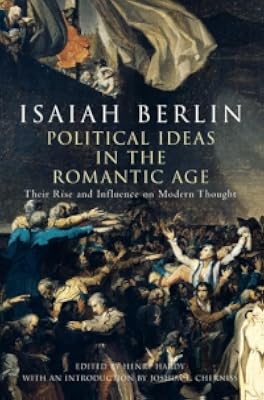
Philosopher, political theorist, and essayist, Isaiah Berlin was born in 1909 to Russian-speaking Jewish parents in Latvia. Reared in Latvia and later in Russia, Berlin developed a strong Russian-Jewish identity, having witnessed both the Social-Democratic and the Bolshevik Revolutions. At the age of 12, Berlin moved with his family to England, show more where he attended prep school and then St. Paul's. In 1928, he went up as a scholar to Corpus Christi College in Oxford. After an unsuccessful attempt at the Manchester Guardian, Berlin was offered a position as lecturer in philosophy at New College. Almost immediately, he was elected to a fellowship at All Souls. During this time at All Souls, Berlin wrote his brilliant biographical study of Marx, titled Karl Marx: His Life and Environment (1939), for the Home University Library. Berlin continued to teach through early World War II, and was then sent to New York by the Ministry of Information, and subsequently to the Foreign Office in Washington, D.C. It was during these years that he drafted several fine works regarding the changing political mood of the United States, collected in Washington Despatches 1941-1945 (1981). By the end of the war, Berlin had shifted his focus from philosophy to the history of ideas, and in 1950 he returned to All Souls. In 1957, he was elected to the Chichele Chair of Social and Political Theory, delivering his influential and best-known inaugural lecture, Two Concepts of Liberty. Some of his works include Liberty, The Soviet Mind: Russian Culture under Communism, Flourishing: Selected Letters 1928 - 1946, Political Ideas in the Romantic Age: Their Rise and Influence on Modern Thought, and Unfinished Dialogue, Prometheus. Berlin died in Oxford on November 5, 1997. (Bowker Author Biography) show less
All Editions
Awards and Honors
Notable Lists
Work Relationships
Common Knowledge
- Canonical title*
- Vapaus, ihmisyys ja historia : valikoima esseitä
- Original title
- The Proper Study of Mankind: An Anthology of Essays
- Original publication date
- 1997
- People/Characters
- Johann Gottfried Herder; Anna Akhmatova; Boris Pasternak; Leo Tolstoy; Winston Churchill; Franklin Delano Roosevelt
- Epigraph
- Know then thyself, presume not God to scan;
The proper study of Mankind is Man.
Alexander Pope, 'An essay on Man', II i - Dedication
- For Aline
- Blurbers
- Darnton, Robert; Smith, Anthony; Quinton, Anthony
- Original language
- English
*Some information comes from Common Knowledge in other languages. Click "Edit" for more information.
Classifications
- Genres
- Philosophy, Nonfiction, Politics and Government, General Nonfiction, History, Literature Studies and Criticism
- DDC/MDS
- 192 — Philosophy & psychology Modern western philosophy Philosophy of British Isles
- LCC
- B1618 .B451 .H47 — Philosophy, Psychology and Religion Philosophy (General) By period Modern By region or country
- BISAC
Statistics
- Members
- 784
- Popularity
- 35,687
- Reviews
- 5
- Rating
- (4.23)
- Languages
- 5 — English, Finnish, French, Portuguese (Portugal), Spanish
- Media
- Paper, Ebook
- ISBNs
- 14
- ASINs
- 6