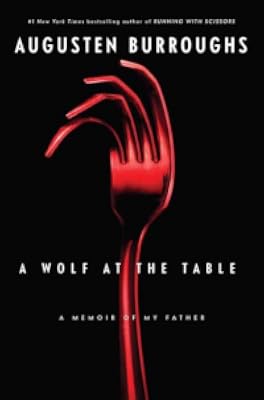
A Wolf at the Table: A Memoir of My Father
by Augusten Burroughs
On This Page
Description
The author of "Running with Scissors" delves into new territory with his most personal and unexpected memoir yet. "A Wolf at the Table" is the story of Burroughs' relationship with his father, his stunning psychological cruelty, and the redemptive power of hope.Tags
Recommendations
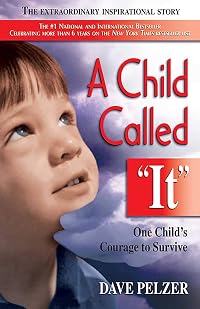
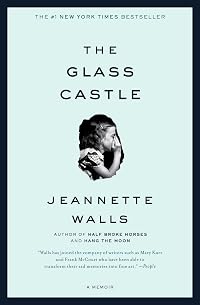
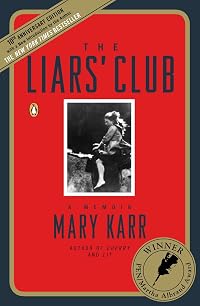
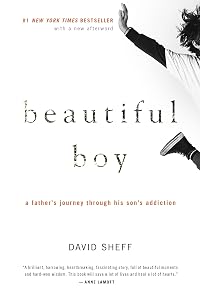
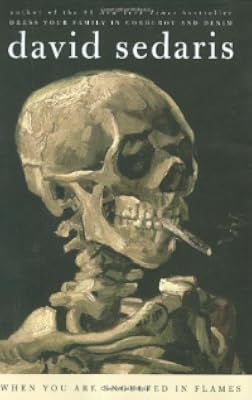
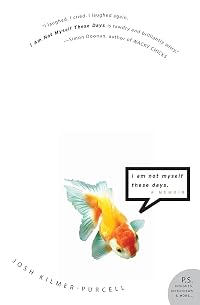
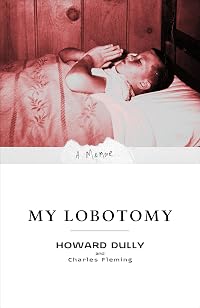
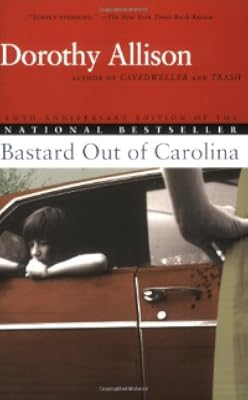




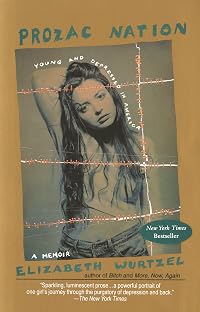
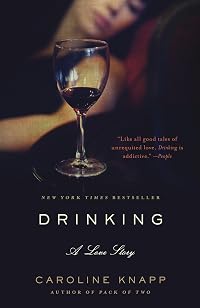

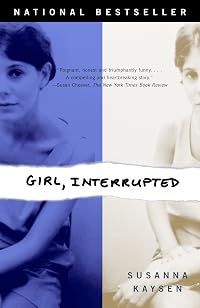
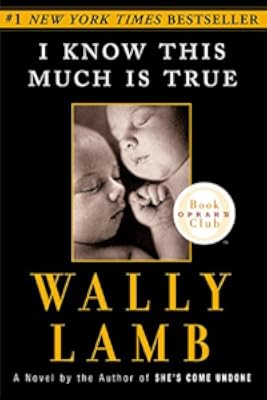


Member Recommendations
WildMaggie The personal experience of living with one versus the science of finding one.
Member Reviews
Augusten Burroughs' father never loved him. Apparently, not even one little bit. As a child, Augusten's enthusiastic greetings were stalled by his fathers ever-interfering Arms. When young Augusten decides to keep a "scientific" tally of how many times his father says "not now" or "go away" versus how many times he says "come here," the results are so overwhelmingly negative that Augusten is ashamed to say he even tried to measure such a thing. Not only was his father astonishingly unloving, he was also, as Augusten realized not too far into his young life, remarkably unlovable. Father had a sadistic streak that made simple things like owning pets or asking to get an ice cream cone exercises in terror. One after the other Burroughs show more chronicles his most horrific memories of a father who was profoundly disturbed and wonders if he will grow up to be like the monster that struck terror into anyone who could see past the surprisingly normal face he projected to the outside world.
If I were to give in to my first impression, I would have to say that, above all, this book is depressing. Probably the most depressing thing I've read all year, maybe the most depressing thing I've read in a few years. As the book moved into its second hundred pages I was reading it with the trepidation of the easily scared watching a horror movie (Oh nooo, don't leave the guinea pig behind with him! Don't ask to get an ice cream cone! Don't put those cookies in the shopping cart - it can only end badly!). After reading this book, there is surely no doubt in my mind that Burroughs' father was totally unhinged and reprehensible in nearly every way.
So, that's my initial reaction. This book is too depressing to be enjoyed. Why would any happiness seeking human being ever want to read something so utterly dispiriting?
On second look, though, it occurred to me that, whenever I could seperate myself from the unfortunate happenings inherent in this book, Augusten Burroughs is really a great writer. Despite its more depressing properties, I never once thought that I wanted to lay this book down and not finish it. From the very start, this book has a touch of brilliance. Burroughs brings to life his early childhood memories in a perfectly clear and surreal manner in which those memories tend to linger. They're filled with smells, textures, in almost photographic glimpses in which memories from such a young age seem to manifest themselves. Burroughs puts into words the essence of his childish enthusiasm for loving his father and the crushing and shameful disappointment he felt when he realized his advances never seemed to penetrate his father's, at best, indifference toward him. He pinpoints the exact moments when he began to understand, and in some measure accept, the most difficult truths about his father. He captures that tension between desperately wanting to be loved and fiercely hating the same person he can't help hoping will love him unconditionally. He insightfully contemplates what a father should be and whether he did or did not turn out to posess the worst qualities of his own father.
Now that I think about it, it may be because Burroughs' writing is so skillful that this book is so hard to read. We see and feel exactly what Burroughs intends for us to see and feel through his narrative. We come to know the youngster Burroughs was, to understand his deepest desires and to be just as disappointed, angry, and fearful as he once was. A Wolf at the Table is a painful, difficult read, but it is also a sort of cathartic masterwork of a very talented writer. show less
If I were to give in to my first impression, I would have to say that, above all, this book is depressing. Probably the most depressing thing I've read all year, maybe the most depressing thing I've read in a few years. As the book moved into its second hundred pages I was reading it with the trepidation of the easily scared watching a horror movie (Oh nooo, don't leave the guinea pig behind with him! Don't ask to get an ice cream cone! Don't put those cookies in the shopping cart - it can only end badly!). After reading this book, there is surely no doubt in my mind that Burroughs' father was totally unhinged and reprehensible in nearly every way.
So, that's my initial reaction. This book is too depressing to be enjoyed. Why would any happiness seeking human being ever want to read something so utterly dispiriting?
On second look, though, it occurred to me that, whenever I could seperate myself from the unfortunate happenings inherent in this book, Augusten Burroughs is really a great writer. Despite its more depressing properties, I never once thought that I wanted to lay this book down and not finish it. From the very start, this book has a touch of brilliance. Burroughs brings to life his early childhood memories in a perfectly clear and surreal manner in which those memories tend to linger. They're filled with smells, textures, in almost photographic glimpses in which memories from such a young age seem to manifest themselves. Burroughs puts into words the essence of his childish enthusiasm for loving his father and the crushing and shameful disappointment he felt when he realized his advances never seemed to penetrate his father's, at best, indifference toward him. He pinpoints the exact moments when he began to understand, and in some measure accept, the most difficult truths about his father. He captures that tension between desperately wanting to be loved and fiercely hating the same person he can't help hoping will love him unconditionally. He insightfully contemplates what a father should be and whether he did or did not turn out to posess the worst qualities of his own father.
Now that I think about it, it may be because Burroughs' writing is so skillful that this book is so hard to read. We see and feel exactly what Burroughs intends for us to see and feel through his narrative. We come to know the youngster Burroughs was, to understand his deepest desires and to be just as disappointed, angry, and fearful as he once was. A Wolf at the Table is a painful, difficult read, but it is also a sort of cathartic masterwork of a very talented writer. show less
Some people will never really understand why other people need to write books like this one. Why some of us drink in these awful details with an overwhelming sense of relief that says, you are not alone. They are the lucky ones. It is probably easy to go bombasting around town with a "No Fear" bumper sticker if you don't know how it feels when Big Trouble suddenly focuses on you, when you suddenly wake up and find Menace leaning over your bed. I think writing a book like this would be cathartic for even the lamest of writers, which is not the case with Augusten Burroughs.
Spare, chilling, devastating, heartbreaking.. How much a distant parent can hurt their child just by refusing to look at them, oy. Sticks and stones may break your show more bones, but words can burn in memory forever and a day.
From the book: "Maybe, I thought, I don't need a father to be happy. Maybe what you get from a father you can get somewhere else, from somebody else, later. Or maybe you can just work around what's missing, build the house of your life over the hole that is there and always will be.”
Right. Bad children need to build a better life on a foundation teetering on the edge of a hole of emptiness, put there by the unkindness, selfishness and neglect of those who were bigger and should have known better. How fortunate for the reading public that the literary house Mr. Burroughs has wrought upon the lacking foundation given to him by his parents offers us so many delightful books, full of food for thought and, thankfully, leavened with humor.
I felt so bad after reading this I immediately followed it with Dave Barry's "The Shepherd, The Angel, And Walter The Christmas Miracle Dog." I cried happy tears when the father in this book said, with great feeling, "Good Dog." A sweet story and a good chaser after all the horror of "A Wolf at the Table." show less
Spare, chilling, devastating, heartbreaking.. How much a distant parent can hurt their child just by refusing to look at them, oy. Sticks and stones may break your show more bones, but words can burn in memory forever and a day.
From the book: "Maybe, I thought, I don't need a father to be happy. Maybe what you get from a father you can get somewhere else, from somebody else, later. Or maybe you can just work around what's missing, build the house of your life over the hole that is there and always will be.”
Right. Bad children need to build a better life on a foundation teetering on the edge of a hole of emptiness, put there by the unkindness, selfishness and neglect of those who were bigger and should have known better. How fortunate for the reading public that the literary house Mr. Burroughs has wrought upon the lacking foundation given to him by his parents offers us so many delightful books, full of food for thought and, thankfully, leavened with humor.
I felt so bad after reading this I immediately followed it with Dave Barry's "The Shepherd, The Angel, And Walter The Christmas Miracle Dog." I cried happy tears when the father in this book said, with great feeling, "Good Dog." A sweet story and a good chaser after all the horror of "A Wolf at the Table." show less
In this book Burroughs captures my attention up front by saying that for years he couldn’t remember much from his childhood about his father. When it all starts coming back, it’s almost too much to bear.
He also presents himself as a sympathetic character, one that I feel a deep empathy for. One of the ways he does this is by showing how his father treated one of their dogs–and how it bothered Augusten.
They had three dogs, and Burroughs loved them all. The two larger dogs were allowed inside the house by the father. The smallest, “a little black elkhound with a curlicue tail” named Grover, was not allowed in the house. The reason was that the father, for no apparent reason, considered him an “outdoor dog.” Grover show more “practically never left the deck where he slept, pressed against the sliding glass doors.” Burroughs writes: “Like there was a special breed of dog that might die if exposed to a sofa.” This upsets Burroughs (and me). The last two paragraphs in this passage are especially poignant:
"Even on the coldest winter night when Grover was no more than a black, furry mound curled into himself and pressed up against the house, my father wouldn’t let him in.
Sometimes, I let bad thoughts linger. Like, if my father made Grover sleep outside in the cold, what stopped him from locking me out there, too? He had two sons; what if he decided to make the younger one the “outside” son?"
And, in a way, that is exactly what does happen to Burroughs.
One of the strongest threads in this book is the secret that Burroughs’ father shared with him. The question is: did it happen or not? But it’s Burroughs asking the question this time, not the reader.
If you look up reviews you will see that some critics don’t like this book. They might miss the humor they found in Running with Scissors. But this book has real heart. Some readers say that Burroughs couldn’t possibly remember the mobile above his crib. I don’t know what they are talking about because I remember a vivid event from when I was still in a crib–less than two years old. I remember my room in detail, especially the shadows and lights and special objects like my music box.
In reading reviews of this book, I noticed that Burroughs’ brother, who has Asperger’s, says he has trouble reading behavior in other people and that he believes their father had some of his own “autistic traits.” This is a controversial subject because many of us love people who have Asperger’s or are autistic. Their condition doesn’t make them cruel to children or animals.
If you had a very difficult parent, this book might break your heart. show less
He also presents himself as a sympathetic character, one that I feel a deep empathy for. One of the ways he does this is by showing how his father treated one of their dogs–and how it bothered Augusten.
They had three dogs, and Burroughs loved them all. The two larger dogs were allowed inside the house by the father. The smallest, “a little black elkhound with a curlicue tail” named Grover, was not allowed in the house. The reason was that the father, for no apparent reason, considered him an “outdoor dog.” Grover show more “practically never left the deck where he slept, pressed against the sliding glass doors.” Burroughs writes: “Like there was a special breed of dog that might die if exposed to a sofa.” This upsets Burroughs (and me). The last two paragraphs in this passage are especially poignant:
"Even on the coldest winter night when Grover was no more than a black, furry mound curled into himself and pressed up against the house, my father wouldn’t let him in.
Sometimes, I let bad thoughts linger. Like, if my father made Grover sleep outside in the cold, what stopped him from locking me out there, too? He had two sons; what if he decided to make the younger one the “outside” son?"
And, in a way, that is exactly what does happen to Burroughs.
One of the strongest threads in this book is the secret that Burroughs’ father shared with him. The question is: did it happen or not? But it’s Burroughs asking the question this time, not the reader.
If you look up reviews you will see that some critics don’t like this book. They might miss the humor they found in Running with Scissors. But this book has real heart. Some readers say that Burroughs couldn’t possibly remember the mobile above his crib. I don’t know what they are talking about because I remember a vivid event from when I was still in a crib–less than two years old. I remember my room in detail, especially the shadows and lights and special objects like my music box.
In reading reviews of this book, I noticed that Burroughs’ brother, who has Asperger’s, says he has trouble reading behavior in other people and that he believes their father had some of his own “autistic traits.” This is a controversial subject because many of us love people who have Asperger’s or are autistic. Their condition doesn’t make them cruel to children or animals.
If you had a very difficult parent, this book might break your heart. show less
This book is different from Burroughs' others; it's not done for laughs or arch amusement. Some reviewers have faulted Burroughs' descriptions of childhood perceptions as maybe overly precise, precious, over the top--but there's reasons this has to be. Burroughs' primary grievance against his father is simply that his father didn't love him. The child that he was was unseen, unheard, un-marvelled at. So Burroughs has to love the child he was, in his father's place.
His descriptions of his father's terrible, painful, and disfiguring ailments are telling as well. He acknowledges his father's pain, while keeping it at arm's length, because children can't be responsible for adult troubles.
In all, this seems like an entirely authentic show more account of Burroughs' very particular experience, an attempt to re-become the child he was while from a distance watching that boy navigate the perilous ground he must traverse to reach the present writing self.
I am glad he made it. So may we all. show less
His descriptions of his father's terrible, painful, and disfiguring ailments are telling as well. He acknowledges his father's pain, while keeping it at arm's length, because children can't be responsible for adult troubles.
In all, this seems like an entirely authentic show more account of Burroughs' very particular experience, an attempt to re-become the child he was while from a distance watching that boy navigate the perilous ground he must traverse to reach the present writing self.
I am glad he made it. So may we all. show less
Reading Augusten Burroughs could become habit-forming. A WOLF AT THE TABLE is the second of his books I've read this week. This one is certainly much darker than RUNNING WITH SCISSORS, largely without the hilarity and humor that marked that book. It's easy to see why when one begins to understand the tragedy of the relationship - or lack of one - between Burroughs and his father, John Robison, who was an alcoholic and dangerously depressed and disturbed. And yet his father was able to function for many years as a philosophy prof at UM-Amherst, where he wore "a mask" of normality, as Burroughs came to understand many years later.
There is little here about Burroughs later life and his gay assignations and relationships - a conscious show more decision on the author's part, I'm sure. Because this book was meant to be all about his father - his dark silent drinking, his sudden inexplicable rages, his occasional brutality and violence toward his wife and sons. But mostly I think Burroughs was simply trying to figure it all out, perhaps to expiate the demons and understand the recurring nightmares that haunted him for decades after he left home. Judging from the structure of the book, it seems he wrote most of the book while his father was still living, but waited to finish and published it only after his father's death.
This is a sad story, perhaps even a tragic one. But I think it's a better one that RwS, written with an intense and yearning honesty, resulting I think in a kind of redemptive self-discovery for Burroughs. The last couple of chapters dealing with his father's demise and its aftermath are wrenching enough to break your heart. I hope this book did rid Burroughs of his doubts, demons and nightmares. No one deserves a childhood like the one he endured. show less
There is little here about Burroughs later life and his gay assignations and relationships - a conscious show more decision on the author's part, I'm sure. Because this book was meant to be all about his father - his dark silent drinking, his sudden inexplicable rages, his occasional brutality and violence toward his wife and sons. But mostly I think Burroughs was simply trying to figure it all out, perhaps to expiate the demons and understand the recurring nightmares that haunted him for decades after he left home. Judging from the structure of the book, it seems he wrote most of the book while his father was still living, but waited to finish and published it only after his father's death.
This is a sad story, perhaps even a tragic one. But I think it's a better one that RwS, written with an intense and yearning honesty, resulting I think in a kind of redemptive self-discovery for Burroughs. The last couple of chapters dealing with his father's demise and its aftermath are wrenching enough to break your heart. I hope this book did rid Burroughs of his doubts, demons and nightmares. No one deserves a childhood like the one he endured. show less
This memoir of horrendous mental abuse by psychotic parents has much to recommend it if you can stomach the constant emotional pain inflicted on that child. At a minimum, one could say his mother was suicidal and his father was an alcoholic. But there was more: the ongoing threat of violence clinging to the house like a bad odor; a stench of fear; at the best of times neglect, at the worst, verbal violence; and perhaps, something else – the part the author does not, cannot remember.
Burrough’s ability to remember some events of his childhood so vividly, and to have blocked out others rings true, and is mesmerizing in its selectivity.
His longing for his father’s love was so palpable that as a child he stuffed a spare set of his show more father’s clothing and hugged it at night to get to sleep. He began to wish for his father’s death almost as passionately as he wished for his love. His mother pointed out to him the curious anomaly that he pronounced “Dad” as “Dead.” And yet he himself is determined to survive. He writes:
“I knew I had an ugly life. I knew I was lonely and I was scared. I thought something might be wrong with my father, wrong in the worst possible way. I believed he might contain a pathology of the mind – an emptiness – a knocking hollow where his soul should have been. But I also knew that one day, I would grow up. One day, I would be twenty, or thirty, or forty, even fifty and sixty and seventy and eighty and maybe even one hundred years old. And all those years were mine, they belonged to nobody but me. So even if I was unhappy now, it could all change tomorrow. … Maybe, I thought, I don’t need a father to be happy. Maybe, what you get from a father you can get somewhere else, from somebody else, later. Or maybe you can just work around what’s missing, build the house of your life over the hole that is there and always will be.”
Burroughs is a poetic writer; one wishes he were not damaged and could apply his talent to a more uplifting tale. show less
Burrough’s ability to remember some events of his childhood so vividly, and to have blocked out others rings true, and is mesmerizing in its selectivity.
His longing for his father’s love was so palpable that as a child he stuffed a spare set of his show more father’s clothing and hugged it at night to get to sleep. He began to wish for his father’s death almost as passionately as he wished for his love. His mother pointed out to him the curious anomaly that he pronounced “Dad” as “Dead.” And yet he himself is determined to survive. He writes:
“I knew I had an ugly life. I knew I was lonely and I was scared. I thought something might be wrong with my father, wrong in the worst possible way. I believed he might contain a pathology of the mind – an emptiness – a knocking hollow where his soul should have been. But I also knew that one day, I would grow up. One day, I would be twenty, or thirty, or forty, even fifty and sixty and seventy and eighty and maybe even one hundred years old. And all those years were mine, they belonged to nobody but me. So even if I was unhappy now, it could all change tomorrow. … Maybe, I thought, I don’t need a father to be happy. Maybe, what you get from a father you can get somewhere else, from somebody else, later. Or maybe you can just work around what’s missing, build the house of your life over the hole that is there and always will be.”
Burroughs is a poetic writer; one wishes he were not damaged and could apply his talent to a more uplifting tale. show less
I found this one of the saddest books I've ever read. It is as well written and as compelling as his other books. My caution is - if you have any issues with your father that are unresolved have a therapist on call while you read! I finished reading it one evening and found myself sobbing and unable to get to sleep for a long time.
Members
- Recently Added By
Author Information

16+ Works 34,736 Members
Awards and Honors
Awards
Distinctions
Common Knowledge
- Original publication date
- 2008-04-10
- Dedication
- For Christopher Schelling, who is short and mean and saved my life and gave me every start that I pointed to. This book belongs to you. Because I never could have written it without your brutish and relentless love. I know I ... (show all)never say it, but I cherish you and love you with all my heart.
- First words
- If my father caught me he would cut my neck, so I just kept going.
Classifications
Statistics
- Members
- 2,174
- Popularity
- 9,368
- Reviews
- 68
- Rating
- (3.58)
- Languages
- English, French, Hungarian
- Media
- Paper, Audiobook, Ebook
- ISBNs
- 21
- ASINs
- 14