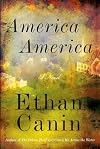
America America
by Ethan Canin
On This Page
Description
In the early 1970s, Corey Sifter, the son of working-class parents, becomes a yard boy on the grand estate of the powerful Metarey family. Soon, through the family's generosity, he is a student at a private boarding school and an aide to the great New York senator Henry Bonwiller, who is running for president of the United States. Before long, Corey finds himself involved with one of the Metarey daughters as well, and he begins to leave behind the world of his upbringing. As the Bonwiller show more campaign gains momentum, Corey finds himself caught up in a complex web of events in which loyalty, politics, sex, and gratitude conflict with morality, love, and the truth. show lessTags
Recommendations
















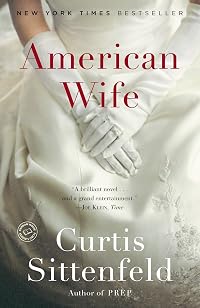

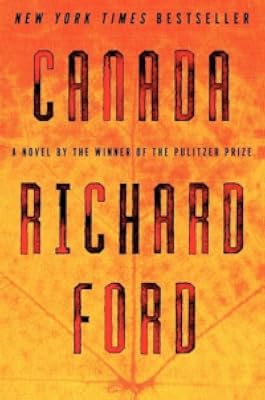

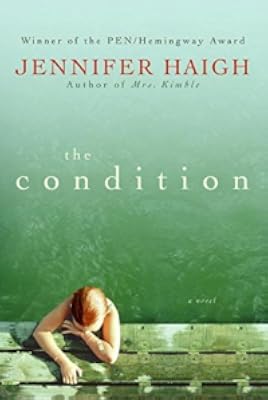
Member Recommendations
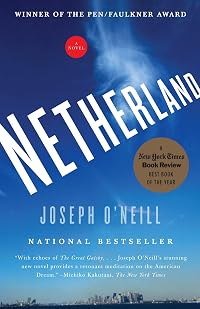
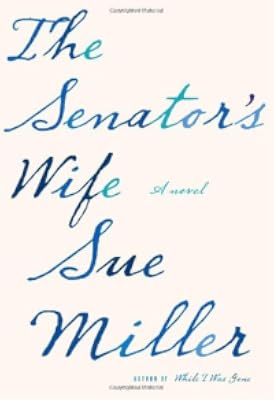
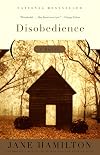
zhejw Another literary book about upstate New York political intrigue.
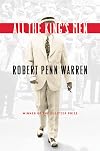
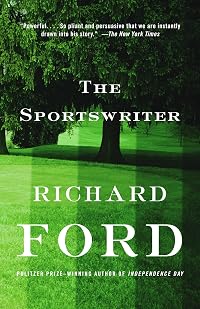
alaskabookworm A classic about the political machine.
Member Reviews
Ethan Canin's America America is the story of a working class boy who, in his role as all purpose helper, becomes an observer of a local wealthy, politically connected family, the Metareys. The tale's trajectory takes the reader along as the protagonist, Corey, is progressively disillusioned by the Metareys' idiosyncracies, political ambitions, and unethical choices.
The book's themes deal with the brutality of wealth acquisition and politics and the irony of wealthy politicians advocating populist principles, but in a disappointingly mild voice. Corey is an observer and little else, although he both benefits from and participates in the Metareys' circle, and therefore offers scant critique. Instead, he expresses tepid bemusement at the show more privileges of the wealthy, surprising given the vast class chasm separating him from the Metareys. And his guilt at assisting—however unwittingly—the Metareys' cover up of the crime of their favorite political aspirant is oddly anemic. They key struggle for Corey is how to reconcile his judgment that the Metareys are not bad people with revelations of their misdeeds.
In the end, Corey marries a Metarey daughter, perhaps signaling that the story is also about the co-option of privilege, or the ambiguity of ethical action. Nonetheless, I finished the book frustrated that even themes of brutality, crime, uncontrolled ambition, and mindless entitlement weren't cast in harsher terms. show less
The book's themes deal with the brutality of wealth acquisition and politics and the irony of wealthy politicians advocating populist principles, but in a disappointingly mild voice. Corey is an observer and little else, although he both benefits from and participates in the Metareys' circle, and therefore offers scant critique. Instead, he expresses tepid bemusement at the show more privileges of the wealthy, surprising given the vast class chasm separating him from the Metareys. And his guilt at assisting—however unwittingly—the Metareys' cover up of the crime of their favorite political aspirant is oddly anemic. They key struggle for Corey is how to reconcile his judgment that the Metareys are not bad people with revelations of their misdeeds.
In the end, Corey marries a Metarey daughter, perhaps signaling that the story is also about the co-option of privilege, or the ambiguity of ethical action. Nonetheless, I finished the book frustrated that even themes of brutality, crime, uncontrolled ambition, and mindless entitlement weren't cast in harsher terms. show less
 This review was written for LibraryThing Early Reviewers.
If you're going to give your novel a grand title like America America, you've really got to have an exceptional set of characters and plot twists to back it up. Unfortunately, I think that in choosing this title, Ethan Canin was biting off more than he could possibly chew. The book's protagonist, middle-aged reporter Corey Sifter is the classic unreliable narrator. His recollections of his youthful entanglement with a Kennedyesque political candidacy and its secrets - including an incident reminiscent of Chappaquiddick - are by turns clever and confusing. Much of the time though, it felt like I was viewing the events through a thick layer of gauze, with the finer details frustratingly obscured.
"America America/God shed his grace on thee ..."
It was a song we all learned and sang, growing up in this land of the free. And in this novel, AMERICA AMERICA, Canin has painted a vibrant and lushly detailed prose portrait of what it was like to grow up in the America of the 1970s, and has also filled in a dark and often murky background of just how this country was built. The blood, sweat and tears are all there, along with the cruelty and ruthlessness that were often the hallmarks of the early barons of industry - lumber, coal, oil and railroads.
Canin's young protagonist, Corey Sifter, is a kind of Everyman - raised by working class parents, but then lifted above his class by means of private schools and higher education, a gift show more from the wealthiest family in his upstate New York town. Liam Metarey is the third generation of immigrants who rose to that robber baron level of extreme wealth. Unlike his ruthless father, Liam is a decent man, a king-builder who supports the presidential candidacy of New York senator, Henry Bonwiller, and along the way takes young Corey under his wing and teaches him the ways of the world. Under Liam's tutelage, Corey learns much, some lessons much harder than others.
Canin has created a large cast of fully human characters in the Metarey and Sifter families, as well as the conflicted Bonwiller with his grandiose ambitions, vain affectations and ultimately fatal flaws. He employs a first-person narrative - Corey looking back at those heady times leading up to a national election from an adult perspective, thirty-plus years later. He has become the owner publisher of a small independent newspaper in a time when such businesses are going the way of the buffalo. There is wisdom, but also much doubt and wonder about the human condition in the voice Canin has given to Corey. And that is what makes this book so magical, so real, so nearly perfect as a fictional representation of how it was in the Nixon years, the Vietnam war years.
Perhaps I was able to identify so closely with Corey because I was a college student myself during those times of unrest and protest. I was already a veteran, and, much like Corey Sifter, I did not participate in all those things. Instead I kept my head down and concentrated on my studies, feeling so often like a fraud, like one who didn't deserve to be at college, desperate to prove myself, to earn the exalted slot I'd found myself in, going for that degree. My father, like Corey's, had never gone to college.
Ah, hell. I know I'm tripping over my own tongue here, trying to convey how much I enjoyed this book, how I was transported back and forth in time by the jumps from past to present in the narrative; how often I had to simply stop reading and think about where I'd been and what I'd been doing during those times. Because Corey's story brought so much back from those eventful, turbulent, troubled times.
And there are scenes here which will just break your heart too, where Canin skillfully shows you the truth in the saying, "sometimes less is more." Try reading the section where Corey comes home from school the first time after his mother has died and watches his father in the kitchen, carefully preparing their simple supper." What will break your heart here are the things that are NOT said. Less is more.
And then there is the lavish party thrown for thousands at the Metarey estate when the Bonwiller campaign is in serious disarray, and, as the party-goers swiftly begin to slip too soon away, the Ray White quintet playing, finally, its bluesy "mournful rendition of 'America the Beautiful'."
Or consider Corey's mature reflections on how family forms, influences and affects us: "... I had the first inkling then of what I know now from experience - that not only are our parents buried cryptically inside each of us, but that we are buried just as cryptically inside each of them, and that we may look in either direction to see the secrets of our children and ourselves."
This kind of quiet, stately wisdom is found througout this book. The kind of stuff that makes you sit back and think, 'Yeah, he's right; that's the way it really is." And at the same time you're just marveling at Canin's skill, at this unusual insight into how people think, how they just are.
There's nothing sensational in the way Ethan Canin writes. But there is a kind of measured, quiet dignity in his diction, in his choice of words, in what he chooses to elucidate - and his choices are always the right ones. I found the same qualities in his earlier book, CARRY ME ACROSS THE WATER. This newer, considerably longer book, digs a little deeper, sheds a little more light on the people and forces that have shaped this country. AMERICA AMERICA indeed. With it, Ethan Canin continues to make the world of American letters a richer, better place. I can't wait to see what he comes up with next. show less
It was a song we all learned and sang, growing up in this land of the free. And in this novel, AMERICA AMERICA, Canin has painted a vibrant and lushly detailed prose portrait of what it was like to grow up in the America of the 1970s, and has also filled in a dark and often murky background of just how this country was built. The blood, sweat and tears are all there, along with the cruelty and ruthlessness that were often the hallmarks of the early barons of industry - lumber, coal, oil and railroads.
Canin's young protagonist, Corey Sifter, is a kind of Everyman - raised by working class parents, but then lifted above his class by means of private schools and higher education, a gift show more from the wealthiest family in his upstate New York town. Liam Metarey is the third generation of immigrants who rose to that robber baron level of extreme wealth. Unlike his ruthless father, Liam is a decent man, a king-builder who supports the presidential candidacy of New York senator, Henry Bonwiller, and along the way takes young Corey under his wing and teaches him the ways of the world. Under Liam's tutelage, Corey learns much, some lessons much harder than others.
Canin has created a large cast of fully human characters in the Metarey and Sifter families, as well as the conflicted Bonwiller with his grandiose ambitions, vain affectations and ultimately fatal flaws. He employs a first-person narrative - Corey looking back at those heady times leading up to a national election from an adult perspective, thirty-plus years later. He has become the owner publisher of a small independent newspaper in a time when such businesses are going the way of the buffalo. There is wisdom, but also much doubt and wonder about the human condition in the voice Canin has given to Corey. And that is what makes this book so magical, so real, so nearly perfect as a fictional representation of how it was in the Nixon years, the Vietnam war years.
Perhaps I was able to identify so closely with Corey because I was a college student myself during those times of unrest and protest. I was already a veteran, and, much like Corey Sifter, I did not participate in all those things. Instead I kept my head down and concentrated on my studies, feeling so often like a fraud, like one who didn't deserve to be at college, desperate to prove myself, to earn the exalted slot I'd found myself in, going for that degree. My father, like Corey's, had never gone to college.
Ah, hell. I know I'm tripping over my own tongue here, trying to convey how much I enjoyed this book, how I was transported back and forth in time by the jumps from past to present in the narrative; how often I had to simply stop reading and think about where I'd been and what I'd been doing during those times. Because Corey's story brought so much back from those eventful, turbulent, troubled times.
And there are scenes here which will just break your heart too, where Canin skillfully shows you the truth in the saying, "sometimes less is more." Try reading the section where Corey comes home from school the first time after his mother has died and watches his father in the kitchen, carefully preparing their simple supper." What will break your heart here are the things that are NOT said. Less is more.
And then there is the lavish party thrown for thousands at the Metarey estate when the Bonwiller campaign is in serious disarray, and, as the party-goers swiftly begin to slip too soon away, the Ray White quintet playing, finally, its bluesy "mournful rendition of 'America the Beautiful'."
Or consider Corey's mature reflections on how family forms, influences and affects us: "... I had the first inkling then of what I know now from experience - that not only are our parents buried cryptically inside each of us, but that we are buried just as cryptically inside each of them, and that we may look in either direction to see the secrets of our children and ourselves."
This kind of quiet, stately wisdom is found througout this book. The kind of stuff that makes you sit back and think, 'Yeah, he's right; that's the way it really is." And at the same time you're just marveling at Canin's skill, at this unusual insight into how people think, how they just are.
There's nothing sensational in the way Ethan Canin writes. But there is a kind of measured, quiet dignity in his diction, in his choice of words, in what he chooses to elucidate - and his choices are always the right ones. I found the same qualities in his earlier book, CARRY ME ACROSS THE WATER. This newer, considerably longer book, digs a little deeper, sheds a little more light on the people and forces that have shaped this country. AMERICA AMERICA indeed. With it, Ethan Canin continues to make the world of American letters a richer, better place. I can't wait to see what he comes up with next. show less
Corey Sifter grew up during the Nixon era in a working class family in New York. However, when we took a job with Liam Metarey, a wealthy businessman and political supporter of Henry Bonwiller, he was quickly exposed to a world that was unlike his own. We learn that Bonwiller's run for President was marked by untoward events early in the book, when Corey is attending his funeral, but the details are meted out slowly in a series of flashbacks.
This is a deliberate book, written with detail. Although the shifts from one time period to another sometimes interrupt the flow of the story, they make it feel like Corey is really reflecting back on his high school and college days. Such reflections are rarely linear, and so the structure of the show more story makes sense. Corey's relationships with his own parents and with Liam Metarey are clearly important in his life, pulling him into vastly different worlds. By telling the story through flashbacks, Canin is able to show us how these relationships have influenced the type of man Corey has become. This is also a book of big ideas. Writing about a time in which American politics and the American identity was shifting, Canin raises questions about the political prcoess that are still relevant today. show less
This is a deliberate book, written with detail. Although the shifts from one time period to another sometimes interrupt the flow of the story, they make it feel like Corey is really reflecting back on his high school and college days. Such reflections are rarely linear, and so the structure of the show more story makes sense. Corey's relationships with his own parents and with Liam Metarey are clearly important in his life, pulling him into vastly different worlds. By telling the story through flashbacks, Canin is able to show us how these relationships have influenced the type of man Corey has become. This is also a book of big ideas. Writing about a time in which American politics and the American identity was shifting, Canin raises questions about the political prcoess that are still relevant today. show less
Well, it took me quite a while to get into this book (about a hundred pages), but I persevered in a timely fashion since this was an ER book, and ended up enjoying it for the most part nearly despite myself, though I doubt I'll remember anything about it a few months from now. The story, once told, is a fairly simple one, but the structure is complicated. This in itself isn't a turn-off for me; the problem throughout, and looking back, is that there are many times when I feel like the author is toying with the reader. He seems to hold back information not because it makes sense for the story, or because it's convenient, but because he wants to sustain a sense of mystery/suspense. When it comes down to it, the resolve of the "suspense" show more isn't all that shocking, or surprising. I feel like Canin needed to have more faith that the story was worth telling as it was instead of feeling like he needed to build up a somewhat artificial sense of mystery. This is a pet peeve of mine truthfully, so it did taint the full read for me, and drastically. Otherwise, the book was interesting, and fairly well-written, though not memorably so. Time got somewhat confused at a few points because of the jumping structure, but less than I would have expected in a book like this, and overall the characters were clear and well-developed. My only other criticism is that I feel the title is a bit presumptious, and the book is trying a bit too hard to be literary instead of simply telling a worthwhile story well.
I suppose in the end, I felt satisfied by the book, certainly enough so that I'm curious about Canin's other work. However, I did find it very dull at points, and the dialogue sometimes felt stilted. If this had not been an ER book, I have a feeling that I would have taken months to read it instead of weeks, and so found the names and jumps in time more confusing than they occasionally were. In the end, the more I look back at the read, the more I see many points when Canin made it much more complicated and needlessly mysterious than the story called for, which I admit makes me somewhat skeptical of looking at his other works, or ever coming back to this one.
Afternote to the review: Having just finished All the King's Men by Robert Penn Warren, I think I see now what Canin was going for in structuring and building his book in the fashion it came across in. Unfortunately, it actually makes me have less respect for Canin's work, as at the time I gave him the benefit of the doubt in feeling that he was trying something somewhat innovative. Now, looking back to America and America and being where I am today, I feel more as if Canin was attempting to copy Warren's style to create his own masterpiece---but, compared, Canin's work is lacking in every respect unfortunately. For any reader interested in this work, I'd direct them fifty years earlier to Robert Penn Warren instead. This may sound like a harsh directive, but the books beg to be compared when read by the same reader, and there's no question which is the masterpiece, which the attempt at survival. show less
I suppose in the end, I felt satisfied by the book, certainly enough so that I'm curious about Canin's other work. However, I did find it very dull at points, and the dialogue sometimes felt stilted. If this had not been an ER book, I have a feeling that I would have taken months to read it instead of weeks, and so found the names and jumps in time more confusing than they occasionally were. In the end, the more I look back at the read, the more I see many points when Canin made it much more complicated and needlessly mysterious than the story called for, which I admit makes me somewhat skeptical of looking at his other works, or ever coming back to this one.
Afternote to the review: Having just finished All the King's Men by Robert Penn Warren, I think I see now what Canin was going for in structuring and building his book in the fashion it came across in. Unfortunately, it actually makes me have less respect for Canin's work, as at the time I gave him the benefit of the doubt in feeling that he was trying something somewhat innovative. Now, looking back to America and America and being where I am today, I feel more as if Canin was attempting to copy Warren's style to create his own masterpiece---but, compared, Canin's work is lacking in every respect unfortunately. For any reader interested in this work, I'd direct them fifty years earlier to Robert Penn Warren instead. This may sound like a harsh directive, but the books beg to be compared when read by the same reader, and there's no question which is the masterpiece, which the attempt at survival. show less
This review was written for LibraryThing Early Reviewers.I have had the recorded version of America America by Ethan Canin for several years and finally decided to listen to it. It turned out to be very apropos for this election season. It is a retelling of the Edward Kennedy Chapaquidic episode that resulted in the death of Mary Jo Kopeckne. The novel is told from the point-of-view of sixteen year-old Cory Sifter who is the driver/handyman for the man who is the campaign manager for a potential Presidential candidate in 1970's America. The novel was well plotted and the characters engaging. What was an unexpected surprise was the narrator. Robinson Davies had a perfect voice for this novel and it greatly enhanced the experience of reading/listening to the novel. There were a few places were show more the novel dragged but listening to Davies was a pleasure. show less
America, America is Ethan Canin’s masterful portrait of American political life on the cusp of Watergate, balanced between the relative naiveté of amateur-driven, old school politicking and the cynical, scandal-worn future of professionally-run campaigns driven by instant access to information.
The story of Senator Henry Bonwiller’s 1972 campaign for President is told by Corey Sifter, son of working-class parents who is taken under the wing of the powerful Metarey family. The derailment of Bonwiller’s campaign (with its heavy tones of Ted Kennedy’s Chappaquiddick adventure) is more morality play than murder mystery. Through Sifter’s first-hand participation as a minor campaign worker and his later reminiscences touched off by show more the Senator’s death, Canin unfolds the parallel stories of how Bonwiller’s downfall played a key part in the country’s and Sifter’s political maturation.
This is not a fast paced book, but it is beautifully told, pitch perfect, and, particularly for readers who came of age prior to Watergate, poignantly captures the last glimmers of an earlier political era. show less
This review was written for LibraryThing Early Reviewers.Members
- Recently Added By
Published Reviews
ThingScore 50
“America America” doesn’t quite earn its grand, double-barrelled title, but its reach is wide and its touch often masterly.
added by zhejw
Lists

Unreliable Narrators
170 works; 43 members
Author Information

11+ Works 3,973 Members
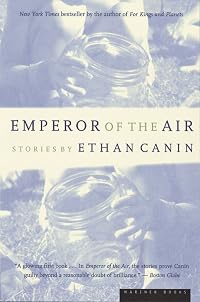
Ethan Canin was born in Michigan, in 1960. Although he did not publish his first book, a collection of short stories titled Emperor of the Air until 1988, he has enjoyed considerable success in a short period of time. The collection of short stories received high praise and encouragement from Danielle Steel, Canin's high school English teacher. show more All the more impressive is the fact that the book was written and published while Canin was at Harvard Medical School, where he received his M.D. in 1992. Canin asserts that medicine is a more useful profession than fiction writing. Canin's subsequent books include The Palace Thief (1994), a collection of stories that appeared in Esquire, Granta and The Paris Review; the novel Blue River (1991); and For Kings and Planets (1998). In addition to his M.D., Canin earned his undergraduate degree at Stanford in 1982 and his M.F.A. from the University of Iowa in 1984. Canin lives in California and has taught creative writing at the University of Iowa, Columbia University, The University of Michigan, The University of California at Irvine, and San Francisco State University. (Bowker Author Biography) Ethan Canin is the author of "For Kings & Planets", "The Palace Thief", "Blue River", & "Emperor of the Air". He is a graduate of Harvard Medical School & on the faculty of the University of Iowa Writer's Workshop. He lives in California & Iowa. (Publisher Provided) show less
Some Editions
Awards and Honors
Awards
Distinctions
Series
Belongs to Publisher Series
Common Knowledge
- Canonical title
- America America
- Original publication date
- 2008-06-24
- Important places
- Buffalo, New York, USA
- Important events
- Vietnam War
Classifications
Statistics
- Members
- 867
- Popularity
- 31,389
- Reviews
- 98
- Rating
- (3.72)
- Languages
- 7 — Danish, Dutch, English, French, Italian, Norwegian, Spanish
- Media
- Paper, Audiobook, Ebook
- ISBNs
- 22
- ASINs
- 7