On This Page
Description
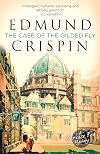
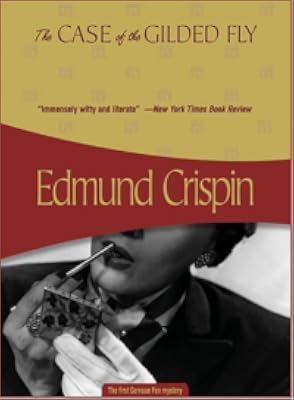
Fiction. Mystery. Historical Fiction. HTML:It is October 1940 and at Oxford the Full Term has just begun. Robert Warner, up and coming playwright known for his experimental approach, has chosen an Oxford repertory theater for the premiere of his latest play, Metromania. Together with his cast he comes to Oxford to rehearse a week before the opening, but Warner's troupe is a motley group of actors among whom is the beautiful but promiscuously dangerous Yseut Haskell . She causes quite a stir show more with her plots, intrigues and love triangles. When she is found shot dead in the college room of a young man who is infatuated with her, everyone is puzzled and worried –most of the actors have had a reason to get rid of the femme fatale and few have alibis.The police are at loss for answers and are ready to proclaim the incident as suicide, but Gervase Fen, an Oxford don and professor of literature, who thrives off solving mysteries, is ready to help.
The Case of the Gilded Fly, first published in 1944, is Edmund Crispin's debut novel and also the first Gervase Fen Mystery. show less
Tags
Recommendations



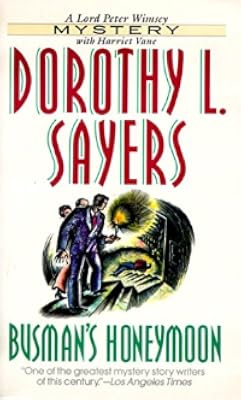
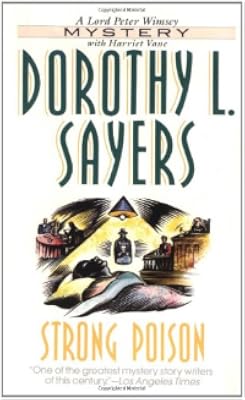


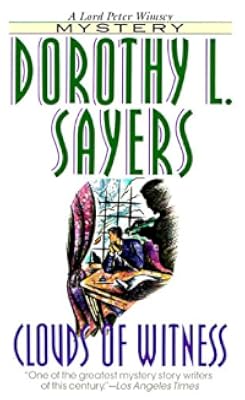
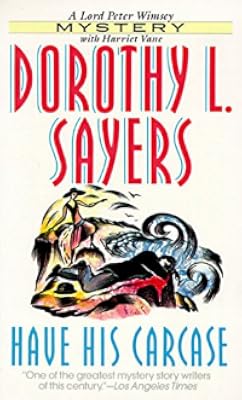













Member Recommendations

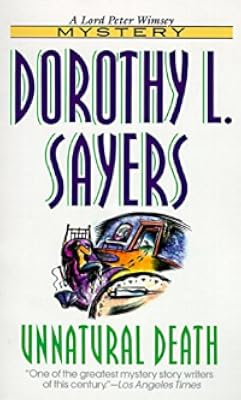
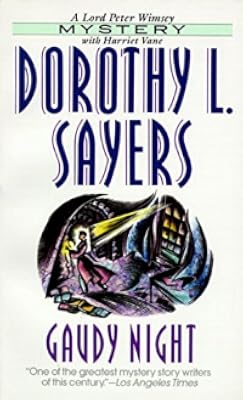
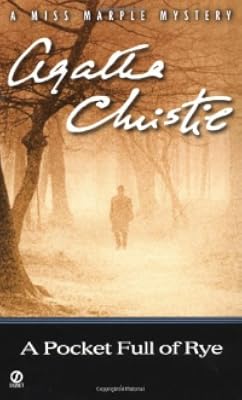
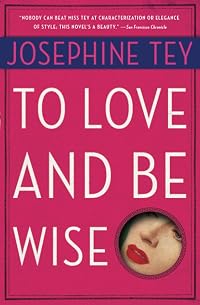
themulhern The humorous description of the train journeys at the start of both books..."Appleby's End" was published just a year after "The Case of the Gilded Fly", in 1945.
Member Reviews
‘El misterio de la mosca dorada’ (The Case of the Gilded Fly, 1944), del inglés Edmund Crispin, pseudónimo de Bruce Montgomery (1921-1978), pertenece a la Edad de Oro de las novelas de detectives. Como es habitual, Crispin integra a la perfección el humor británico con un misterio por resolver. Pero Crispin fue más allá en lo que eran las historias de detectives, el juego intelectual de plantear un misterio, ya que sus tramas están plagadas de suculentas citas literarias y de alusiones a obras clásicas de la literatura británica.
El protagonista principal de las novelas de Edmund Crispin es Gervase Fen, profesor de Literatura Inglesa, que ejerce en Oxford, más concreto en el ficticio St. Christopher’s College. Gervase, show more detective aficionado, es tan excéntrico y como brillante, para desesperación de sus allegados.
‘El misterio de la mosca dorada’ es la primera novela donde aparece Gervase Fen. La historia está ambientada en Oxford, y los hechos centrales se mueven en torno a una obra de teatro que se va a representar en esta ciudad. Los primeros capítulos tratan sobre los dimes y diretes de los diferentes actores, director y amigos de estos, incluido Gervase Fen y Nigel Blake, siendo este último a través del que iremos conociendo la mayor parte de los hechos. Los celos y las rivalidades se suceden, estando en el centro de todo ello la maliciosa Yseut Haskell, actriz en ciernes. Y es que Yseut se convierte en un dolor de cabeza para todo el mundo. Al poco, aparece muerta, en lo que es un asesinato que quiere hacerse pasar por suicidio. La inquina y el odio que le procesaban sus compañeros, los convertirá a todos en sospechosos.
La novelas de Edmund Crispin son deliciosas, y ya estoy esperando con ansia una nueva traducción de otro de sus libros. show less
El protagonista principal de las novelas de Edmund Crispin es Gervase Fen, profesor de Literatura Inglesa, que ejerce en Oxford, más concreto en el ficticio St. Christopher’s College. Gervase, show more detective aficionado, es tan excéntrico y como brillante, para desesperación de sus allegados.
‘El misterio de la mosca dorada’ es la primera novela donde aparece Gervase Fen. La historia está ambientada en Oxford, y los hechos centrales se mueven en torno a una obra de teatro que se va a representar en esta ciudad. Los primeros capítulos tratan sobre los dimes y diretes de los diferentes actores, director y amigos de estos, incluido Gervase Fen y Nigel Blake, siendo este último a través del que iremos conociendo la mayor parte de los hechos. Los celos y las rivalidades se suceden, estando en el centro de todo ello la maliciosa Yseut Haskell, actriz en ciernes. Y es que Yseut se convierte en un dolor de cabeza para todo el mundo. Al poco, aparece muerta, en lo que es un asesinato que quiere hacerse pasar por suicidio. La inquina y el odio que le procesaban sus compañeros, los convertirá a todos en sospechosos.
La novelas de Edmund Crispin son deliciosas, y ya estoy esperando con ansia una nueva traducción de otro de sus libros. show less
This somewhat intellectual "locked room" mystery features a professor solving the murder of an actress with a bad reputation when it comes to men. The police believe it to be a case of suicide, but Gervase Fen makes a compelling case for why it is not. This tedious and boring book contains attempts at humor. The characters grated on my nerves, partly because I disliked the "theatrical" setting, and partly because of their unlikable natures. Even the professor himself fails to engage the reader. I kept plugging away at it, hoping the book would improve. In the end I wished I returned this one to my friend long ago unread.
Where I got the book: purchased used through Amazon. Absolutely marvelous dreadful cover.
Having had a few days to allow this murder mystery to percolate through my brain, I have come to the conclusion that the whole thing is a novel-length p*ss-take of the genre and that the author was laughing up his sleeve at the reader the whole time. Set in Oxford during World War II, the story revolves around a repertory theater group who are putting on--from scratch in one week--a play by a brilliant playwright who is also involved in the production. Bitchy actress Yseut makes trouble for everyone and practices her seductive wiles on as many men as possible, and gets her comeuppance via a bullet hole in the head. Is the ring on her finger (a show more gilded fly) a clue?
We are introduced to the amateur detective Gervase Fen, a professor and literary critic who works out the crime in three minutes and spends the rest of the book dropping hints about how he knows what went on but he's not going to tell anyone until they've worked it out for themselves, neener neener neener. This, of course, allows time for another murder to take place, so Fen is in fact responsible for a death. In the meantime, the rest of the cast and crew get on with the show that must go on, nobody really caring a rat's *ss about the murder victim because she was a beyotch and a ho anyway. Which demonstrates that the author knew a lot about actors.
Fen makes me think of the lead character in the brilliant BBC Sherlock, so irritating he's fascinating (I think the original Sherlock was supposed to be that way, but time has hallowed him). The supporting cast is fairly unmemorable, except for Mrs. Fen whom I adore utterly. The "official" detective--whose passion is for literary criticism--is an absolutely brilliant idea, but he's not rounded out well enough for me.
Yep, I honestly think that everything I found annoying about this book was put there on purpose to annoy. I think Crispin was having his bit o' fun with us stupid readers. When he makes Fen say, mid-book, "In fact I'm the only literary critic turned detective in the whole of fiction", I think he's showing us right there that his intention is to subvert the murder mystery genre rather than add to it.
The writing, on the other hand, was superb and often very funny. Crispin displays very little sympathy for the world he describes and the people in it; he's laughing AT everyone, I swear.
This book may get a re-read just because. In the meanwhile, my feelings about a rating hover between a 3 (for being bloody annoying) and a 5 (for being a bloody good writer). Let's just call it a 4 and have done with it. show less
Having had a few days to allow this murder mystery to percolate through my brain, I have come to the conclusion that the whole thing is a novel-length p*ss-take of the genre and that the author was laughing up his sleeve at the reader the whole time. Set in Oxford during World War II, the story revolves around a repertory theater group who are putting on--from scratch in one week--a play by a brilliant playwright who is also involved in the production. Bitchy actress Yseut makes trouble for everyone and practices her seductive wiles on as many men as possible, and gets her comeuppance via a bullet hole in the head. Is the ring on her finger (a show more gilded fly) a clue?
We are introduced to the amateur detective Gervase Fen, a professor and literary critic who works out the crime in three minutes and spends the rest of the book dropping hints about how he knows what went on but he's not going to tell anyone until they've worked it out for themselves, neener neener neener. This, of course, allows time for another murder to take place, so Fen is in fact responsible for a death. In the meantime, the rest of the cast and crew get on with the show that must go on, nobody really caring a rat's *ss about the murder victim because she was a beyotch and a ho anyway. Which demonstrates that the author knew a lot about actors.
Fen makes me think of the lead character in the brilliant BBC Sherlock, so irritating he's fascinating (I think the original Sherlock was supposed to be that way, but time has hallowed him). The supporting cast is fairly unmemorable, except for Mrs. Fen whom I adore utterly. The "official" detective--whose passion is for literary criticism--is an absolutely brilliant idea, but he's not rounded out well enough for me.
Yep, I honestly think that everything I found annoying about this book was put there on purpose to annoy. I think Crispin was having his bit o' fun with us stupid readers. When he makes Fen say, mid-book, "In fact I'm the only literary critic turned detective in the whole of fiction", I think he's showing us right there that his intention is to subvert the murder mystery genre rather than add to it.
The writing, on the other hand, was superb and often very funny. Crispin displays very little sympathy for the world he describes and the people in it; he's laughing AT everyone, I swear.
This book may get a re-read just because. In the meanwhile, my feelings about a rating hover between a 3 (for being bloody annoying) and a 5 (for being a bloody good writer). Let's just call it a 4 and have done with it. show less
I really like a lot about this novel. The wit and humor is top-notch. Its self-referential/self-awareness is awesome. The subtle (and not-so) subtle satire and homage and parody are neat. The inclusion of little random sidesteps (the parrot? the fly?) is interesting. I think Fen is a character that either you understand and enjoy or you just simply don't "get." If you are one of the latter, I do feel bad because then this book is going to be wretched for you.
The pacing is a little sketchy. The murder resolution is also a bit difficult to piece together. Some of the novel seems a bit too meandering. Its a first effort written by an undergraduate, though. I will definitely read more Crispin.
The pacing is a little sketchy. The murder resolution is also a bit difficult to piece together. Some of the novel seems a bit too meandering. Its a first effort written by an undergraduate, though. I will definitely read more Crispin.
If you enjoy mid-century British murder mysteries, you should find this satisfying, for it contains all the prerequisite elements: a large cast of suspects (the cast & crew of an Oxford dramatic production); an unlikeable victim (a female actress/femme fatale); a "how could the murder possibly have happened" intellectual puzzle; lots of clues; a complicated timetable; and an eccentric detective - Gervase Fen, irrascable college English Lit don, in harness with a literature-loving Scotland Yard inspector. Crispin's a competent writer and a deft hand at irony.
Unfortunately, the novel also includes many genre staples that date these novels and sometimes render them less accesssible/entertaining to modern audiences: little/no character show more development; a bewildering cast of characters (many of them with similar names, just to add to the confusion); lots of improbable coincidence; little action; and that hoariest of cliches, the "gather all the suspects in the living room and announce the murderer" denoument.
As it happens, I'm a fan of the Golden Age of British mystery (viva la Agatha Christie!), but even so, had trouble warming up to this one. One major reason is the red herrings. I love a cunningly planted misdirection as well as the next gal, but the problem here is that the red herrings (sorry - can't list them without spoiling the ending) turn out not to be even peripherally related to the outcome; which still might be forgivable if only the red herrings weren't so much more entertaining and fraught with dramatic potential than the rather lame, unexceptional solution that is eventually provided! A second reason I think I had trouble warming to this was way Crispin basically "phones in" the character of Gervase Fen. In later books in the series, he develops into an intriguing and believable character; in this first outing, however, Crispin does little to make Fen's eccentricities either relevant or interesting.
So there it is: though not without flaws, Gilded Fly is a creditable archetype of the genre, and you could certainly do a whole lot worse. (Cough - mysteries featuring cats, quilts, or recipes - cough!) show less
Unfortunately, the novel also includes many genre staples that date these novels and sometimes render them less accesssible/entertaining to modern audiences: little/no character show more development; a bewildering cast of characters (many of them with similar names, just to add to the confusion); lots of improbable coincidence; little action; and that hoariest of cliches, the "gather all the suspects in the living room and announce the murderer" denoument.
As it happens, I'm a fan of the Golden Age of British mystery (viva la Agatha Christie!), but even so, had trouble warming up to this one. One major reason is the red herrings. I love a cunningly planted misdirection as well as the next gal, but the problem here is that the red herrings (sorry - can't list them without spoiling the ending) turn out not to be even peripherally related to the outcome; which still might be forgivable if only the red herrings weren't so much more entertaining and fraught with dramatic potential than the rather lame, unexceptional solution that is eventually provided! A second reason I think I had trouble warming to this was way Crispin basically "phones in" the character of Gervase Fen. In later books in the series, he develops into an intriguing and believable character; in this first outing, however, Crispin does little to make Fen's eccentricities either relevant or interesting.
So there it is: though not without flaws, Gilded Fly is a creditable archetype of the genre, and you could certainly do a whole lot worse. (Cough - mysteries featuring cats, quilts, or recipes - cough!) show less
Edmond Crispin is one of those select British mystery authors best read by English Literature scholars. While Peter Whimsey may occasionally quote the classic poets and playwrights, Crispin's Gervase Fen revels in them. I've read Crispin before, many years ago, and I'm afraid that this travel into Oxford, 1940, left me more annoyed than amused. Given a perfectly good locked room murder of someone whom everyone hates, Crispin gummed it up with juvenile romanticism, a thoroughly ludicrous means of death, and the annoying habit of postponing Fen's insights until the last, insufferably long denouncement. If only he didn't occasionally write such wonderful prose, I'd tell everyone to avoid this book like the plague. But I have to smile when show more I read about the Aston Arms pub, “Every suggestion of improvement or modernization was grimly resisted by the management, which consisted of a large, ancient man manifestly disintegrating at a great rate into his component chemical elements” Or, “Our moralities, our democracy, have taught us to suffer fools gladly, and now we suffer from an overplus of fools.” I'm on a mission to read all of Crispin's Fen mysteries; hopefully this was a rough precursor. show less
I've been a Crispin fan, in a subliminal sort of way, for years. I read several – probably picked up at library sales – and quietly reveled in the sharp wit and erudition. And then kind of forgot about them; Crispin has been on my List for a long time, but I've never bestirred myself to finish my collection. So I was tickled when this first book in the series – which I'd never picked up before – became the book-of-the-month at the revived Goodreads English Mysteries Group.
It's been a long time since I've read a Gervase Fen mystery. And now I'm going to have to go back and read the others again, because I want to know if I still like them. I'm none too sure I really liked this one.
Great line: "Thank you, Miss Whitelegge. show more You've been involuntarily informative to a high degree."
The sharp wit was very much in evidence – so sharp it drew blood in a few places. The erudition was very much there – the sort of careless sophistication that tosses off literary reference and foreign language commentary without explanation or translation, as a reminder that either general education was much more thorough in England in the first half of the 20th century … or that Edmund Crispin's education was ever so much better. Or simply that mine wasn't. This culminated in an extraordinarily frustrating reference-drop in the very last chapter; without spoilers, the provenance of a major component of the murder scene, left almost completely unexplained up to that point, is questioned, and Fen tosses off "I believe it was in Act IV, scene iv." He mentions Shakespeare. Which play? You mean you don't know? Tut tut. (A kind friend clued me in before I had to go Goodsearch: It's King Lear.)
The tone of the book is almost painfully modern (or is it postmodern?). I'm fairly sure other writers were still tap dancing around extra-marital love affairs to some degree, unless of course I'm mentally whitewashing. Not Crispin. His characters make statements about their love lives and wait for audience reaction. The play at the heart of the book is terribly, terribly modern; the sexual mores are modern; the attitudes – well, you get the idea. If there had been any paintings discussed in the book they would have been either all sharp and ugly angles, or Pollocks, all filled with the deepest meaning or aggressively without meaning. At the same time, the deep roots of Oxford are well utilized, dim old rooms and history clinging in the stairwells and organ loft – but it's very clear that the world is changing. This could be down to the War: blackout must be observed (and there is a really wonderful quick moment when an exception is made), and there are a few other glances toward the Blitz and the front, but on the whole I found it easy to forget this was supposed to be taking place some five years into Britain's war effort.
Something I kept finding in looking up Edmund Crispin was the constant refrain of how much Gervase Fen owes to Lord Peter Wimsey. So I found this quote utterly remarkable:
Fen: "But don't you see, whatever I do, I shall have it on my conscience till I reach the grave."
Mrs. Fen: "Nonsense, Gervase, you're exaggerating. Either way, you'll have forgotten completely about it in three months. Anyway, a detective with a conscience is ludicrous. If you're going to make all this fuss about it afterwards, you shouldn't interfere in these things at all."
Well. Well, well, well. So … was this a snark from Crispin directly at Lord Peter? It can't but be so. This was originally published in 1944, after the bulk (if not all) of the Lord Peter material had been released. There's no doubt Crispin knew Lord Peter – if nothing else, Fen bears a striking resemblance to what would result if Peter were stuck in a blender with Holmes and the archetypal absent-minded professor and gently pulsed. Interesting that the words are put into the mouth of Dolly Fen, who struck me as a kind of wonderful character. She is the only possible wife for the flighty, forgetful, distractible Fen, calm and steady and with a great sense of humor ("Shall I pull the trigger?" I loved that); it's a little surreal that this helpmeet, whom I really liked, should administer a smack-down on one of my favorite fictional human beings.
Crispin had to have known Sayers – and he also knew John Dickson Carr:
"Oh my fur and whiskers! ... Heaven grant Gideon Fell never becomes privy to my lunacy; I should never hear the end of it." -- Gervase Fen (whose name, I think perhaps, owes something to the latter gentleman.)
I loved the ghost story old Wilkes told – loved it to pieces, until the end, which didn't quite make sense. A boy was killed by a group of men who hunted him down and beat him to death. Some four or five hundred years later a boy is chased by something unseen – all broken bones and teeth – and winds up beaten to death himself. But the elements didn't seem to come together; was the ghost the hunted boy or the pack that hunted him, or was one part of the story and the other the one which did the murder? If it fit a little bit too perfectly into the setting (and suddenly a shot rang out!), it was forgivably theatrical.
There was a great deal to enjoy about The Gilded Fly. Was this a brilliantly written book? Absolutely. Was it a good murder mystery? Absolutely. Was the stuff in there about theatre and Oxford in 1944 wonderful? Absolutely. Did I love the self-aware reference to Gideon Fell (and, in a sort of way, to Lord Peter)? Absolutely. Was the snapshot of Oxford in wartime terrific? Absolutely. Was the entire bracketing sequence about the trains into Oxford funny and excellent? Absolutely. Was all of this completely undermined and overshadowed (both!) by the snarky Lord-I'm-so-much-cleverer-than-you-could-ever-dream-of-being attitude of the Great Detective and, apparently, his creator? Absolutely. show less
It's been a long time since I've read a Gervase Fen mystery. And now I'm going to have to go back and read the others again, because I want to know if I still like them. I'm none too sure I really liked this one.
Great line: "Thank you, Miss Whitelegge. show more You've been involuntarily informative to a high degree."
The sharp wit was very much in evidence – so sharp it drew blood in a few places. The erudition was very much there – the sort of careless sophistication that tosses off literary reference and foreign language commentary without explanation or translation, as a reminder that either general education was much more thorough in England in the first half of the 20th century … or that Edmund Crispin's education was ever so much better. Or simply that mine wasn't. This culminated in an extraordinarily frustrating reference-drop in the very last chapter; without spoilers, the provenance of a major component of the murder scene, left almost completely unexplained up to that point, is questioned, and Fen tosses off "I believe it was in Act IV, scene iv." He mentions Shakespeare. Which play? You mean you don't know? Tut tut. (A kind friend clued me in before I had to go Goodsearch: It's King Lear.)
The tone of the book is almost painfully modern (or is it postmodern?). I'm fairly sure other writers were still tap dancing around extra-marital love affairs to some degree, unless of course I'm mentally whitewashing. Not Crispin. His characters make statements about their love lives and wait for audience reaction. The play at the heart of the book is terribly, terribly modern; the sexual mores are modern; the attitudes – well, you get the idea. If there had been any paintings discussed in the book they would have been either all sharp and ugly angles, or Pollocks, all filled with the deepest meaning or aggressively without meaning. At the same time, the deep roots of Oxford are well utilized, dim old rooms and history clinging in the stairwells and organ loft – but it's very clear that the world is changing. This could be down to the War: blackout must be observed (and there is a really wonderful quick moment when an exception is made), and there are a few other glances toward the Blitz and the front, but on the whole I found it easy to forget this was supposed to be taking place some five years into Britain's war effort.
Something I kept finding in looking up Edmund Crispin was the constant refrain of how much Gervase Fen owes to Lord Peter Wimsey. So I found this quote utterly remarkable:
Fen: "But don't you see, whatever I do, I shall have it on my conscience till I reach the grave."
Mrs. Fen: "Nonsense, Gervase, you're exaggerating. Either way, you'll have forgotten completely about it in three months. Anyway, a detective with a conscience is ludicrous. If you're going to make all this fuss about it afterwards, you shouldn't interfere in these things at all."
Well. Well, well, well. So … was this a snark from Crispin directly at Lord Peter? It can't but be so. This was originally published in 1944, after the bulk (if not all) of the Lord Peter material had been released. There's no doubt Crispin knew Lord Peter – if nothing else, Fen bears a striking resemblance to what would result if Peter were stuck in a blender with Holmes and the archetypal absent-minded professor and gently pulsed. Interesting that the words are put into the mouth of Dolly Fen, who struck me as a kind of wonderful character. She is the only possible wife for the flighty, forgetful, distractible Fen, calm and steady and with a great sense of humor ("Shall I pull the trigger?" I loved that); it's a little surreal that this helpmeet, whom I really liked, should administer a smack-down on one of my favorite fictional human beings.
Crispin had to have known Sayers – and he also knew John Dickson Carr:
"Oh my fur and whiskers! ... Heaven grant Gideon Fell never becomes privy to my lunacy; I should never hear the end of it." -- Gervase Fen (whose name, I think perhaps, owes something to the latter gentleman.)
I loved the ghost story old Wilkes told – loved it to pieces, until the end, which didn't quite make sense. A boy was killed by a group of men who hunted him down and beat him to death. Some four or five hundred years later a boy is chased by something unseen – all broken bones and teeth – and winds up beaten to death himself. But the elements didn't seem to come together; was the ghost the hunted boy or the pack that hunted him, or was one part of the story and the other the one which did the murder? If it fit a little bit too perfectly into the setting (and suddenly a shot rang out!), it was forgivably theatrical.
There was a great deal to enjoy about The Gilded Fly. Was this a brilliantly written book? Absolutely. Was it a good murder mystery? Absolutely. Was the stuff in there about theatre and Oxford in 1944 wonderful? Absolutely. Did I love the self-aware reference to Gideon Fell (and, in a sort of way, to Lord Peter)? Absolutely. Was the snapshot of Oxford in wartime terrific? Absolutely. Was the entire bracketing sequence about the trains into Oxford funny and excellent? Absolutely. Was all of this completely undermined and overshadowed (both!) by the snarky Lord-I'm-so-much-cleverer-than-you-could-ever-dream-of-being attitude of the Great Detective and, apparently, his creator? Absolutely. show less
Members
- Recently Added By
Lists

The Guardian's 1000 Novels Everyone Must Read
1,005 works; 552 members

Books mentioned in Julian Symons’ Bloody Murder
438 works; 6 members

the play's the thing... (novels themed around the theatre + acting)
34 works; 5 members

Animals in the Title
498 works; 11 members

Books Read in 2018
4,360 works; 110 members

Must Read Detective Stories (Nick Fuller)
278 works; 2 members

Books Read in 2025
4,128 works; 98 members

Books We Discovered On LibraryThing
530 works; 130 members
Author Information

54+ Works 7,567 Members
Some Editions
Awards and Honors
Notable Lists
Series

Belongs to Publisher Series
Work Relationships
Common Knowledge
- Canonical title
- The Case of the Gilded Fly
- Original title
- The Case of the Gilded Fly
- Alternate titles
- Obsequies at Oxford (US) (US)
- Original publication date
- 1944
- People/Characters
- Gervase Fen; Yseut Haskell; Robert Warner; Rachel West; Nigel Blake; Sheila McGaw (show all 11); Helen Haskell; Sir Richard Freeman; Donald Fellowes; Nicholas Barclay; Jean Whitelegge
- Important places
- Oxford, Oxfordshire, England, UK
- Epigraph*
- Hast thou done them? speak;
Will every savour breed a pang of death?
Christopher Marlowe
Hast du sie präpariert? Sprich:
Birgt jeder Hauch die Todesqual? - Dedication
- For
MURIEL AND JOHN
donum memoriae causa
{a gift for the sake of memory} - First words
- To the unwary traveller, Didcot signifies the imminence of his arrival at Oxford; to the more experienced, another half-hour at least of frustration.
- Quotations
- He regarded Robert as a man might be regarded who has capped a peculiarly subtle and appropriate literary allusion with the hackneyed banality of a proverb.
Epigraph for Chapter 10:
"What could posses you in a critic age,
Such blooming hopes to forfeit on a stage?
And was it worth this wondrous waste of pains
To publish to the world your lack of brains... (show all)?"
- Churchill
Epigraph for Chapter 15
""Live we for now
Time is unstable
Vain is the vow
Broken the fable"
- Maxwell - Last words
- (Click to show. Warning: May contain spoilers.)"I can't understand," he said dismally as they moved towards the door, "why they allow foreign actors to play in Shakespeare. One can't make out a word they're saying half the time...."
- Original language*
- Inglese
- Disambiguation notice
- Originally published as "Obsequies at Oxford" in the US.
*Some information comes from Common Knowledge in other languages. Click "Edit" for more information.
Classifications
Statistics
- Members
- 995
- Popularity
- 26,442
- Reviews
- 43
- Rating
- (3.27)
- Languages
- 7 — English, French, German, Italian, Japanese, Spanish, Swedish
- Media
- Paper, Audiobook, Ebook
- ISBNs
- 31
- UPCs
- 1
- ASINs
- 20