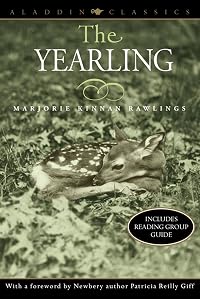
The Yearling
by Marjorie Kinnan Rawlings
On This Page
Description
A young boy living in the Florida backwoods is forced to decide the fate of a fawn he has lovingly raised as a pet.Tags
Recommendations


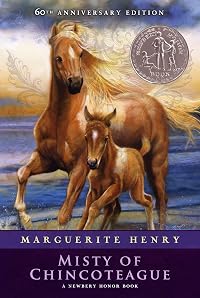
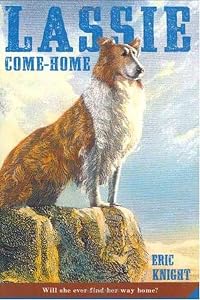
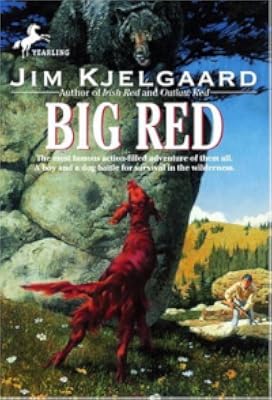
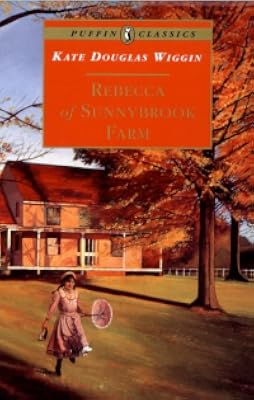


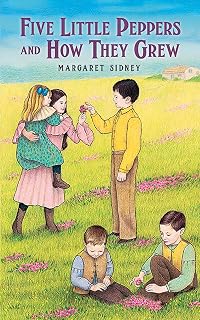

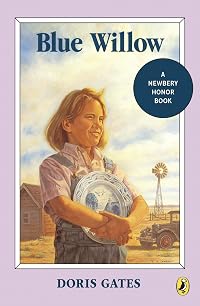
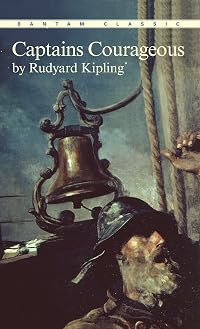
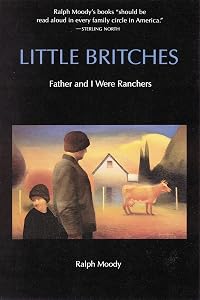
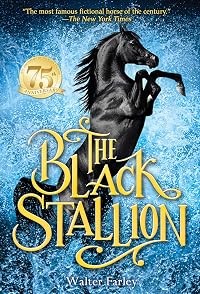
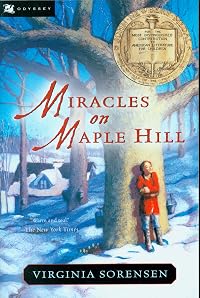
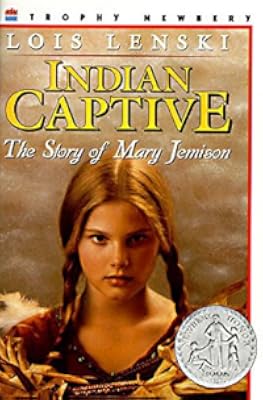
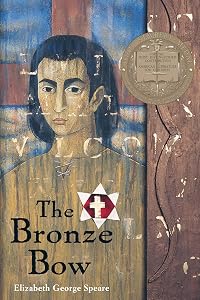

Member Recommendations

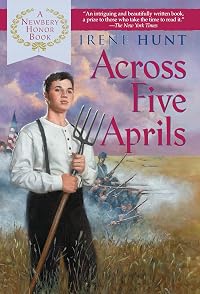
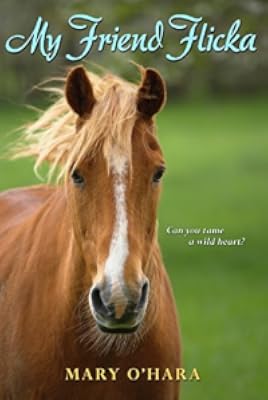
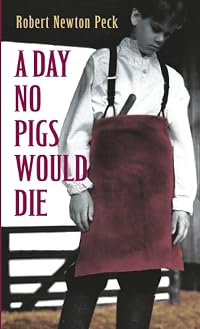
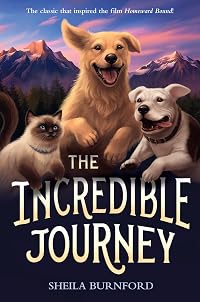
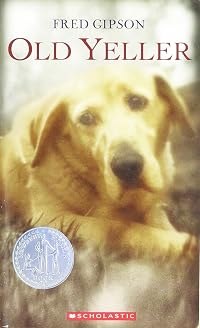
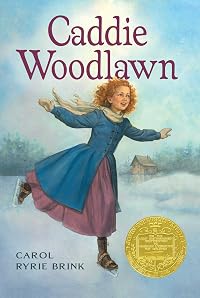
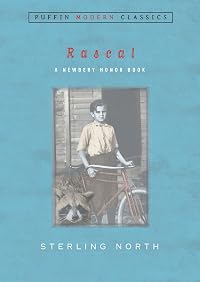
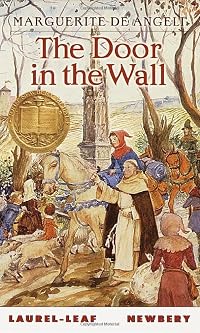
BonnieJune54 Both novels have boys coming of age in a vividly described rural setting of another era. In both cases Mom, Dad and son are somewhat isolated from others. While life is harsh, joy , love and laughter are present.
Member Reviews
Rawlings deserved her Pulitzer for this wonderful book. Her writing is so evocative of the time and place in 1870s Florida where the Baxter family lives off the land, striving to make their farm provide the sustenance they require. There are the usual heartbreaking tragedies, including a near fatal snake bite, a flood which wipes nearly everything out and the nearest neighbors who don't view life in the same light as the Baxters.
Told over the span of a year, from the time son Jody Baxter adopts a young deer whose mother is killed in service to saving father Penny Baxter's life. The cycles of the season, the farm and life are caught as Jody, and his fawn, Flag grow together. Jody learns big lessons about life and death, as he mourns the show more changes that must be acknowledged in order to continue growing.
What a fantastic story! show less
Told over the span of a year, from the time son Jody Baxter adopts a young deer whose mother is killed in service to saving father Penny Baxter's life. The cycles of the season, the farm and life are caught as Jody, and his fawn, Flag grow together. Jody learns big lessons about life and death, as he mourns the show more changes that must be acknowledged in order to continue growing.
What a fantastic story! show less
Every night for three weeks, my nine-year-old and I would snuggle together under a blanket, tea cups balanced on our laps. I would read aloud in what my spouse says was a pretty good Southern accent and she would read along silently over my shoulder.
After we'd finished the book and blown our noses and she'd talked a bit, I realized that she and I got different messages from the story. She loved it for the outdoors and the animals---both the cute baby animals raised by Fodder-Wing and Jody and the animals who threatened to kill them, directly or indirectly. When she cried, she cried because there was no clear right path for Jody to have followed. Should he have taken the fawn in or should he have left it? Neither seemed like a good plan show more in the end.
When I cried, I cried because as a parent, there's no clear right path for raising my children. Penny, like many (most?) parents, tried to protect his son from the ills of his own childhood. He kept Jody from hard work and hunger, shielding him always from the ugly ways of people, a buffer between his son and reality. This spared Jody pain when he was young, but it left him unprepared for the life of an adult. The boy couldn't read or write well or light a fire on his own or carry home a carcass after a hunt. Adulthood comes, though, whether we're prepared for it or not. And so when I cried, it was in part for that remembered pain of crossing the threshold between childhood and adulthood and realizing there really was no magic to it after all, but it was even more for the constant and anticipated pain of knowing that no matter what I do for my children, they're going to have to suffer in order to grow. I can't get them out of that any more than I can get myself out of my own growing pains.
Even if I could keep them from feeling pain or sadness or fear as children, that would only leave them as adults with a sense of entitlement toward anything good in their lives and a sense of unfairness for any discomfort. They'd be as whiny as Jody was before his coming-of-age except they'd be trapped in it, perpetual children.
My take-home message from this book is that the way to help my children grow to be capable adults is to get them a wild animal to raise so it can betray them and so open their eyes to the betrayals they can expect from life every step of the way. Or since I live in the suburbs, maybe I can accomplish something similar by allowing them to make their own mistakes and feel their own embarrassment and fear and pain and just be there for them when it happens instead of trying to keep them from feeling it in the first place.
I think getting a fawn might be easier. show less
After we'd finished the book and blown our noses and she'd talked a bit, I realized that she and I got different messages from the story. She loved it for the outdoors and the animals---both the cute baby animals raised by Fodder-Wing and Jody and the animals who threatened to kill them, directly or indirectly. When she cried, she cried because there was no clear right path for Jody to have followed. Should he have taken the fawn in or should he have left it? Neither seemed like a good plan show more in the end.
When I cried, I cried because as a parent, there's no clear right path for raising my children. Penny, like many (most?) parents, tried to protect his son from the ills of his own childhood. He kept Jody from hard work and hunger, shielding him always from the ugly ways of people, a buffer between his son and reality. This spared Jody pain when he was young, but it left him unprepared for the life of an adult. The boy couldn't read or write well or light a fire on his own or carry home a carcass after a hunt. Adulthood comes, though, whether we're prepared for it or not. And so when I cried, it was in part for that remembered pain of crossing the threshold between childhood and adulthood and realizing there really was no magic to it after all, but it was even more for the constant and anticipated pain of knowing that no matter what I do for my children, they're going to have to suffer in order to grow. I can't get them out of that any more than I can get myself out of my own growing pains.
Even if I could keep them from feeling pain or sadness or fear as children, that would only leave them as adults with a sense of entitlement toward anything good in their lives and a sense of unfairness for any discomfort. They'd be as whiny as Jody was before his coming-of-age except they'd be trapped in it, perpetual children.
My take-home message from this book is that the way to help my children grow to be capable adults is to get them a wild animal to raise so it can betray them and so open their eyes to the betrayals they can expect from life every step of the way. Or since I live in the suburbs, maybe I can accomplish something similar by allowing them to make their own mistakes and feel their own embarrassment and fear and pain and just be there for them when it happens instead of trying to keep them from feeling it in the first place.
I think getting a fawn might be easier. show less
"You figgered I went back on you. Now there's a thing ever' man has got to know. Mebbe you now it a'ready. Twan't only me... Boy, life goes back on you."
I was mesmerized. I never wanted it to end.
You become immersed in the world of the Baxter family - Penny (Pa), Ory (Ma), and 12-year-old Jody. They live post-Civil War in the Jacksonville area of Florida on a small clearing where they subsist growing corn, sweet potatoes, cow-peas, and cane sugar; augmented by a dairy cow and plenty of hunting. Their nearest neighbors are their frenemies the Forresters, a rough crowd of four or five grown men with their Ma and Pa. Jody has a special relationship with his Pa; not so much with Ma, who is hardened by having buried too many of her babies. show more Half the book goes by until the main plot commences - Jody finds Flag, an orphaned fawn he adopts, after having longed for years for some little creature he could care for and call his own. You know how it ends.
These people know their land so intimately, they know their game, their predators, their weather, in a way like I imagine most people today have no idea.
It was absolutely beautiful. I love coming-of-age stories. I'm partial to those with girls, and this is a boy's book through and through, but it was still about that magical portal between child and grown-up.
"Ever' man wants life to be a fine thing, and a easy. 'Tis fine, boy, powerful fine, but 'tain't easy. Life knocks a man down and he gits up and it knocks him down again. I've been uneasy all my life." show less
I was mesmerized. I never wanted it to end.
You become immersed in the world of the Baxter family - Penny (Pa), Ory (Ma), and 12-year-old Jody. They live post-Civil War in the Jacksonville area of Florida on a small clearing where they subsist growing corn, sweet potatoes, cow-peas, and cane sugar; augmented by a dairy cow and plenty of hunting. Their nearest neighbors are their frenemies the Forresters, a rough crowd of four or five grown men with their Ma and Pa. Jody has a special relationship with his Pa; not so much with Ma, who is hardened by having buried too many of her babies. show more Half the book goes by until the main plot commences - Jody finds Flag, an orphaned fawn he adopts, after having longed for years for some little creature he could care for and call his own. You know how it ends.
These people know their land so intimately, they know their game, their predators, their weather, in a way like I imagine most people today have no idea.
It was absolutely beautiful. I love coming-of-age stories. I'm partial to those with girls, and this is a boy's book through and through, but it was still about that magical portal between child and grown-up.
"Ever' man wants life to be a fine thing, and a easy. 'Tis fine, boy, powerful fine, but 'tain't easy. Life knocks a man down and he gits up and it knocks him down again. I've been uneasy all my life." show less
Rawlings’s 1938 Pulitzer-winning novel focuses on the boy Jody, his parents Ora and Penny Baxter, their neighbors the Forresters, and their hard-scrabble lives in central Florida in about 1870.
I first heard of this classic of children’s literature when I was about 10 years old, but I never read it. I hadn’t even seen the movie. I had only a vague notion about the plot – a boy and his pet deer, “the yearling” of the title. I’m so glad that I finally read it.
Rawlings tells the tale from Jody’s perspective. He’s twelve years old when the novel opens, and still spends much of his time roaming about the woods, exercising his imagination and connecting with nature. Yes, he has chores – what farm-child doesn’t – but show more he frequently gets distracted in the middle of hoeing a field, following a squirrel or just getting lost in his thoughts when he takes a brief break to get a drink from a nearby stream.
His father, Penny, grew up with stern parents and had hardly any childhood, saddled with responsibility at a very young age. As a result, he is willing to work twice as hard to keep his boy a “boy” for a longer period. This is a source of disagreement between Penny and Ma, who feels that Jody is past the age for greater responsibility. He is, after all, their only child, and if they are to survive (let alone prosper) Jody must take on a greater share of the work.
When Jody and his father meet disaster while out hunting, they are forced to kill a doe with a new-born fawn. Once they are back home, Jody prevails upon his father to let him retrieve the fawn, who, Jody argues, is an orphan only because of their actions. Jody dotes on Flag and treats the animal as a brother. But as Flag grows to a yearling, his natural instincts coupled with tameness and Jody’s indulgence, lead to troubling behavior. The difficult decisions that are required show how everyone has matured and grown over the course of the novel.
I could not help but equate Flag’s “growing up” to Jody’s. Both are indulged and left free to roam and both have to endure pain and suffering as a result of growing towards adulthood. I could not help but wonder if the title was more a reference to Jody than to the fawn.
What really shines in this novel is the connection to nature. I was reminded of the many times I was in the woods with my father, and the way he taught me and my brothers about plants, animals, hunting, and fishing. I feel sorry for modern urban children who have no such connection in their lives.
I particularly loved this passage:
The cranes were dancing a cotillion as surely as it was danced at Volusia. Two stood apart, erect and white, making a strange music that was part cry and part singing. The rhythm was irregular, like the dance. The other birds were in a circle. In the heart of the circle, several moved counter-clock-wise. The musicians made their music. The dancers raised their wings and lifted their feet, first one and then the other. …. The birds were reflected in the clear marsh water. Sixteen white shadows reflected the motions. The evening breeze moved across the saw-grass. It bowed and fluttered. The water rippled. The setting sun lay rosy on the white bodies. Magic birds were dancing in a mystic marsh. The grass swayed with them, and the shallow waters, and the earth fluttered under them. The earth was dancing with the cranes, and the low sun, and the wind and sky.
Rawlings uses the vernacular dialect of the time and place, and there are some uncomfortable uses of the “n” word. It’s appropriate to the time, place, and socio-economic status of the characters, and it’s not frequent (maybe six times in the 400-page book), but it is nevertheless jarring to today’s readers.
The edition I got from the library was masterfully illustratedy by N.C. Wyeth (father of Andrew Wyeth). What a joy it was to examine these paintings. I looked at them and looked at them over and over as I was reading. And nearly two weeks after finishing the book, I'm still looking at them ... reluctant to return the book to the library. show less
I first heard of this classic of children’s literature when I was about 10 years old, but I never read it. I hadn’t even seen the movie. I had only a vague notion about the plot – a boy and his pet deer, “the yearling” of the title. I’m so glad that I finally read it.
Rawlings tells the tale from Jody’s perspective. He’s twelve years old when the novel opens, and still spends much of his time roaming about the woods, exercising his imagination and connecting with nature. Yes, he has chores – what farm-child doesn’t – but show more he frequently gets distracted in the middle of hoeing a field, following a squirrel or just getting lost in his thoughts when he takes a brief break to get a drink from a nearby stream.
His father, Penny, grew up with stern parents and had hardly any childhood, saddled with responsibility at a very young age. As a result, he is willing to work twice as hard to keep his boy a “boy” for a longer period. This is a source of disagreement between Penny and Ma, who feels that Jody is past the age for greater responsibility. He is, after all, their only child, and if they are to survive (let alone prosper) Jody must take on a greater share of the work.
When Jody and his father meet disaster while out hunting, they are forced to kill a doe with a new-born fawn. Once they are back home, Jody prevails upon his father to let him retrieve the fawn, who, Jody argues, is an orphan only because of their actions. Jody dotes on Flag and treats the animal as a brother. But as Flag grows to a yearling, his natural instincts coupled with tameness and Jody’s indulgence, lead to troubling behavior. The difficult decisions that are required show how everyone has matured and grown over the course of the novel.
I could not help but equate Flag’s “growing up” to Jody’s. Both are indulged and left free to roam and both have to endure pain and suffering as a result of growing towards adulthood. I could not help but wonder if the title was more a reference to Jody than to the fawn.
What really shines in this novel is the connection to nature. I was reminded of the many times I was in the woods with my father, and the way he taught me and my brothers about plants, animals, hunting, and fishing. I feel sorry for modern urban children who have no such connection in their lives.
I particularly loved this passage:
The cranes were dancing a cotillion as surely as it was danced at Volusia. Two stood apart, erect and white, making a strange music that was part cry and part singing. The rhythm was irregular, like the dance. The other birds were in a circle. In the heart of the circle, several moved counter-clock-wise. The musicians made their music. The dancers raised their wings and lifted their feet, first one and then the other. …. The birds were reflected in the clear marsh water. Sixteen white shadows reflected the motions. The evening breeze moved across the saw-grass. It bowed and fluttered. The water rippled. The setting sun lay rosy on the white bodies. Magic birds were dancing in a mystic marsh. The grass swayed with them, and the shallow waters, and the earth fluttered under them. The earth was dancing with the cranes, and the low sun, and the wind and sky.
Rawlings uses the vernacular dialect of the time and place, and there are some uncomfortable uses of the “n” word. It’s appropriate to the time, place, and socio-economic status of the characters, and it’s not frequent (maybe six times in the 400-page book), but it is nevertheless jarring to today’s readers.
The edition I got from the library was masterfully illustratedy by N.C. Wyeth (father of Andrew Wyeth). What a joy it was to examine these paintings. I looked at them and looked at them over and over as I was reading. And nearly two weeks after finishing the book, I'm still looking at them ... reluctant to return the book to the library. show less
The Yearling is Marjorie Kinnan Rawlings’ Pulitzer prize winning novel about the coming of age of Jody Baxter, the son of a backwood farming family that is trying to eke a living from a bit of high land in the Florida scrub shortly after the Civil War. The story is about a boy’s love for a fawn, a man’s love for his son, and the difficult lessons life throws in the path of a boy who lives in a world where he must become a man in order to survive.
There are many wonderful characters apart from the Baxters. The Forresters, particularly Fodder-wing, Lem and Buck, add a further understand of what it was to live in such a harsh environment and how important neighbors and family were to one another. We get a glimpse of the town life and show more a contrast between the two when the Baxters visit Grandma Hutto and Oliver. But the emphasis of the story is the relationship between Penny Baxter and his son Jody. Penny is a remarkable man, savvy in the ways of the wilderness, kind and humane and somewhat indulgent of his child. Ora Baxter is a harder, sterner person, with a string of lost babies in her past and a tendency toward looking a thing in the eye without turning away. She seems to hold Jody at arm’s length most of the time and never hopes for more than the scrapings she is given.
I was about 12 or 13 years old when I read The Yearling for the first time. Back in those days, I had seen the movie with Gregory Peck and Jane Wyman as well. I did not think there would be much that would be added to my memory of this story, but I was wrong. I came at this story with different eyes, of course. At that first reading, I would have been protected and spared, as Jody was, the harder side of life. I have known some sorrow and loss in my life now. I understand the lesson Jody had to learn and that Penny wanted to shelter him from, and I understand Ora in a way that I’m sure was impossible when I was so young.
I’m glad I chose to revisit this moving story. I had thought it might come across as maudlin or sentimental...a kind of more sophisticated Bambi. I need not have worried. Rawlings is not writing fantasy here, she is writing life, and life can always bear another close inspection. show less
There are many wonderful characters apart from the Baxters. The Forresters, particularly Fodder-wing, Lem and Buck, add a further understand of what it was to live in such a harsh environment and how important neighbors and family were to one another. We get a glimpse of the town life and show more a contrast between the two when the Baxters visit Grandma Hutto and Oliver. But the emphasis of the story is the relationship between Penny Baxter and his son Jody. Penny is a remarkable man, savvy in the ways of the wilderness, kind and humane and somewhat indulgent of his child. Ora Baxter is a harder, sterner person, with a string of lost babies in her past and a tendency toward looking a thing in the eye without turning away. She seems to hold Jody at arm’s length most of the time and never hopes for more than the scrapings she is given.
I was about 12 or 13 years old when I read The Yearling for the first time. Back in those days, I had seen the movie with Gregory Peck and Jane Wyman as well. I did not think there would be much that would be added to my memory of this story, but I was wrong. I came at this story with different eyes, of course. At that first reading, I would have been protected and spared, as Jody was, the harder side of life. I have known some sorrow and loss in my life now. I understand the lesson Jody had to learn and that Penny wanted to shelter him from, and I understand Ora in a way that I’m sure was impossible when I was so young.
I’m glad I chose to revisit this moving story. I had thought it might come across as maudlin or sentimental...a kind of more sophisticated Bambi. I need not have worried. Rawlings is not writing fantasy here, she is writing life, and life can always bear another close inspection. show less
I avoided this one for years because I always thought it would be just like reading another painful version of Old Yeller. It may be a good story, but I’m a softy when it comes to animals and I didn’t want it to break my heart.
I’m so glad I finally picked it up. It’s not that it doesn’t have its sad parts, but it’s so much more than that. It’s the ultimate coming-of-age story. Jody, sweet young boy, grows up with his mother and father on isolated farm in Florida shortly after the Civil War. They struggle to survive harsh weather, the attacks of an old bear named Slewfoot and their wild neighbors who are both helpful and a bit dangerous.
Jody’s father, Penny Baxter, is the essence of a good man. He is kind and loving, show more but he also works hard to care for his family. Ma (Ory) is a cold woman and at first this is jarring. She seems so bitter and harsh and it’s hard to reconcile that with Penny’s tender nature. But you quickly realize that Ory has been through innumerable hardship and we learn that she has lost many children. We don’t know exactly how many or how they died, but we know Jody is the only child that survived. She’s given up on her dreams and realized that her life will never be made easier. This is her lot in life and she had to become hard to survive. It’s not easy to love a character like that, but I can understand how she has become that way.
It’s interesting that the yearling doesn’t actually show up until almost halfway through the book. This gives the reader a chance to connect with all of the other characters, which is crucial for the story to work.
The Yearling is really Jody’s story. He is such an innocent child at the beginning, but they live in a ruthless world and there’s very little room for playfulness in the adult life of a pioneer. People were completely dependant on the land. If there was a drastic change in the weather there was nothing they could do. Their food source came from what they could farm or shoot. We take so much for granted now. The sheer fact that we can go to a grocery store any time or pick up dinner at a restaurant makes it hard to even comprehend that kind of lifestyle. It’s a powerful story and an interesting glimpse into the life of a pioneer.
“Death was a silence that gave back no answer.” show less
I’m so glad I finally picked it up. It’s not that it doesn’t have its sad parts, but it’s so much more than that. It’s the ultimate coming-of-age story. Jody, sweet young boy, grows up with his mother and father on isolated farm in Florida shortly after the Civil War. They struggle to survive harsh weather, the attacks of an old bear named Slewfoot and their wild neighbors who are both helpful and a bit dangerous.
Jody’s father, Penny Baxter, is the essence of a good man. He is kind and loving, show more but he also works hard to care for his family. Ma (Ory) is a cold woman and at first this is jarring. She seems so bitter and harsh and it’s hard to reconcile that with Penny’s tender nature. But you quickly realize that Ory has been through innumerable hardship and we learn that she has lost many children. We don’t know exactly how many or how they died, but we know Jody is the only child that survived. She’s given up on her dreams and realized that her life will never be made easier. This is her lot in life and she had to become hard to survive. It’s not easy to love a character like that, but I can understand how she has become that way.
It’s interesting that the yearling doesn’t actually show up until almost halfway through the book. This gives the reader a chance to connect with all of the other characters, which is crucial for the story to work.
The Yearling is really Jody’s story. He is such an innocent child at the beginning, but they live in a ruthless world and there’s very little room for playfulness in the adult life of a pioneer. People were completely dependant on the land. If there was a drastic change in the weather there was nothing they could do. Their food source came from what they could farm or shoot. We take so much for granted now. The sheer fact that we can go to a grocery store any time or pick up dinner at a restaurant makes it hard to even comprehend that kind of lifestyle. It’s a powerful story and an interesting glimpse into the life of a pioneer.
“Death was a silence that gave back no answer.” show less
The Yearling is tragic. It's the story of Jody Baxter, a twelve year old boy growing up in Florida in the late 1800s. Jody's family is poor. While living remotely is a blessing for privacy it is hard on employment and sustainable nourishment. The Baxters depend on their farm animals for food in the leaner months. It's this food supply that drives the story of The Yearling. First, there is the emergence of Old Slewfoot, a bigger than life grizzly bear that manages to kill the family's prized sow. This sow, Betsy, would have been responsible for offspring that could have sustained the family through the upcoming long winter months. Then, later in the story, there is the dilemma of Flag. Through a series of events young Jody has come to show more adopt a fawn, a pet he has dearly wanted. As this fawn grows it creates conflict within the family. He begins to eat their hard earned corn supply and the corn, like Betsy's offspring, was supposed to feed the Baxter family throughout the colder months. Ma Baxter is the iron will of the family. She sees the trouble the family is in are in if Flag continues to eat them out of house and home. When she takes matters into her own hands Jody childishly runs away. His return is one of adult understanding. This is ultimately a story of emerging maturity, of new knowledge and acceptance of sacrifice. show less
Members
- Recently Added By
Lists

Books That Made Me Cry
199 works; 105 members

Favorite Childhood Books
1,651 works; 519 members
1001 Children's Books You Must Read Before You Grow Up
774 works; 100 members

Favorite Animal Fiction
359 works; 156 members

Pulitzer Prize Winners for Fiction
102 works; 54 members

Five books to read aloud to your kids
35 works; 17 members

Best high-school English books reread later in life
30 works; 21 members

Satori Smiles Children's Book List
262 works; 7 members
Honey For a Child's Heart
1,152 works; 25 members

Books Set in Florida
25 works; 8 members

Youth: Abuse, Grief, & Loss
51 works; 1 member

Romalda Spalding's Writing Road To Reading
213 works; 3 members

Recommended Reading List
219 works; 1 member

Publisher's Weekly Bestsellers Part I - 1895-1939
399 works; 8 members

The Complete Rory Gilmore Reading List
506 works; 5 members

Before Austen Comes Aesop
318 works; 9 members

Publisher's Weekly Bestsellers - Part II - 1940 - 1979
355 works; 6 members

Read For Your Life
157 works; 1 member

The Story of the World: Activity Book Four: The Modern Age
333 works; 2 members

Mensa for Kids Excellence in Reading Award Program (Grades 7-8)
62 works; 3 members

1930s
262 works; 5 members

Mensa for Kids Excellence in Reading Award Program (Grades 7-8)
62 works; 1 member

Books Read in 2017
4,249 works; 130 members

Literary Travelogue of the United States Challenge
133 works; 6 members

50+ Books for a 6th Grader Who Loves to Read
53 works; 4 members

Armed Services Editions
150 works; 1 member

Books Read in 2014
2,344 works; 89 members

CCE 1000 Good Books List
1,033 works; 12 members

Books Read in 2026
2,127 works; 70 members
Books Featured on Gilmore Girls
307 works; 21 members

Childhood Favorites
427 works; 24 members
Best Children's Books You've Read
197 works; 75 members
Author Information

39+ Works 7,579 Members
Some Editions
Awards and Honors
Awards
Distinctions
Series
Belongs to Publisher Series
Work Relationships
Is contained in
Has the adaptation
Is abridged in
Has as a student's study guide
Common Knowledge
- Canonical title
- The Yearling
- Original title
- The Yearling
- Original publication date
- 1938
- People/Characters
- Ezra "Penny" Baxter; Ora Baxter; Jody Baxter; Flag
- Important places
- Cross Creek, Florida, USA; Florida, USA
- Important events
- 19th century; 1870s
- Related movies
- The Yearling (1946 | IMDb); The Yearling (1994 | IMDb)
- First words
- A column of smoke rose thin and straight from the cabin chimney.
- Last words
- (Click to show. Warning: May contain spoilers.)Somewhere beyond the sink-hole, past the magnolia, under the live oaks, a boy and a yearling ran side by side, and were gone forever.
Classifications
- Genres
- Fiction and Literature, Children's Books, Young Adult
- DDC/MDS
- 813.52 — Literature & rhetoric American literature in English American fiction in English 1900-1999 1900-1945
- LCC
- PZ10.3 .R19 .Y — Language and Literature Fiction and juvenile belles lettres Fiction and juvenile belles lettres Juvenile belles lettres
- BISAC
Statistics
- Members
- 5,631
- Popularity
- 2,357
- Reviews
- 69
- Rating
- (4.00)
- Languages
- 14 — Chinese, Danish, Dutch, English, Finnish, French, Italian, Japanese, Korean, Polish, Slovak, Slovenian, Spanish, Swedish
- Media
- Paper, Audiobook, Ebook
- ISBNs
- 84
- UPCs
- 1
- ASINs
- 138