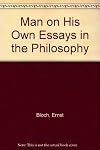
Man on his own; essays in the philosophy of religion
by Ernst Bloch
On This Page
Tags
Recommendations




















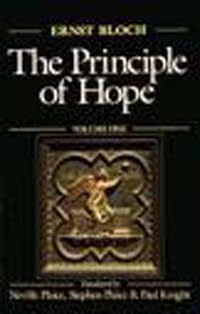







Members
- Recently Added By
Author Information

132+ Works 1,933 Members
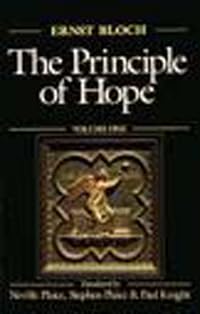
Ernst Bloch ranks as a major German Marxist philosopher. Beginning his career as author and teacher during World War I, he moved in the orbit of Marxist thought during the 1920s. In 1933 he left Germany and eventually found his way to the United States, where he created his major work The Principle of Hope. After World War II, he settled in East show more Germany, where from 1948 to 1957 he was professor at the University of Leipzig. His work eventually aroused the hostility of the authorities, and in 1961 he was granted political asylum in West Germany. Bloch departed from orthodox Marxism by attending to the problem of intellectual culture and refraining from treating it merely as superstructure determined by the materialist elements of political economy. Emphasizing the role of hope-as an inner drive, or hunger, in human beings-for a possible ideal future order, Bloch's thought may be described as utopian, involving the realization of a religious community akin to the kingdom of God, where people are no longer exploited but are free. Bloch's style echoes recent expressionism and is also rich in mystical overtones of biblical origin. Bloch died in 1977. (Bowker Author Biography) show less
Classifications
- Genres
- Nonfiction, Religion & Spirituality, Philosophy
- DDC/MDS
- 200.1 — Religion The Bible & Christianity Religion Systems, scientific principles, psychology of religion, philosophy and religion
- LCC
- BL51 .B584513 — Philosophy, Psychology and Religion Religions. Mythology. Rationalism Religions. Mythology. Rationalism Philosophy of religion. Psychology of religion. Religion
Statistics
- Members
- 38
- Popularity
- 763,928
- Languages
- English
- Media
- Paper
- ISBNs
- 2
- ASINs
- 2