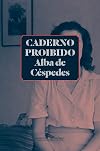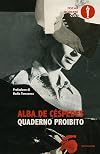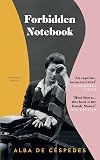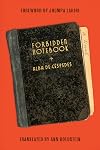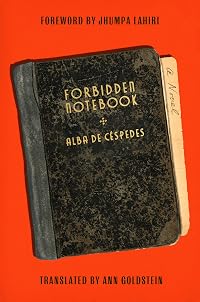
Forbidden Notebook: A Novel
by Alba De Céspedes
On This Page
Description
"In this modern translation and exquisitely crafted portrayal of domestic life, Forbidden Notebook centers the inner life of a dissatisfied housewife, Valeria Cossati, living in postwar Rome"--Tags
Recommendations






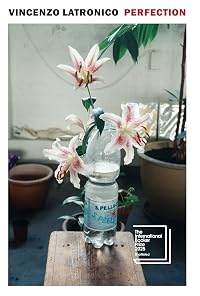
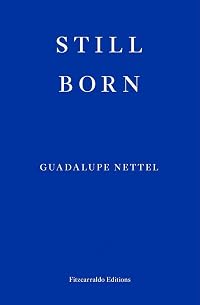
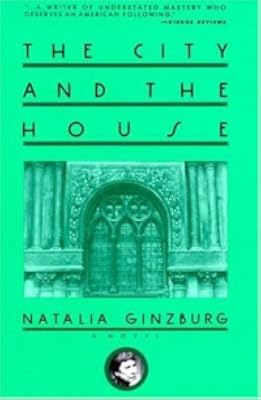
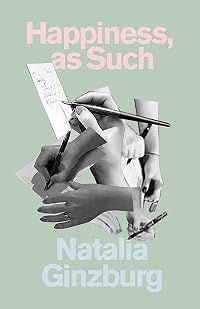
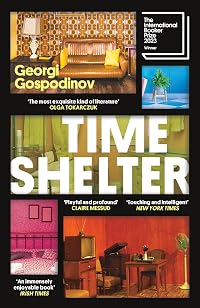
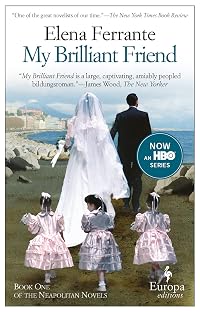
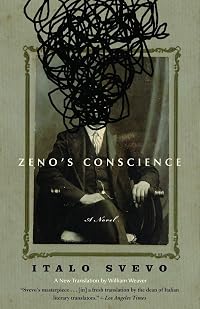
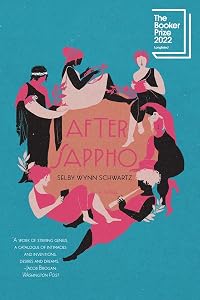





Member Recommendations

Member Reviews
Written in journal format, Forbidden Notebook focuses on a brief period in the life of a woman in 1950s Rome, when the very act of her writing in the diary makes her begin to question things about herself and her life in a way that she never had before. Valeria is in her early 40s, with a husband and two just-about-grown kids who take advantage of her and make assumptions about her—although in many ways she makes it easy for them to do so. (The son Riccardo's performative learned helplessness and sexism are truly infuriating.) The amount of anxiety Valeria feels over keeping a cheap notebook for herself to write in, and deciding where in the flat to hide it because she doesn't feel like she's got anywhere there that's truly hers was show more honestly kind of upsetting for me as a reader.
This isn't the kind of novel where there's much plot; it's also the kind of novel where there's character change but also character stasis in a way that feels true to life but also immensely frustrating. I can see myself coming back to this in several years and re-reading it, because my sense is that this is a book which has different things to offer to the reader at different life stages. show less
This isn't the kind of novel where there's much plot; it's also the kind of novel where there's character change but also character stasis in a way that feels true to life but also immensely frustrating. I can see myself coming back to this in several years and re-reading it, because my sense is that this is a book which has different things to offer to the reader at different life stages. show less
Written in the early 1950s, this is the story of an Italian women just post-WWII whose life is built around family and propriety. She buys herself a journal, with which she has a conflicted relationship—hence the title—because through writing in it, taking the rare (stolen, actually) time to be in conversation with herself, and allowing herself the equally rare opportunity for introspection, she shakes up her own life. This isn't just about raised consciousness, though—de Céspedes paints an affecting picture of Valeria's life within the mores and politics of her time, as well as her relationships with her husband, children, and boss, and the context adds an earned power and pathos to the story. Good stuff.
Valeria, a wife, mother, daughter begins keeping a (secret) notebook with diary-like entries. The more she writes, the more she plumbs herself, what it means to be a woman, opening her own eyes to her dissatisfaction & unhappiness. She struggles not only against the misogyny of the time/place, but also her own participation in it, her "traditional" beliefs which are starting to butt up against the next generation (including her independently-minded daughter), aging, wives/mothers sacrificing their all for their families but are left with next-to-nothing for themselves, education, wealth, class, etc. This was very good. And what an apt ending.
At night, when we sit at the table together, we seem transparent and loyal, without intrigues, but I know now that none of us show what we truly are, we hide, we all camouflage ourselves, out of shame or spite.
from Forbidden Notebook by Alba de Cespedes
Self-knowledge can be dangerous.
A busy mother, juggling a job and family, impulsively buys a notebook. It was Sunday, and the shop owner was forbidden to sell anything but tobacco. She insisted, and he allowed her to secret the notebook out under her coat.
She had to carve out private time to write, neglecting her household duties, staying up late. She wrote about her life, which she thought was happy, but over time she is disturbed to discover that she is not the woman she had believed show more herself to be.
For the first time she is keeping a secret from her husband. She agonizes over where to hide the notebook, terrified it will be found, first because keeping a diary is considered a juvenile activity inappropriate for a middle-aged housewife, and later for fear of of what was on those pages: a burgeoning awareness of her own needs and desires, her need for space and a place to be alone, her discontent with her children and husband.
It is 1952 post-war Italy. Valeria’s family had once been wealthy. She was a child during WWI, later saw black shirts marching down the streets. As newlyweds, her husband was in the army. She purchased shoes on the black market, and raised her children during the post-war financial struggles.
Valeria’s husband’s salary at the bank was inadequate, so she went to work at a time when few women had a job. She no longer felt in sync her school friends, vapid wives who manipulate their husbands to get more money to spend on themselves. Her daughter is studying law, but rejects traditional values and morals and faith in a pursuit of financial success, becoming involved with an older, married man. Valeria’s student son is in love with an old-fashioned, uneducated girl, who is sidetracking him from his studies. And Valeria’s husband spends his evenings listening to Wagner, dissatisfied with his life, inattentive to his wife. He dreams of a different life.
…I know now that none of us know what we truly are, we hide, we all camouflage ourselves, out of shame or spite.
from Forbidden Notebook by Alba de Cespedes
Valeria enjoys her work, which brings great satisfaction. She realizes that her boss has feelings for her, and they begin to meet, first at the office on Saturdays, then at cafes or driving in his car. They are both lonely and feel invisible to their families. Valeria is Mama to her husband, no longer ‘wife.’ She is Bebe to her mother. To her boss, she is indispensable.
Each character is brought to a crisis, a decision.
What a marvelous book! There are so many insights that will resonate with women today. Valeria’s understanding of her family and her discontent is slowly revealed. Behind the story looms WWII, fascism, the destruction of the old world and the birth of a new. It is an exploration of love, its limits and failures, the duties that hold families together.
Valeria’s mother’s house is filled with large family portraits. Valeria will inherit them, but they are too big for her modest apartment. As her mother tells her how to treat the frames, she knows she can’t keep them. “It began in wartime,” she thinks, “suddenly you could die and things had no importance compared to the lives of human persons…The past no longer served to protect us, and we had no certainty about the future.” Her mother belongs to the old world, and her daughter the new world.
“For the first time in twenty-three years of marriage I’m doing something for myself,” Valeria realizes as she writes in the book. As she discovers her true self, and realizes her family’s real natures, she considers grabbing at a chance for personal happiness. But who is the real Valeria–the woman on the page, or her actions and choices in real life?
I received a free book from the publisher through NetGalley. My review is fair and unbiased. show less
from Forbidden Notebook by Alba de Cespedes
Self-knowledge can be dangerous.
A busy mother, juggling a job and family, impulsively buys a notebook. It was Sunday, and the shop owner was forbidden to sell anything but tobacco. She insisted, and he allowed her to secret the notebook out under her coat.
She had to carve out private time to write, neglecting her household duties, staying up late. She wrote about her life, which she thought was happy, but over time she is disturbed to discover that she is not the woman she had believed show more herself to be.
For the first time she is keeping a secret from her husband. She agonizes over where to hide the notebook, terrified it will be found, first because keeping a diary is considered a juvenile activity inappropriate for a middle-aged housewife, and later for fear of of what was on those pages: a burgeoning awareness of her own needs and desires, her need for space and a place to be alone, her discontent with her children and husband.
It is 1952 post-war Italy. Valeria’s family had once been wealthy. She was a child during WWI, later saw black shirts marching down the streets. As newlyweds, her husband was in the army. She purchased shoes on the black market, and raised her children during the post-war financial struggles.
Valeria’s husband’s salary at the bank was inadequate, so she went to work at a time when few women had a job. She no longer felt in sync her school friends, vapid wives who manipulate their husbands to get more money to spend on themselves. Her daughter is studying law, but rejects traditional values and morals and faith in a pursuit of financial success, becoming involved with an older, married man. Valeria’s student son is in love with an old-fashioned, uneducated girl, who is sidetracking him from his studies. And Valeria’s husband spends his evenings listening to Wagner, dissatisfied with his life, inattentive to his wife. He dreams of a different life.
…I know now that none of us know what we truly are, we hide, we all camouflage ourselves, out of shame or spite.
from Forbidden Notebook by Alba de Cespedes
Valeria enjoys her work, which brings great satisfaction. She realizes that her boss has feelings for her, and they begin to meet, first at the office on Saturdays, then at cafes or driving in his car. They are both lonely and feel invisible to their families. Valeria is Mama to her husband, no longer ‘wife.’ She is Bebe to her mother. To her boss, she is indispensable.
Each character is brought to a crisis, a decision.
What a marvelous book! There are so many insights that will resonate with women today. Valeria’s understanding of her family and her discontent is slowly revealed. Behind the story looms WWII, fascism, the destruction of the old world and the birth of a new. It is an exploration of love, its limits and failures, the duties that hold families together.
Valeria’s mother’s house is filled with large family portraits. Valeria will inherit them, but they are too big for her modest apartment. As her mother tells her how to treat the frames, she knows she can’t keep them. “It began in wartime,” she thinks, “suddenly you could die and things had no importance compared to the lives of human persons…The past no longer served to protect us, and we had no certainty about the future.” Her mother belongs to the old world, and her daughter the new world.
“For the first time in twenty-three years of marriage I’m doing something for myself,” Valeria realizes as she writes in the book. As she discovers her true self, and realizes her family’s real natures, she considers grabbing at a chance for personal happiness. But who is the real Valeria–the woman on the page, or her actions and choices in real life?
I received a free book from the publisher through NetGalley. My review is fair and unbiased. show less
A novel of intense interiority that showcases change at the societal and personal level, Quaderno Proibito was published in Italy in the early 1950s (first serialized, then as a book), translated into English in 1957 as “The Secret”, and now given a new English translation in 2023 as “Forbidden Notebook”. Written in diary format, it deals with the struggles of a 43 year old woman to come to terms with her life choices and what she wants from her life in the current day. Its first English title emphasizes that she has been and is withholding information - such withholding is and has been from herself as well as from those close to her. Its new English title, more literally translated, points to the field of play where such show more information is brought forth and explored by its “author”, Valeria Cossati.
In the forward to this new translation Jhumpa Lahiri states that diaries and notebooks are “declarations of autonomy.” That Valeria would even keep a diary, thus claiming some autonomy for herself, is seen as absurd by her family when raised as a theoretical early in the novel. Her family consists of a husband and two children who are on the cusp of adulthood. None of them can conceive of Valeria as an individual actor; everything she is and does is rather embedded into the family. She hardly exists except in that context so what would she need with a place for her autonomous self to emerge.
Beginning a diary was a sudden decision by Valeria, seemingly a subconscious impulse that could not be denied. We can see it as her true inner self demanding to be acknowledged after long suppression. What allowed this breakthrough might be identified in a couple of factors external to Valeria that have pierced her routine. First the changing mores and expectations of women in post-war Italy, a nation shattered by fascism and war. Valeria herself has been forced into the labor pool by poverty, while still feeling the weight of expectation to be a selfless domestic worker at home by her family. Secondly and relatedly is the rebellion against the traditional gender roles assigned to women by her daughter Mirella, a physical and close to home embodiment of societal level changes that forces Valeria to confront the worldview she has previously taken for granted, and to examine her past choices and future options.
This is uncomfortable. Feeling unmoored from our beliefs, questioning what we have previously viewed as truth, is such an unpleasant experience that humans of all backgrounds and ideological systems have a strong tendency to avoid it! Valeria forges ahead however, despite being well aware that, as she writes, “I have to acknowledge it isn’t making [my life] any happier.”
In the notebook Valeria comes to admit to herself that in fact she is not happy and hasn’t been for a long time. Her unhappiness is caused by and embedded in a family structure that retains traditional expectations, and yet she finds herself fighting to defend these very expectations and structures against Mirella’s rejection of them. While this is going on Valeria begins a hesitant romance with her boss even as she continually says it is “not possible”, and futilely tries to resurrect some emotions in her love-dead marriage. All this cognitive dissonance does nothing to advance her happiness or peace of mind, though it does begin to present openings into a new way of being, and new possibilities that might lead to happiness.
Whether Valeria will be able to take advantage of them is still uncertain at the end of the novel. The family with its tyrannical demands asserts new claims over her and an entire lifetime’s way of being is still powerful. In the manner of a fallen soldier urging on a comrade, she tells Mirella, “Maybe I won’t tell you any more, but remember what I told you tonight: save yourself, you who can do it. Go, be quick.”
Not a quick read for me, I think I spent as much time thinking about Valeria outside the bounds of the text as the character would have spent thinking in real time, ha, but a remarkable peek into an historical moment and a human consciousness. show less
In the forward to this new translation Jhumpa Lahiri states that diaries and notebooks are “declarations of autonomy.” That Valeria would even keep a diary, thus claiming some autonomy for herself, is seen as absurd by her family when raised as a theoretical early in the novel. Her family consists of a husband and two children who are on the cusp of adulthood. None of them can conceive of Valeria as an individual actor; everything she is and does is rather embedded into the family. She hardly exists except in that context so what would she need with a place for her autonomous self to emerge.
Beginning a diary was a sudden decision by Valeria, seemingly a subconscious impulse that could not be denied. We can see it as her true inner self demanding to be acknowledged after long suppression. What allowed this breakthrough might be identified in a couple of factors external to Valeria that have pierced her routine. First the changing mores and expectations of women in post-war Italy, a nation shattered by fascism and war. Valeria herself has been forced into the labor pool by poverty, while still feeling the weight of expectation to be a selfless domestic worker at home by her family. Secondly and relatedly is the rebellion against the traditional gender roles assigned to women by her daughter Mirella, a physical and close to home embodiment of societal level changes that forces Valeria to confront the worldview she has previously taken for granted, and to examine her past choices and future options.
This is uncomfortable. Feeling unmoored from our beliefs, questioning what we have previously viewed as truth, is such an unpleasant experience that humans of all backgrounds and ideological systems have a strong tendency to avoid it! Valeria forges ahead however, despite being well aware that, as she writes, “I have to acknowledge it isn’t making [my life] any happier.”
In the notebook Valeria comes to admit to herself that in fact she is not happy and hasn’t been for a long time. Her unhappiness is caused by and embedded in a family structure that retains traditional expectations, and yet she finds herself fighting to defend these very expectations and structures against Mirella’s rejection of them. While this is going on Valeria begins a hesitant romance with her boss even as she continually says it is “not possible”, and futilely tries to resurrect some emotions in her love-dead marriage. All this cognitive dissonance does nothing to advance her happiness or peace of mind, though it does begin to present openings into a new way of being, and new possibilities that might lead to happiness.
Whether Valeria will be able to take advantage of them is still uncertain at the end of the novel. The family with its tyrannical demands asserts new claims over her and an entire lifetime’s way of being is still powerful. In the manner of a fallen soldier urging on a comrade, she tells Mirella, “Maybe I won’t tell you any more, but remember what I told you tonight: save yourself, you who can do it. Go, be quick.”
Not a quick read for me, I think I spent as much time thinking about Valeria outside the bounds of the text as the character would have spent thinking in real time, ha, but a remarkable peek into an historical moment and a human consciousness. show less
Sono molto contenta che Quaderno proibito stia vivendo una nuova stagione di "notorietà", nonostante sia stato scritto nei primi anni 50 e che racconti anche quel contesto socio-culturale, ma non solo.
Il quaderno proibito è il diario che Valeria Cossati scrive per circa 5 mesi e attraverso il quale si trova a scoprire se stessa, come donna, moglie, madre. Scrivendo scopre se stessa, lotta contro la consapevolezza che la sua vita non è perfetta come ha sempre immaginato che fosse, contro una società che cambia.
Valeria mente a se stessa continuamente per non ammettere alcune sue debolezze e insicurezze, si pone in conflitto con sua figlia per non ammettere di provare invidia per il suo coraggio e per le opportunità che la ragazza si show more sta costruendo, si costruisce obblighi e vincoli per restare ferma, nonostante la consapevolezza di quello che sta imparando a conoscere si se stessa. Se da un lato si pone in conflitto con la figlia, prova odio nei confronti della futura nuora, molto diversa dalla figlia, con tette altre aspirazioni, e cerca conforto nel rapporto con un amadre che non la capisce.
Nonostante tutte le dinamiche costruite siano interessanti, quelle tra i personaggi femminili risultano essere le più toccanti ed interessanti: è da queste che, oltre a venir fuori il personaggio di Valeria che si può toccare con mano lo spaccato di un'epoca e riflettere abbondantemente su quanto, tante cose, a distanza di settant'anni e più, continuino a ripetersi. show less
Il quaderno proibito è il diario che Valeria Cossati scrive per circa 5 mesi e attraverso il quale si trova a scoprire se stessa, come donna, moglie, madre. Scrivendo scopre se stessa, lotta contro la consapevolezza che la sua vita non è perfetta come ha sempre immaginato che fosse, contro una società che cambia.
Valeria mente a se stessa continuamente per non ammettere alcune sue debolezze e insicurezze, si pone in conflitto con sua figlia per non ammettere di provare invidia per il suo coraggio e per le opportunità che la ragazza si show more sta costruendo, si costruisce obblighi e vincoli per restare ferma, nonostante la consapevolezza di quello che sta imparando a conoscere si se stessa. Se da un lato si pone in conflitto con la figlia, prova odio nei confronti della futura nuora, molto diversa dalla figlia, con tette altre aspirazioni, e cerca conforto nel rapporto con un amadre che non la capisce.
Nonostante tutte le dinamiche costruite siano interessanti, quelle tra i personaggi femminili risultano essere le più toccanti ed interessanti: è da queste che, oltre a venir fuori il personaggio di Valeria che si può toccare con mano lo spaccato di un'epoca e riflettere abbondantemente su quanto, tante cose, a distanza di settant'anni e più, continuino a ripetersi. show less
Fui diarista por décadas (no sentido de escrever diários), mas conforme fui me aprofundando em análise perdi a necessidade de escrevê-los. Tive uma recaída durante a pandemia e tentei voltar a escrevê-los, mas não fluía como antigamente, me parece que estava forçando algo que não fazia mais parte de mim, assim como escrever cartas.
Ao ler agora Caderno Proibido da Alba de Céspedes tive um tipo de identificação diferente como diarista, a de como a avidade de nossa narradora Valeria se assemelha aos resultados do processo de análise. Uma das técnicas mais eficazes da análise é fazer com que o paciente verbalize o que está pensando, se escute dizendo não importa o quê, pode ser algo impensável a um pequeno burguês, show more independente se seja uma atrocidade ou uma paixão, ao se ouvir dizendo a dimensão se torna outra, ou mais séria ou se esvai.
É isso que a Valeria faz, ao colocar em palavras no seu caderno proibido, ela toma ciência de muitas coisas sobre si de que não fazia ideia, marcando assim uma revolta interior, mesmo por um curto (e intenso) período de tempo. show less
Ao ler agora Caderno Proibido da Alba de Céspedes tive um tipo de identificação diferente como diarista, a de como a avidade de nossa narradora Valeria se assemelha aos resultados do processo de análise. Uma das técnicas mais eficazes da análise é fazer com que o paciente verbalize o que está pensando, se escute dizendo não importa o quê, pode ser algo impensável a um pequeno burguês, show more independente se seja uma atrocidade ou uma paixão, ao se ouvir dizendo a dimensão se torna outra, ou mais séria ou se esvai.
É isso que a Valeria faz, ao colocar em palavras no seu caderno proibido, ela toma ciência de muitas coisas sobre si de que não fazia ideia, marcando assim uma revolta interior, mesmo por um curto (e intenso) período de tempo. show less
Members
- Recently Added By
Lists

Schwob Nederland
207 works; 2 members

le donne raccontano
116 works; 1 member

Books Read in 2025
4,128 works; 98 members

Top Five Books of 2025
954 works; 303 members
Author Information

26+ Works 887 Members
Some Editions
Awards and Honors
Distinctions
Series
Belongs to Publisher Series
Otavan kirjasto (295)
Common Knowledge
- Canonical title*
- Kielletty päiväkirja
- Original title
- Quaderno proibito
- Original publication date
- 1952
- People/Characters
- Valeria Cossati; Michele Cossati; Mirella Cossati
- Important places
- Italy
- Original language
- Italian
*Some information comes from Common Knowledge in other languages. Click "Edit" for more information.
Classifications
- Genres
- Fiction and Literature, General Fiction
- DDC/MDS
- 853.914 — Literature & rhetoric Italian, Romanian & related literatures Italian fiction 1900- 20th Century 1945-1999
- LCC
- PQ4809 .E75 .Q313 — Language and Literature French, Italian, Spanish and Portuguese literatures Italian literature Individual authors, 1900-1960
- BISAC
Statistics
- Members
- 495
- Popularity
- 61,039
- Reviews
- 20
- Rating
- (4.21)
- Languages
- 10 — Dutch, English, Finnish, French, German, Italian, Korean, Portuguese, Spanish, Swedish
- Media
- Paper, Audiobook, Ebook
- ISBNs
- 34
- ASINs
- 16